The Route Nobody Talks About
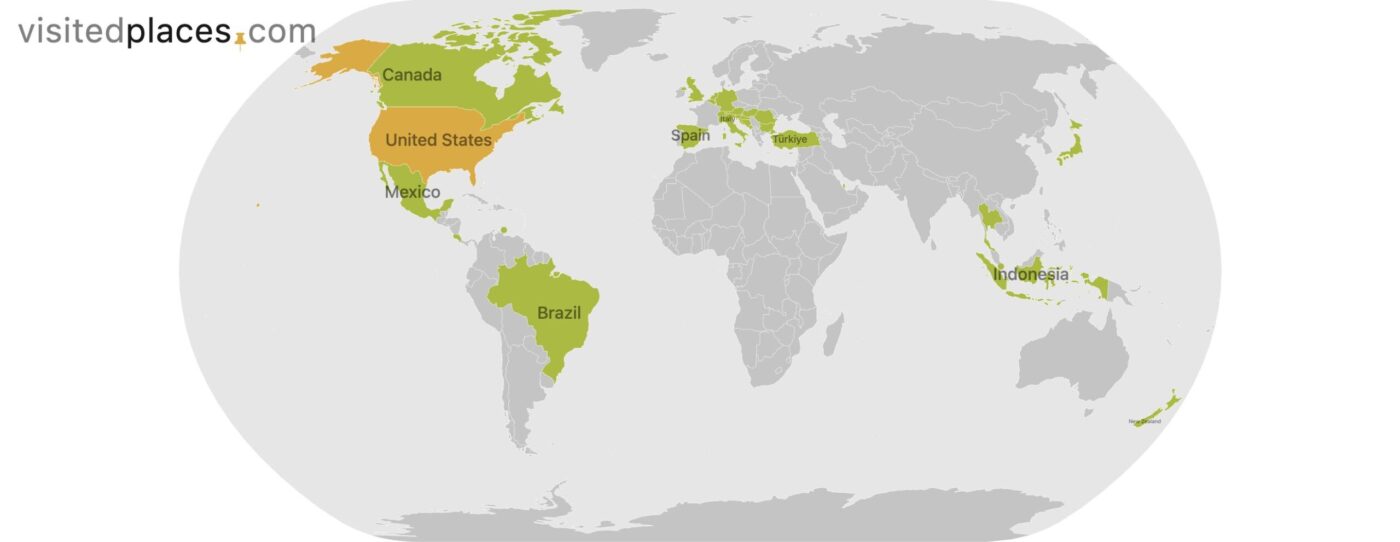
When people plan a European road trip, they think Amalfi Coast or the autobahn. We picked the Balkans instead and drove two weeks from Budapest to Sofia in August 2022, covering nine cities across six countries. The route followed the Adriatic coastline south through Croatia and Montenegro, then cut inland through Serbia and Bulgaria. It was the best trip we have ever taken, and almost nobody we talked to back home had done anything like it.
The entire drive cost a fraction of what a Western European road trip would. Gas was cheap, accommodation was half the price of Italy, and the food was some of the best we have eaten anywhere. Here is how we did it, city by city.
Budapest, Hungary: Thermal Baths and Ruin Bars
We started in Budapest, which is really two cities divided by the Danube. Buda sits on the hilly west bank with its castle and old fortifications. Pest is flat, loud, and full of energy on the east side. We spent two days here and could have stayed a week.
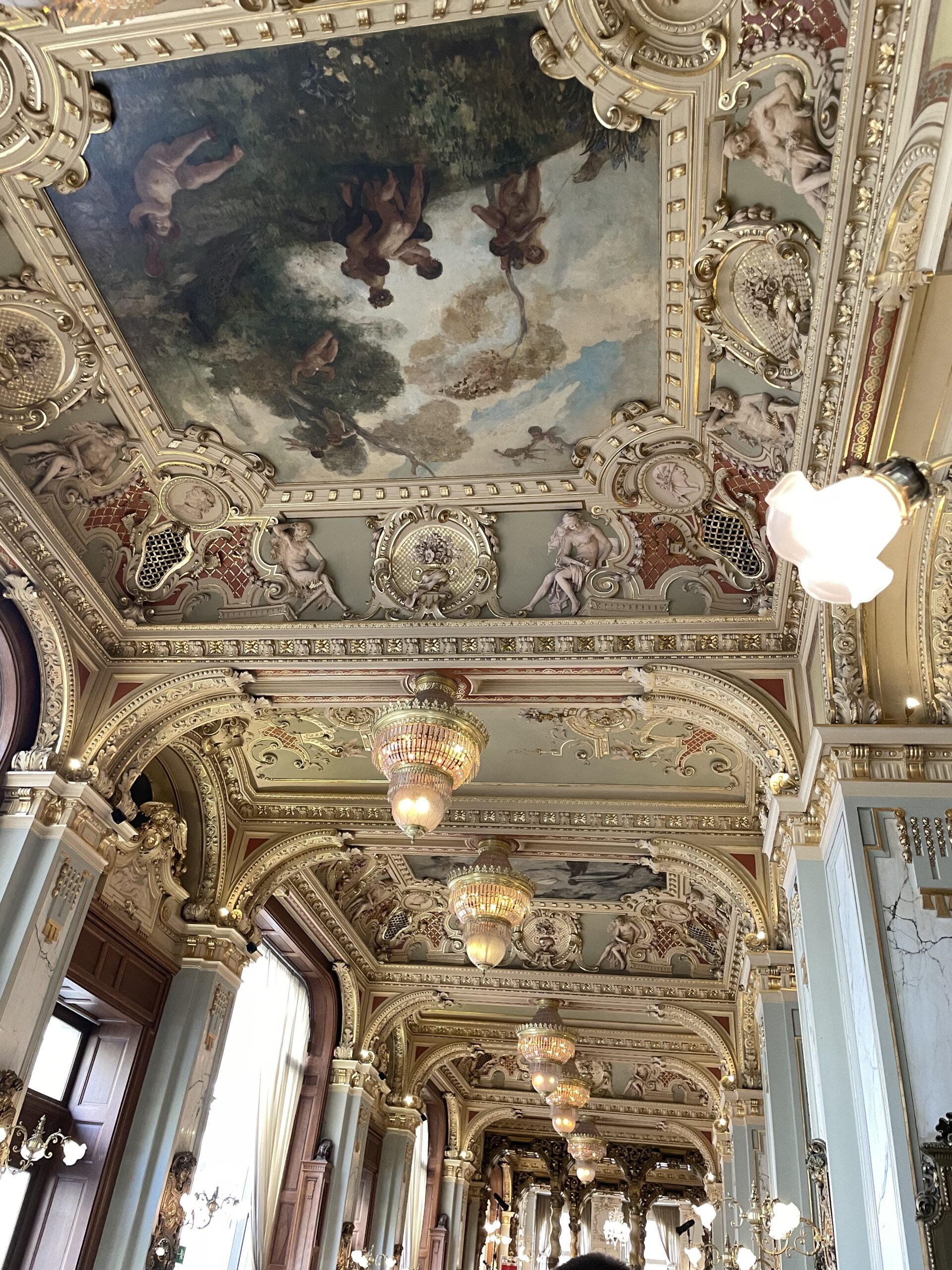
The Szechenyi Thermal Baths are the thing everyone does, and for good reason. The complex dates to 1913 and the outdoor pools stay warm year-round thanks to natural hot springs nearly 1,300 meters underground. Budapest sits on a geological fault line that produces more thermal water than any other capital city in the world. Go early on a weekday and you will have the neo-baroque courtyards almost to yourself.
At night, the ruin bar scene in the old Jewish Quarter is unlike anything else in Europe. These bars are built in abandoned buildings and courtyards, filled with mismatched furniture, neon signs, and art installations. Szimpla Kert is the most famous, but the smaller ones on the side streets are better if you want to actually hear each other talk.
Ljubljana, Slovenia: The Smallest Capital with the Biggest Charm
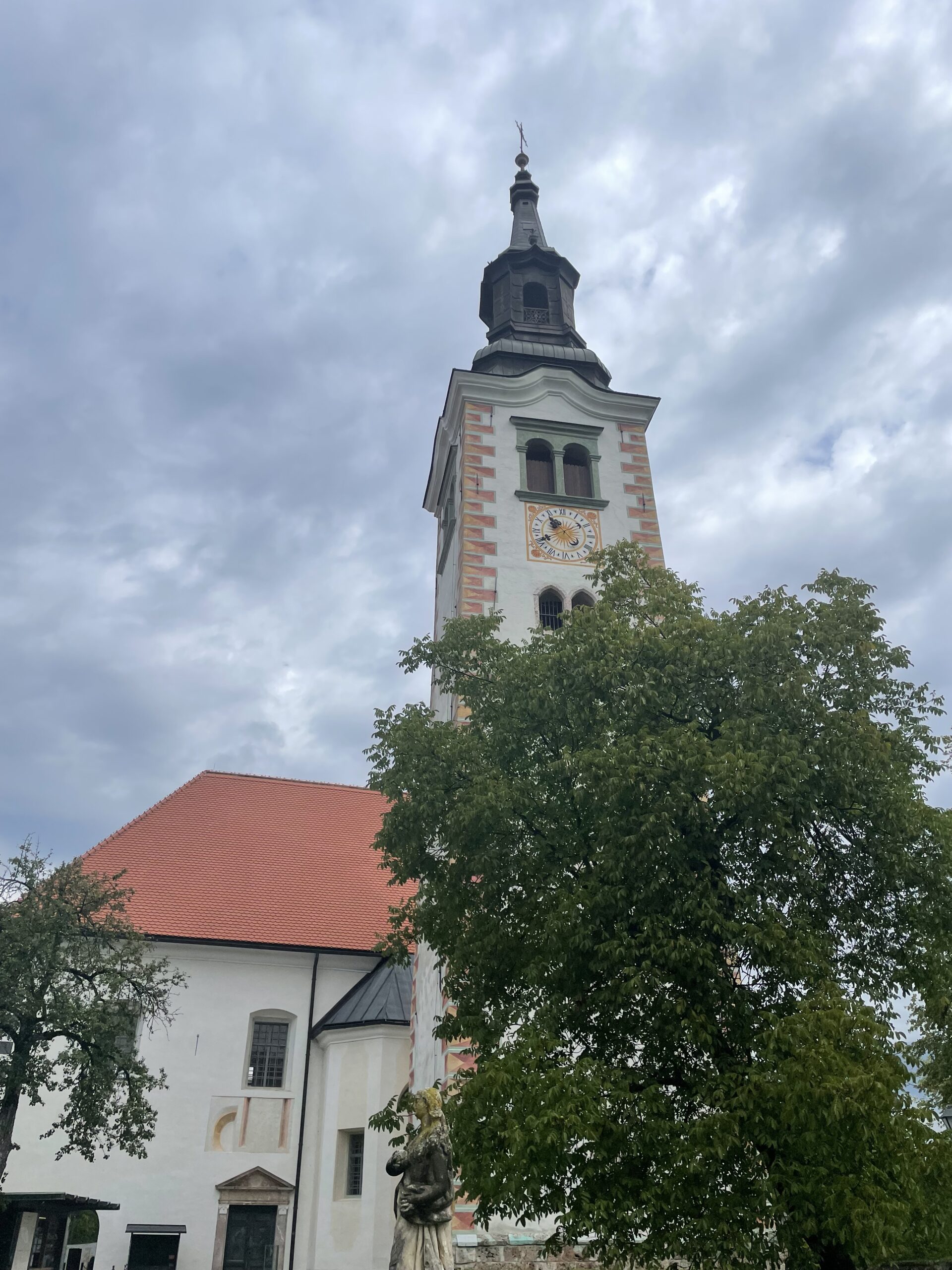
Ljubljana has a population of about 280,000, making it one of the smallest national capitals in Europe. What it lacks in size it makes up for in walkability. The entire city center is pedestrian-only, and the Ljubljana River cuts through the middle with cafes lining both banks.
The castle above the old town is connected by a funicular railway, and from the top you can see the Julian Alps in the distance. Slovenia was part of Yugoslavia until 1991, and the ten-day war for independence is still a point of national pride. The country now consistently ranks among the greenest and safest in Europe. Ljubljana was the European Green Capital in 2016, and you can tell. The air feels cleaner, the parks are everywhere, and the recycling infrastructure would make most American cities embarrassed.
Down the Croatian Coast: Zadar, Split, and the Adriatic
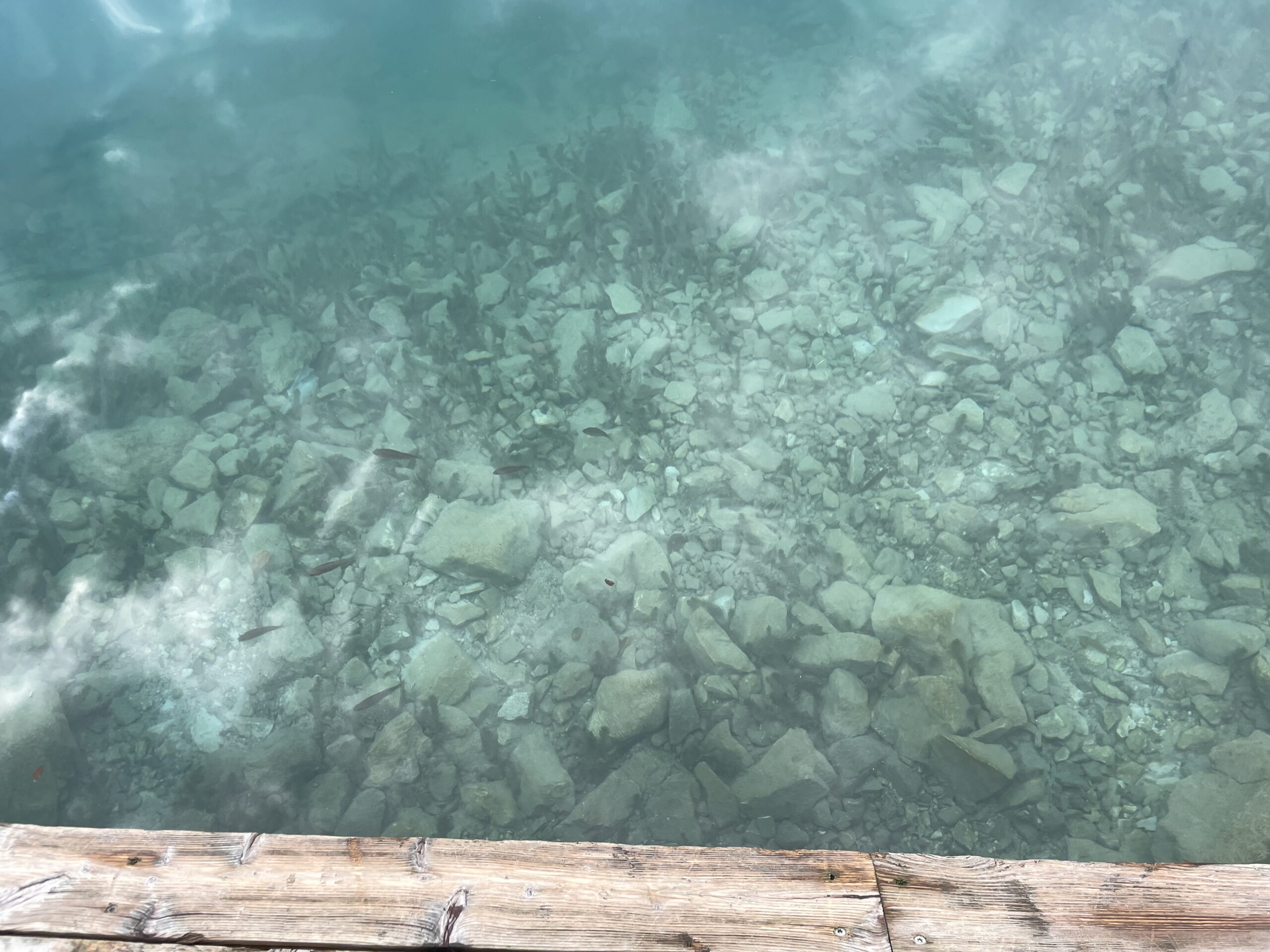
The drive from Slovenia down the Croatian coast is one of the most scenic in Europe. The A1 motorway hugs the mountains and then the road drops down to the coast, and suddenly the Adriatic appears in shades of turquoise that look artificially saturated in photos but are somehow even more vivid in person.
Zadar was our first Croatian stop. It is a small city on a peninsula, and its two most famous attractions are both on the waterfront. The Sea Organ is a set of marble steps with pipes underneath that play music as waves push air through them. The sound is haunting and completely unpredictable. Next to it, the Sun Salutation is a 22-meter circle of solar panels embedded in the ground that light up in patterns after dark, powered entirely by the energy they collected during the day. Both were designed by architect Nikola Basic and both are free.
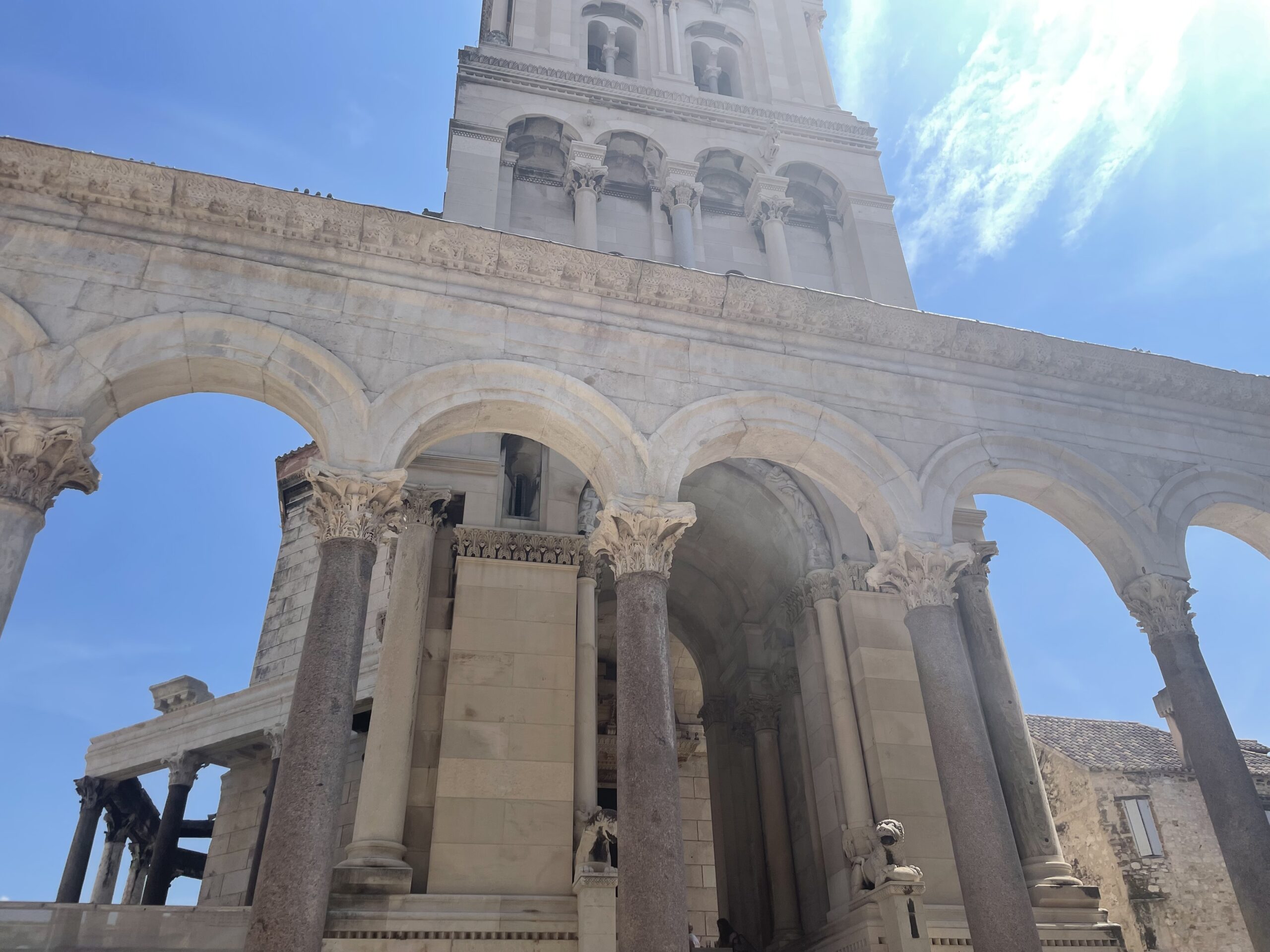
Split is built inside and around the ruins of Diocletian’s Palace, a Roman structure from the fourth century. What makes Split unlike any other ancient site is that it never stopped being used. There are apartments inside the palace walls, restaurants in former Roman chambers, and laundry hanging from windows that are older than most countries. The Cathedral of Saint Domnius was originally Diocletian’s mausoleum. The emperor who persecuted Christians is now buried under a Christian church. History has a sense of humor.
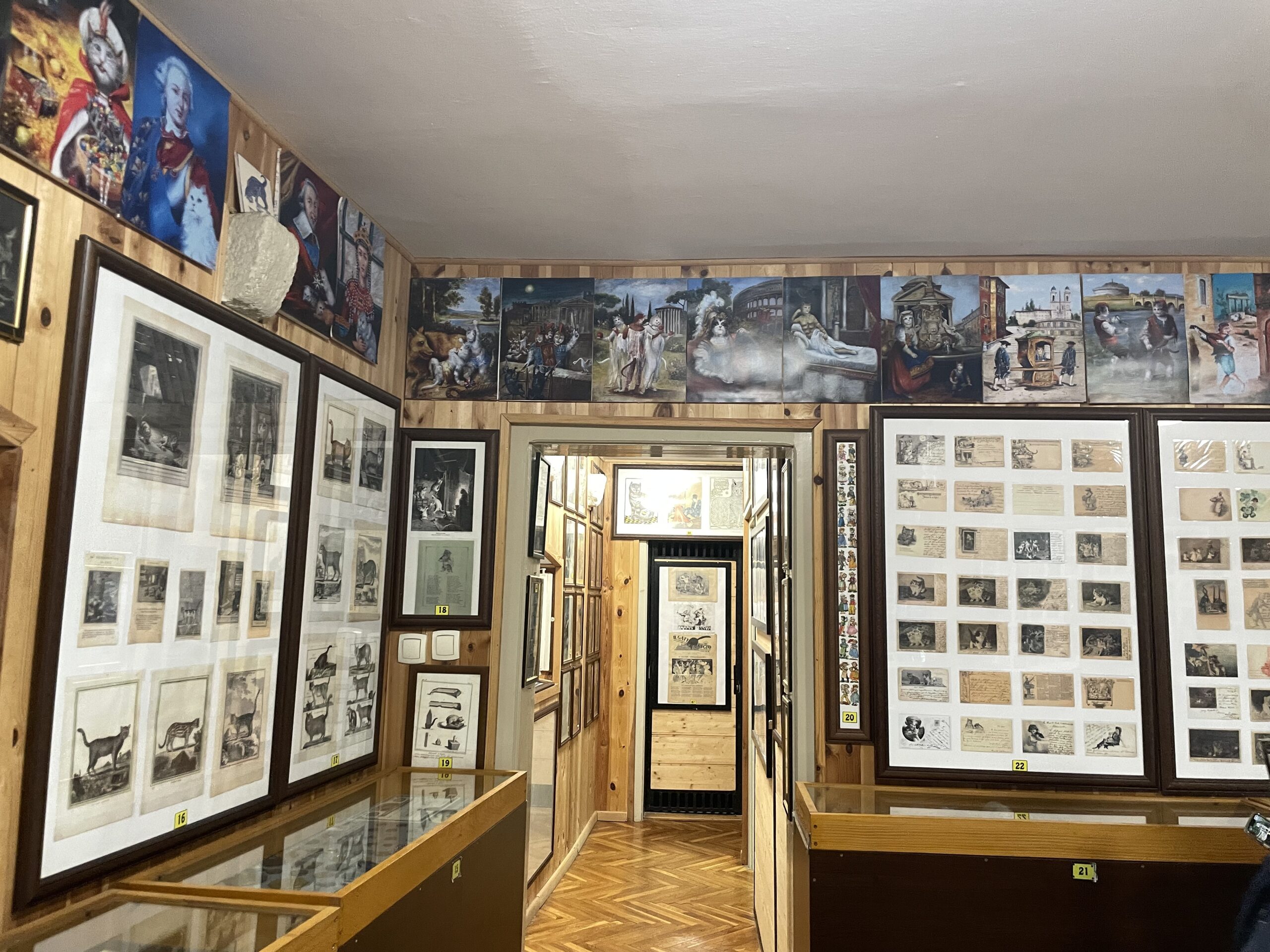
Kotor, Montenegro: The Fjord You Did Not Know Existed
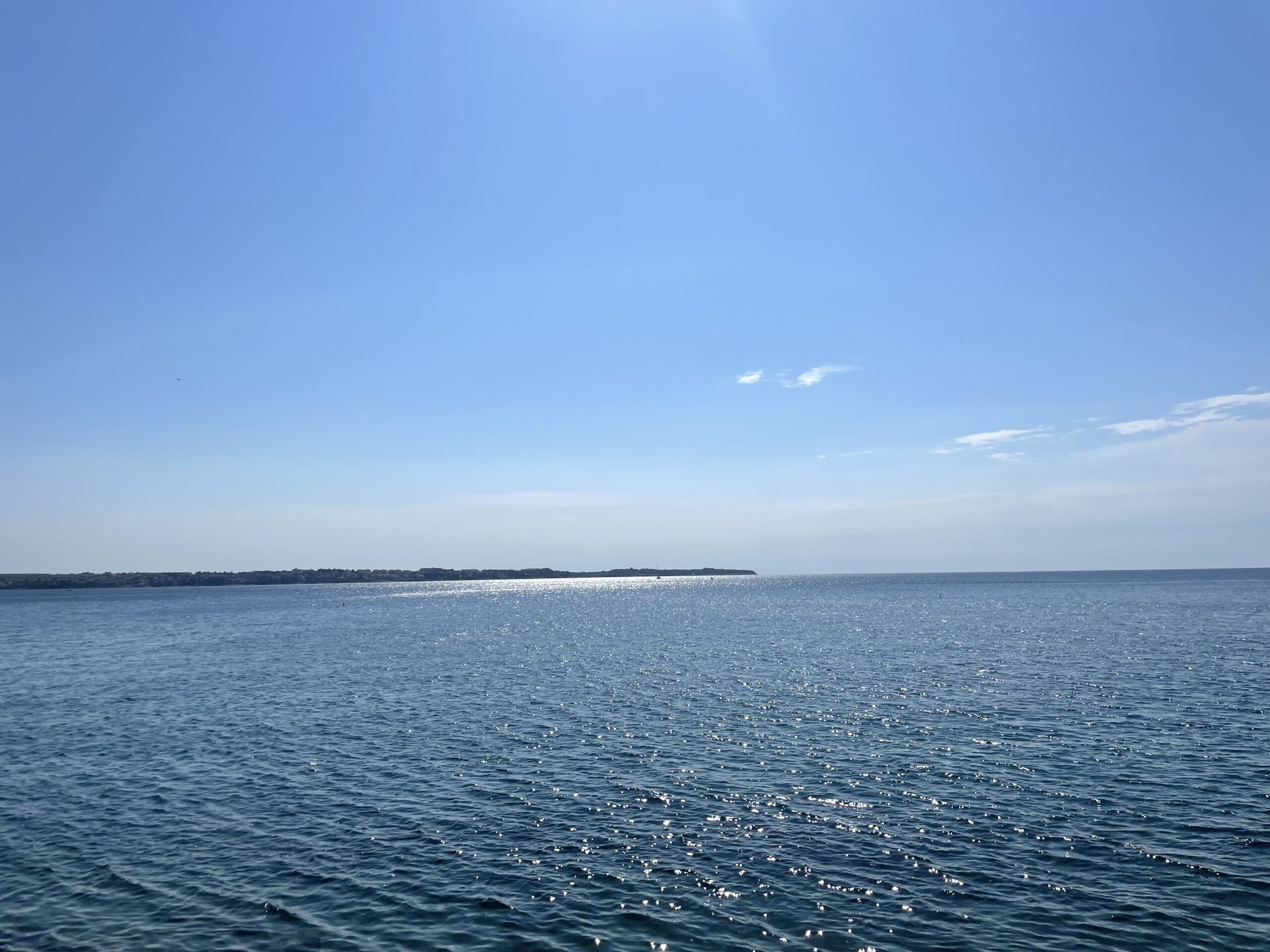
The Bay of Kotor is technically not a fjord but a submerged river canyon, though it looks exactly like the Norwegian fjords. The drive in is dramatic. Mountains rise straight out of the water on both sides, and the road follows the shoreline in tight switchbacks past tiny medieval villages.
Kotor’s old town is a UNESCO World Heritage site enclosed by fortification walls that climb 1,200 meters up the mountain behind it. The climb to the top takes about 90 minutes and is steep enough that you will question your life choices halfway up, but the view from the fortress at the top is worth every step. Montenegro uses the euro despite not being in the EU, which is one of those quirks that makes the Balkans endlessly interesting.
Dubrovnik, Croatia: Beyond Game of Thrones
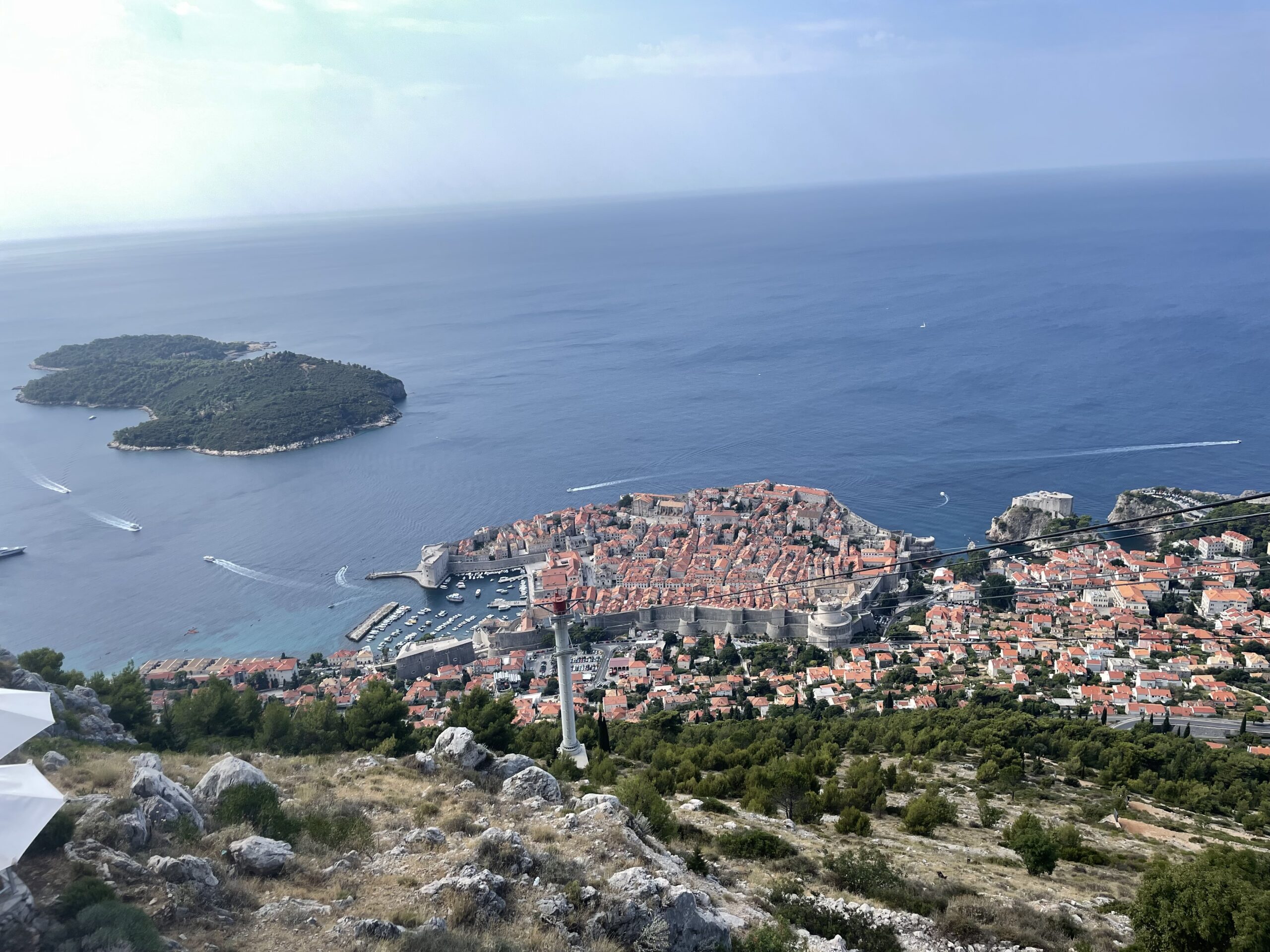
Dubrovnik gets called a Game of Thrones filming location so often that people forget it has been a significant city since the seventh century. The Dubrovnik Republic was an independent maritime state for over 450 years, rivaling Venice in trade and diplomacy. The city walls are nearly two kilometers long and walking the full circuit takes about an hour.
The cable car to Mount Srd gives you the best view of the old town and the coastline. The mountain was a key defensive position during the 1991 siege of Dubrovnik, and there is a small museum at the top documenting the conflict. The Croatian War of Independence is still recent enough that you will meet people who lived through it, and their stories add a depth to the city that no walking tour can match.
Our biggest tip: stay until sunset. The cruise ships leave by late afternoon, and the old town empties out. The golden hour light on the limestone walls is spectacular, and you can actually walk the Stradun without being in a crowd.
Belgrade and Sofia: The Inland Turn
From Dubrovnik we drove inland through Bosnia briefly and then north to Belgrade, Serbia. The contrast with the polished coastal cities was immediate. Belgrade is raw, loud, and unapologetically itself. The Kalemegdan Fortress sits at the confluence of the Sava and Danube rivers and has been built, destroyed, and rebuilt over 100 times by Romans, Ottomans, Austrians, and Serbs. The nightlife district along the river is built on floating barges called splavovi, and on summer weekends the party runs until sunrise.
Sofia, Bulgaria, was our final stop. The Alexander Nevsky Cathedral has golden domes that you can see from across the city, and the crypt underneath holds the largest collection of Orthodox icons in southeastern Europe. What surprised us most about Sofia was the food. Bulgarian cuisine borrows from Turkish, Greek, and Slavic traditions, and dishes like shopska salad, banitsa pastry, and slow-roasted lamb are all better and cheaper than their Western European equivalents. A full dinner with wine for two rarely topped 30 euros.
What We Spent
For two weeks including car rental, gas, accommodation, food, and activities, we spent roughly $3,800 total for two people. The biggest savings came from staying in apartments rather than hotels and eating where locals eat rather than in tourist zones. Gas across the Balkans averaged about 30 percent less than Western Europe, and highway tolls were minimal outside of Croatia.
Tips for Planning Your Own Balkans Road Trip
- Vignettes matter. Slovenia requires a highway vignette sticker. Buy one at the border gas station or you will get fined. Croatia and Serbia use traditional toll booths.
- Border crossings take time. Expect 15 to 45 minutes at each border, especially entering the EU from non-EU countries. Have your passport, rental agreement, and green card insurance document ready.
- Book Dubrovnik early. August prices in Dubrovnik are double what they are in May or October. If your dates are flexible, shoulder season is dramatically cheaper and less crowded.
- Cash is king in Serbia and Bulgaria. Many smaller restaurants and shops outside city centers do not accept cards. ATMs are widely available but carry some local currency just in case.
- Drive defensively. Road conditions vary widely. Croatian highways are excellent. Serbian and Bulgarian secondary roads can be rough. Montenegro’s coastal road is beautiful but narrow with blind corners.
Related Reading
- Central Europe by Train: Berlin, Prague, Vienna, Munich
- Greece Road Trip in October: Athens to Delphi
- Italy by Train: Rome to Milan via Naples and Florence
Gear and Guides We Recommend
These are affiliate links. If you buy through them, we earn a small commission at no extra cost to you. It helps keep this site running.
- Lonely Planet Western Balkans – The best overall guidebook for this region.
- Osprey Farpoint 40 Travel Backpack – Fits carry-on and works as a day bag when you unpack.
- Anker Nano Power Bank – Essential for long driving days and photo-heavy sightseeing.
- eSIM International Data – Worked across all six countries without swapping physical SIM cards.
- Bose QuietComfort Earbuds – Noise-canceling for long drives and overnight buses.