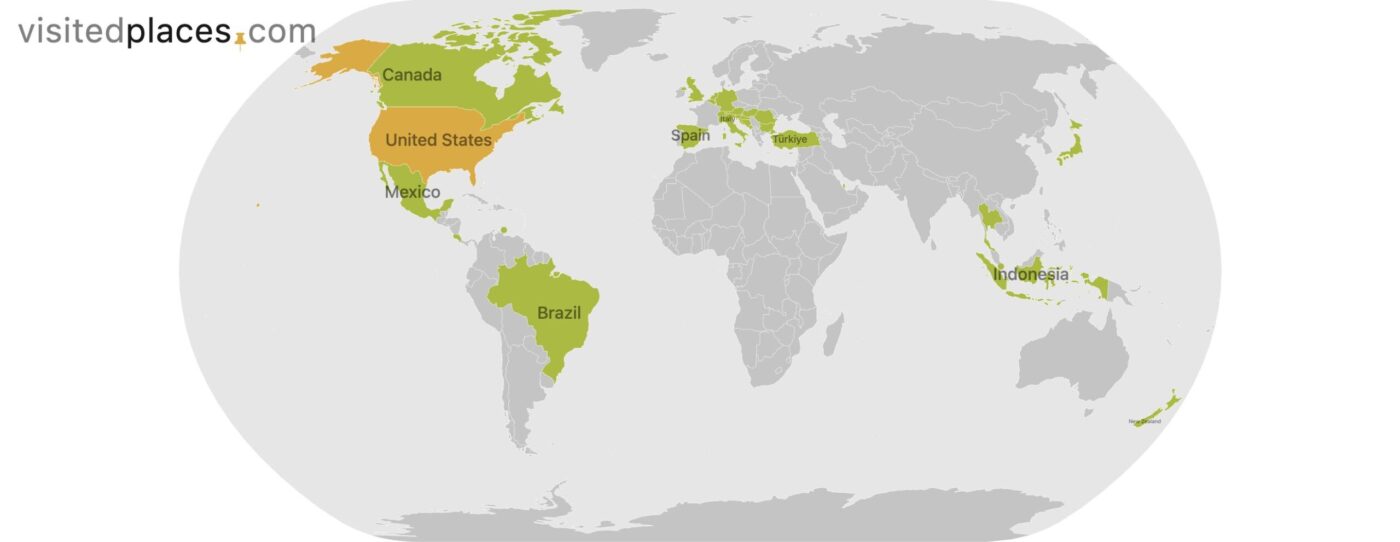
Japan: Where Ancient and Ultramodern Collide
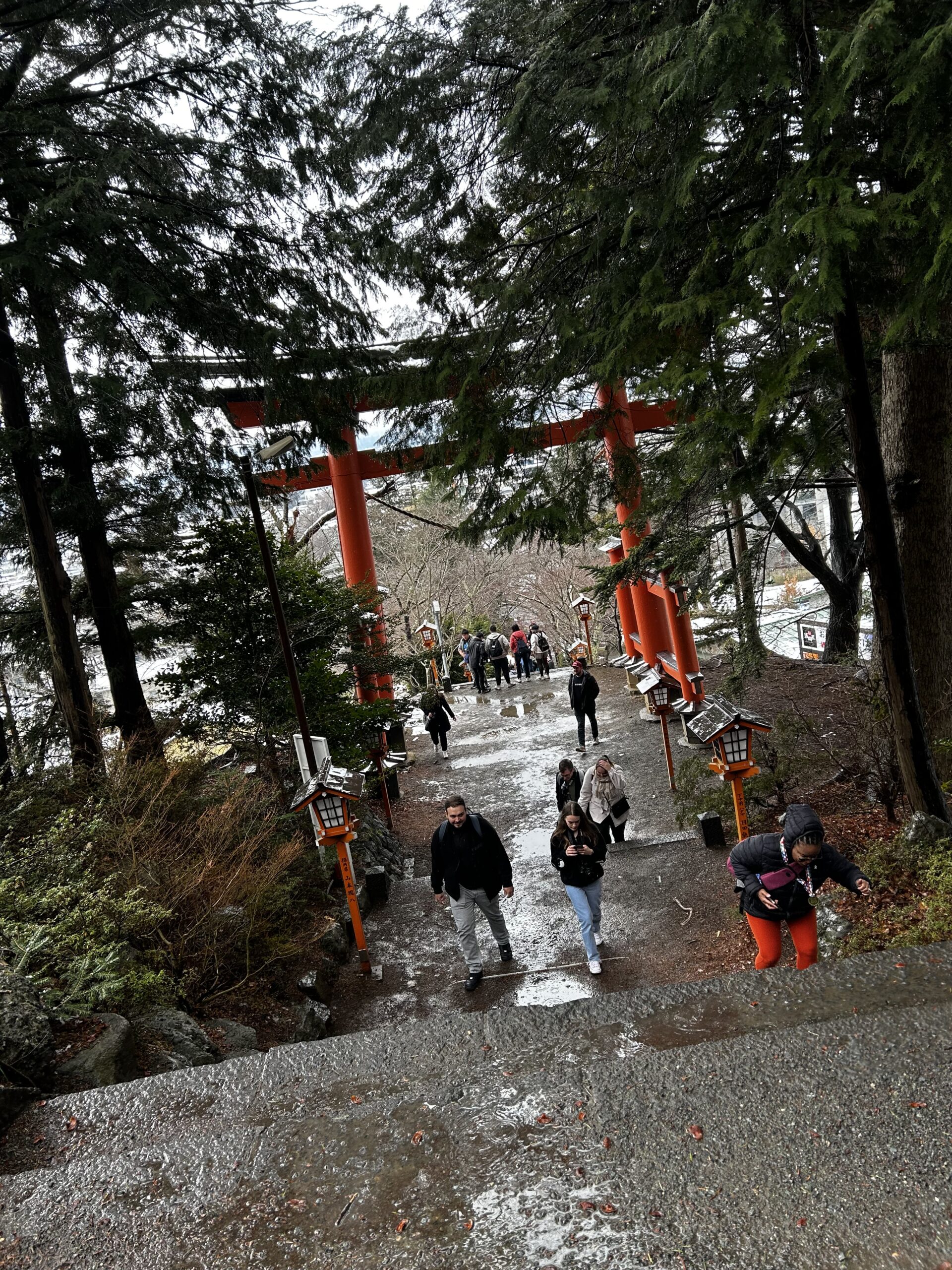
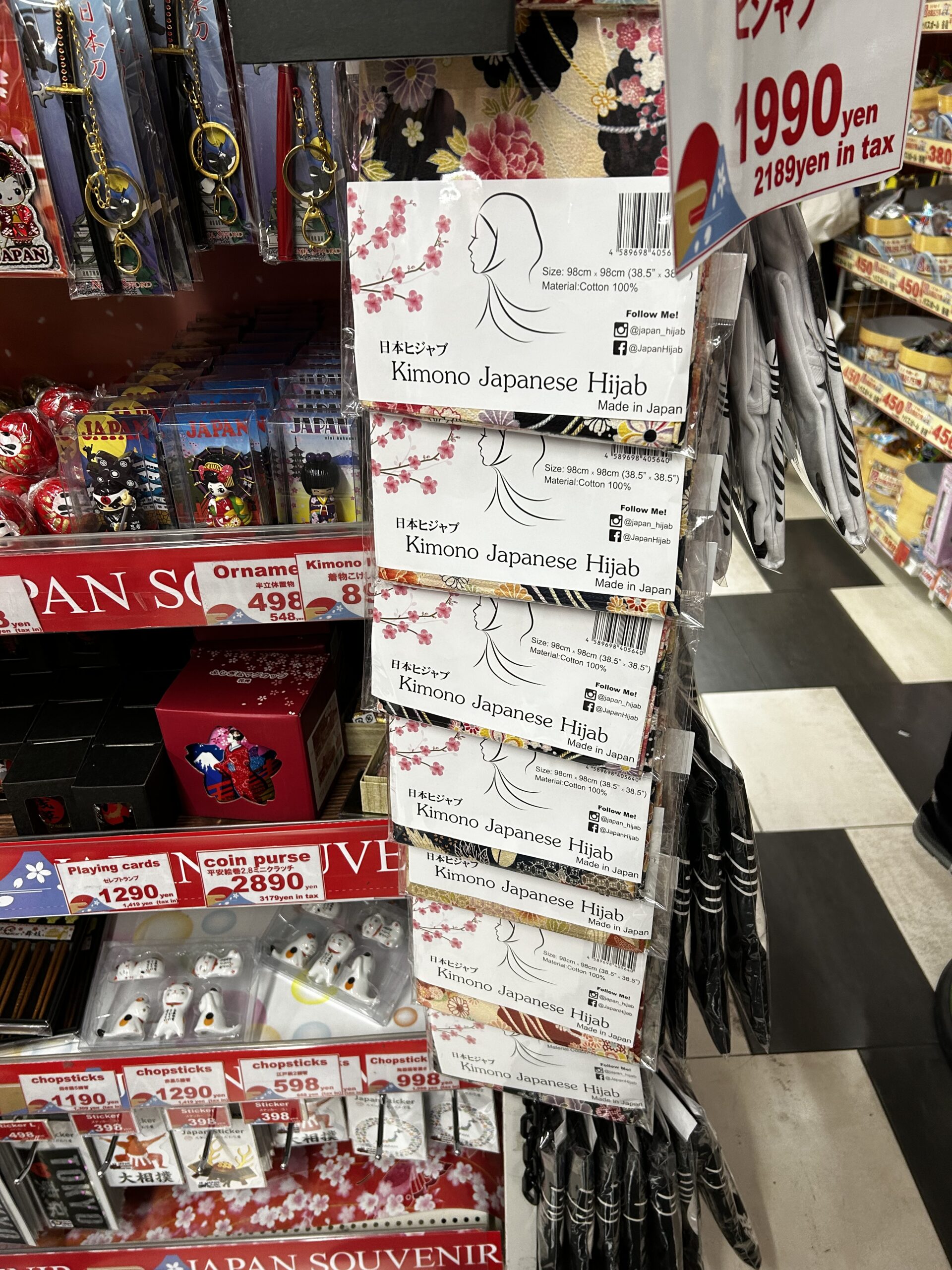
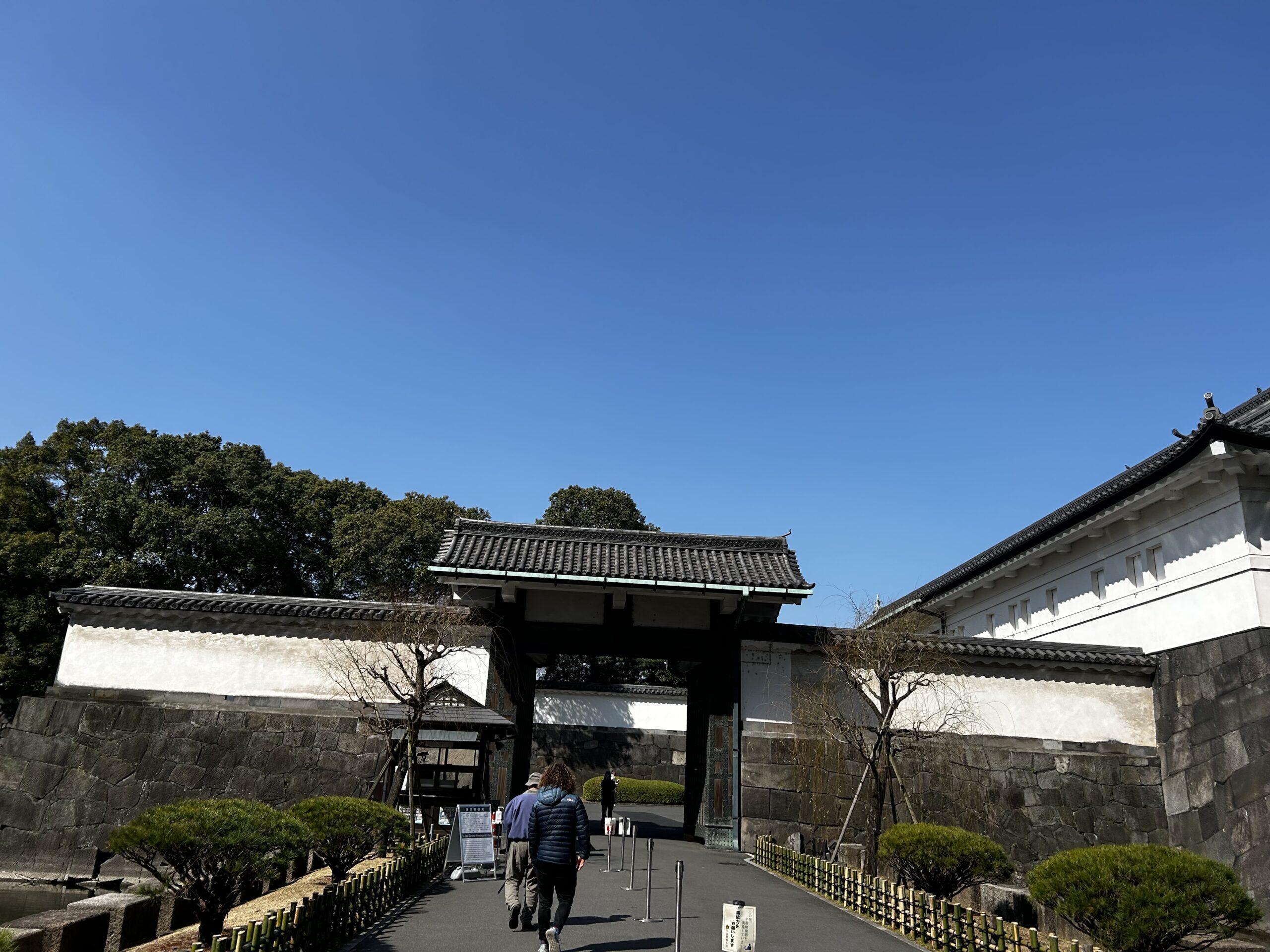
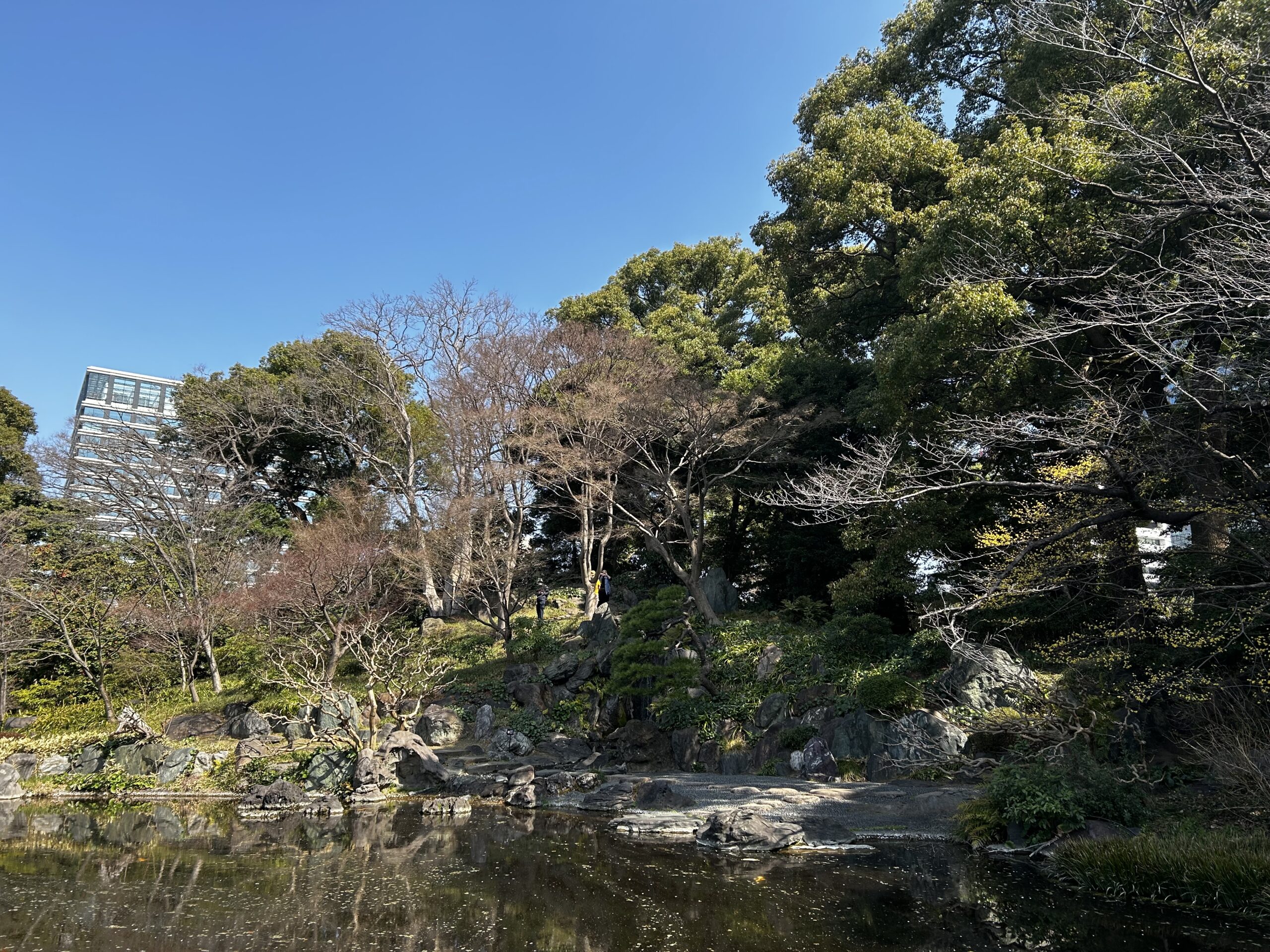
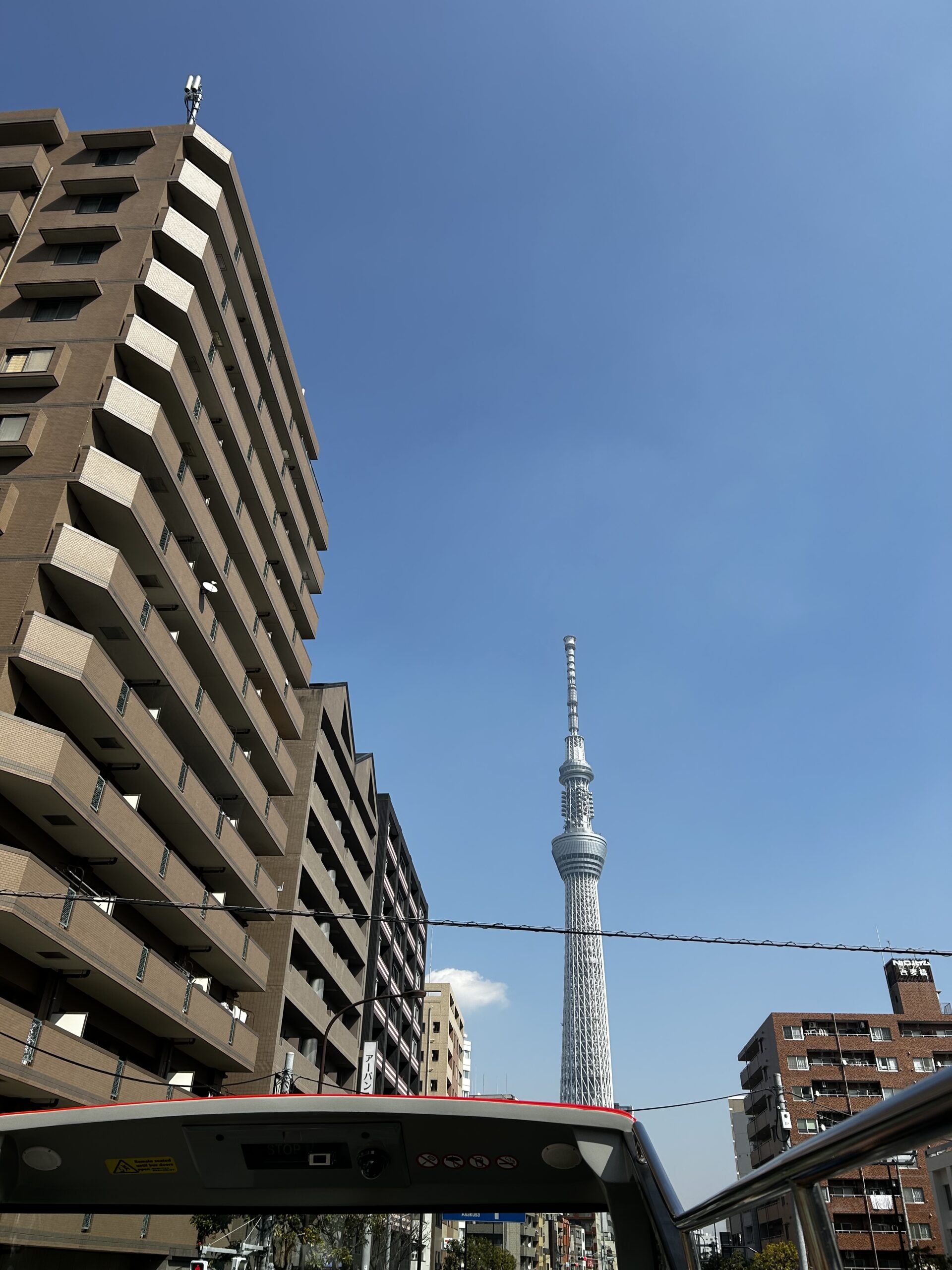
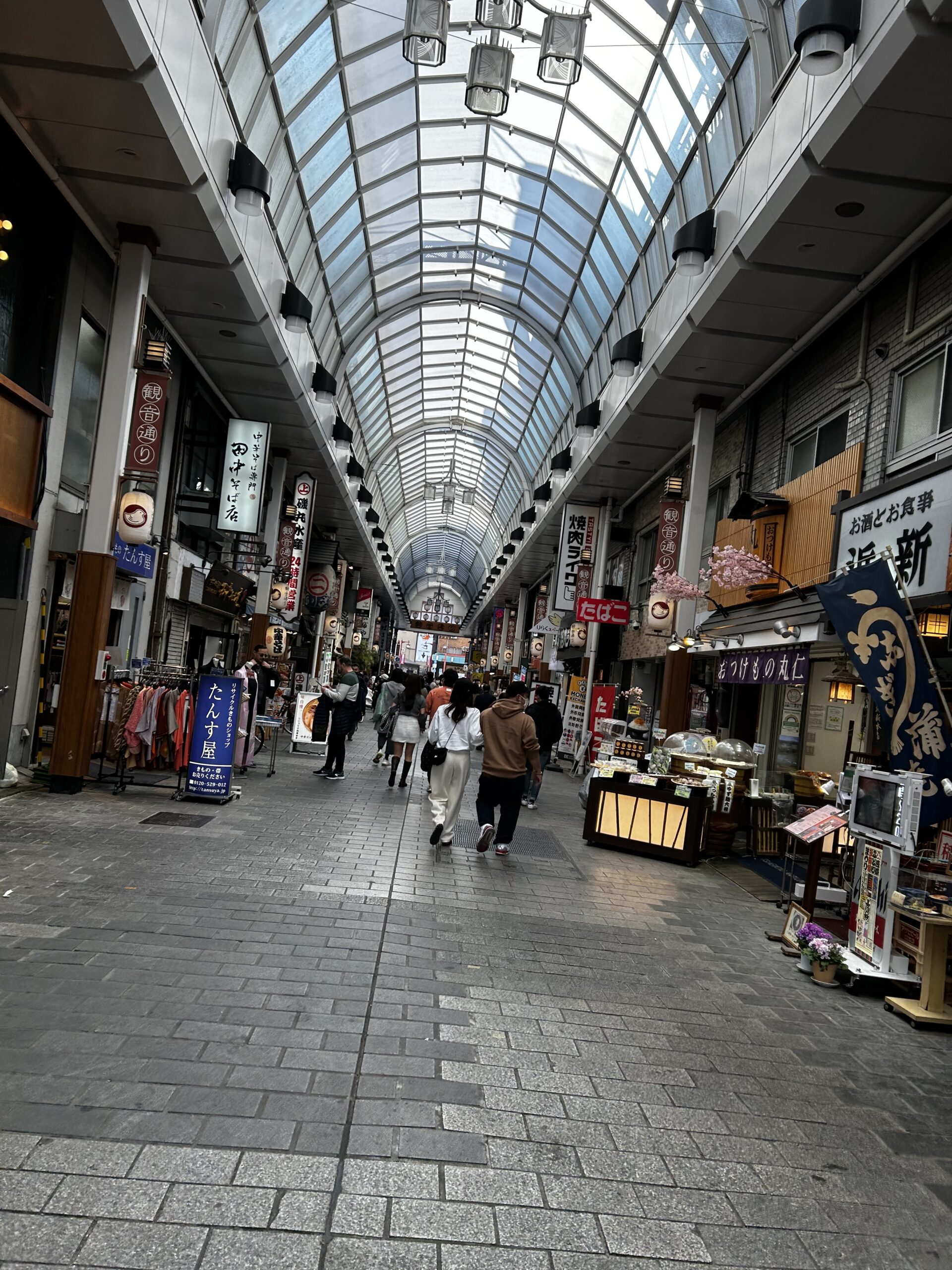
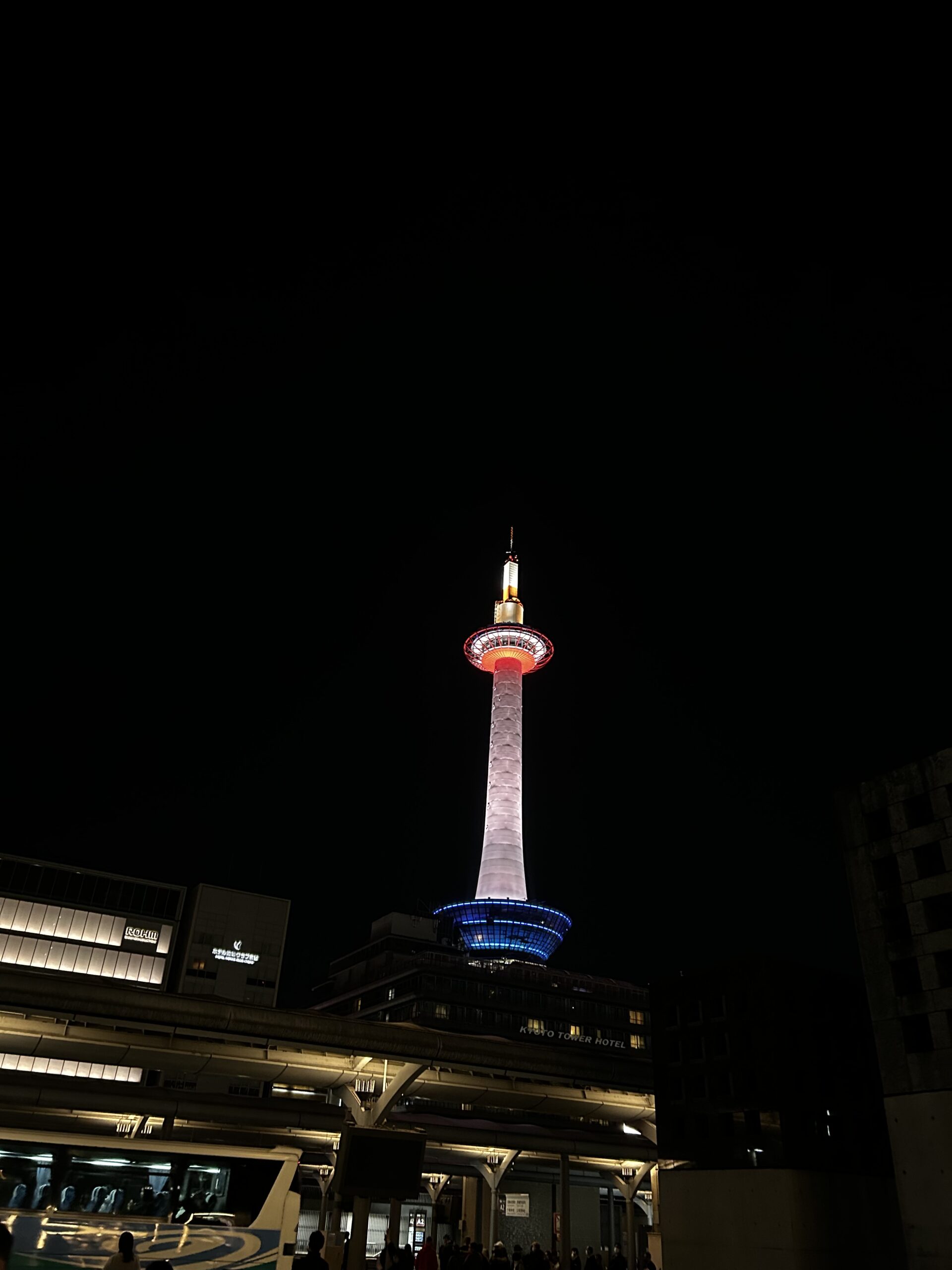
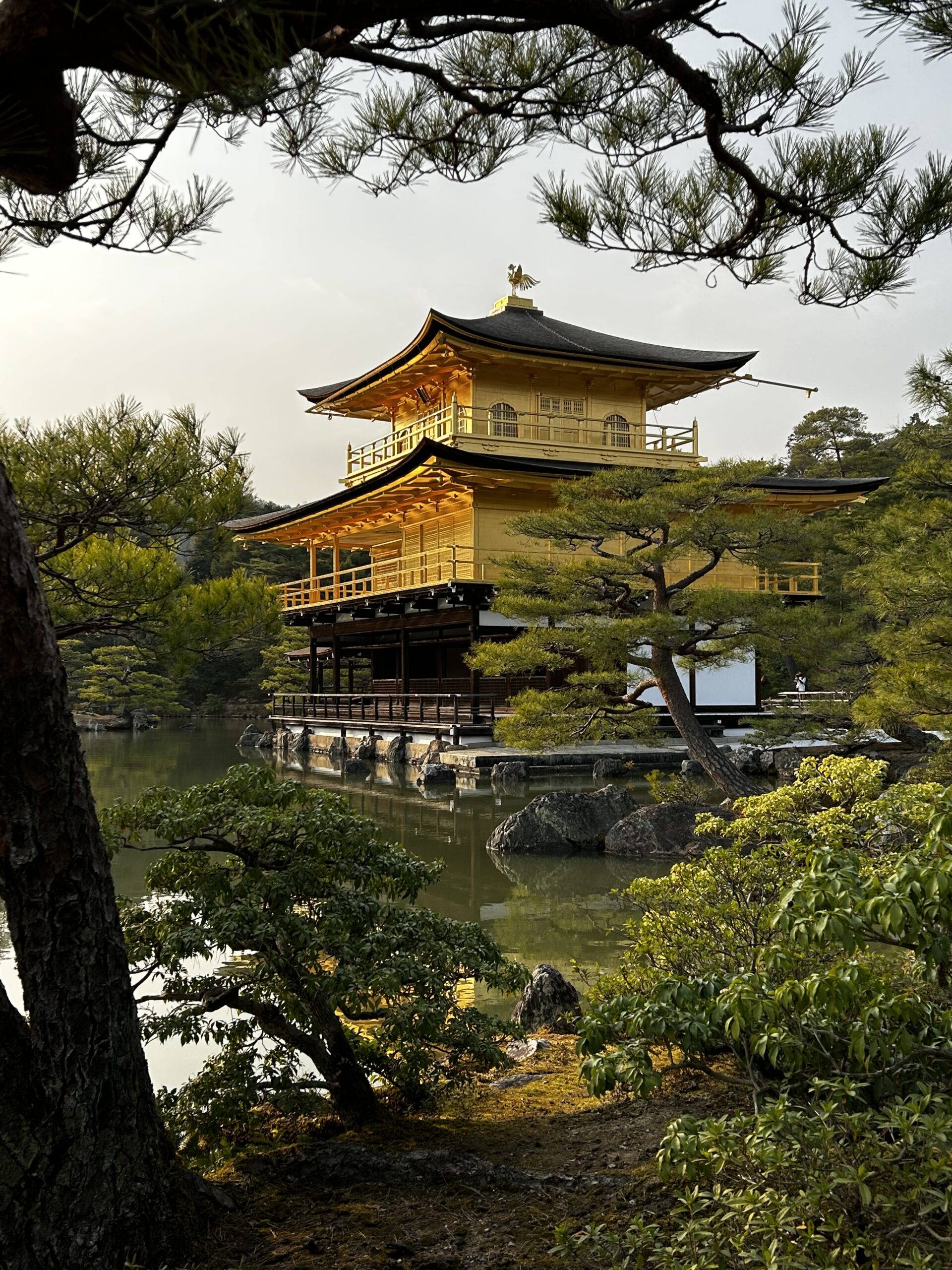
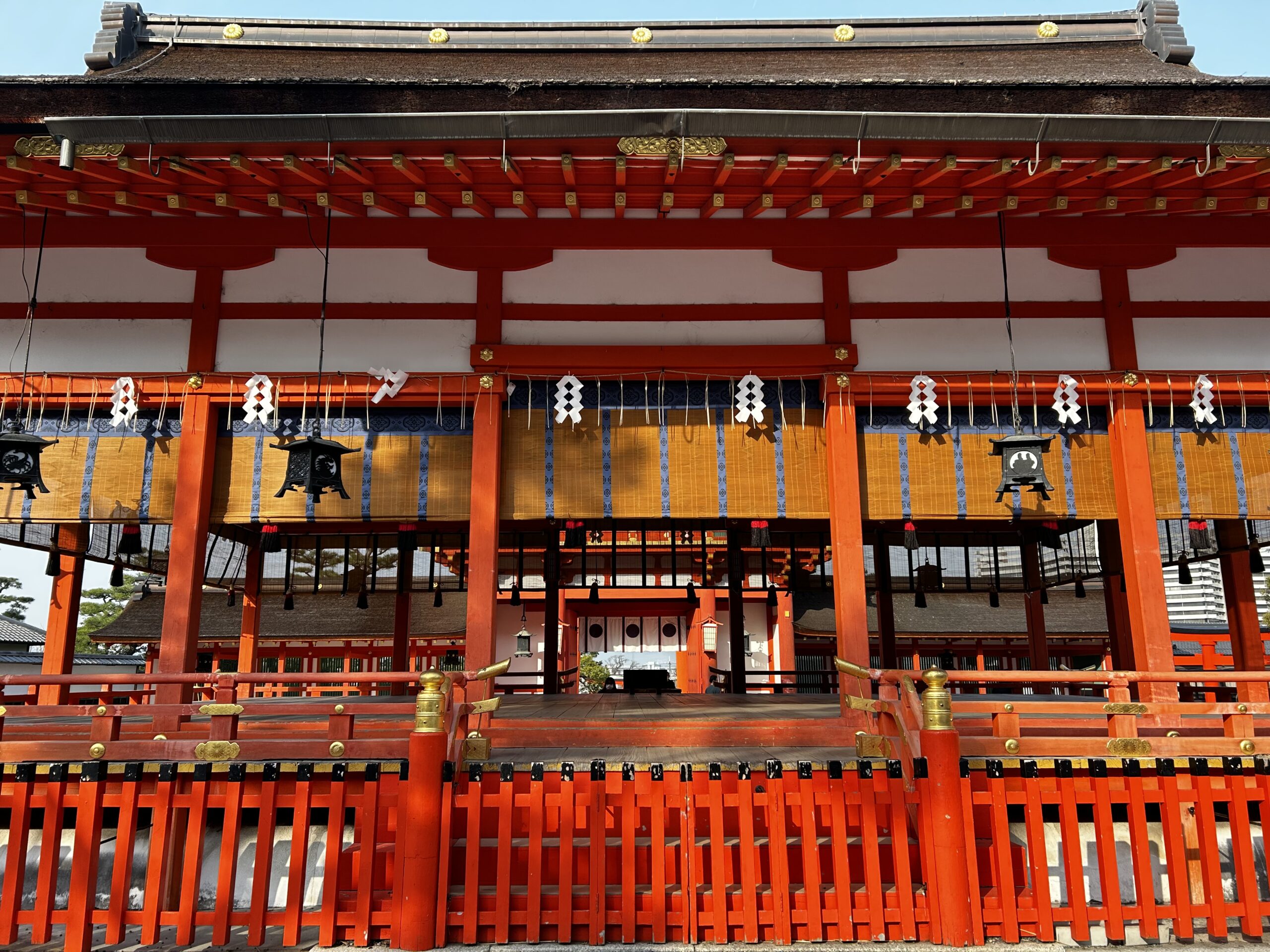
Japan is the most organized, cleanest, and most quietly fascinating country I have ever visited. Everything works exactly as it should. Trains run to the second. Convenience stores sell better food than most restaurants in other countries. And then you turn a corner and find a thousand-year-old shrine tucked between skyscrapers, and it all makes sense somehow.
Getting Around
The Japan Rail Pass is worth it if you are moving between cities. Buy it before you leave home — it cannot be purchased in Japan at the same price. The IC card (Suica or Pasmo) handles everything else: subways, local trains, buses, and even convenience store purchases. Load it once and you can travel for days without touching cash.
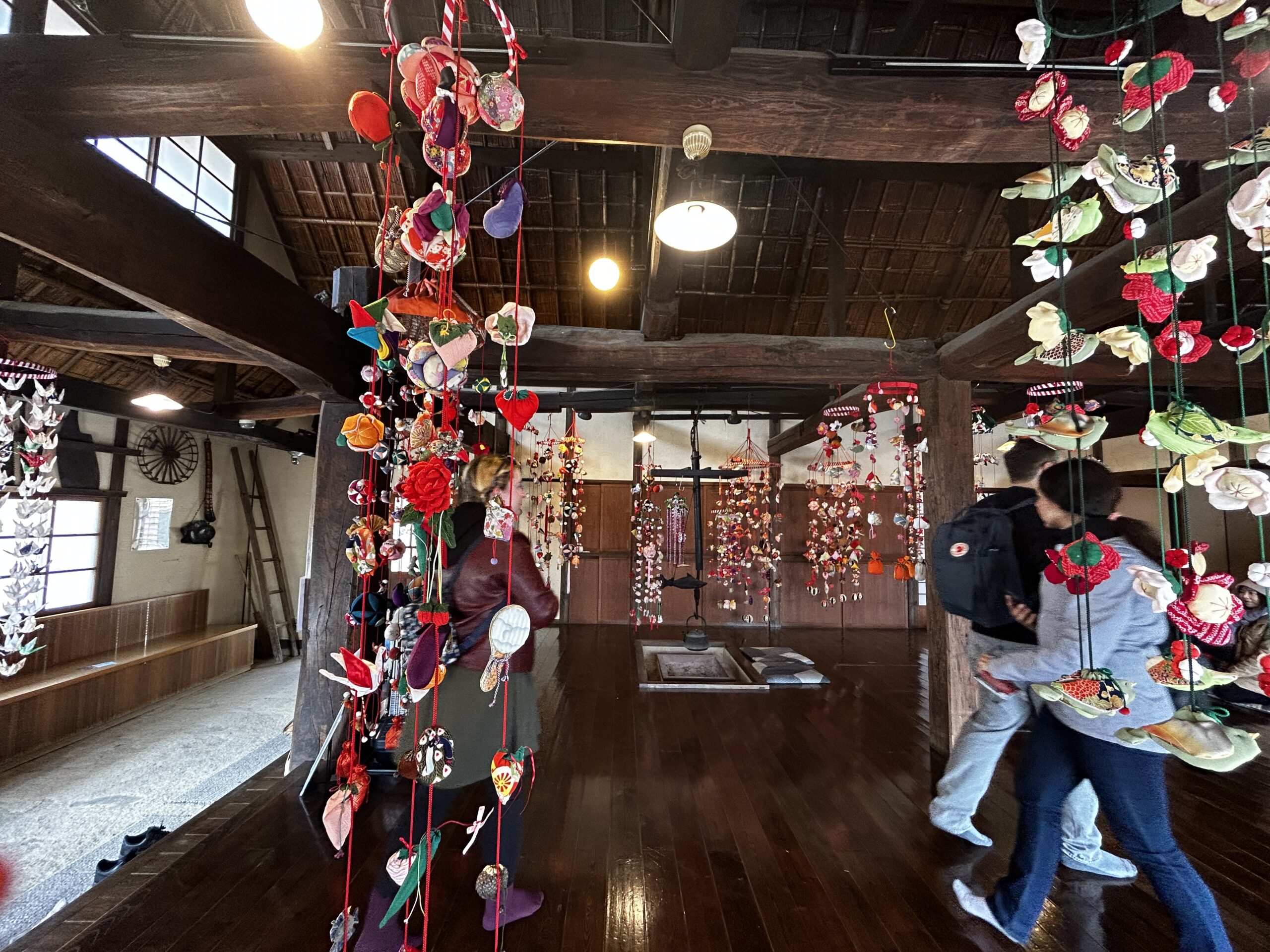
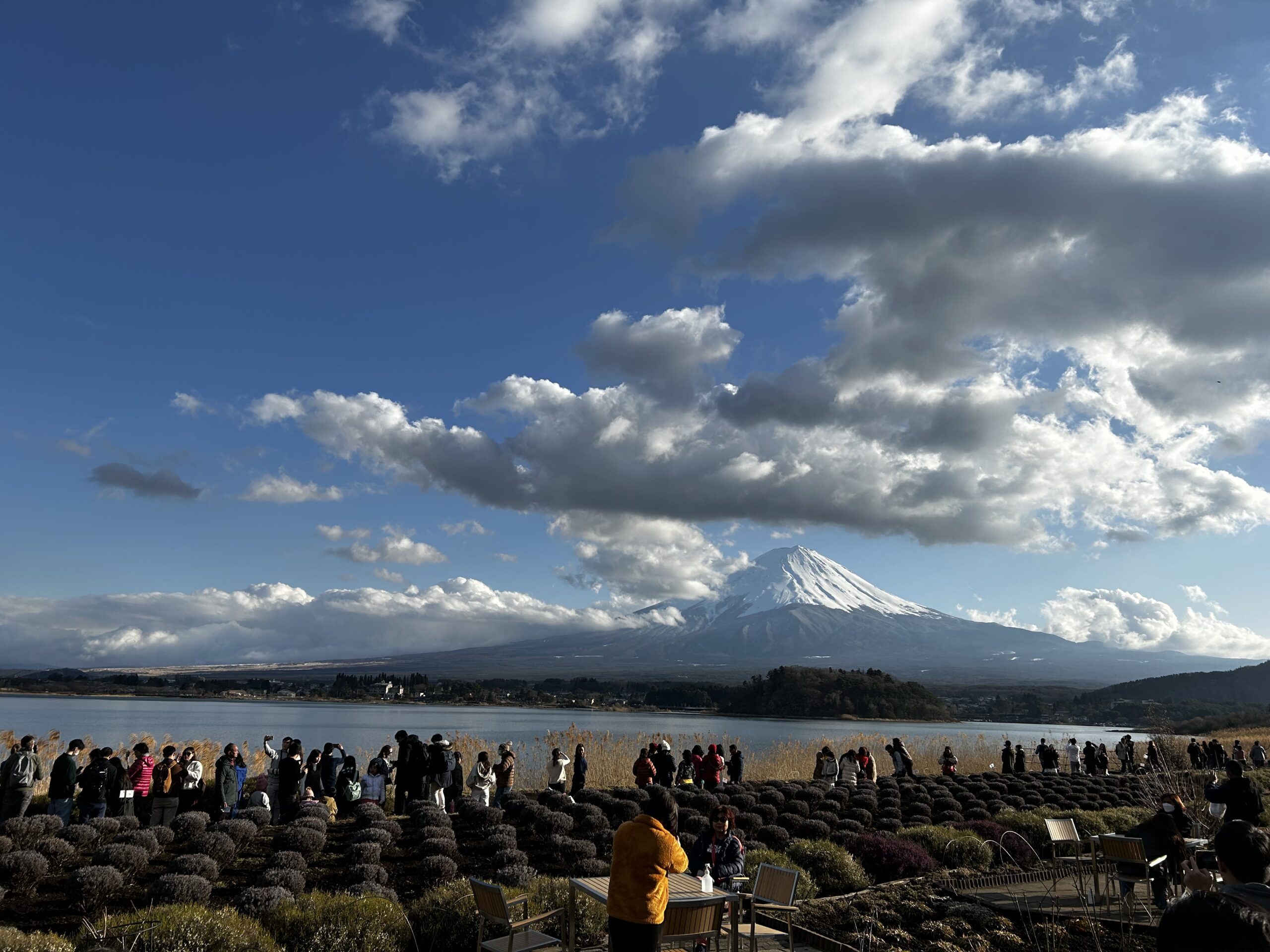
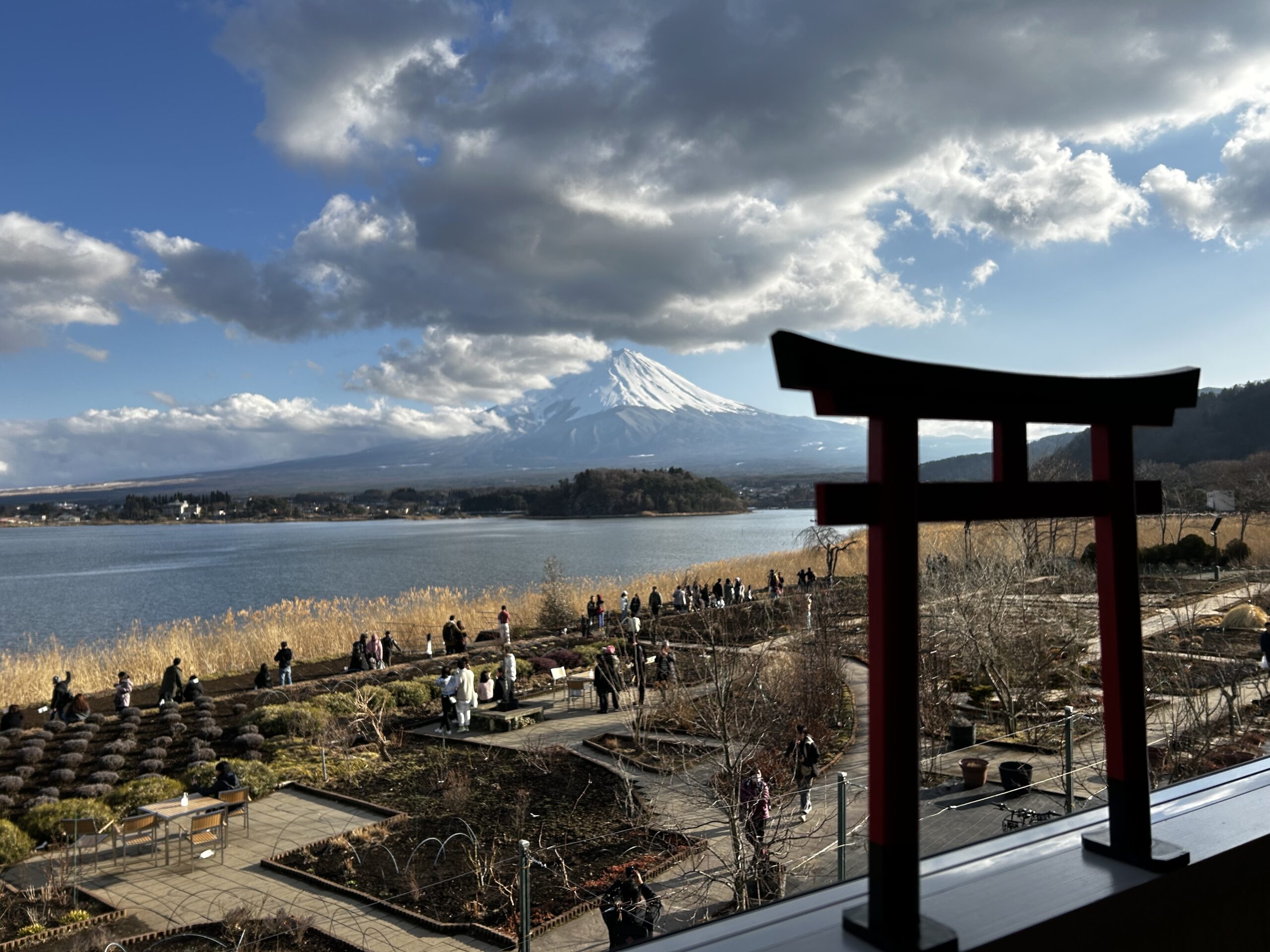
Food: Eat Everything
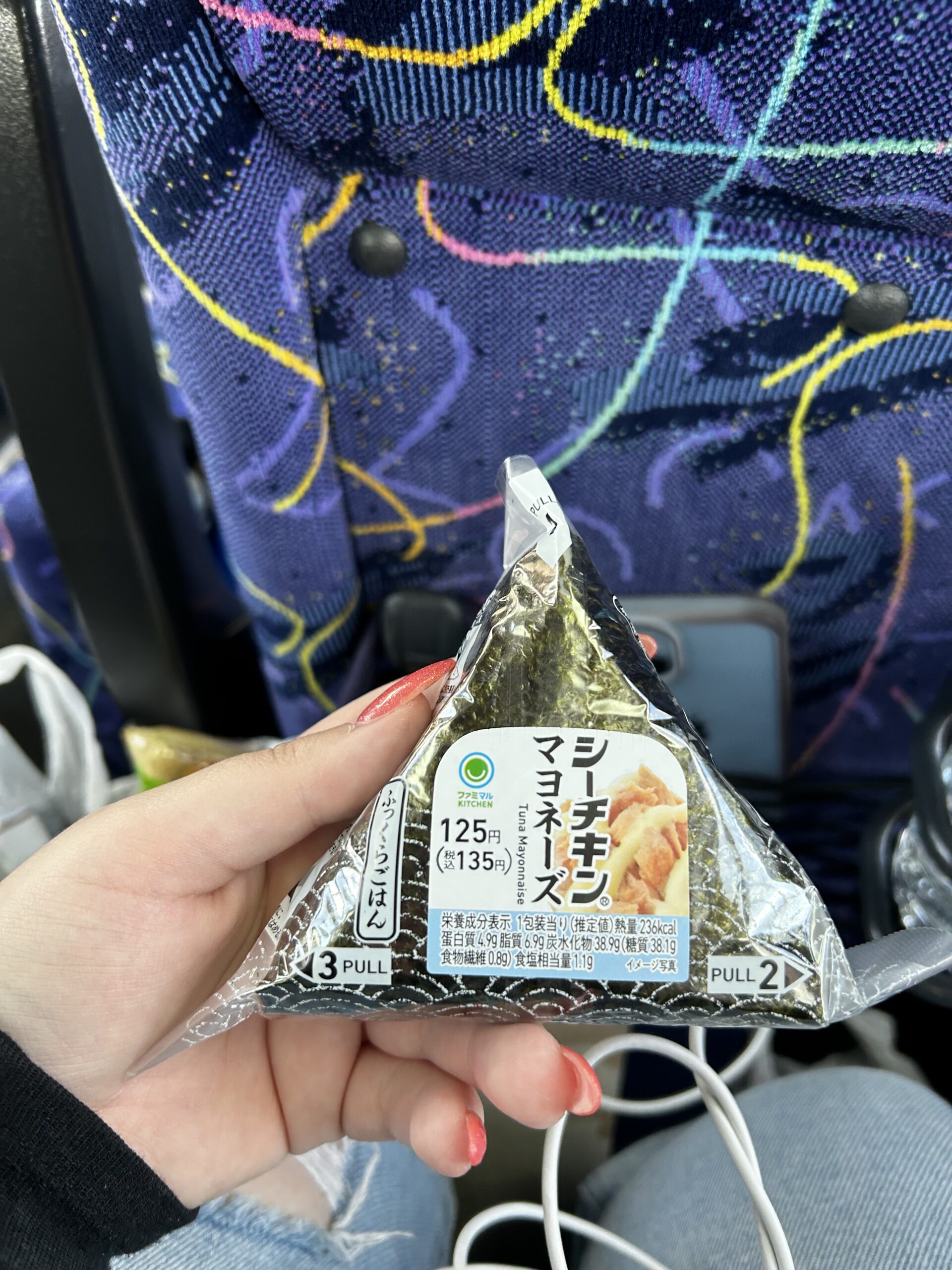
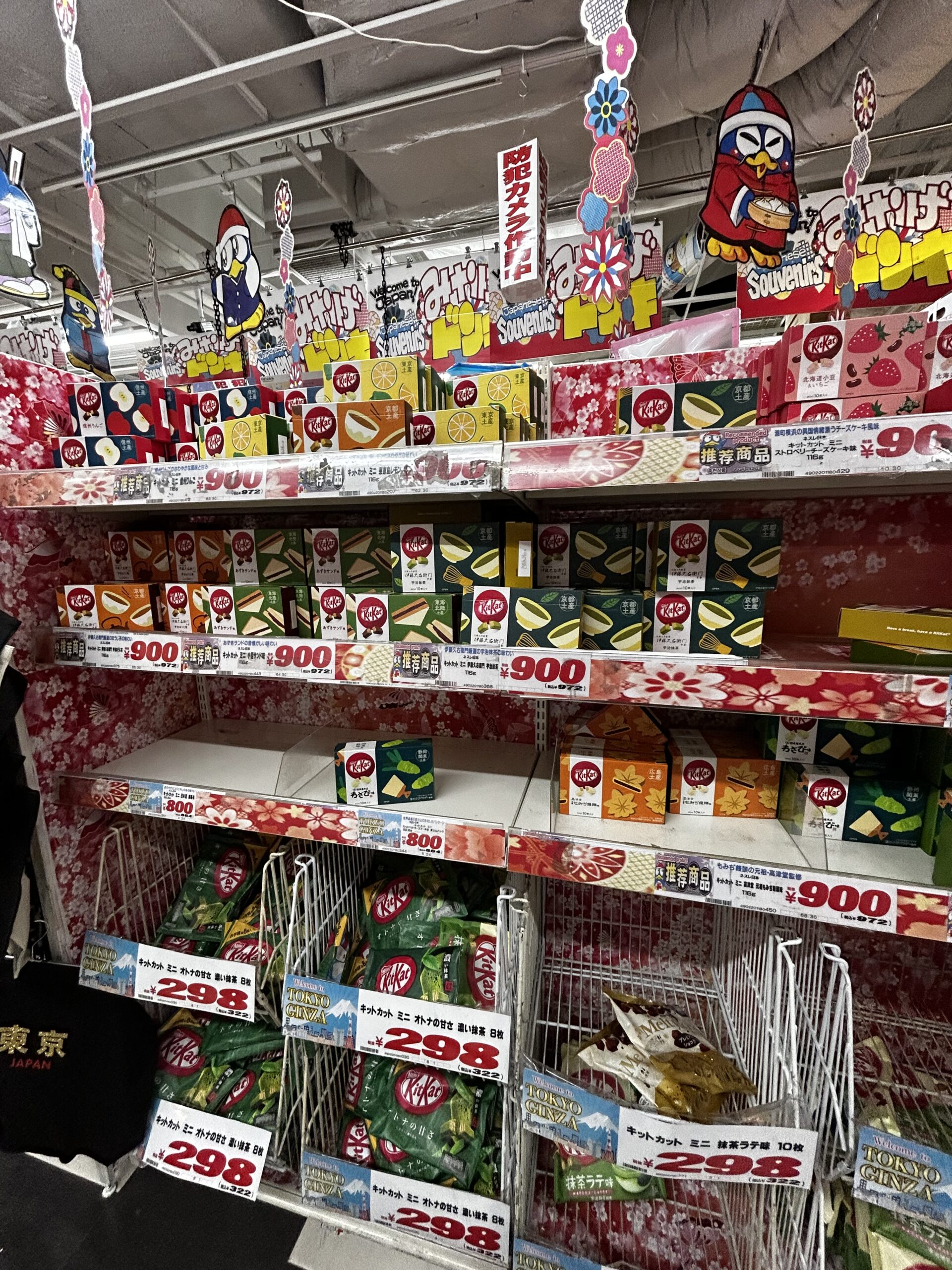
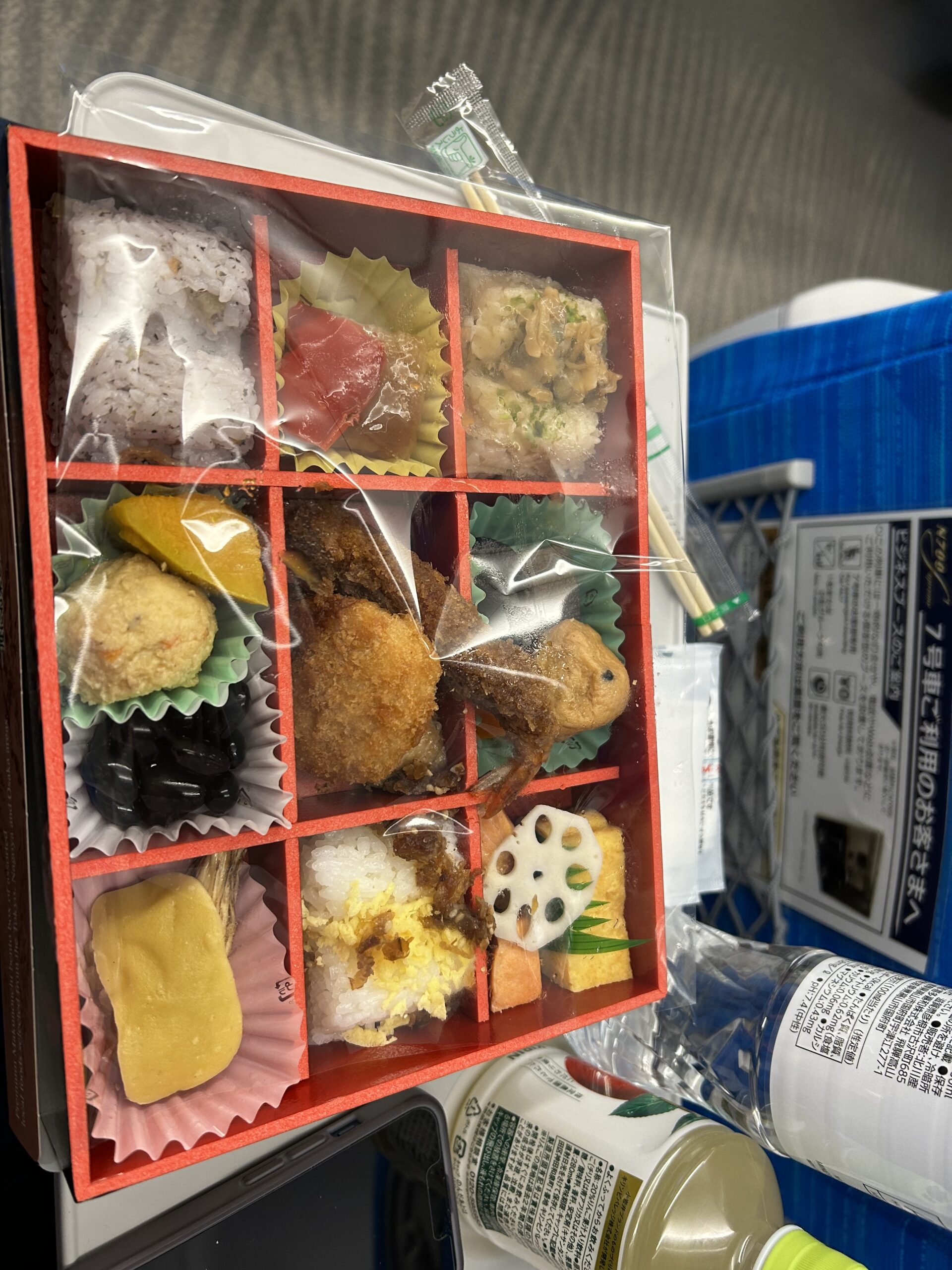
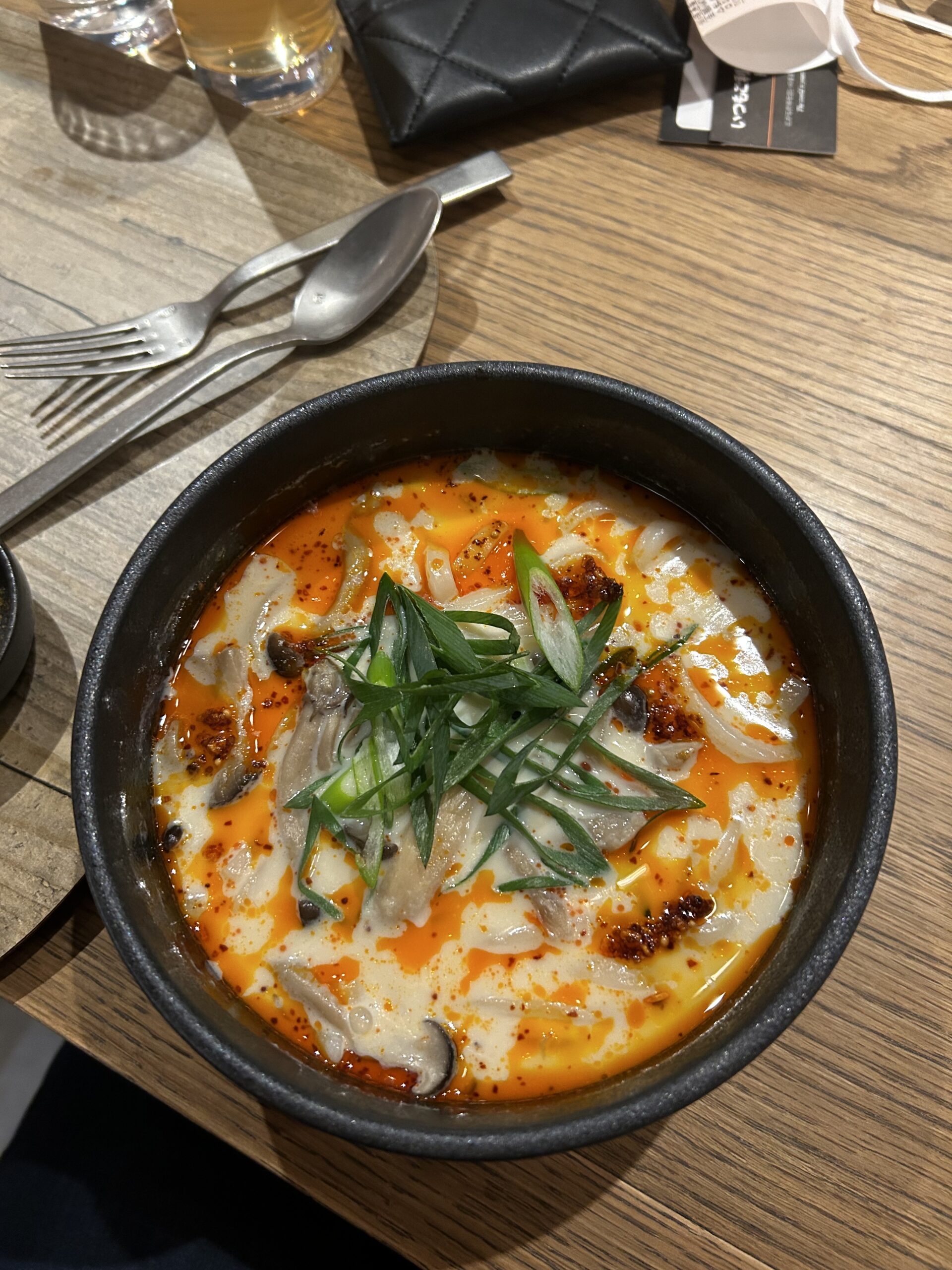
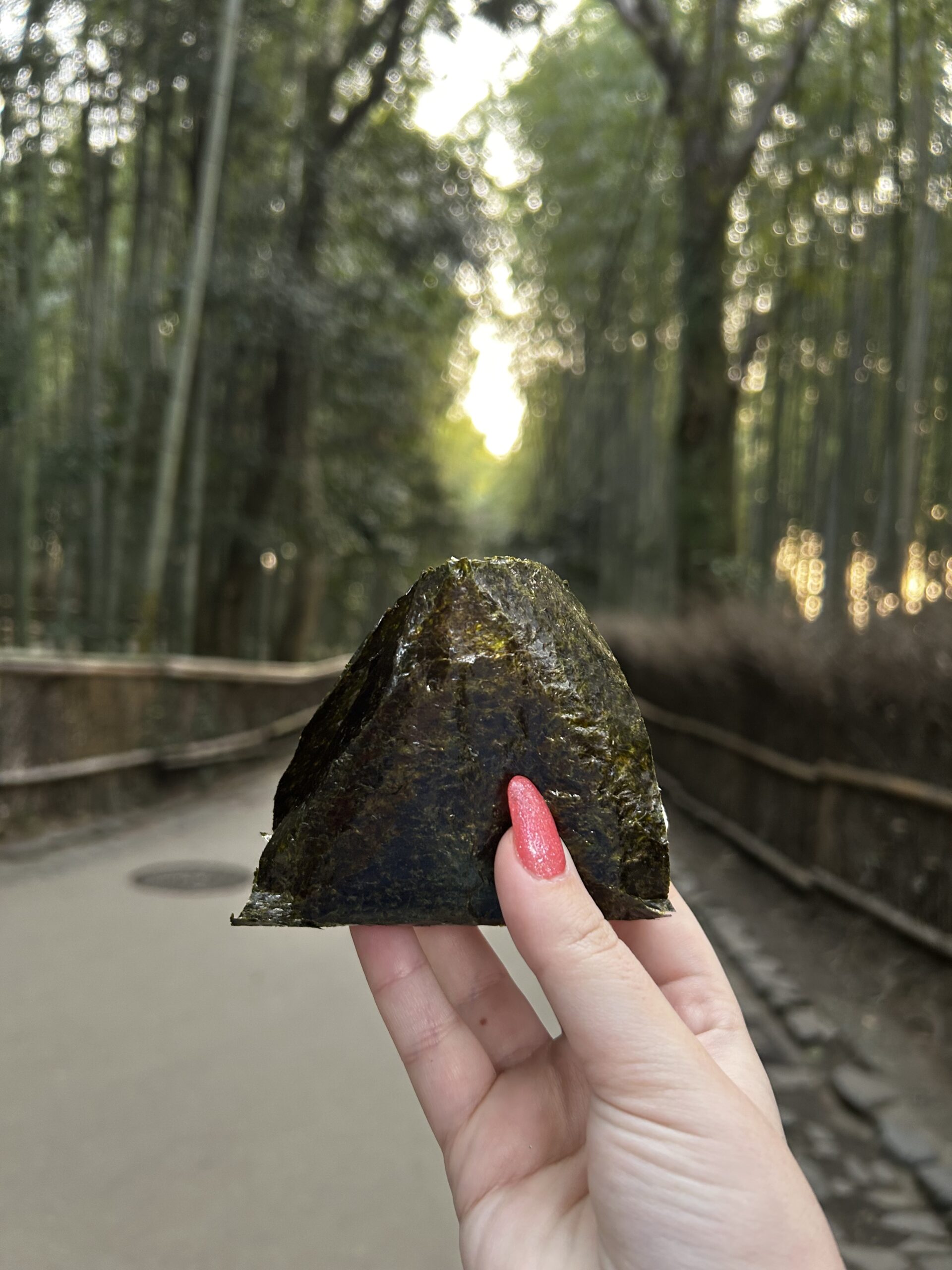
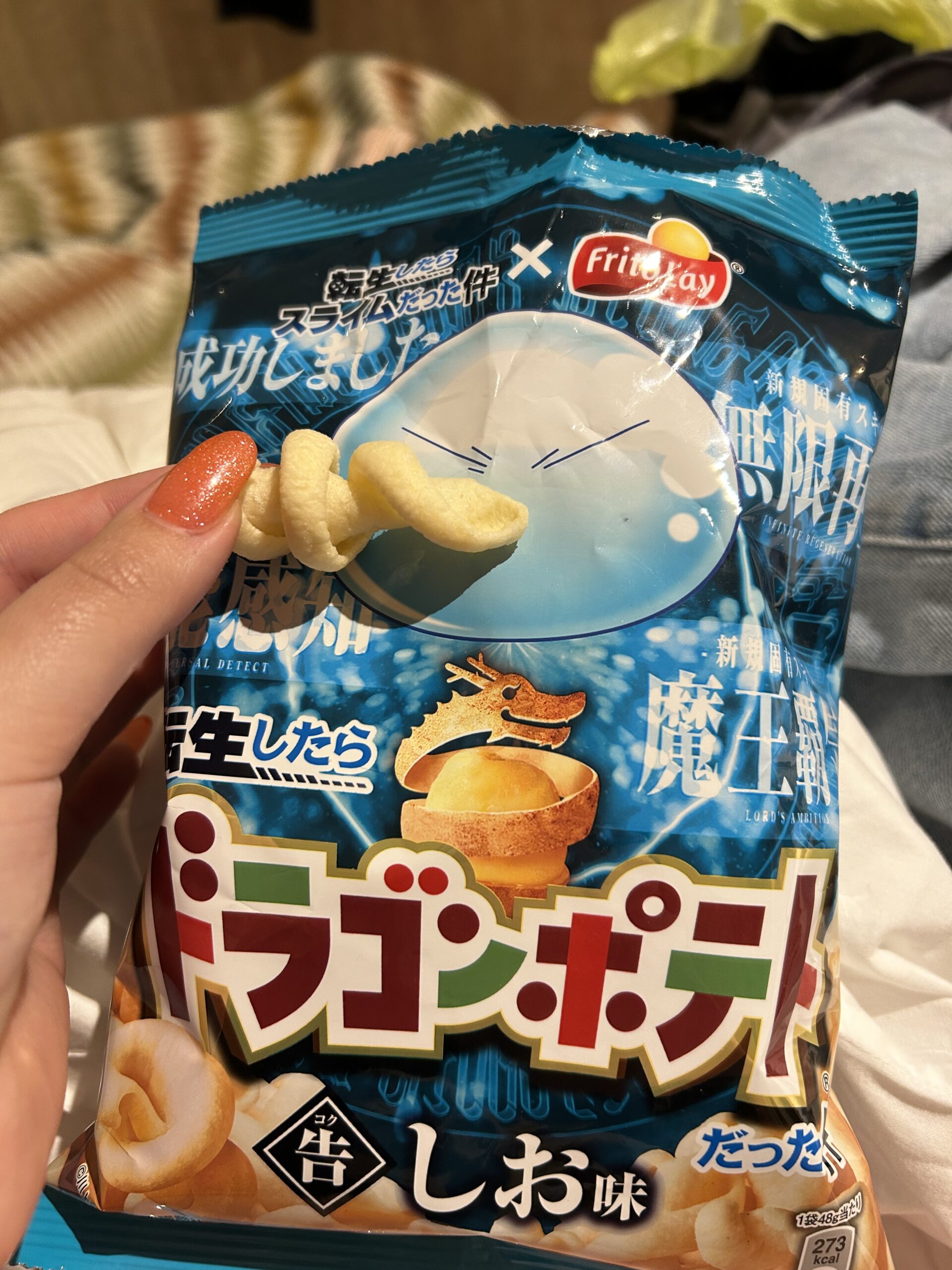
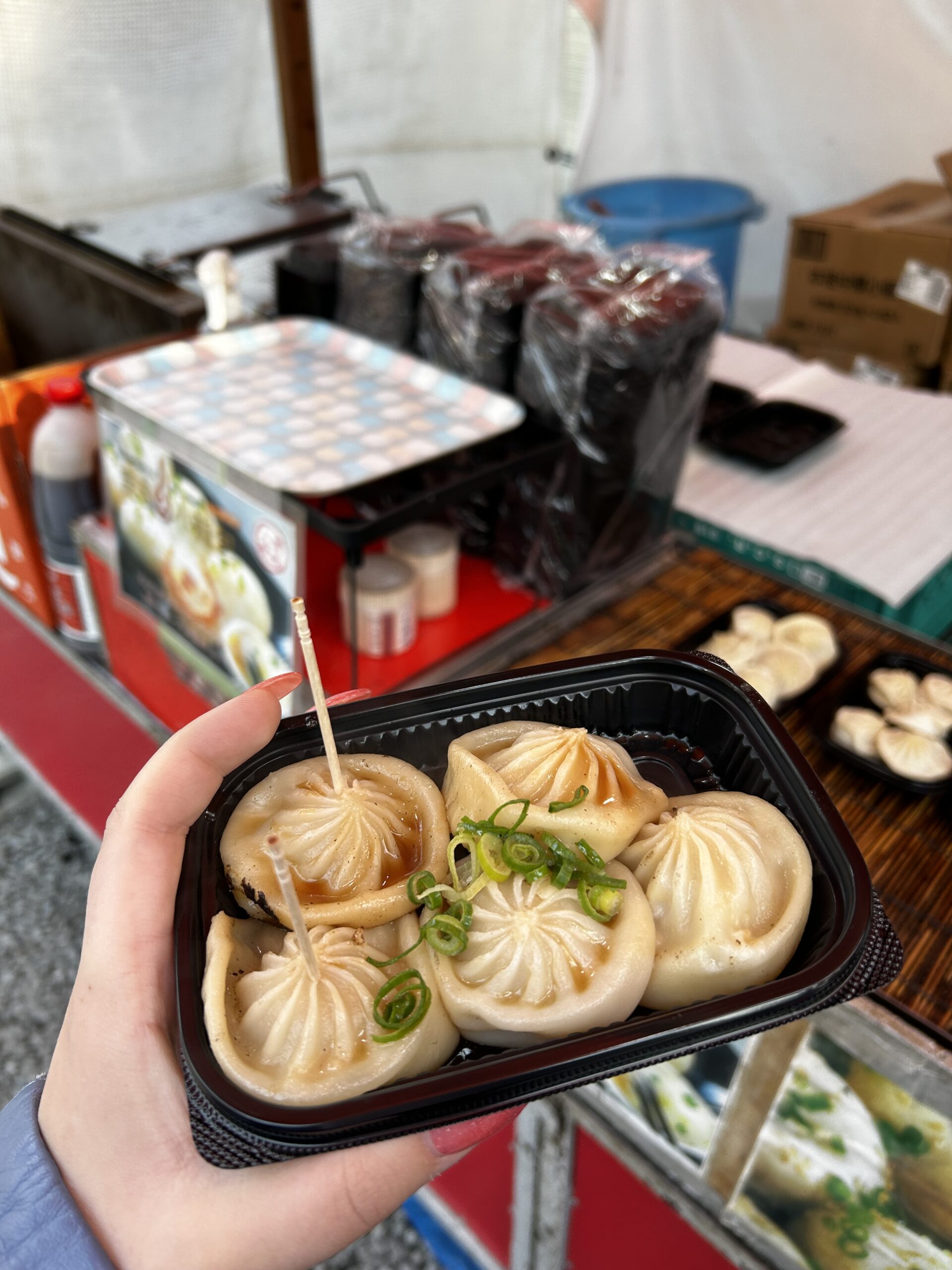
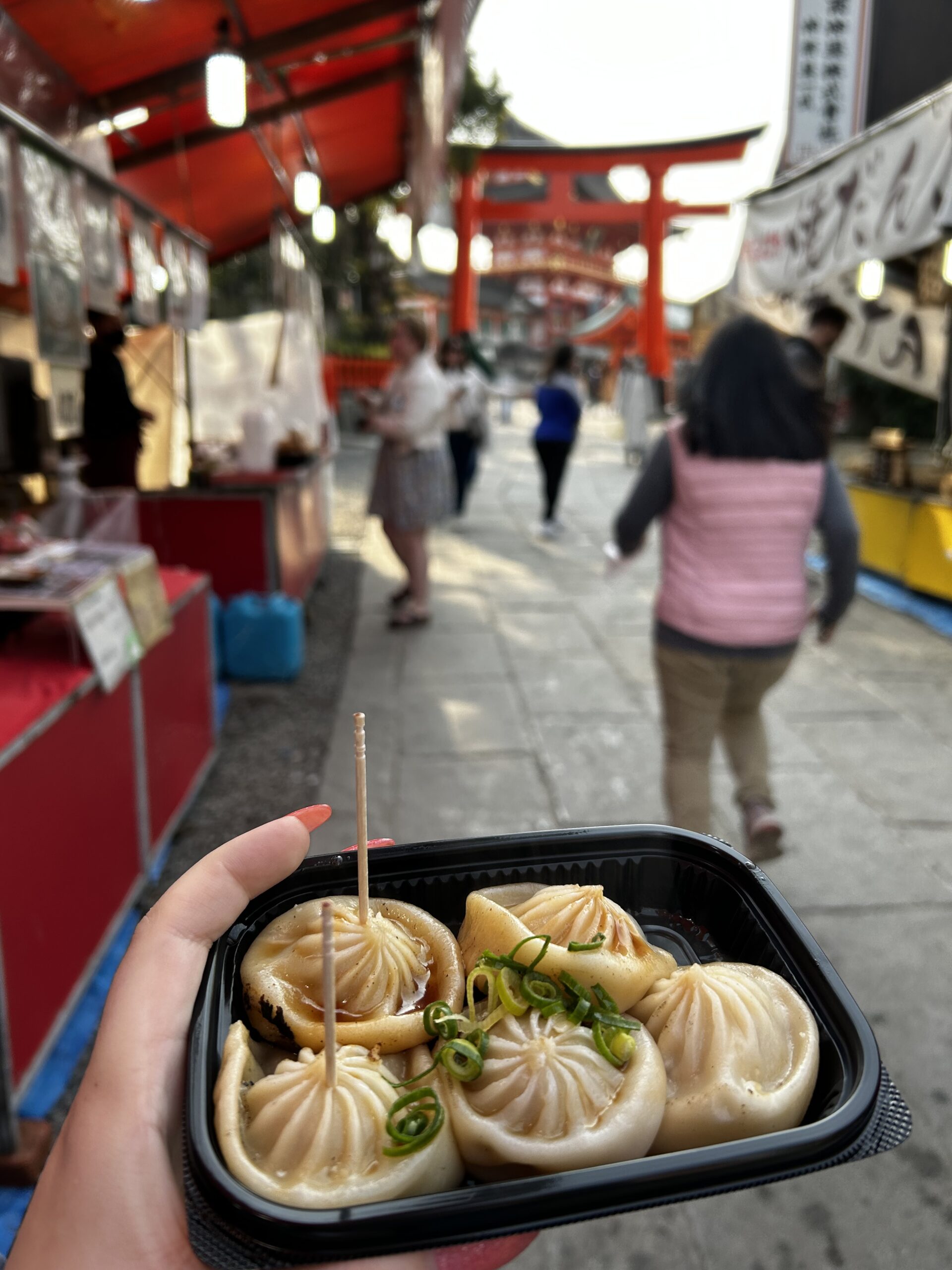
Conveyor belt sushi, ramen at midnight, convenience store onigiri at 7am — Japan made me rethink what food can be. A bowl of tonkotsu ramen at a tiny eight-seat counter near Shinjuku Station cost about six dollars and was one of the best things I have ever eaten. The konbini (convenience stores) are genuinely good. 7-Eleven in Japan is not the same as 7-Eleven anywhere else on earth.
What Surprised Me Most
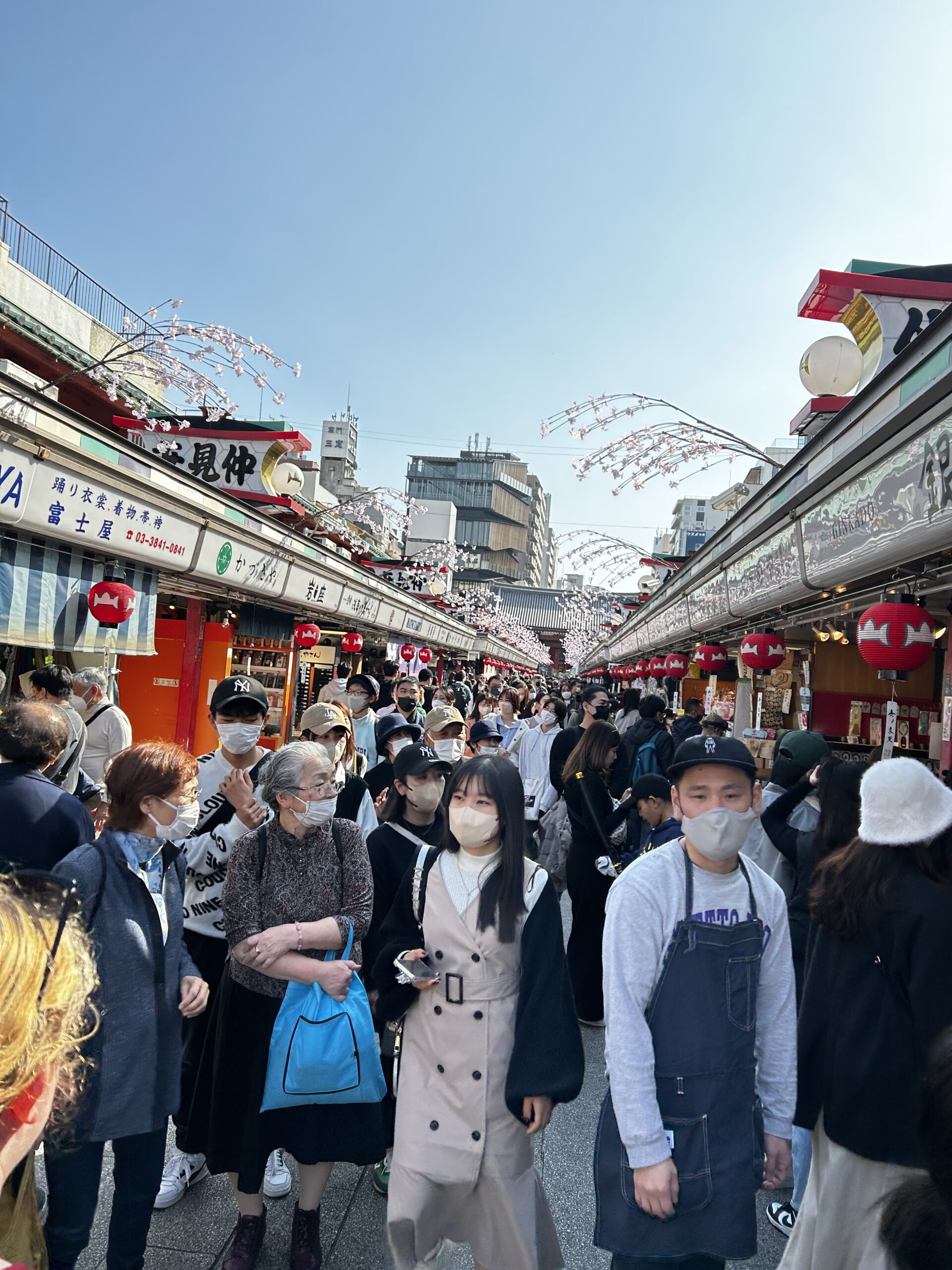
The silence. Not quiet exactly — cities are loud — but there is an absence of confrontation, chaos, and unpredictability that makes Japan feel like the most relaxing place to travel despite being one of the most densely populated. Nobody is trying to sell you anything. Nobody honks. Strangers will go out of their way to help you navigate if you look confused, and then bow and walk away before you can thank them properly.
Practical Tips
- Get a pocket wifi or SIM at the airport. Google Maps in Japan is more reliable than anywhere else in the world. You will use it constantly.
- Cash still matters. Many small restaurants, shrines, and rural businesses are cash-only. ATMs at 7-Eleven and Japan Post accept foreign cards reliably.
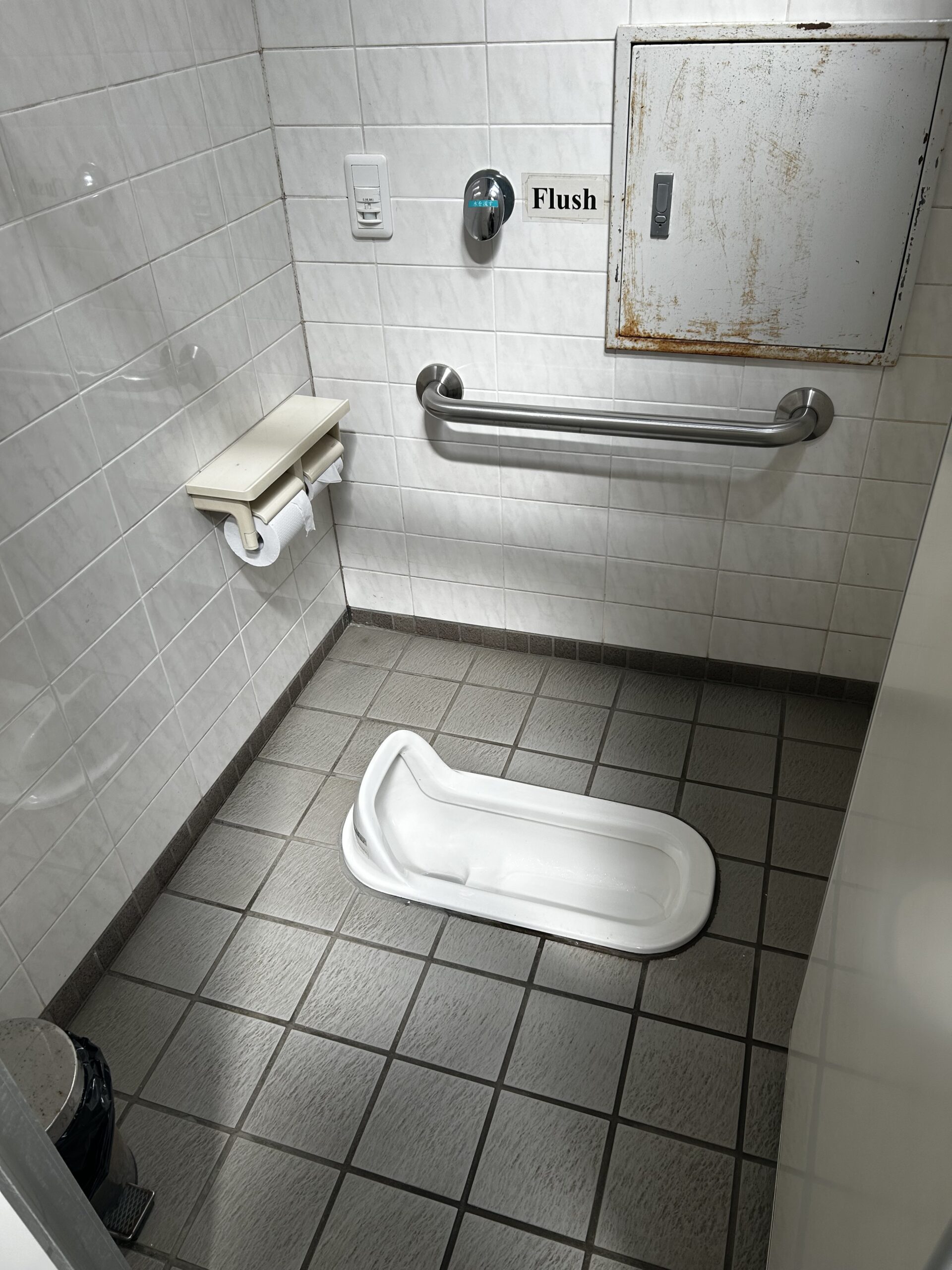
- Shoes you can slip on and off. You will remove your shoes constantly — temples, traditional restaurants, some ryokan. Laces are annoying.
- Book popular restaurants in advance. The best ramen spots and izakayas fill up fast, especially in Tokyo and Kyoto.
- Rush hour on Tokyo trains is real. Avoid the subway between 7:30 and 9am if at all possible.


Related Reading
What Made This Particular Trip to Japan Different
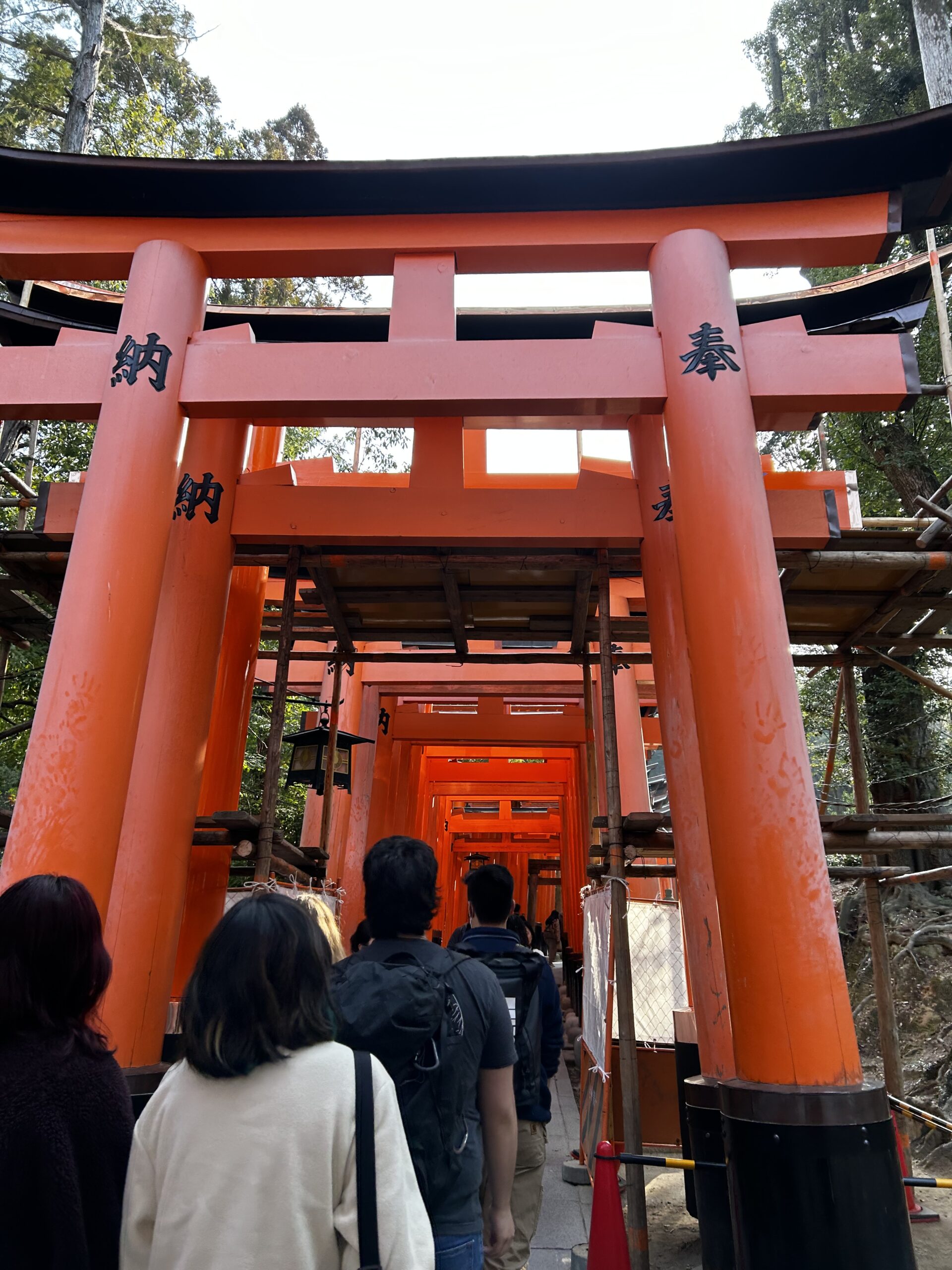
Japan reopened to independent tourists in October 2022 after being completely closed to tourism for over two years during COVID. The country we visited was noticeably different from the pre-pandemic Japan that travel blogs still described. Fewer international tourists meant shorter lines at temples in Kyoto — Fushimi Inari at sunrise was almost empty, something that would have been impossible in 2019.
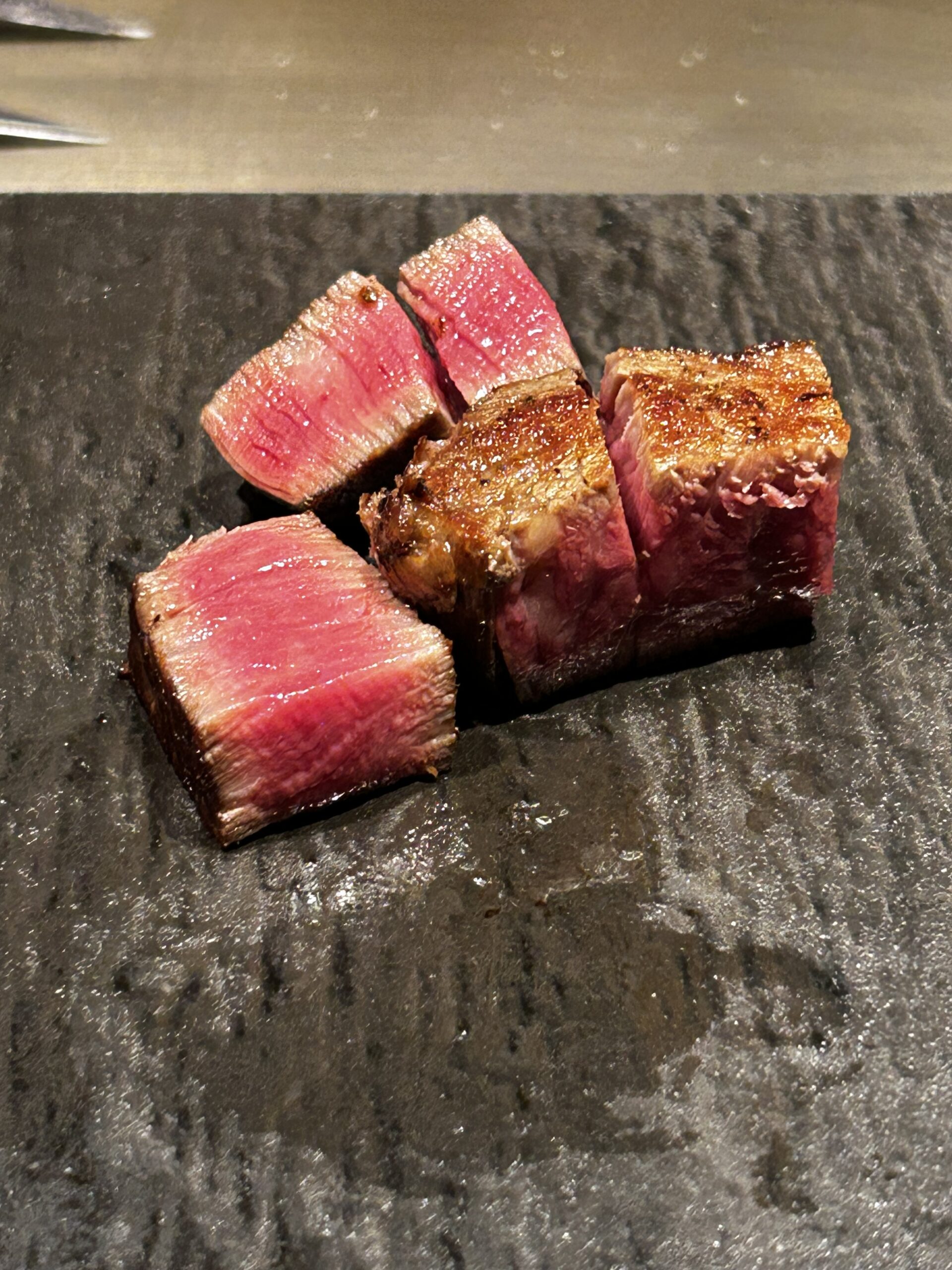
The yen was historically weak during our visit, making Japan surprisingly affordable. A bowl of ramen that would cost the equivalent of $15 in New York was $6 in Tokyo. Omakase dinners that Michelin-starred restaurants in the US charge $300 for were $80 in Ginza. This window of affordability has been slowly closing as the yen recovers, so if you went when we did, you got a deal that may not exist by the time you read this.
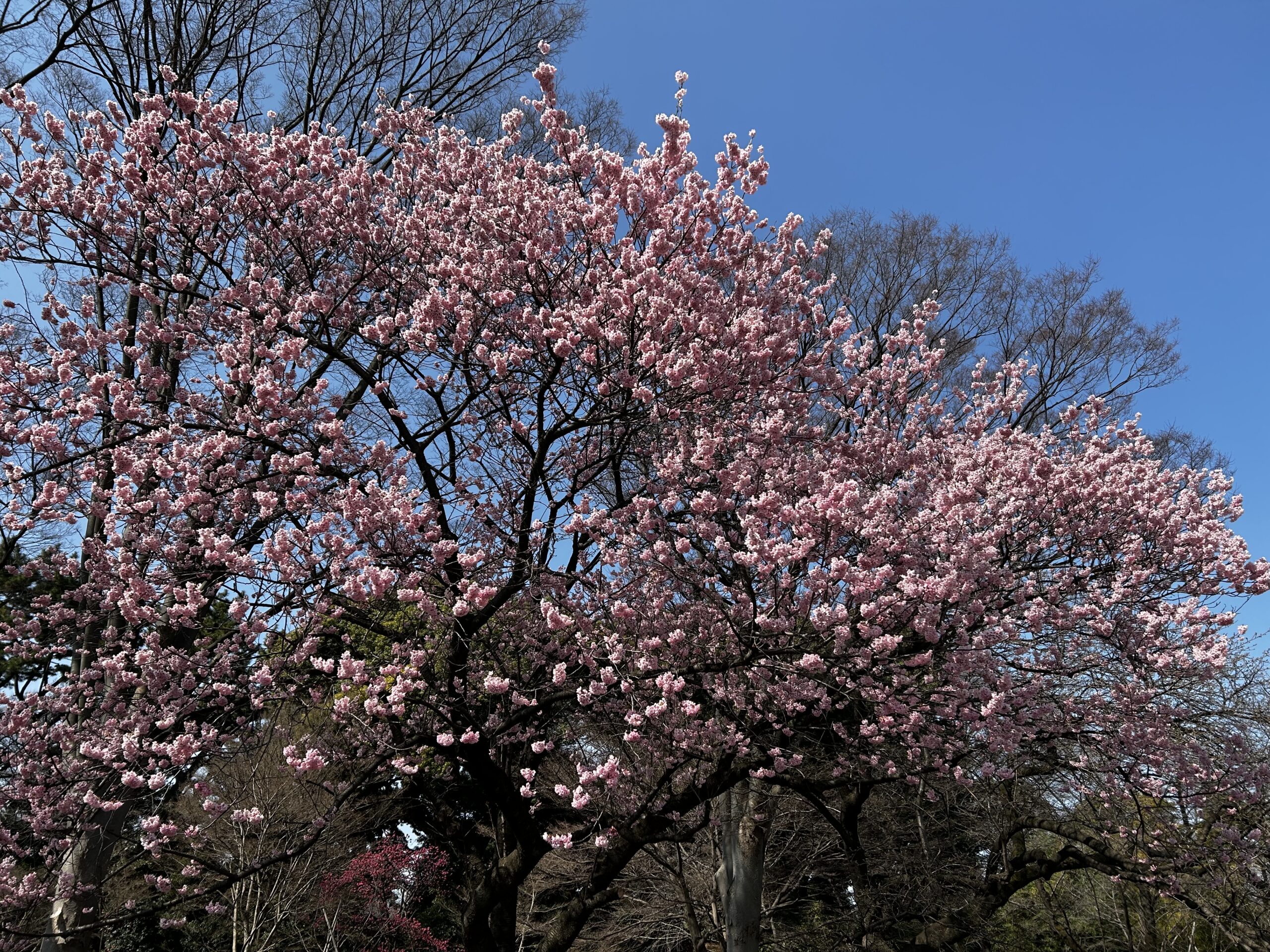
We caught the tail end of the autumn foliage (koyo) season at several temples in Kyoto. The Japanese Meteorological Agency actually publishes detailed forecasts of when the leaves will peak at specific locations — and the maples at Tofuku-ji were at 90% color on the day we visited. The monks have been recording the first bloom of cherry blossoms and the peak of autumn color at this temple for over 600 years, making it one of the longest continuous phenological datasets in the world.
In Osaka, we ate at a tiny six-seat yakitori place in Shinsekai that had been open since 1965. The owner told us (through Google Translate and a lot of hand gestures) that he was the third generation to run it and that the grill had not been replaced once. The fat from sixty years of chicken had seasoned the metal in a way that, according to him, could never be replicated.
The Shinkansen (bullet train) hit its 60th anniversary of operation in 2024, and in all those decades, the average delay across the entire system is 54 seconds. Not 54 minutes — 54 seconds. We tested this: every single train we took arrived within a minute of the scheduled time. The platform markings for where each car door will stop are accurate to the centimeter.
Gear and Guides We Recommend
These are affiliate links. If you buy through them, we earn a small commission at no extra cost to you.
- Lonely Planet Japan – Still the most comprehensive single guidebook for first-timers.
- Osprey Farpoint 40 Travel Backpack – Fits carry-on and doubles as a day bag.
- Anker Nano Power Bank – Essential for long days of navigating with your phone.
- eSIM International Data – Works across Japan without swapping SIM cards.