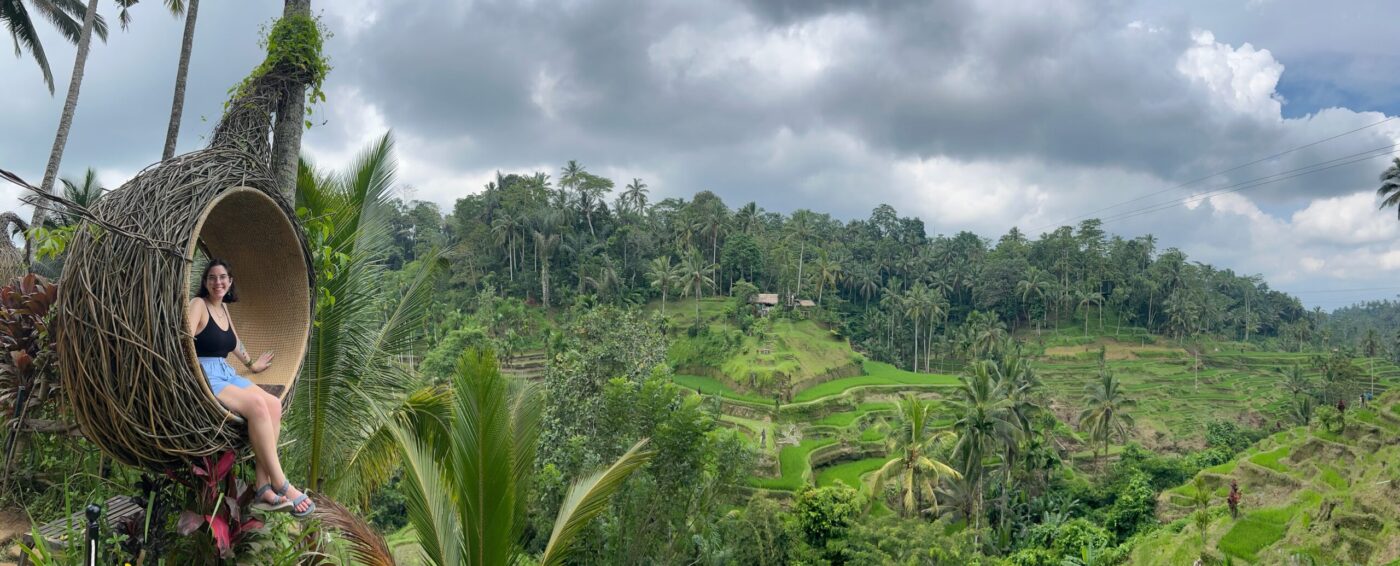
Four days in Rome felt about right. Enough time to hit the major sites without turning it into a death march, enough evenings to eat pasta twice a day and not feel bad about it. Here’s what actually worked.
The Big Three: Colosseum, Pantheon, and the Forum
Everyone comes to Rome for these three, and they deserve the hype — but the logistics around them will ruin your trip if you’re not careful.
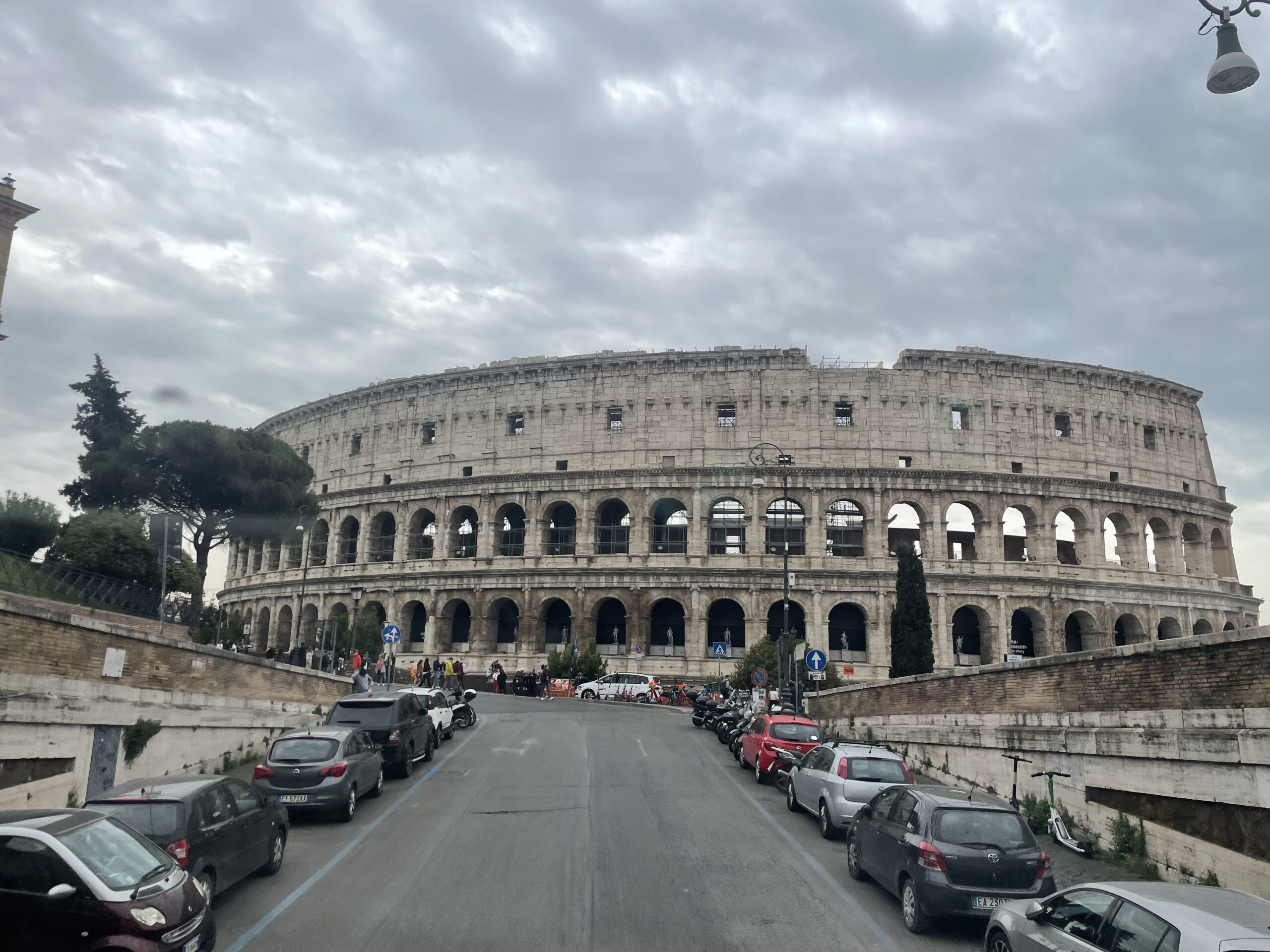
The Colosseum requires timed entry tickets bought in advance. Don’t show up hoping to walk in — the line without a reservation is legitimately brutal, often 2-3 hours in summer. Book at coopculture.it. The arena floor add-on is worth it if available; you stand where the gladiators did, which lands differently than just walking the stands.
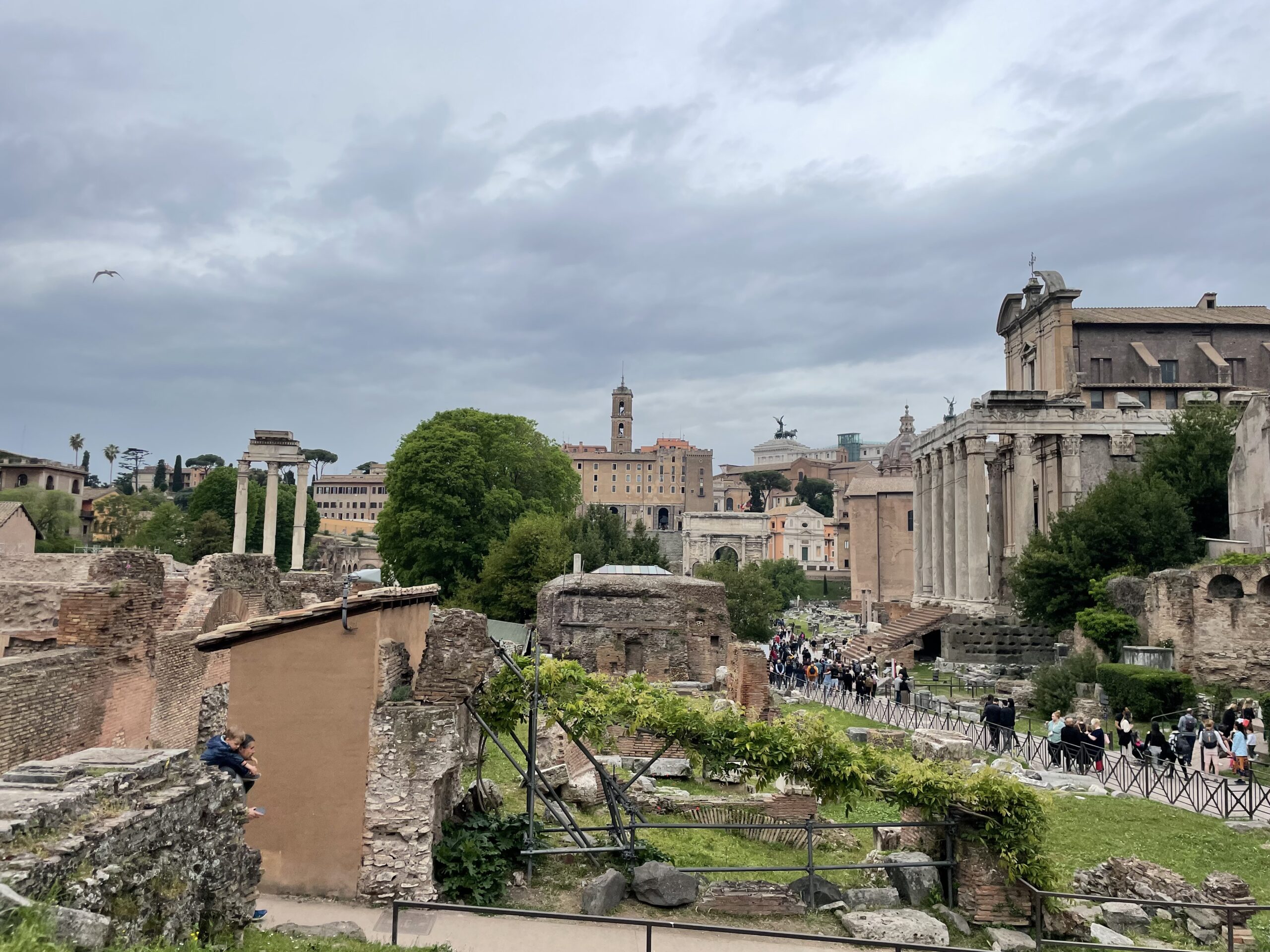
Your Colosseum ticket includes the Roman Forum and Palatine Hill — same ticket, same day. Plan at least 90 minutes for the Forum. Download the Rick Steves audio tour beforehand; it makes the rubble make sense.
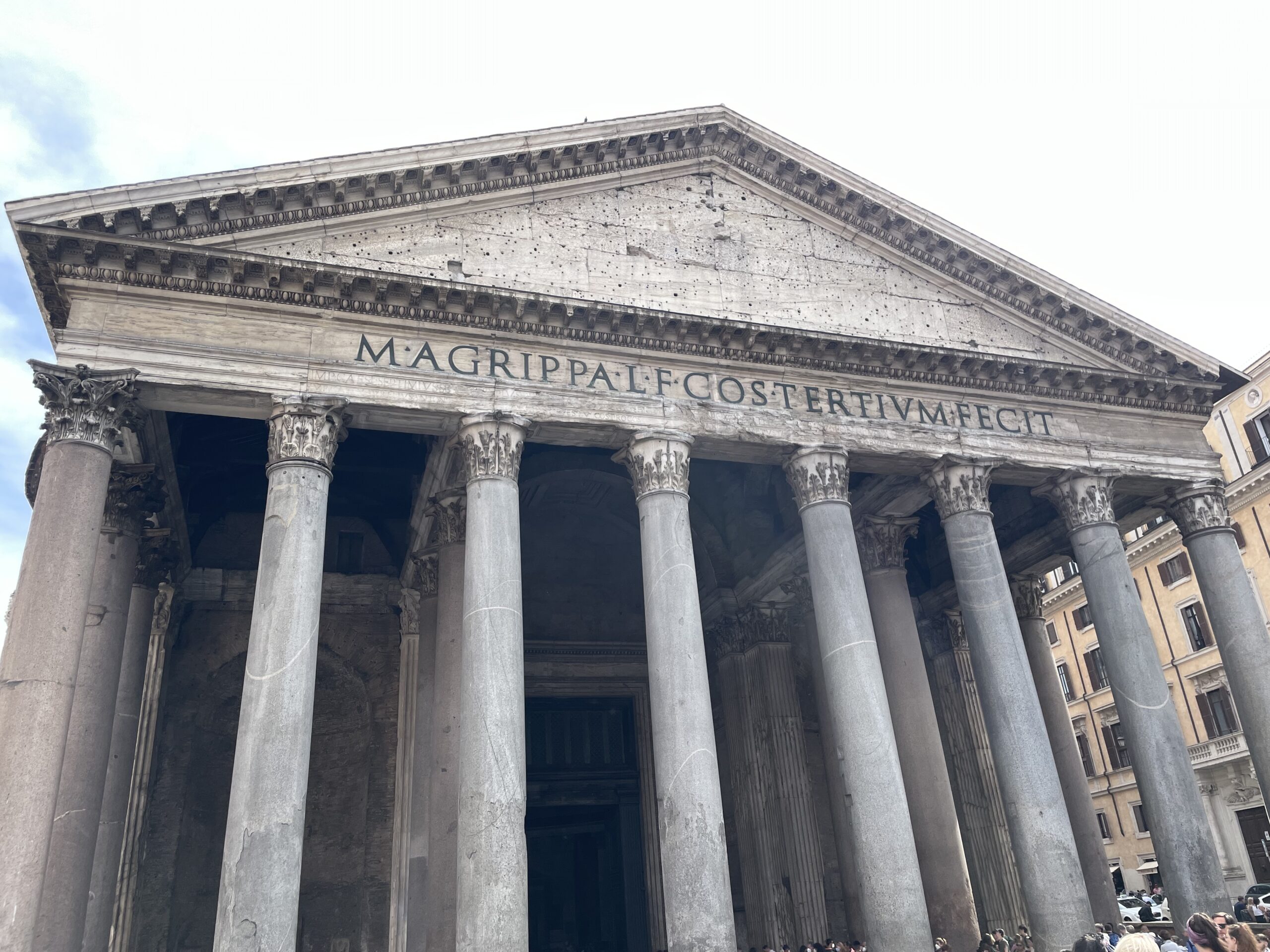
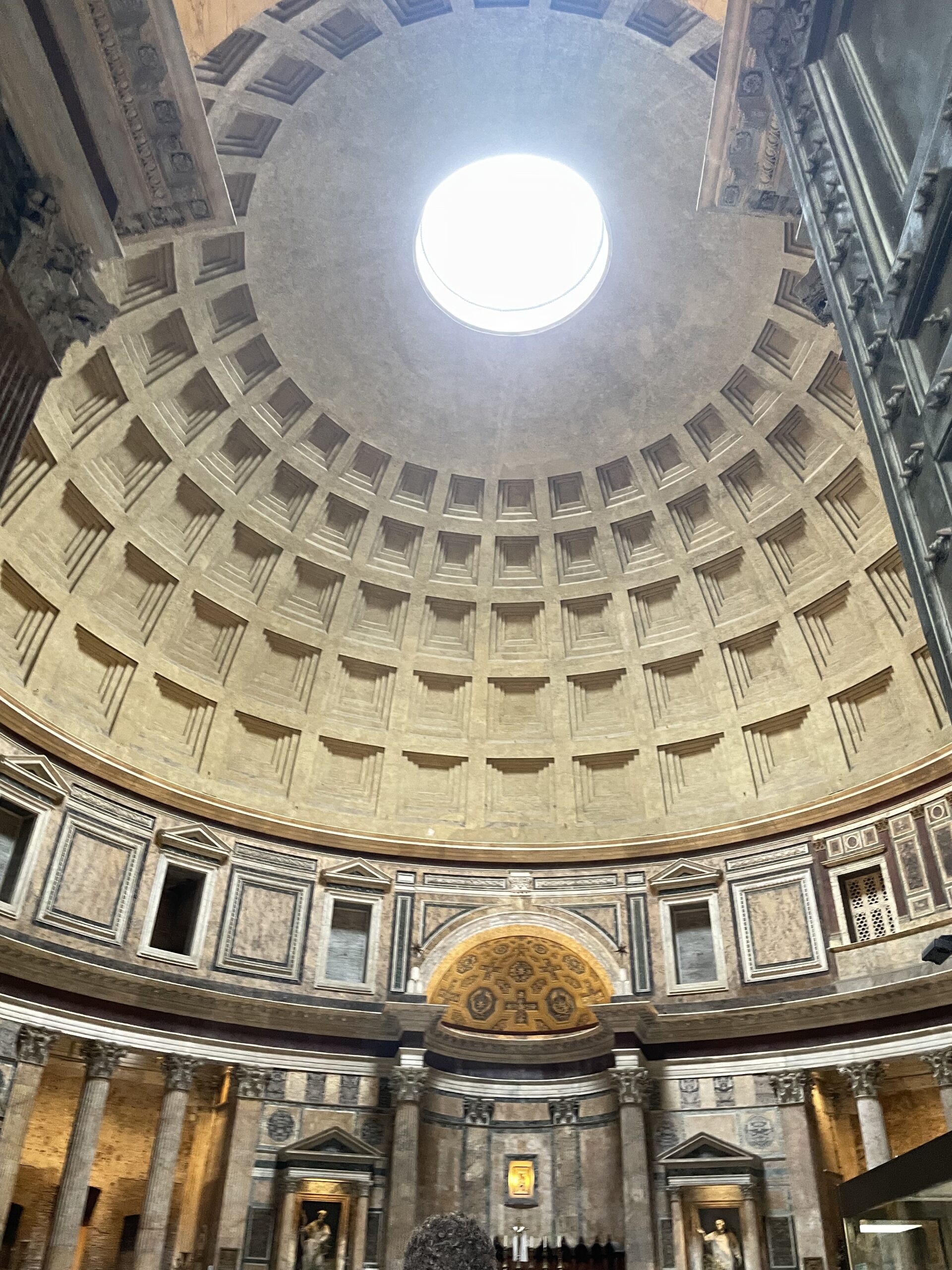
The Pantheon is different from anything else in Rome. It’s not a ruin — it’s intact, in continuous use for nearly 2,000 years, and the dome is still the world’s largest unreinforced concrete dome. There’s a small entry fee (around €5) that has helped thin the crowds. Go before 10am if you want it quieter.
Food: Where to Actually Eat
Rome has more tourist trap restaurants per square meter than almost anywhere I’ve been. The ones near the Pantheon and Trevi Fountain are generally not worth your time. Walk two streets over from any major site and the quality jumps considerably.
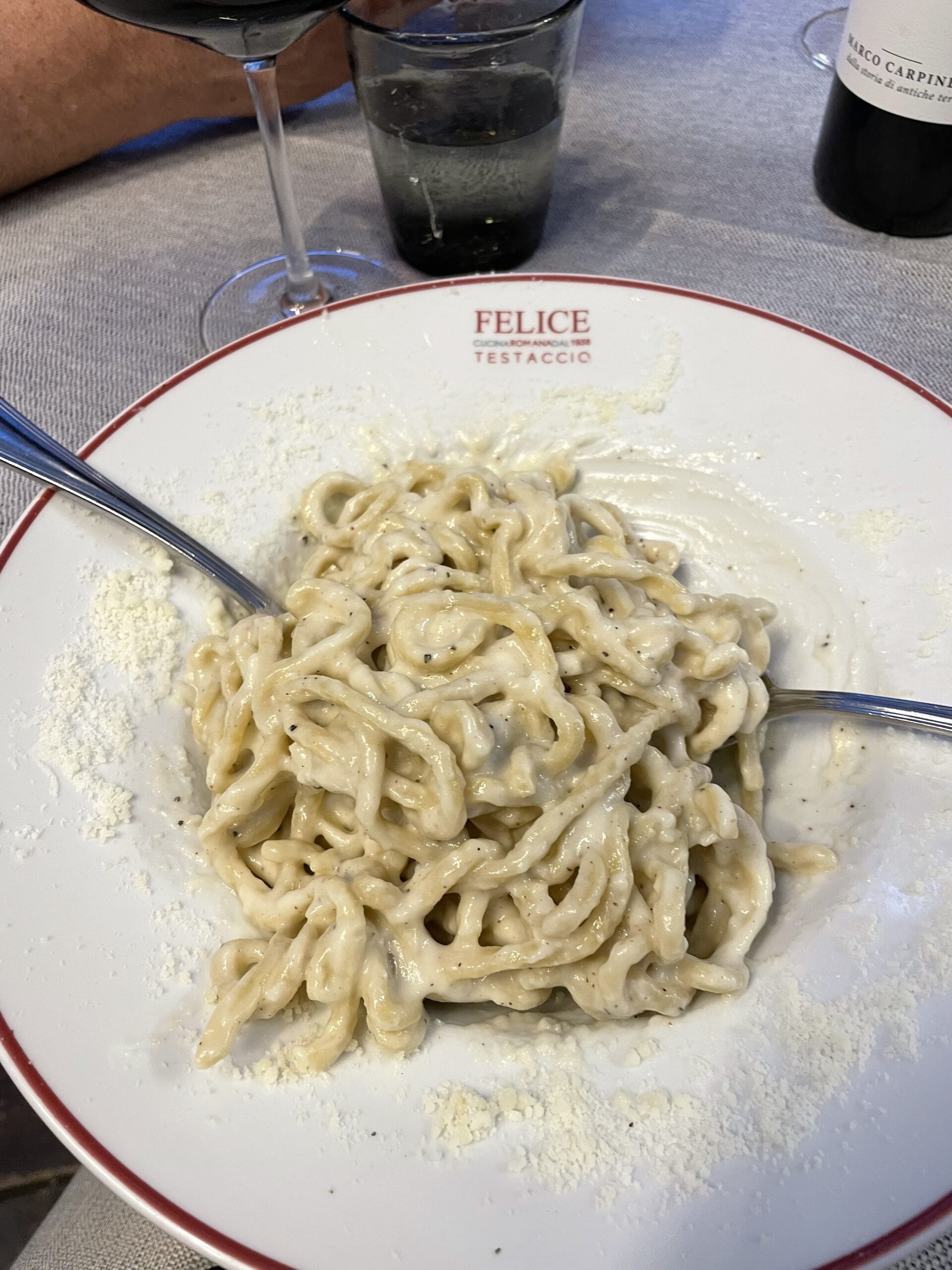
For cacio e pepe, go to Felice al Testaccio (Via Mastro Giorgio 29). It’s been around since 1936 and the pasta is finished tableside in a wheel of pecorino — not a gimmick, just the actual technique. Expect to pay around €16-18 for pasta. Make a reservation or show up when they open at noon.
Other places worth your time:
- Suppli Roma (Via di San Francesco a Ripa 137) — Roman fried rice balls, about €2 each. Get two, eat them standing on the street.
- Forno Campo de’ Fiori — best pizza bianca in the city, sold by weight from a bakery. Morning only before it sells out.
- Giolitti for gelato near the Pantheon — touristy but legitimately good since 1900. Skip the places with mountains of fluorescent-colored gelato piled high in the case.
Dinner rule: look for places where the handwritten menu is in Italian only, or where you hear more Italian than English at neighboring tables. That’s usually a reliable filter.
Day Trip: Tivoli and Villa d’Este
If you have a free day, Tivoli is worth it — 30km from Rome, about an hour by regional train from Tiburtina station (€2.90 each way). The main draw is Villa d’Este, a 16th-century cardinal’s estate with 500 fountains covering an entire hillside. It’s one of the most over-the-top garden designs I’ve seen, and it still works.
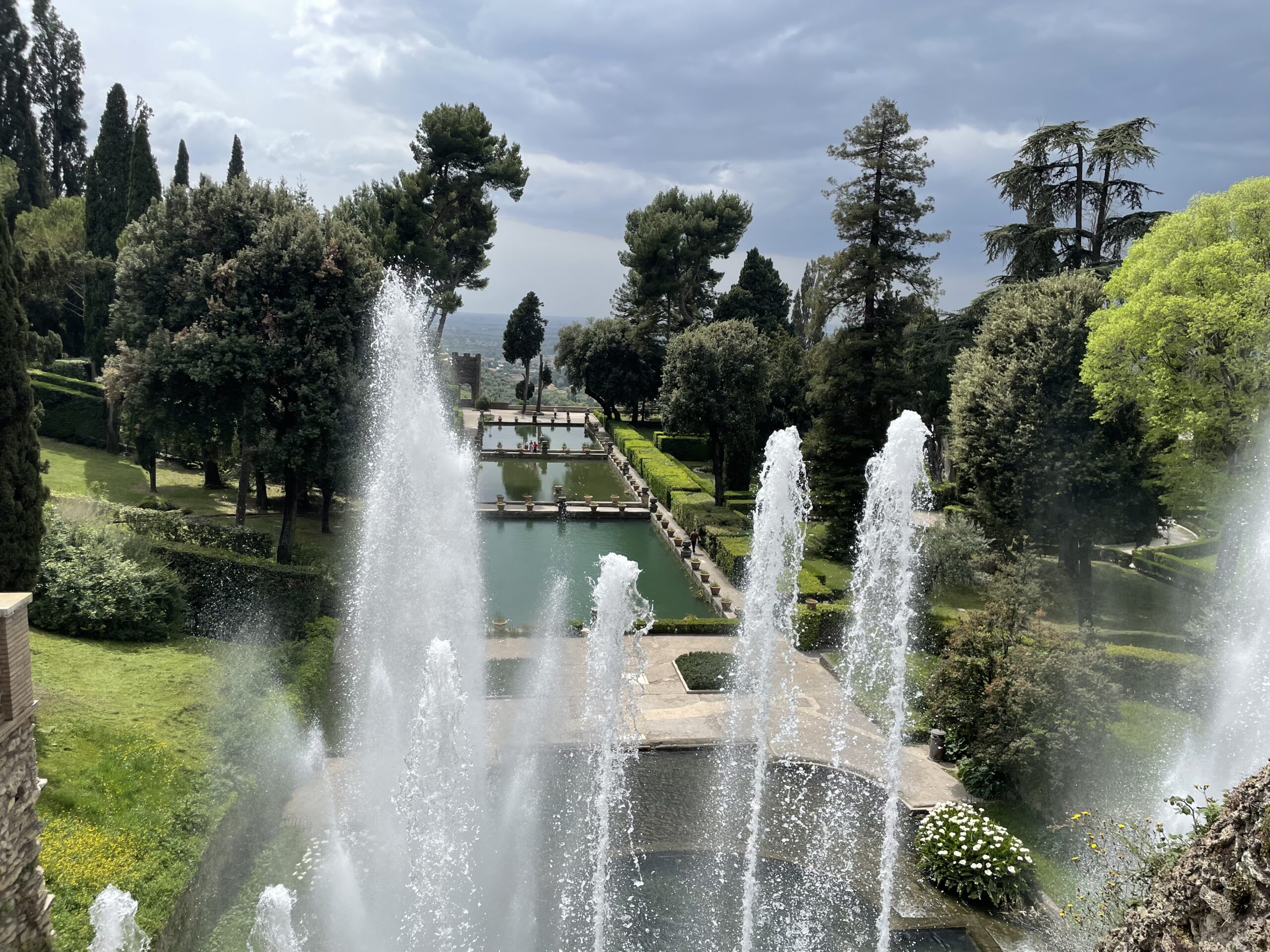
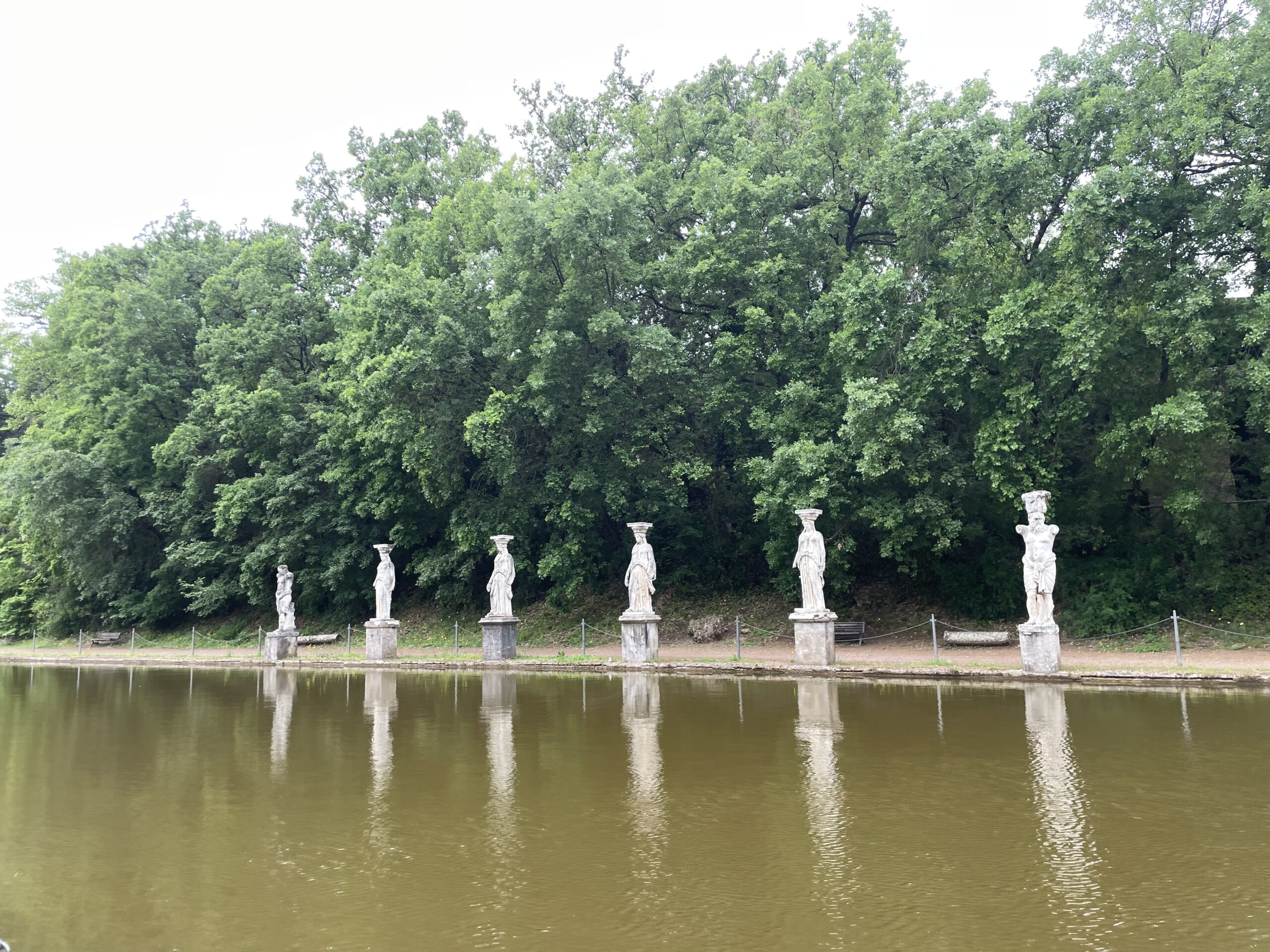
Entry to Villa d’Este is around €10. Combine it with Villa Adriana (Hadrian’s Villa) nearby — that’s the larger ancient site and requires more walking. A half day covers both if you’re efficient. There’s a shuttle between them or a 20-minute walk downhill.
Practical Tips
- Book the Colosseum first. Before hotels, before flights if possible. Availability disappears fast in spring and summer.
- Stay in Trastevere or Testaccio if you can. Both neighborhoods feel like Rome rather than a postcard of it, and you can walk to most things.
- Skip the Vatican Museums unless the Sistine Chapel is a priority. The lines are absurd, the crowds inside are worse. If you do go, book the early-morning access ticket.
- Cobblestones are everywhere. Wear real shoes with grip. Not sandals.
- Validate your metro ticket every single time. Inspectors are real and the fine is €50.
- Most churches are free and contain incredible art. Santa Maria Maggiore, San Clemente (three layers of history underground), Santa Maria sopra Minerva — all free, all worth 20 minutes each.
Rome’s Layers of History You Walk Over Without Knowing
The Pantheon has been in continuous use for nearly 2,000 years — first as a Roman temple, then as a Catholic church since 609 AD. The dome is still the world’s largest unreinforced concrete dome, and the oculus (the 8.7-meter hole in the ceiling) is the only source of light. When it rains, the water falls through the oculus and drains through 22 nearly invisible holes in the slightly convex floor. The Romans engineered this in 125 AD. The concrete recipe they used, which included volcanic ash from Pozzuoli, has been studied by modern engineers trying to figure out why it actually gets stronger over time — most modern concrete starts degrading after 50 years.
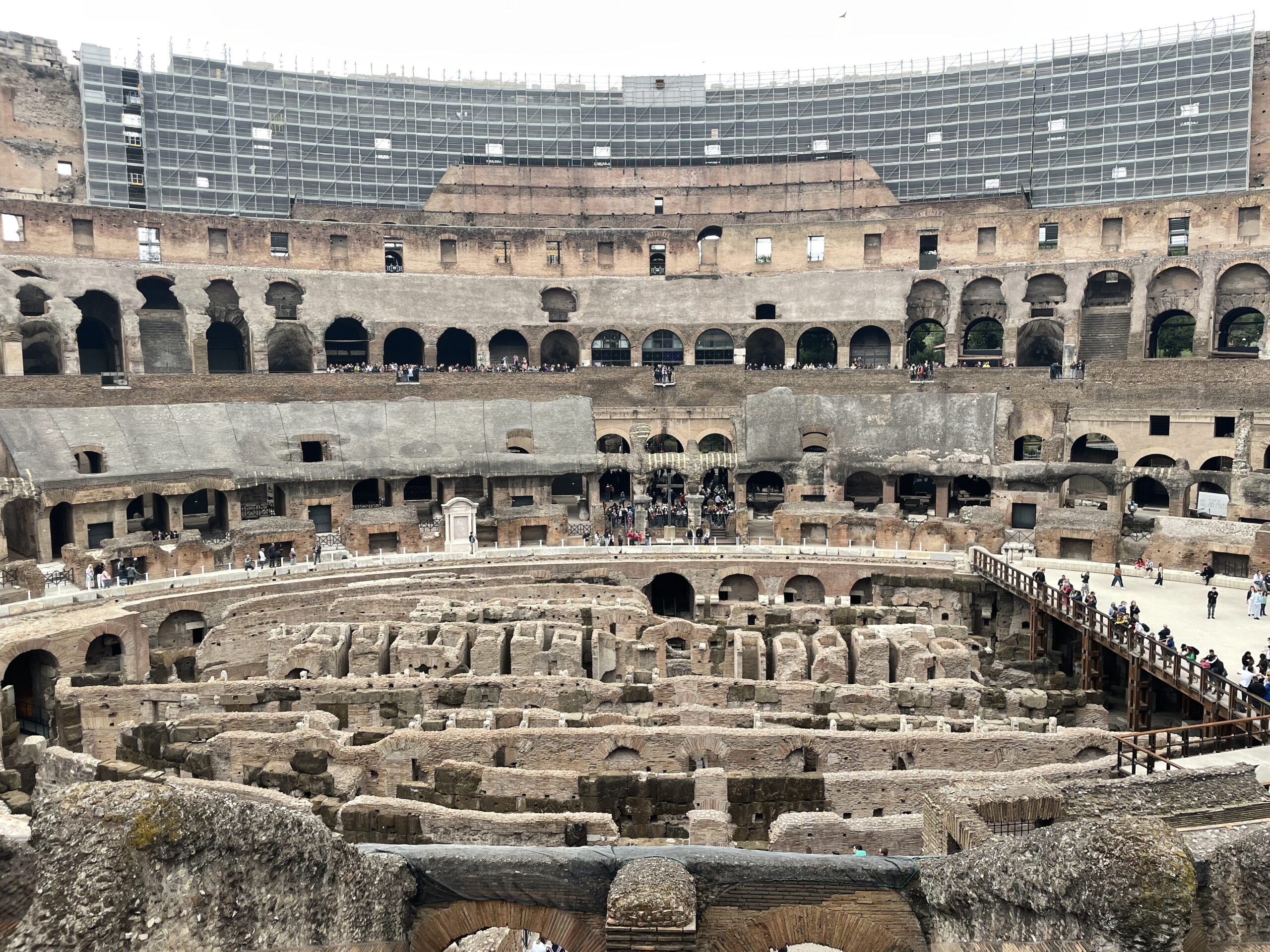
The Colosseum could seat 50,000 spectators and had a retractable awning system (the velarium) operated by a detachment of sailors from the Roman navy. The hypogeum — the underground network of tunnels and chambers — used a system of 28 manual elevators to lift animals and gladiators into the arena through trapdoors. When the new hypogeum lighting and walkway was completed in recent years, visitors could finally see these mechanisms from below for the first time.
We ate cacio e pepe at a trattoria near the Pantheon that has been using the same three ingredients (pecorino Romano, black pepper, and tonnarelli pasta) for decades. The dish is Roman, and the simplicity is the point — there is nowhere to hide bad technique. The pepper must be toasted in a dry pan, the pasta water must be starchy enough to create an emulsion, and the cheese must be added off heat to prevent clumping. Every Roman has an opinion on who makes the best version. The trattoria we went to was not on any best-of list, which is usually a good sign.
If you walk from the Colosseum to the Pantheon, you are crossing roughly 2,000 years of continuous urban development. Under most streets in the historic center, there are at least three layers: ancient Roman, medieval, and Renaissance. The city literally sits on top of itself. Basement renovations in Rome regularly turn into archaeological digs — one restaurant near Piazza Navona has a dining room that looks directly into a first-century Roman house that was discovered when they were trying to install a wine cellar.
Related Reading
If you’re connecting Rome to the rest of Italy, the train network is excellent — see Italy by Train: How to Get Between Cities Without the Stress for how I handled the logistics.
Gear and Guides
- Rick Steves Rome guidebook — I’m skeptical of guidebooks in general but this one earns its place. The self-guided Forum walk alone is worth it, and the audio tours in the companion app are free.
- Day bag with anti-theft features — Pickpockets around the Colosseum and on the metro are real. A bag with hidden zippers and a locking clasp removes most of the risk.
- Portable charger — You’ll be navigating all day. A 10,000mAh bank covers a full day of heavy Maps use without anxiety.
- eSIM for Italy — Skip the airport SIM counter. Set it up before you land and have data from the moment you step off the plane.