Istanbul: Two Trips Later, Here’s What Actually Matters
Updated April 2026 | 6 min read
I went to Istanbul twice. The first time was 2019 — classic first-timer itinerary, Blue Mosque, Hagia Sophia, Grand Bazaar, repeat. The second time was 2023, and I stayed on the Asian side. The city felt completely different, which is either a testament to how vast Istanbul is or a sign that I’d been doing it wrong the first time. Probably both.
This is not a “top 10 things to do in Istanbul” list. This is what I actually remember, what I’d go back for, and what you can skip.
The Big Sights: Worth It, With Caveats
Hagia Sophia
It’s one of the most extraordinary buildings on earth. I don’t say that lightly. The scale of the dome, the way light comes in through the high windows, the fact that it has been a Christian basilica, a mosque, a museum, and a mosque again — all of that is present in the architecture if you take time to look. Go early. Go on a weekday if you can. The crowds by midday are genuinely oppressive, and you will spend more time managing your position in the room than actually looking at anything.
It is now an active mosque again, which means dress code is enforced and there are prayer times when tourists aren’t admitted. Check the schedule before you go. This is not optional.
Blue Mosque (Sultan Ahmed Mosque)
It’s beautiful. The Iznik tile work inside is worth seeing. But I’ll be honest: after Hagia Sophia, it registers as a secondary experience for most people. The exterior is iconic — the six minarets, the cascading domes — and if you’re going to be in Sultanahmet anyway, you walk across the square and go in. It’s free. Just cover up and take your shoes off.
The renovation scaffolding situation changes year to year. Look up current photos before you build expectations around the exterior.
Grand Bazaar
I have a complicated relationship with the Grand Bazaar. It is genuinely historic — over 4,000 shops, covered since the 1400s, a real working market that predates the tourist economy by centuries. It is also a gauntlet. Vendors will follow you. They will compliment your eyes, your country, your taste. They will offer you tea. This is how negotiation starts, and if you don’t want to negotiate, don’t make eye contact and keep moving.
That said: leather goods, ceramics, and textiles can be good value if you know what you’re looking at and you’re willing to walk away. The first price is never the real price. Start at half and expect to settle somewhere around 60-70% of the ask. More on this in the lessons post.
What I actually enjoyed buying: good Turkish delight (lokum) from a shop that wasn’t in the main corridor, and a copper coffee pot I still use.
Galata Tower
Queue, pay, go up, get a photo, come back down. The view is good. The queue is long. The ticket price has gone up significantly. If you’re a view person, go. If you’re not, the Galata Bridge below it is more interesting — fishermen line the upper deck at all hours, and the lower deck has a string of fish restaurants that are decent for lunch.
Food: The Real Reason to Go
Turkish breakfast is not a meal. It is an event. A proper spread has olives, white cheese (beyaz peynir), cucumber, tomato, eggs cooked to order, simit, honey, clotted cream (kaymak), and fresh bread. It takes an hour minimum. It is the best meal format I’ve encountered in any country. Do not skip it for a hotel buffet.
Balik ekmek — grilled mackerel in a bread roll with onion and herbs — is sold from boats moored at the Galata Bridge and from nearby stalls. It is one of those foods that sounds unremarkable and is genuinely delicious, especially standing at the water in the late afternoon. It costs almost nothing. Eat two.
Kebabs: Istanbul is not where you go for kebab specifically — that’s more of an Adana or Gaziantep thing — but lahmacun (thin flatbread with minced meat, folded around parsley and lemon) is everywhere and excellent. Iskender kebab, sliced döner over bread with tomato sauce and browned butter, is also worth ordering once.
Simit carts are on every corner. Fresh simit — sesame-crusted bread rings — costs almost nothing and is the correct breakfast if you are walking and don’t have time to sit. Get it with a glass of çay from a tea house. This is how Istanbul actually functions in the morning.
The Asian Side
Most tourists don’t cross to the Asian side. This is their loss.
Kadikoy is a neighborhood of covered markets, fish stalls, produce vendors, meyhane (tavern-style restaurants) and almost no tourist infrastructure. The Kadikoy market — the indoor covered section specifically — is where locals actually shop for groceries. It smells like spices and dried fruit and very fresh fish. Take the ferry from Eminonu or Karakoy — 15 minutes across the Bosphorus, costs almost nothing with an Istanbulkart — and walk.
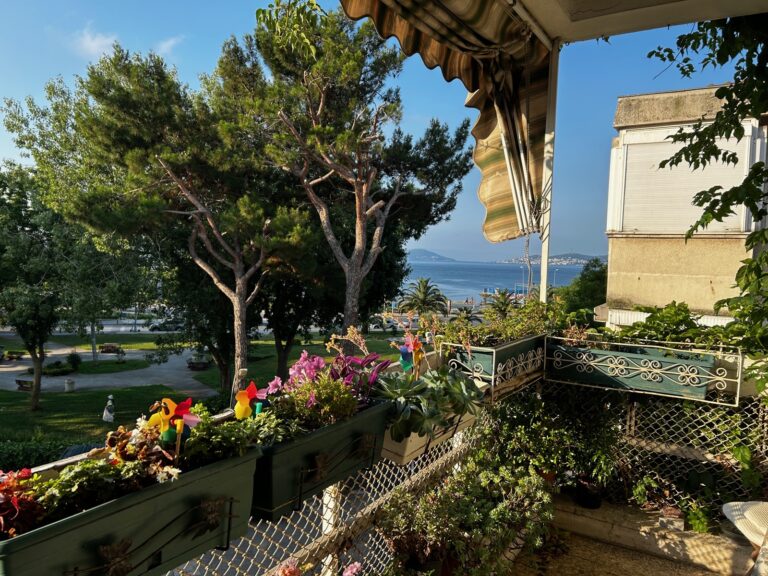
Suadiye, further south on the Asian side, is a quieter residential neighborhood along the Marmara coast. I spent time there in November 2024. It has a completely different pace — waterfront parks, local cafes, almost no English menus. If you want to understand what Istanbul is like for the people who actually live there, go south on the Asian side and spend an afternoon.
Getting Around
Get an Istanbulkart on day one. It works on trams, metro, ferries, and buses. You can get one at any major transit hub. Load it with cash. The tram line T1 covers Sultanahmet, Beyoglu, and Karakoy and is how most tourists move around the European side. The ferries are fast, cheap, and scenic — use them whenever you can.
Taxis: negotiable prices, inconsistent quality, occasional scams. Uber (Bitaksi in Turkey) is more predictable. For short distances in tourist areas, walk — Istanbul’s hills are real but the distances between major sights in Sultanahmet are walkable.
Why I Went Back
Honestly, the first trip felt incomplete. I did the things you’re supposed to do and left feeling like I’d seen the surface. The Asian side, the slower pace of Kadikoy, the breakfasts that lasted ninety minutes — that’s what I came back for. Istanbul is a city that rewards patience and repetition. One week is not enough. Two is better. Three, and you’ll start to understand why people who live there think everywhere else feels thin by comparison.
I stayed at a mid-range hotel in Sultanahmet, about $90 per night, in 2019 and an apartment rental in Kadikoy on the Asian side, about $70 per night, in 2023.
Recommended Tours in Istanbul- Istanbul Old City Walking Tour — covers Hagia Sophia, Blue Mosque, Grand Bazaar in one guided morning
- Bosphorus Cruise with Asian Side — the best way to see both sides of the city from the water
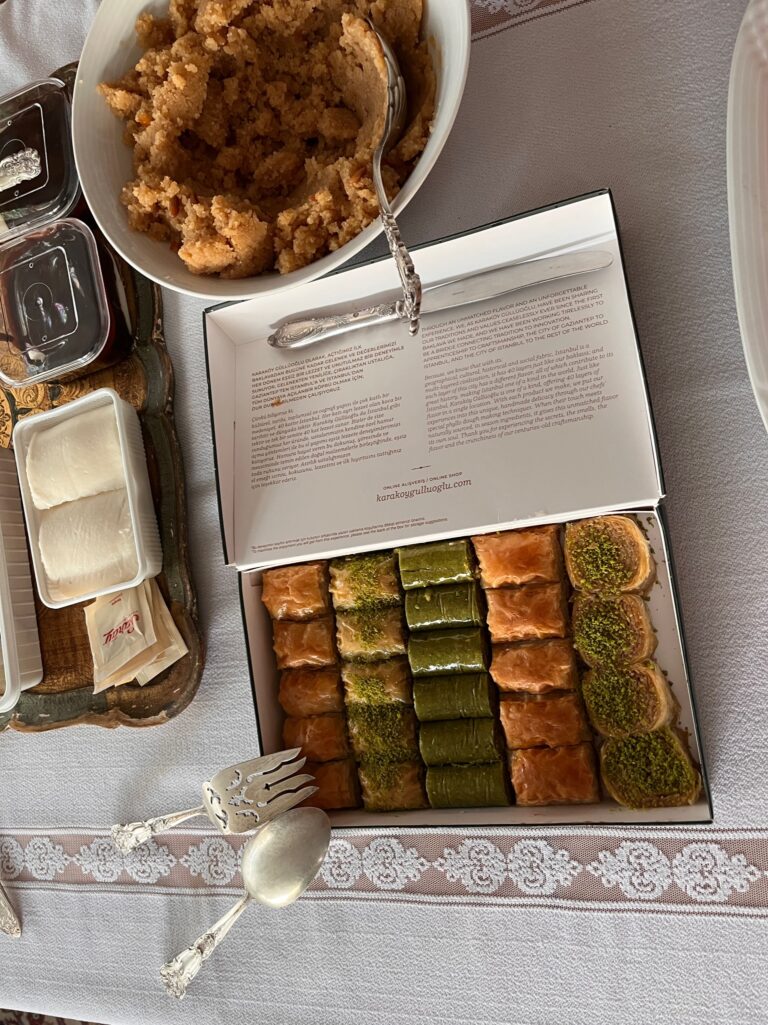
- Turkish Cooking Class — learn to make manti and baklava from scratch
What to Pack for Istanbul
- Universal Travel Adapter — Turkey uses Type C/F plugs
- Anti-Theft Crossbody Bag — essential for the Grand Bazaar and crowded trams
- Comfortable Walking Shoes — Istanbul is hilly, cobblestoned, and relentless on feet
Read more in our What I’d Do Differently series.
Book Tours and Activities
Find Flights to Istanbul
Cheapest Flights to Istanbul
| Departure at | Return at | Stops | Airline | Find tickets |
|---|---|---|---|---|
| Flexible | Flexible | Direct |  |
Check current fares |
Book Tours: GetYourGuide Hagia Sophia, Blue Mosque, and Grand Bazaar guided tours | GetYourGuide Bosphorus cruise and Turkish bath experiences
Affiliate disclosure: This post contains affiliate links at no extra cost to you. SafetyWing, Skyscanner, Airalo, Booking.com, Viator.
Real costs, honest reviews, and what I’d do differently — straight to your inbox.
Plan your own trip: guides I actually use
Layover tip:
More from this region:
Cards, lounges & insurance:
- Best Airport Lounges I Have Actually Used — From Changi to Istanbul
- Is Priority Pass Worth It in 2026 — My Honest Review After 15 Airports
- Best Travel Credit Cards for 2026: The Cards I Actually Use and Why
- Best Travel Insurance for 2026: What I Actually Recommend After 15 International Trips
Finding cheap flights:
- When to Book Flights by Region — The Booking Windows That Actually Save Money
- How to Find Error Fares and Flight Deals — The Services I Actually Use
- Google Flights vs Skyscanner vs Momondo — Which Actually Finds the Cheapest Flights
Travel gear I actually use:
- Best Portable Chargers for Travel in 2026: Which Size You Actually Need
- My Exact Travel Tech Setup After 15 International Trips
- Best Noise-Canceling Headphones for Travel in 2026: Tested on 40+ Flights
- Best Travel Backpacks for 2026: The 5 I Have Actually Used
Staying connected abroad:
- Best VPN for Travel 2026 — NordVPN vs Surfshark and Why You Need One
- Best eSIM for Travel 2026 — Holafly vs Airalo vs Nomad
Written by Jenna Fattah
I have visited 25+ countries across 6 continents, attended 7 Formula 1 races, and spent 4 years writing about what actually works and what I would do differently. Every recommendation on this site comes from trips I planned and paid for myself. Read more about me