What I’d Do Differently: New Zealand Edition
Updated September 2026 | 6 min read
- I Underbooked the Things That Sell Out
- Auckland Is Bigger Than It Looks on the Map
- Packing for Two Cities, Not Two Climates
- We Didn’t Need a Rental Car, and I’d Do That Again
- The North Island vs. South Island Question
- What I Got Right
- Travel Tools We Actually Use
- Book Tours and Activities
- Gear We Wish We Had Packed
- Find Your Next Flight
- Plan Your Trip to New Zealand
This is the third post from my New Zealand trip with my twin in 2023. The other two cover the full trip overview and costs and the Auckland day trips in detail. This one is the lessons: what I got wrong, what I’d do differently, and the specific advice I now give anyone who asks me about Wellington and Auckland before they go.
I’ve written a version of this post for eleven other destinations. The through lines are in that post. New Zealand has its own particular category of mistakes.
I Underbooked the Things That Sell Out
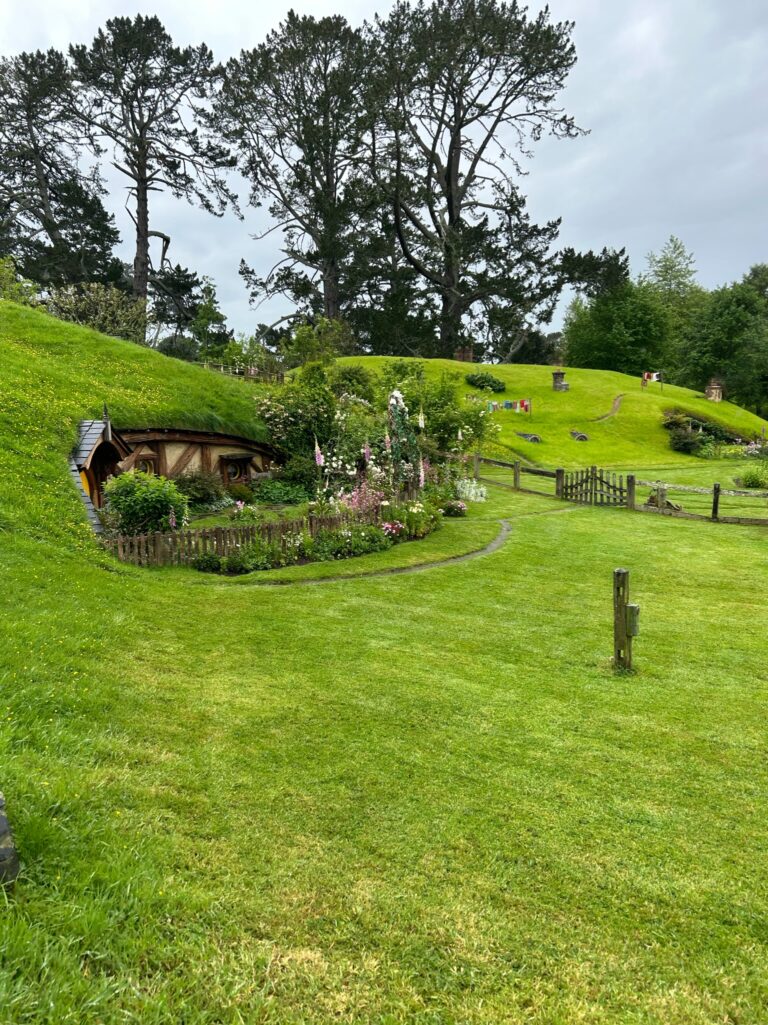
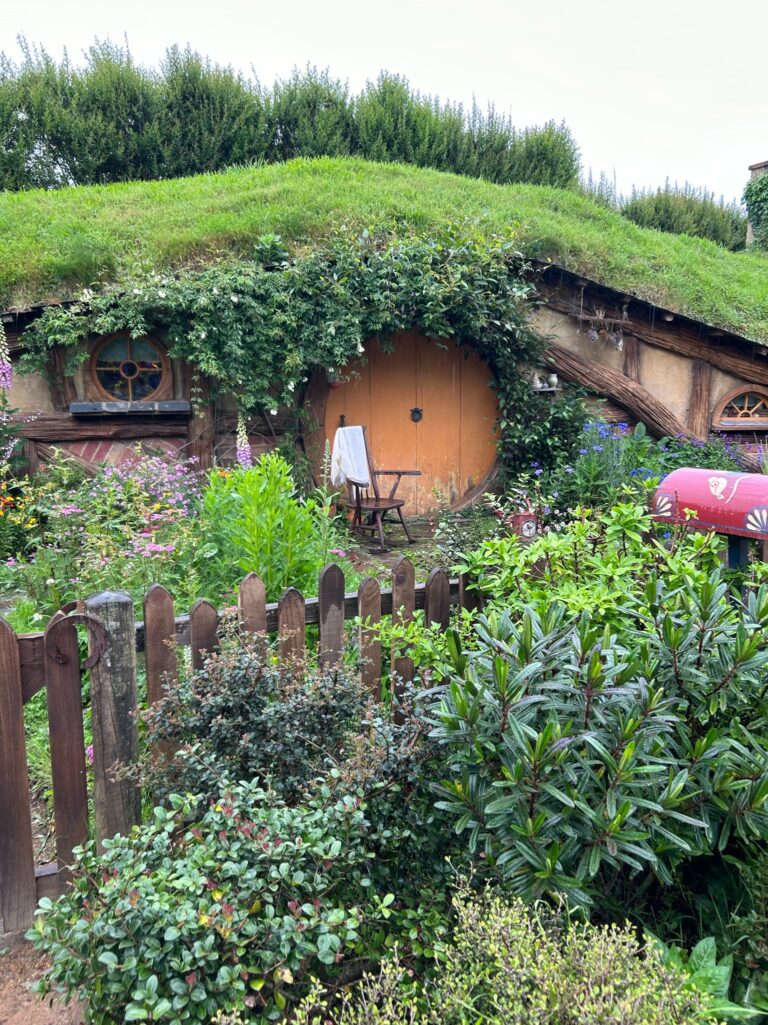
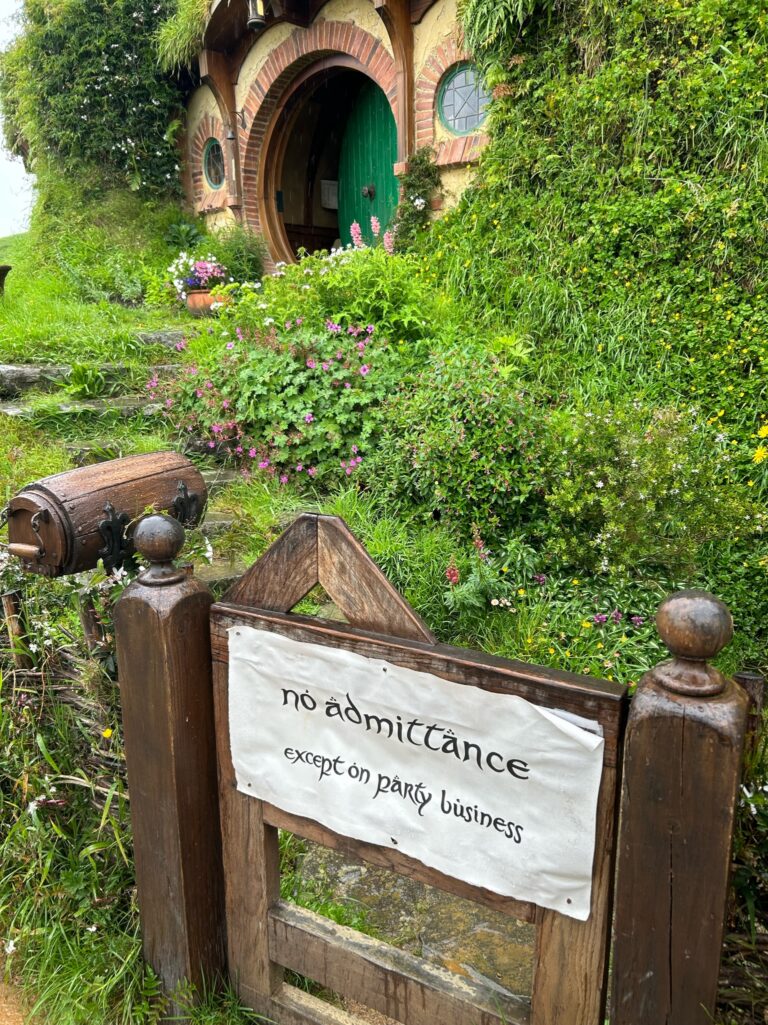
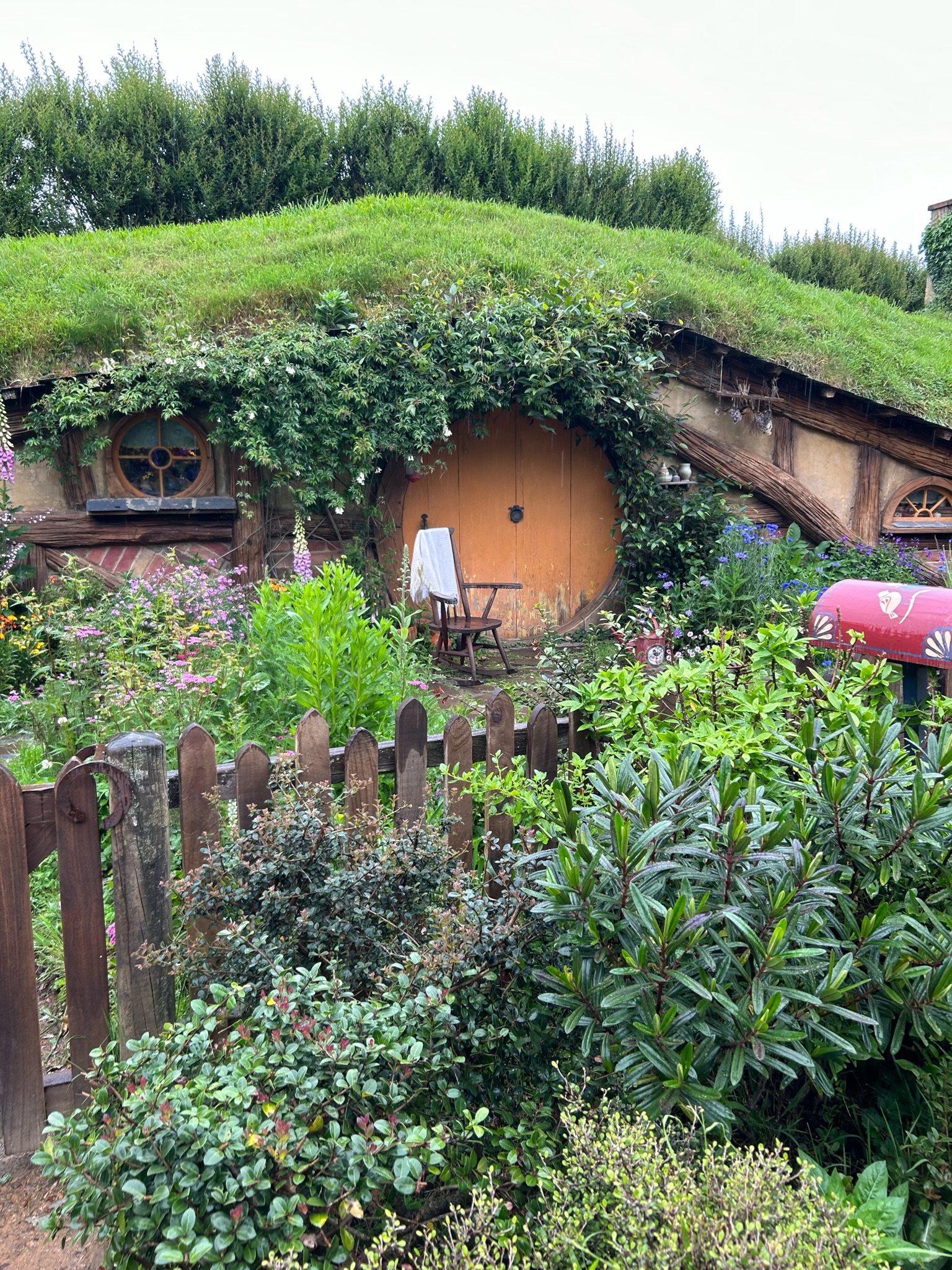
The Zealandia night tour and the Hobbiton + Waitomo combined day trip were the two best things we did, and both were closer to selling out than I was comfortable with by the time we booked them. New Zealand tourism runs on a much shorter booking window than I expected going in — I assumed a week’s notice would be plenty for a mid-size sanctuary tour and a movie-set day trip, and I was wrong on both counts.
What I’d do differently: book the marquee, capacity-limited things — Zealandia’s night tour especially — the moment travel dates are set, not once you land or even once you’ve booked flights. Everything else can flex around those two bookings; those two bookings shouldn’t have to flex around everything else.
Auckland Is Bigger Than It Looks on the Map
Wellington is compact enough that distance stops being a planning variable. Auckland is not. The North Shore beaches, Hobbiton and Waitomo, and Waiheke Island are all in different directions and none of them are quick — we spent real chunks of days in transit between the city and the day trip, more than the itinerary on paper suggested.
What I’d do differently: budget a genuine half-day of travel time around each Auckland day trip rather than treating Auckland like a city you can bounce around inside of the way you can Wellington. Five nights was the right amount of time, but I’d plan fewer things per day and accept that Auckland rewards a slower pace than the map implies.
Packing for Two Cities, Not Two Climates
Wellington’s reputation for wind is not exaggerated — it’s windier at street level than anywhere else we’ve been, and that mattered more for comfort than temperature did. Auckland was warmer and more humid, and the beach days on the North Shore meant we wanted completely different clothes than the Zealandia night tour a few days earlier.
What I’d pack for this specific trip:
- A genuinely windproof shell, not just a rain layer — for Wellington’s waterfront and the cable car lookout more than for rain itself
- A warm layer for the Zealandia night tour, which runs well after dark and gets cold fast once the sun is down
- Lighter, breathable clothes for Auckland’s day trips, especially the beach walks
- Comfortable walking shoes — the North Shore coastal walks and the Botanic Garden walk down from the cable car add up over a week
- Sunscreen — New Zealand’s UV index runs higher than equivalents in the northern hemisphere and it caught us off guard on the Waiheke and North Shore days
We Didn’t Need a Rental Car, and I’d Do That Again
We debated renting a car for the Auckland leg and decided against it, and I think that was right. Every day trip we did — Hobbiton and Waitomo, the dolphin cruise, Waiheke Island — worked better as a booked tour than it would have as a self-drive outing, especially on a trip where neither of us wanted to spend a day adjusting to driving on the left for a handful of day trips. Uber covered everything else.
What I’d do differently: nothing here, honestly. If we’d been adding a South Island leg with its own long point-to-point drives, a rental car would make more sense. For a Wellington-and-Auckland trip built around day trips from two bases, it wasn’t worth the hassle.
The North Island vs. South Island Question
The South Island wasn’t part of this trip and is still on the list — it’s the most common thing people ask me about when they hear I’ve been to New Zealand. I don’t have a first-hand answer for it — everything I could tell you about Milford Sound or Queenstown would be secondhand from other travelers’ trip reports, not something I’ve done myself, so I’m not going to pretend otherwise here.
What I’d do differently, if I’m honest: I’d plan the South Island as its own dedicated trip rather than trying to bolt it onto a week that was already full with Wellington and Auckland. Everything we did on this trip earned its place; adding a rushed South Island leg on top would have meant cutting something that worked to make room for something we’d have had to rush.
What I Got Right
It’s worth noting the things that worked, because not all lessons are cautionary.
Flying into Wellington first and taking the Northern Explorer north to Auckland, rather than the reverse: right call. It meant hitting the scenic train ride with fresh legs instead of tacking it onto the tail end of the trip.
Pairing Hobbiton with Waitomo on one combined tour instead of two separate trips: right call. They don’t compete with each other for attention, and it saved a second long drive.
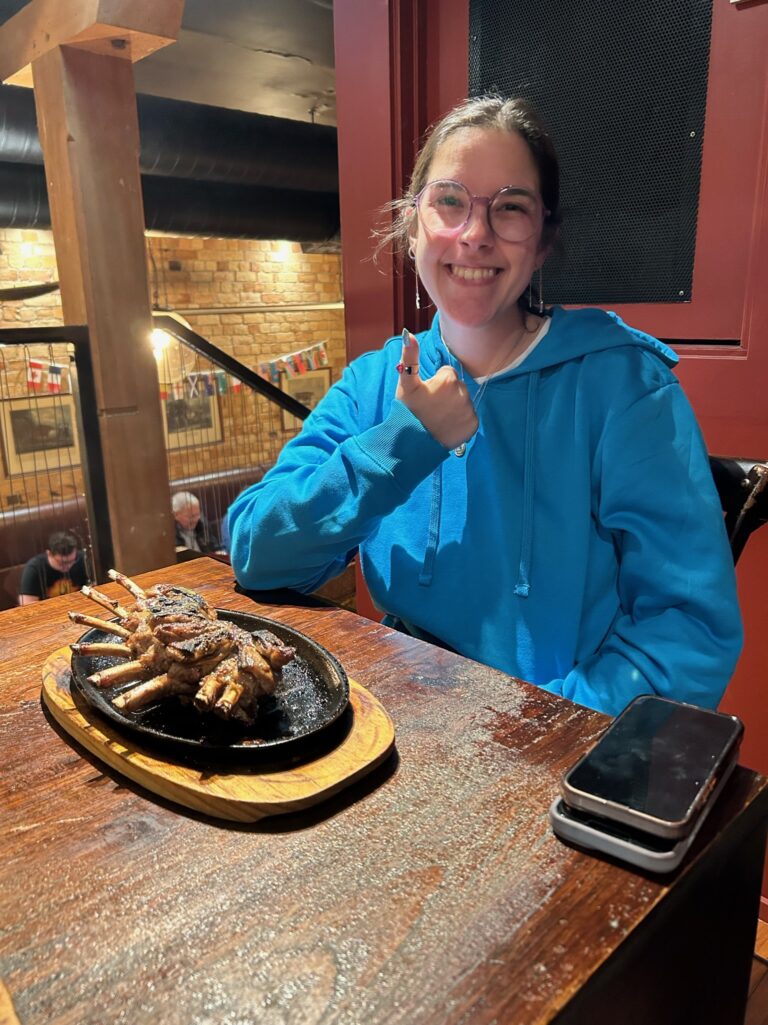
Going with my twin: this specific trip is better with someone. Long travel days pass differently, decision-making is easier, and the costs split in ways that opened up options we couldn’t have afforded solo. I’d make the same choice.
New Zealand is worth the trip. These are the adjustments I’d make to the version of it we did. For the full overview and costs, start with the New Zealand overview post.
This post is part of the What I’d Do Differently series. For the full trip, see New Zealand: What We Did and What It Cost and the Auckland day trips guide.
Travel Tools We Actually Use
New Zealand runs on a shorter booking window than a lot of destinations. Book the capacity-limited tours the day your dates are set, not once you land.
- eSIM Data: Airalo eSIM for New Zealand — reliable coverage in both Wellington and Auckland, useful for the Northern Explorer’s more remote stretches too.
- Travel Insurance: SafetyWing — wildlife cruises and outdoor tours get cancelled or rescheduled for weather; insurance that covers trip disruptions is worth it.
- Booking the sanctuary and movie-set tours: Zealandia and Hobbiton both sell out — book as soon as your dates are set.
Book Tours and Activities
Gear We Wish We Had Packed
- Osprey Farpoint 40 – good for hopping between Wellington and Auckland with only one train transfer.
- Rain Jacket (Marmot Precip) – Wellington’s wind and rain show up with little warning.
- Airalo eSIM – set up before landing, one less thing to deal with on arrival.
- Anker Nano Power Bank – long day-trip tours with photos running all day drain a phone fast.
- Packing Cubes – useful even for a two-base trip, especially separating Wellington layers from Auckland beach clothes.
Find Your Next Flight
Book on Klook:
Plan Your Trip to New Zealand
Ready to book? Search flights to New Zealand to compare prices across airlines. And compare hotel rates in New Zealand to find the best deals for your dates.
Affiliate disclosure: This post contains affiliate links at no extra cost to you. SafetyWing, Skyscanner, Airalo, Booking.com, Viator, Klook.
Real costs, honest reviews, and what I’d do differently — straight to your inbox.
Written by Jenna Fattah
I have visited 25+ countries across 6 continents, attended 7 Formula 1 races, and spent 4 years writing about what actually works and what I would do differently. Every recommendation on this site comes from trips I planned and paid for myself. Read more about me