2026 FIFA World Cup Travel Guide: How to Plan Your Trip Across 3 Countries
Updated April 2026 | 7 min read
- The Basics: Dates, Cities, and Stages
- All 16 Host Cities and Stadiums
- Tickets: What They Actually Cost
- Getting Between Cities
- Visas: The Three-Country Problem
- Where to Sleep (and What It Costs)
- Fan Zones Are Free and Worth It
- Safety and Political Reality: What You Need to Know
- What I Learned from F1 That Applies Here
- Plan Your Trip
- Keep Reading
After attending seven F1 Grand Prix across four countries, I thought I had sports event travel figured out. Then I started planning for the 2026 World Cup and realized the scale is completely different.
The 2026 FIFA World Cup runs from June 11 to July 19 across the United States, Mexico, and Canada — 48 teams, 104 matches, 16 stadiums in 16 cities. It is the largest World Cup ever held, and the first one spread across three countries. That last detail is what makes planning tricky.
Here is everything I have put together after weeks of research and a lot of lessons learned from attending live sports events.
The Basics: Dates, Cities, and Stages
The tournament opens June 11 at Estadio Azteca in Mexico City and ends July 19 with the final at MetLife Stadium in East Rutherford, New Jersey. Every host city gets group stage matches, but the knockout rounds narrow to specific venues.
Quarterfinal cities: Boston, Los Angeles, Miami, Kansas City.
Semifinal cities: Dallas, Atlanta.
The Final: MetLife Stadium, New York/New Jersey.
If you are following a specific team through the knockouts, you will not know which city to fly to until the round of 16 draws are set. This is normal for World Cup travel — you cannot plan a rigid itinerary weeks in advance.
All 16 Host Cities and Stadiums
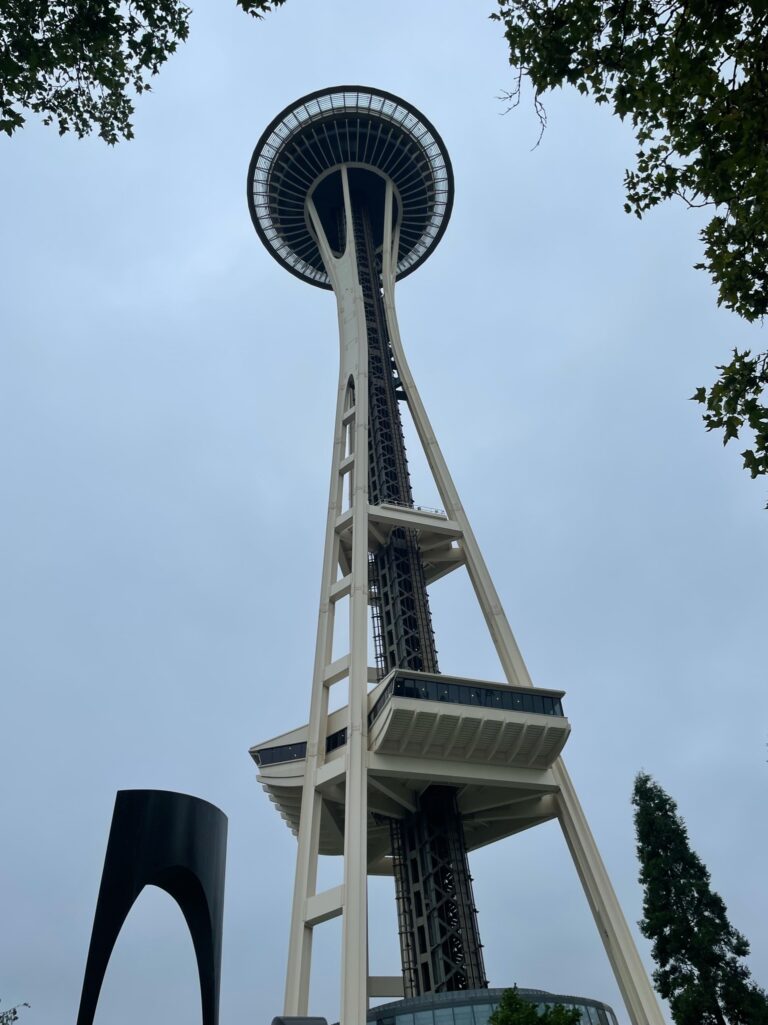
United States (11 venues): MetLife Stadium (NYC/NJ, 82,500), AT&T Stadium (Dallas, 80,000), Arrowhead Stadium (Kansas City, 76,000), NRG Stadium (Houston, 72,000), Mercedes-Benz Stadium (Atlanta, 71,000), SoFi Stadium (LA, 70,000), Levi’s Stadium (San Francisco, 70,900), Lincoln Financial Field (Philadelphia, 69,300), Lumen Field (Seattle, 69,000), Hard Rock Stadium (Miami, 65,000), Gillette Stadium (Boston, 64,600).
Mexico (3 venues): Estadio Azteca (Mexico City, 87,500), Estadio BBVA (Monterrey, 53,500), Estadio Akron (Guadalajara, 48,000).
Canada (2 venues): BC Place (Vancouver, 54,000), BMO Field (Toronto, 45,000).
Dallas hosts the most matches of any city — nine total, including a semifinal.
Tickets: What They Actually Cost
FIFA introduced a new tiered pricing system after fan backlash over initial prices. Here is the reality:
Group stage general sale tickets start around $120 for nosebleed seats and go up to $1,000+ for Category 1. Round of 16 tickets run $300 to $750. The final reaches $5,785 for Category 3 and $10,990 for Category 1.
There is a $60 “Supporter Entry” tier, but FIFA allocates only about 2% of total tickets at that price, distributed through national federations. Realistically, most fans will pay $200 to $500 per group stage match.
All tickets are digital-only through the FIFA World Cup 26 App. No physical tickets exist. Download the app well before your trip.
Getting Between Cities
The Northeast Corridor is your best friend. Boston to New York to Philadelphia runs on Amtrak Acela with frequent service — 3.5 hours Boston to NYC, 1.5 hours NYC to Philly. For everything else, you are flying.
Dallas to Houston is a quick domestic hop. Cross-border routes like NYC to Toronto, LA to Mexico City, and Houston to Monterrey all have frequent service. Book domestic flights as soon as you know your match schedule.
Skyscanner is the best tool for comparing domestic fares across dates. Set up fare alerts for your likely city pairs now — prices are already climbing for June and July.
Visas: The Three-Country Problem
There is no single “World Cup visa.” If you are crossing borders — say, watching group matches in Mexico City then flying to Dallas for the knockouts — you need valid documentation for each country separately.
For the US, citizens of Visa Waiver Program countries need an approved ESTA. Everyone else needs a B1/B2 visa. FIFA created a “FIFA PASS” system that gives ticket holders priority US visa interview appointments, but it does not waive eligibility.
Canada is similar: visa-exempt nationalities need an eTA, others need a visitor visa. Mexico is the most flexible — many nationalities enter visa-free.
Start your visa paperwork now if you need it. US visa wait times in some countries exceed 60 days.
Where to Sleep (and What It Costs)
Hotel prices spike dramatically on match days. A recent analysis found average rates of $1,013 per night on opening match dates versus $293 three weeks earlier. Vancouver was the most expensive host city at over $1,400 per night on match days.
The best-value host cities for accommodation are Atlanta and Houston, where match-day premiums are under 5%.
Book refundable rates now for your target dates, even before you have tickets. You can always cancel. Check Booking.com for hotel comparison across multiple booking platforms.
Fan Zones Are Free and Worth It
Even without match tickets, you can experience the World Cup through FIFA Fan Festivals in all 16 host cities. These are free, open to the public, and broadcast every match on giant screens with food, entertainment, and fan culture.
New York’s fan zone will be at the USTA Billie Jean King Center in Queens, with an additional Fan Village at Rockefeller Center from July 4 to 19.
Safety and Political Reality: What You Need to Know
I am not going to sugarcoat this. The 2026 World Cup in the United States comes with political complications that previous tournaments did not have. You should know about them before you book.
Visa Restrictions Are Real
Citizens of 39 countries face travel bans or severe visa restrictions to the US. Haiti, Iran, Senegal, and Cote d’Ivoire all qualified for the tournament, but many of their fans cannot obtain tourist visas. A pilot program requires visitors from 50 nations to post a $15,000 visa bond. ESTA applicants may need to provide 5 years of social media handles and 10 years of email addresses as part of enhanced screening.
If you need a US visa, start now. Wait times exceed 60 days in some countries. The FIFA PASS system gives ticket holders priority appointment slots, but it does not waive eligibility requirements.
If your country faces restrictions, consider attending matches in Mexico or Canada instead. Mexico is the most flexible on visa-free entry, and both countries have group stage matches.
Immigration Enforcement Near Venues
Amnesty International flagged active immigration enforcement near US host cities as a concern for travelers, particularly fans of color who may face profiling at airports and checkpoints. Dallas, Houston, and Miami have agreements for local police to collaborate with federal immigration enforcement. Congressional bills have been introduced to limit enforcement around World Cup venues and fan zones, but nothing is law yet.
Practical advice: carry your passport and visa documentation at all times. Keep digital copies in your email. If stopped, you are not obligated to answer questions beyond confirming your identity and immigration status.
Extreme Heat Is a Medical Risk
The tournament runs June 11 to July 19 — peak summer. Peer-reviewed research rated six US venues as “extremely high risk” for heat-stress injury: Atlanta, Dallas, Houston, Miami, Kansas City, and Philadelphia. Dallas and Houston regularly exceed dangerous heat thresholds in July, with feels-like temperatures above 120F/49C.
FIFA mandated cooling breaks in the 22nd and 67th minutes. Four stadiums have retractable roofs with air conditioning (LA, Dallas, Houston, Atlanta). But fan zones are outdoors with no AC.
Pack a cooling towel, drink water constantly, and take shade breaks. Heat exhaustion is not theoretical here — it is the single biggest health risk for fans at southern venues.
Gun Violence Advisories
Australia, Canada, the UK, New Zealand, the Netherlands, and Japan all have standing travel advisories warning about gun violence in the United States. No country has issued a World Cup-specific warning, but this is the backdrop. Avoid confrontations, stay in well-lit populated areas at night, and know that stadium security will be extensive — MetLife Stadium alone deploys 4,200 security personnel on match days.
The Boycott Movement
An organized boycott campaign exists, and ticket cancellation reports have surfaced (FIFA disputes the numbers). US inbound tourism dropped 5.4% in 2025. Several host cities scaled back fan festivals due to security funding delays. Iran announced its team would boycott matches scheduled on US soil.
None of this means you should not go. It means you should go informed. The World Cup will still be an incredible experience — but this is not Qatar or Russia where the host government built the entire infrastructure around the tournament. This is the US in 2026, and the political reality is part of the trip.
What I Learned from F1 That Applies Here
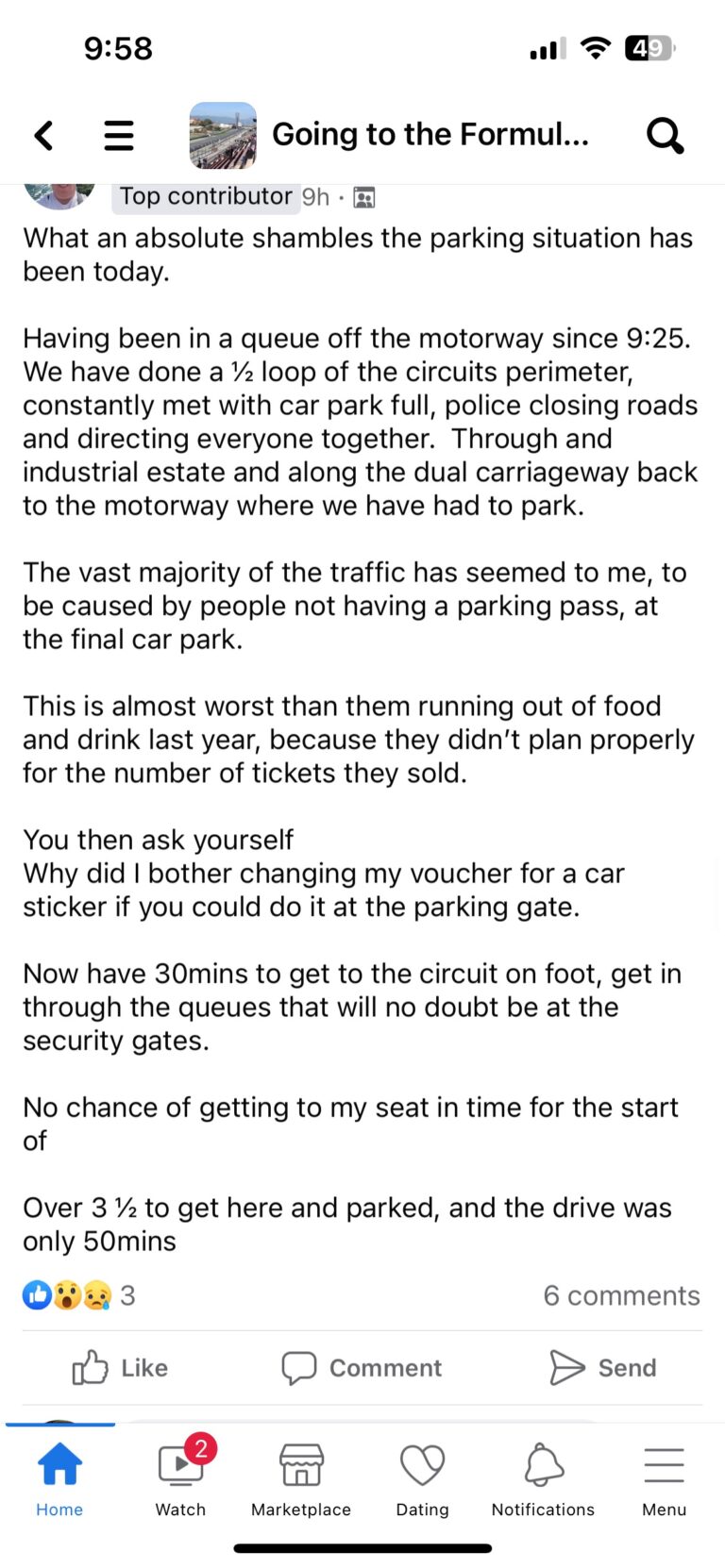
After traveling to five F1 races, the biggest lesson is this: the logistics matter more than the event itself. A badly planned trip ruins even the best match. Book your airport-to-stadium transport before you book tickets. Know your exit strategy after the final whistle — getting out of a 80,000-seat stadium in a foreign city at 11pm is not something to figure out on the spot.
Also: get an eSIM. You will need reliable data for the FIFA app, ride-hailing, and maps across three countries. Airalo has multi-country plans that cover the US, Canada, and Mexico on one eSIM.
Plan Your Trip
Flights: Search flights on Aviasales
Hotels: Compare hotels on Booking.com
eSIM: Get an Airalo eSIM for US/Canada/Mexico coverage
Tours: Browse city tours on GetYourGuide
Gear: Portable charger (essential for all-day stadium events) | Noise-canceling headphones for flights between cities
Keep Reading
- How to Pick Your First F1 Grand Prix
- Miami GP 2026: The Complete First-Timer Guide
- What to Pack for an F1 Race Weekend
- Best eSIM for Travel 2026
- Best Travel Insurance 2026
Affiliate disclosure: This post contains affiliate links. I earn a small commission if you book through them, at no extra cost to you. Links: SafetyWing travel insurance (10% off), Skyscanner for flights, Airalo eSIM for data, Booking.com for hotels, Viator for tours.
Real costs, honest reviews, and what I’d do differently — straight to your inbox.
Plan your own trip: guides I actually use
More from this region:
- How Much a Week at the 2026 World Cup Actually Costs
- Best 2026 World Cup Host Cities Ranked for Fans
Cards, lounges & insurance:
- Best Airport Lounges I Have Actually Used — From Changi to Istanbul
- Is Priority Pass Worth It in 2026 — My Honest Review After 15 Airports
- Best Travel Credit Cards for 2026: The Cards I Actually Use and Why
- Best Travel Insurance for 2026: What I Actually Recommend After 15 International Trips
Finding cheap flights:
- When to Book Flights by Region — The Booking Windows That Actually Save Money
- How to Find Error Fares and Flight Deals — The Services I Actually Use
- Google Flights vs Skyscanner vs Momondo — Which Actually Finds the Cheapest Flights
Staying connected abroad:
- Best VPN for Travel 2026 — NordVPN vs Surfshark and Why You Need One
- Best eSIM for Travel 2026 — Holafly vs Airalo vs Nomad
Travel gear I actually use:
- Best Portable Chargers for Travel in 2026: Which Size You Actually Need
- My Exact Travel Tech Setup After 15 International Trips
- Best Noise-Canceling Headphones for Travel in 2026: Tested on 40+ Flights
- Best Travel Backpacks for 2026: The 5 I Have Actually Used
- Phone Photography Tips for Travel: How to Take Great Photos With Just Your iPhone
Written by Jenna Fattah
I have visited 25+ countries across 6 continents, attended 7 Formula 1 races, and spent 4 years writing about what actually works and what I would do differently. Every recommendation on this site comes from trips I planned and paid for myself. Read more about me