Austria and Germany in 2025: Vienna, Innsbruck, Salzburg, and Bavaria
Frequently Asked Questions
What is the best time to visit Vienna?
Keep Reading
- Central Europe by Train: 2 Week Itinerary for Berlin, Prague, Vienna
- Best European Christmas Markets 2026: Vienna, Amsterdam, and Paris
- Austria and Bavaria: Vienna, Salzburg, and the F1 GP
May-June and September-October for mild weather and manageable crowds. December is magical for Christmas markets but cold. Summer (July-August) can be hot with some venues closed for renovation.
How do you travel between Vienna, Salzburg, and Munich?
Austrian Railways (OBB) runs fast trains connecting all three cities. Vienna to Salzburg is 2.5 hours, Salzburg to Munich is 1.5 hours. Book Sparschiene discount tickets 2-3 months ahead for fares starting at 19 euros.
Is the Sound of Music tour in Salzburg worth it?
If you love the movie, yes. The tour covers filming locations including the Mirabell Gardens and the lake district. If you are not a fan, spend the time at the Hohensalzburg Fortress and the old town instead.
Need a rental car? Compare prices on RentCars for the best deals in Austria.
Book activities: Browse activities on Klook
Central Europe at Its Most Scenic
The drive between Innsbruck and Salzburg through the Austrian Alps is the most beautiful stretch of road we have ever driven.
In This Post
- Central Europe at Its Most Scenic
- Vienna: Three Days of Palaces and Coffee Houses
- Innsbruck: The Alps from Your Hotel Window
- Salzburg: Mozart and Seriously Good Food
- Bavaria: The German Side of the Alps
- Practical Tips
- Related Reading
- What Was Happening in the Alps When We Visited
- Gear and Guides We Recommend
- Book Tours and Activities
- Find Flights to Vienna
- Frequently Asked Questions
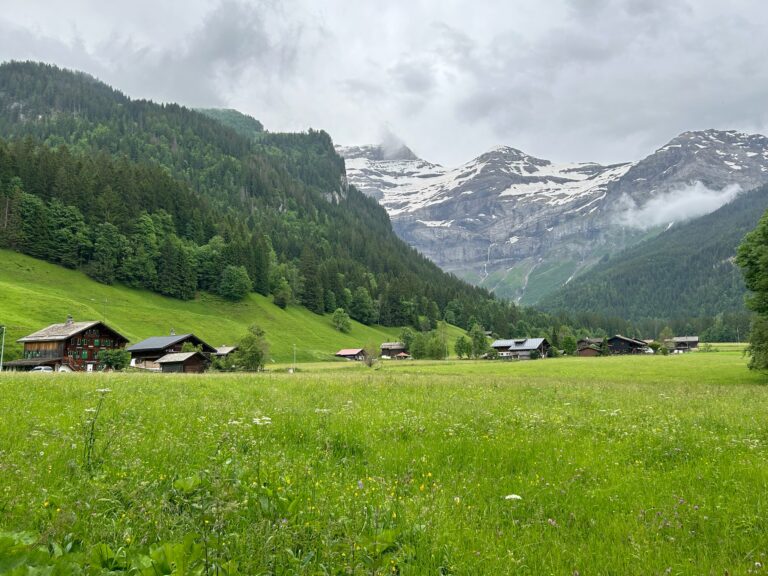
We did this trip in a loop starting from Vienna, driving west through the Alps to Innsbruck, south to Salzburg, then into Bavaria before flying home from Munich. The scenery between Innsbruck and Salzburg is some of the best in Europe — mountain passes, alpine lakes, and small towns that look exactly like postcards and are somehow even better in person.
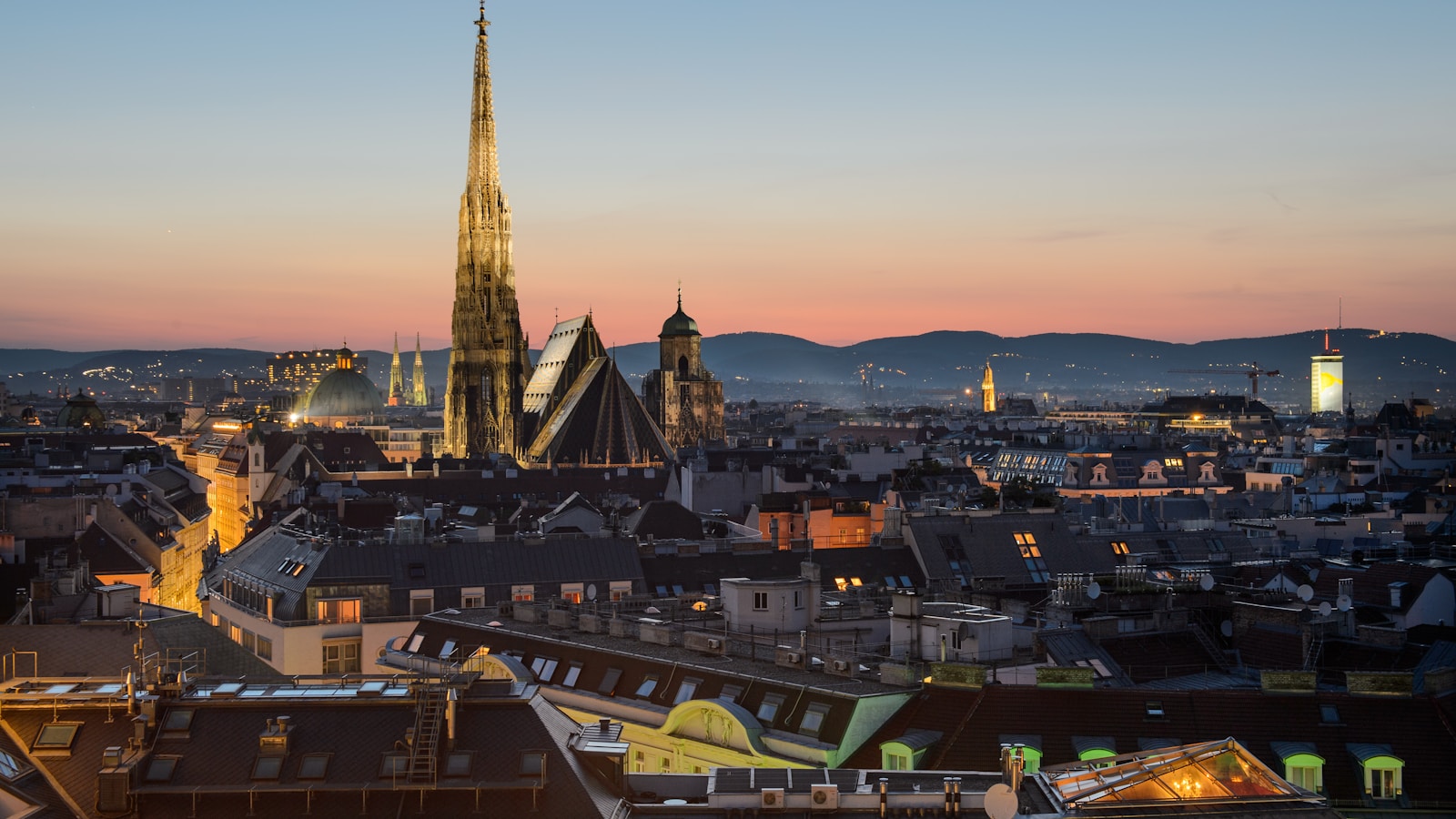
Vienna: Three Days of Palaces and Coffee Houses
Vienna takes itself seriously and it has earned the right. The Kunsthistorisches Museum alone is a full day. The Belvedere has Klimt’s The Kiss and deserves two hours minimum even if you think you are not into art. The coffee house culture is different here — these are not cafes, they are institutions. Order a Melange, read a newspaper, stay for three hours. Nobody will rush you.
Plachutta on Wollzeile is the definitive Tafelspitz — the boiled beef dish that is Vienna’s signature meal. It is simple food done with extraordinary precision, and the broth served alongside it is one of the best things you will eat in Austria.
Innsbruck: The Alps from Your Hotel Window
Innsbruck is a university city surrounded on all sides by mountains. The old town is compact and walkable in half a day, but the reason to come is the access to the Alps. The Nordkette cable car leaves from practically the city center and puts you at 2,300 meters in under 20 minutes. Even if you do not hike, the view from the top justifies the trip entirely.
Salzburg: Mozart and Seriously Good Food
Yes, everyone goes to Salzburg for Mozart and The Sound of Music. The Hohensalzburg Fortress is impressive and the old town is beautiful in a dense, layered way that rewards walking without a map. The Augustiner Bräustübl is one of the best beer halls in Austria — a 400-year-old monastery that still brews its own beer and fills thousand-seat rooms with locals every evening.
Bavaria: The German Side of the Alps
Driving from Salzburg into Bavaria the landscape barely changes — the Alps do not care about borders. The German side has better highway infrastructure and slightly higher prices. Munich is worth two days: the Englischer Garten is larger than Central Park, the Marienplatz is the right kind of beautiful, and the beer halls are not a tourist trap if you go to the right ones (Hofbräuhaus is fine but Augustiner am Stiglmaierplatz is where locals actually drink).
Practical Tips
- Drive if you can. The train connections between these cities are excellent, but having a car in the Alps lets you stop at the alpine lakes and mountain passes that are inaccessible by public transit.
- Vignette for Austria. The highway sticker costs about 10 euros for 10 days. Buy it at any gas station just over the border or you will get fined.
- Vienna in summer gets hot. Book accommodation with air conditioning or stay in the western neighborhoods which catch more breeze.
- Salzburg Festival fills hotels. The July-August classical music festival doubles hotel prices across the city. Book very early or go in May or September.
- Provence Road Trip in Lavender Season, Then Paris
- London in 3 Days: What to See, Eat, and Skip
- Curated Vintage: London and Paris Edition
- Paris in 4 Days: Art, Food, and What to Skip
- Greek Islands on the List: Santorini, Mykonos, and the Quieter Ones
Book on GetYourGuide:
Tours: Austria tours on Viator
Travel Insurance: We use SafetyWing for travel insurance on every international trip. It covers medical emergencies, trip interruptions, and lost luggage starting at $45/month with no fixed end date — perfect for multi-country itineraries.
Related Reading
Book hotels: Search Booking.com hotels
What Was Happening in the Alps When We Visited
We drove this loop in 2025, and the Alpine region was in the middle of a conversation about glacier loss that felt very real when you were standing in front of it. Austria’s largest glacier, the Pasterze on Grossglockner, has lost over half its volume since the 1850s, and the retreat is visible year over year — markers along the trail show where the ice reached in previous decades. Standing at the 2025 marker and looking at how far back the glacier was felt like watching a time-lapse in person.
Vienna’s coffee house culture was added to the UNESCO Intangible Cultural Heritage list in 2011, and the Viennese take it seriously. At Cafe Central, we sat in the same room where Freud, Trotsky, and Stalin (yes, all three) were regulars over a century ago. The cafe still has the chess tables and newspapers-on-sticks that made it famous, and the apfelstrudel recipe has reportedly not changed since the 1870s.
Salzburg was quieter than usual because the summer festival had just ended the week before we arrived. The Grosses Festspielhaus, which seats 2,179 and is carved into the side of the Monchsberg cliff face, was being cleaned and reset. A stagehand let us peek inside — the scale of the main stage (the largest in the world at 100 meters wide) is absurd when it is completely empty.
In Innsbruck, the Nordkette cable car had just upgraded its gondola system in 2024. The ride from the city center to 2,300 meters above sea level takes twenty minutes and the views are one of the most dramatic urban-to-alpine transitions you can do anywhere. At the top, the Karwendel Nature Park stretches into a wilderness that is the largest uninhabited area in the Northern Limestone Alps — no roads, no buildings, just rock and sky.
Bavaria’s beer gardens were operating under a centuries-old law that still applies: the Bayerische Biergartenverordnung (Bavarian Beer Garden Ordinance) lets you bring your own food to any beer garden as long as you buy their beer. This is not a hack or a loophole — it is literally the law, dating back to a time when breweries were required to separate food preparation from beer production. We brought cheese and bread from a market and had a €4 lunch with a €3 beer in a garden that tourists were paying €18 for a full meal.
Gear and Guides We Recommend
These are affiliate links. If you buy through them we earn a small commission at no extra cost to you.
- Lonely Planet Germany – Best coverage of Bavaria and Munich.
- Lonely Planet Austria – Covers Vienna, Salzburg, and the Alps well.
- Osprey Farpoint 40 Travel Backpack – Works as carry-on for short European trips.
- Anker Nano Power Bank – For long days of sightseeing and navigation.
- eSIM International Data – Works across Austria and Germany.
Book Tours and Activities
Find Flights to Vienna
Cheapest Flights to Vienna
| Departure at | Return at | Stops | Airline | Find tickets |
|---|---|---|---|---|
| Flexible | Flexible | Direct |  |
Check current fares |
Compare flights on Skyscanner — and grab an Airalo eSIM before you land so you have data the moment you arrive.
Related: The Best Walking Tours and Day Trips in Europe
Rental Cars: Compare rental car prices across all major agencies with RentCars — we use them to find the cheapest rates for road trips.
Get Travel Tips That Actually Help
Real costs, honest reviews, and what I’d do differently — delivered to your inbox.
No spam. Unsubscribe anytime.
Written by Jenna Fattah
I have visited 25+ countries across 6 continents, attended 7 Formula 1 races, and spent 4 years writing about what actually works and what I would do differently. Every recommendation on this site comes from trips I planned and paid for myself. Read more about me