Capri and the Amalfi Coast: What’s Worth It and What to Skip
Keep Reading
- Venice to Rome via Monza: Italy for the F1 Grand Prix
- Italy by Train: Rome to Milan via Naples and Florence
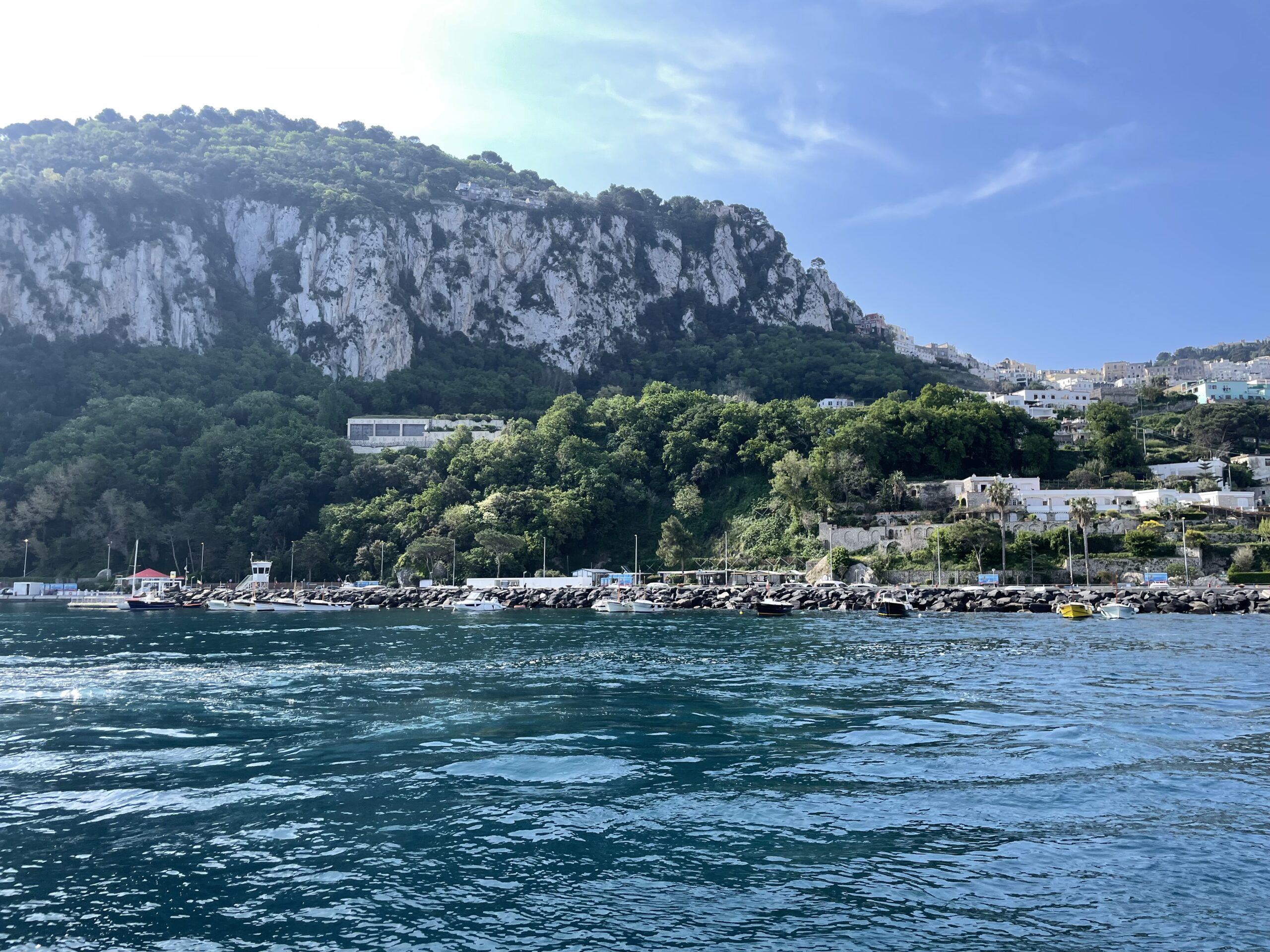
The $22 ferry from Sorrento to Capri takes 20 minutes, and the island is worth it even if you only go for the afternoon.
In This Post
I’d been to Italy a few times before this trip, always staying on the mainland. Capri kept coming up in conversation the way places do when people want to sound sophisticated about their vacations. I finally went. Here’s what actually matters.


Frequently Asked Questions
Is the Amalfi Coast worth visiting?
Yes, but go in shoulder season (May or late September). Summer is brutally crowded and expensive. The coastal drive is stunning, Ravello is the hidden star, and Capri is worth one full day despite the tourist prices. See our ranking of the best beach destinations.
How do you get to Capri from Naples?
Take the fast ferry (hydrofoil) from Naples Molo Beverello, about 45 minutes and around 22 euros each way. The Sorrento ferry is shorter (20 minutes) if you are already on the coast. Book the first morning boat to avoid crowds.
Is the Blue Grotto worth it?
Yes, if you go early. The Blue Grotto at Capri costs about 22 euros and is cash only. The rowboat ride inside is quick but the color is genuinely otherworldly. Skip it if the sea is rough, as they close the entrance.
For the full day trip breakdown including costs and what to do when the grotto is closed: Capri Day Trip from Naples: A $348 Boat Tour.
Book activities: Browse activities on Klook
What the Amalfi Coast Cost (Two People, 5 Days)
Here is what we actually spent (or what you should budget), based on our trip:
| Category | Cost | Notes |
|---|---|---|
| Flights (to Naples) | $400-700 | Via Rome or direct seasonal |
| Hotels | $180-350/night | Positano and Capri are priciest |
| Ferries | $18-25/crossing | Naples-Capri, Capri-Positano |
| Blue Grotto entry | $22 | Cash only, worth it early morning |
| Food | $60-100/day | Seafood restaurants, limoncello everywhere |
| Boat tours | $80-150 | Private vs group around Capri |
| Pompeii entry | $18 | Book skip-the-line |
| Total | $2,500-4,000 | Per couple, 5 days. Capri is the splurge. |
Prices are approximate and based on 2024-2025 travel. Book flights 2-3 months ahead for the best rates.
Tours: Amalfi Coast tours on Viator
Find Flights to Naples
Book hotels: Search Booking.com hotels
The Details That Made This Trip Unique
The Blue Grotto on Capri has been a tourist attraction since 1826, when two German tourists “rediscovered” it — the locals had known about it for centuries but avoided it because of superstitions about witches living inside. The effect happens because sunlight enters through an underwater opening and refracts through the water, turning everything an electric blue. But the grotto is only accessible when the sea is calm enough for the small rowboats to duck under the one-meter-high entrance. We got in on our first attempt — something the boatmen told us happens only about 60% of the time in peak season.
The Amalfi Coast road (SS163) was built in the early 1800s and has barely been widened since. The engineering is wild — it clings to cliffs that drop hundreds of meters straight into the sea, and in several places the road passes through natural rock arches that were carved by hand. The SITA buses that run the route use mirrors mounted on cliff faces at blind turns, and the drivers honk before every curve. After a few rides, you realize the honking is a precise communication system, not random chaos.
Positano was a poor fishing village until John Steinbeck wrote about it in Harper’s Bazaar in 1953. His essay, which called it “a dream place that isn’t quite real when you are there and becomes beckoningly real after you have gone,” turned it into a celebrity destination almost overnight. The vertical architecture — houses stacked up the cliff — exists because land was scarce and fishermen built upward. It was not designed to be picturesque; it was designed out of necessity, which is probably why it works.
Town by Town: Where to Actually Spend Your Time
Capri
Most day-trippers arrive at Marina Grande, ride the funicular to Capri town, take a few photos at the Piazzetta, and leave. That is fine if you only have half a day. But if you stay overnight, walk to Anacapri instead. It is less polished, cheaper, and has the best views on the island from Monte Solaro chairlift (18 euros round trip, 12 minutes each way, closes at 5pm). The Gardens of Augustus are worth the 1 euro entry for the view of the Faraglioni rocks alone.
Positano
The most photographed town on the coast is also the most vertical. Everything involves stairs. Wear good shoes, not sandals. The main beach (Spiaggia Grande) is crowded and the chair rental is 25-35 euros per person in summer. Walk 15 minutes west to Fornillo Beach for half the price and a fraction of the crowd. For dinner, Da Vincenzo is where locals go, and La Tagliata up in Montepertuso (a 10-minute drive above Positano) serves family-style meals with views that make the taxi ride worth it. Book both at least 3 days ahead in summer.
Ravello
Ravello sits 350 meters above the coast and feels like a different world from the beach towns below. Villa Rufolo and Villa Cimbrone both charge around 10 euros entry, but Cimbrone has the better terrace. For lunch, skip the expensive hotel restaurants on the main piazza. Mimi Bar Pizzeria, slightly downhill from the center, has homemade pizza and a local crowd. Ravello is also where the Amalfi Coast Ravello Festival runs from June through September, with outdoor concerts in the Villa Rufolo gardens.
Amalfi Town
The town that gives the coast its name is actually the most practical base if you are on a budget. Hotels here cost 30-40% less than Positano, and the ferry connections to Capri, Positano, and Salerno are frequent. The cathedral (Duomo di Amalfi) is free to look at from outside but 3 euros to enter. For lunch, Sensi does excellent lemon pasta (this is the lemon capital of Italy, after all), and La Caravella has a Michelin star if you want one nice meal.
Getting Around the Amalfi Coast
The SITA buses are the cheapest way to travel the coast (2.40 euros per ride), but they fill up fast and the standing room on hairpin turns is not for the motion-sensitive. Buy tickets at tabacchi shops before boarding. The buses run roughly every 30-60 minutes between Sorrento and Amalfi, with stops at every town.
Ferries are the better option if you can afford them. NLG and Travelmar run services between Sorrento, Positano, Amalfi, and Salerno from April through October. A Sorrento-to-Capri ticket costs 19-21 euros plus a 5 euro landing fee in peak season. The Naples-to-Capri hydrofoil is 19-25 euros and takes 50-90 minutes depending on the vessel. Book the earliest morning ferry to Capri (usually 8:30am from Sorrento) to beat the day-trip crowds.
Renting a car sounds appealing for the freedom but is genuinely stressful here. The SS163 coast road is barely two lanes wide, with buses taking up most of both. Parking in Positano costs 30-40 euros per day when you can find a spot. If you do drive, the stretch between Ravello and Amalfi via the inland road through the Valle delle Ferriere is quieter and equally beautiful.
When to Go
September and early October are the sweet spot. The water is still warm enough to swim, the summer crowds thin out by 40-50%, hotel prices drop, and the light for photos is better. May is the second-best option, with everything open and temperatures comfortable for walking.
June through August is peak season. Expect packed ferries, two-hour waits for the Blue Grotto, and hotel prices that double compared to shoulder season. If you must go in summer, base yourself in Sorrento or Amalfi town (cheaper and better connected) and do day trips by ferry. Avoid driving the coast road on weekends in July and August.
The Blue Grotto entrance costs 18 euros total (14 euro boat fee plus 4 euro amenity fee), and it is cash only. The best light inside the grotto is between noon and 2pm, but that is also when the queue is longest. Arriving before 9:30am or after 3pm means shorter waits. The grotto closes when seas are rough, so check with your hotel the morning of and have a backup plan.
Related Reading
Planning a broader Italy trip? Italy by Train: How to Actually Get Around Without Losing Your Mind covers the rail network, how to book tickets without getting ripped off, and which routes are worth the scenic upgrade.
Gear
What I’d bring specifically for this trip:
- Amalfi Coast travel guide (Rick Steves) — still the most practical printed guide for this region. Better than trying to navigate review apps on a cliff road.
- Osprey Daylite 13L day bag — light enough for all-day walking in heat, enough room for a layer, water, camera, and a market haul.
- Waterproof phone case with lanyard — necessary for the Blue Grotto boat ride, and useful for any beach or boat day along the coast.
- EltaMD UV Clear sunscreen SPF 46 — the sun on the water reflects hard. This is what I use. It doesn’t leave a white cast.
- Provence Road Trip in Lavender Season, Then Paris
- London in 3 Days: What to See, Eat, and Skip
- Curated Vintage: London and Paris Edition
- Paris in 4 Days: Art, Food, and What to Skip
- Greek Islands on the List: Santorini, Mykonos, and the Quieter Ones
Compare flights on Skyscanner — and grab an Airalo eSIM before you land so you have data the moment you arrive.
Plan Your Trip
- Search flights on Aviasales
- Compare hotels on Hotellook
- Airalo eSIM — skip the SIM card hunt at the airport
- Browse tours and activities on GetYourGuide
Need a rental car? Compare car rental prices for your trip.
Travel insurance: SafetyWing covers you from $42/month with no fixed end date — perfect for flexible trips.
Get Travel Tips That Actually Help
Real costs, honest reviews, and what I’d do differently — delivered to your inbox.
No spam. Unsubscribe anytime.
Related Reading
Written by Jenna Fattah
I have visited 25+ countries across 6 continents, attended 7 Formula 1 races, and spent 4 years writing about what actually works and what I would do differently. Every recommendation on this site comes from trips I planned and paid for myself. Read more about me