Mexico City: Five Days in the World’s Best Food City
Keep Reading
- Bangkok Street Food vs Restaurants — Where to Eat and How Much It Costs
- Singapore Hawker Centers Ranked — Where Locals Actually Eat for $3
- Istanbul Beyond Kebabs — A Food Guide to What Locals Actually Eat
Related: best cities for remote work
Mexico City: The Most Underrated Food Capital in the World
Mexico City broke every expectation — $3 tacos that rivaled anything in New York, world-class museums with no lines, and neighborhoods that feel like different cities. See how the big city trips compare on budget.
In This Post
Mexico City broke every expectation we had. We came for the tacos and stayed for everything else — world-class museums, neighborhoods that feel like different cities, and a food scene that rivals anywhere on earth at a fraction of the cost. Five days felt right. Here is what we did.
Roma and Condesa
These two neighborhoods are where most visitors base themselves, and for good reason. Tree-lined streets, art deco architecture, independent coffee shops, and restaurants on every block. Roma Norte is slightly grittier and has better street food. Condesa is leafier and more residential. We stayed in Roma Norte and walked to Condesa daily — they share a border along Avenida Insurgentes.
Contramar in Roma is the restaurant everyone talks about, and it deserves the hype. The tuna tostadas and the green-and-red grilled fish are the signatures. Go for a late lunch (2 PM) when the crowd thins. No reservations — just show up and wait.
Historic Center and Chapultepec
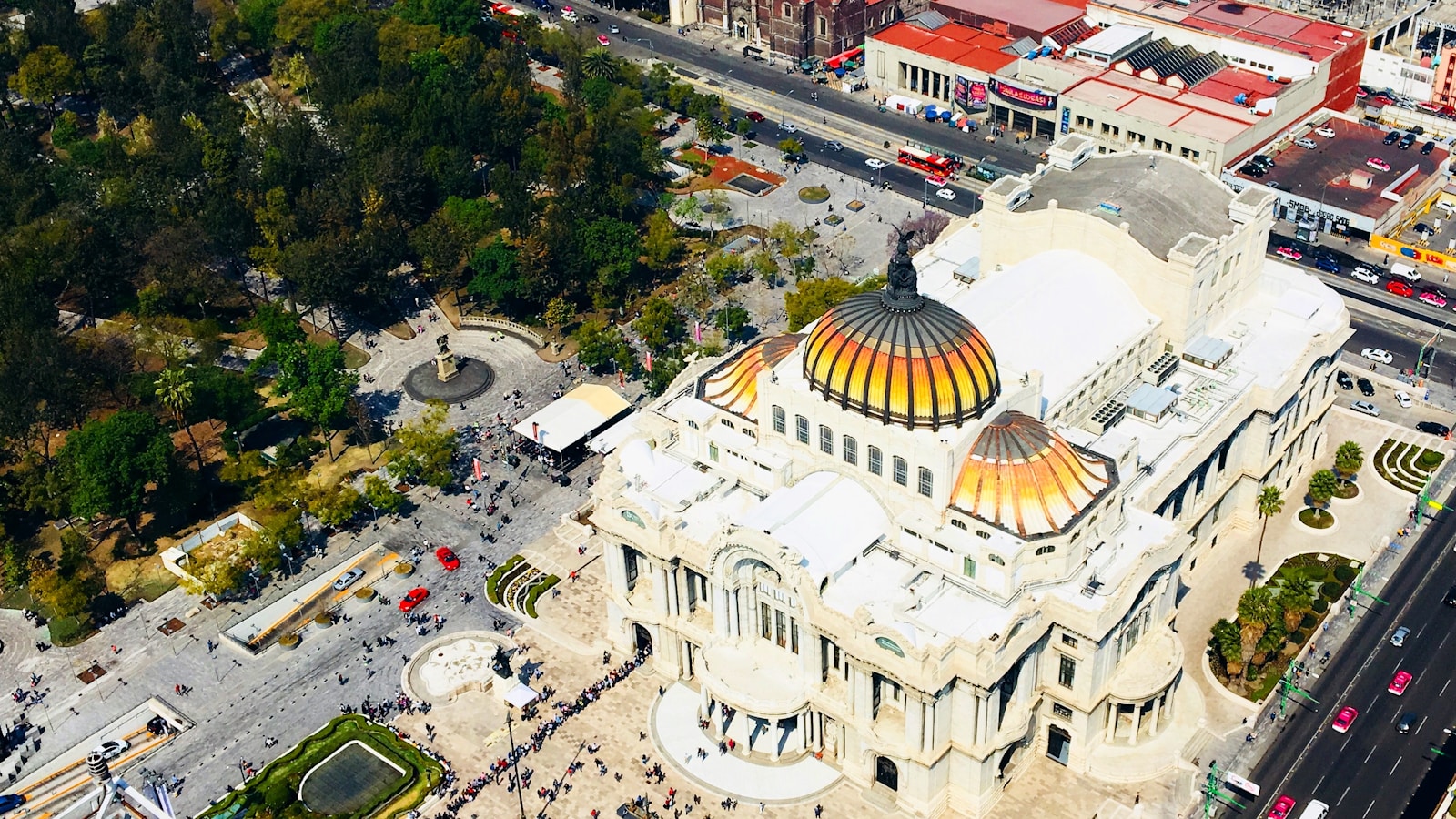
The Zocalo (main plaza) is one of the largest public squares in the world. The Palacio Nacional on the east side has Diego Rivera murals covering the entire history of Mexico across three floors — it is free to enter and stunning. The Templo Mayor next door is the excavated remains of the Aztec capital Tenochtitlan, which was literally buried under the Spanish colonial city.
The Museo Nacional de Antropologia in Chapultepec Park is the best museum in Latin America. The Aztec Sun Stone, the Mayan jade mask of Pakal, the Olmec colossal heads — allocate at least three hours. The museum is closed on Mondays.
Street Food
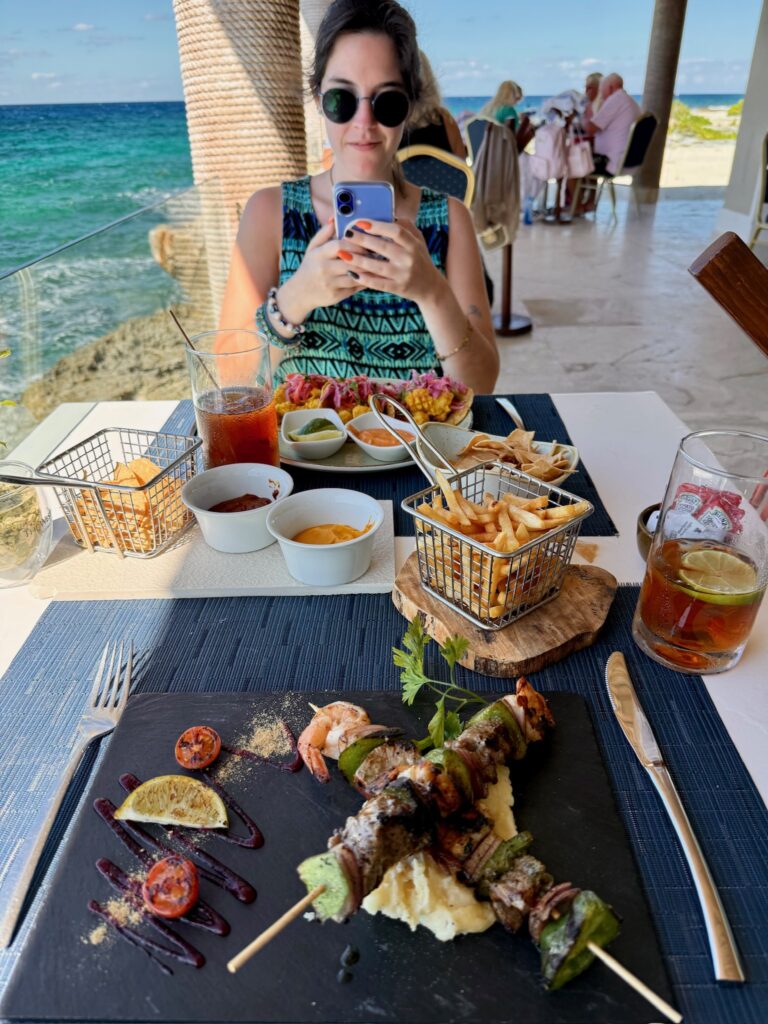
Tacos al pastor from a street stand with a proper trompo (vertical spit) are a religious experience. The best ones shave thin slices of pork, top them with a slice of pineapple cut from the top of the spit, and serve them on small corn tortillas with cilantro and salsa verde. We ate these daily, sometimes twice.
Tamales from a morning street vendor wrapped in banana leaf. Elote (grilled corn) with mayo, cotija cheese, chili, and lime from a cart. Tlacoyos (stuffed masa cakes) at the Coyoacan market. The street food alone is worth the trip, and a full meal rarely costs more than $3-4.
Coyoacan and Xochimilco
Coyoacan is a colonial-era neighborhood south of the center where Frida Kahlo lived. The Casa Azul (Blue House) museum is small but powerful — seeing her actual studio and the house where she and Diego Rivera lived makes the art personal. Book tickets online in advance; they sell out.
Xochimilco is the floating gardens — colorful boats called trajineras that cruise ancient Aztec canals. Go on a weekday to avoid the party-boat crowds. Bring your own food and drinks (vendors on boats charge double). The canals with floating gardens and bird sanctuaries are beautiful and unlike anything else we have done.
Markets Worth the Trip
Mercado Medellin in Roma Sur is the market locals use for actual grocery shopping, which means the food stalls inside are priced for regulars, not visitors. The tortas here cost 45-60 pesos (about 3 dollars), and the fruit juice stands blend to order for 25 pesos. The Colombian section has the best empanadas in the neighborhood.
La Merced is the largest traditional market in Mexico City and one of the oldest in the Americas. It is overwhelming — hundreds of vendors across multiple buildings selling everything from dried chiles to live chickens. Go for the spice section and the mole vendors who sell paste by the kilo. The food stalls in the back serve comida corrida (set lunch) for 60-80 pesos: soup, rice, a main, agua fresca, and tortillas. That is a full meal for under 5 dollars.
On Sundays, the Mercado el 100 sets up in Roma with organic produce, artisanal sauces, and small-batch honey. It is more expensive than the traditional markets but worth visiting once for the quality. The tlayuda vendor (a Oaxacan crispy tortilla with beans, cheese, and meat) consistently has the longest line.
What to Eat Beyond Tacos
Tacos al pastor are the obvious must — the vertical spit (trompo) of marinated pork with pineapple is a direct descendant of Lebanese shawarma brought to Mexico by immigrants in the early 1900s. But limiting yourself to tacos misses most of what makes CDMX the best food city in the Western Hemisphere.
Tamales are a morning staple. The women selling them from coolers outside Metro stations at 7am are not a tourist attraction — they are how the city eats breakfast. Chicken-mole and rajas con queso (chili strips with cheese) are the safe bets. A guajolota — a tamal stuffed inside a bolillo bread roll — sounds excessive until you try it. It is the Mexico City breakfast sandwich and costs about 25 pesos.
Tlacoyos are thick oval corn patties stuffed with beans or potato, griddled, and topped with salsa and cheese. They are pre-Hispanic, genuinely ancient, and sold at almost every market. Elotes (corn on the cob with mayo, chili, lime, and cheese) are everywhere after 5pm, and the esquites version (corn in a cup) is easier to eat while walking.
World-Class Dining for Less Than Anywhere Else
Pujol, run by Enrique Olvera, is currently ranked number one in the world on several lists and a tasting menu here costs about 30% less than comparable restaurants in New York or Paris. Reservations open months in advance. Quintonil, also in Polanco, is the other World’s 50 Best entry and equally difficult to book. Maximo Bistrot in Roma is the neighborhood restaurant that locals consider the best overall value — French technique with Mexican ingredients, a smart wine list, and a bill that rarely exceeds 800 pesos per person with drinks.
For something between street food and fine dining, Lardo in Condesa does wood-fired Mediterranean food with guava rolls that are famous enough to have their own following. El Pescadito in Condesa serves Baja-style fish tacos for 48 pesos each — some of the best fish tacos outside of Ensenada.
Safety
We felt safe in Roma, Condesa, Coyoacan, Polanco, and the Historic Center during the day. Use Uber or Didi instead of street taxis. Do not flash expensive cameras or jewelry in crowded areas. These are the same precautions you would take in any major city. Mexico City’s reputation is worse than the reality for tourists who stay in the main neighborhoods.
Tours: Mexico tours on Viator
Travel Insurance: We use SafetyWing for travel insurance on every international trip. It covers medical emergencies, trip interruptions, and lost luggage starting at $45/month with no fixed end date — perfect for multi-country itineraries.
Gear and Guides We Recommend
These are things we actually use and recommend. Some links below are affiliate links, which means we may earn a small commission at no extra cost to you.
- Osprey Farpoint 40L Travel Backpack — the only bag you need for two weeks anywhere
- Anker Nano Power Bank — saved us dozens of times when phones died mid-navigation
- eSIM International Data — skip the SIM card hunt at the airport
- Peak Design Packing Cubes — actually worth the hype for organizing
- Seattle to LA: A West Coast Trip on Marriott Points
- Savannah and Hilton Head: A Long Weekend in the Lowcountry
- Rome in 4 Days: The Pantheon, Colosseum, and Where to Actually Eat
- Paris in 4 Days: Art, Food, and What to Skip
Book Tours and Activities
Find Flights to Mexico City
Cheapest Flights to Mexico City
| Departure at | Return at | Stops | Airline | Find tickets |
|---|---|---|---|---|
| Flexible | Flexible | Direct |  |
Check current fares |
Related Reading
- City Trip Showdown: 5 Cities Compared
- Caribbean Island-Hopping Bucket List
- Credit Card Points Strategy
Compare flights on Skyscanner — and grab an Airalo eSIM before you land so you have data the moment you arrive.
Rental Cars: Compare rental car prices across all major agencies with RentCars — we use them to find the cheapest rates for road trips.

Frequently Asked Questions
Is Mexico City safe for tourists?
Yes, with normal urban precautions. Roma, Condesa, Polanco, and Coyoacan are safe and walkable neighborhoods. Use Uber instead of hailing taxis. We felt safe the entire trip.
How many days do you need in Mexico City?
Five days is ideal. Three for the city itself (Roma, Condesa, Historic Center, Chapultepec), one for Coyoacan and Xochimilco, and one for museums and markets.
What is the best street food in Mexico City?
Tacos al pastor from any busy taco stand, tlacoyos at the Coyoacan market, esquites from street vendors, and churros from El Moro. Budget about $3-5 per meal eating street food.
Need a rental car? Compare prices on RentCars for the best deals in Mexico.
Book activities: Browse activities on Klook
Book Activities: Mexico City tours on GetYourGuide — food tours, Teotihuacan day trips, and Xochimilco boat rides.
Book hotels: Search Booking.com hotels
Get Travel Tips That Actually Help
Real costs, honest reviews, and what I’d do differently — delivered to your inbox.
No spam. Unsubscribe anytime.
Written by Jenna Fattah
I have visited 25+ countries across 6 continents, attended 7 Formula 1 races, and spent 4 years writing about what actually works and what I would do differently. Every recommendation on this site comes from trips I planned and paid for myself. Read more about me