How to Plan a Trip: The 5-Step System That Works Every Time
How We Plan Every Trip: Tools, Timing, and What We Wish We Knew Earlier
Keep Reading
After more than 30 international trips, we have a system. It is not complicated, but it saves us thousands of dollars and dozens of hours every time. Here is exactly how we plan, book, and pack for a trip.
Once you’ve planned a few trips, the second-pass lessons are where the gains compound — see what I’d do differently after 11 destinations.
In This Post
- How We Plan Every Trip: Tools, Timing, and What We Wish We Knew Earlier
- Step 1: Choose Dates Based on Shoulder Season
- Step 2: Book Flights Early, Hotels Late
- Step 3: Build a Flexible Itinerary
- Step 4: Packing
- Step 5: Money and Communication
- Our Packing List
- Related Reading
- Find Your Next Flight
- Frequently Asked Questions
Step 1: Choose Dates Based on Shoulder Season
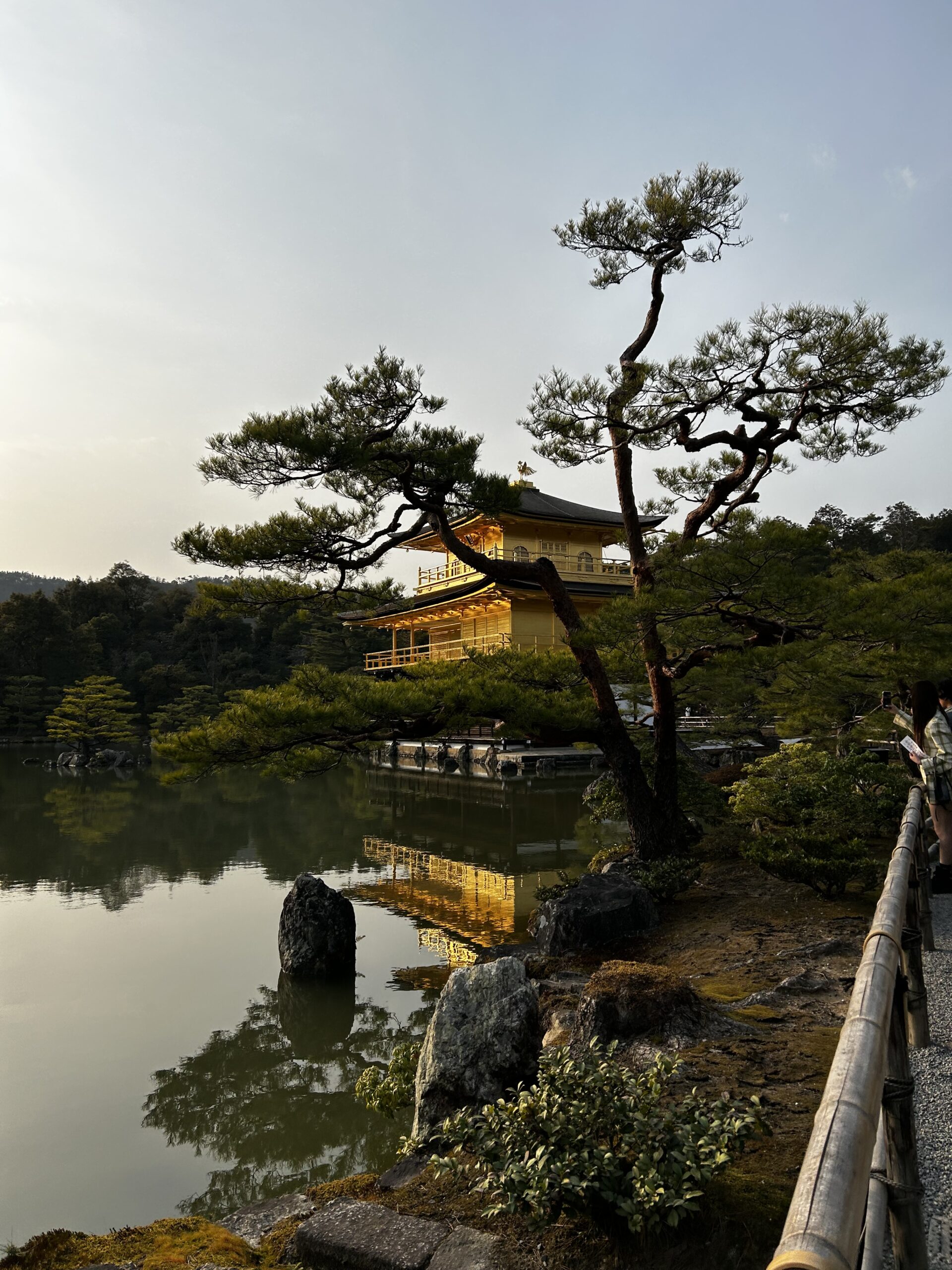
Peak season means peak prices and peak crowds. Shoulder season — the weeks just before and after peak — gives you 70% of the weather at 50% of the cost. For Europe, that means May or late September instead of July. For Southeast Asia, November instead of January. For Japan, early April (cherry blossoms start) or late October (autumn foliage begins) instead of mid-April or mid-November when everyone is already there.
Use Google Flights’ date grid or calendar view to spot the cheapest days to fly. Tuesdays and Wednesdays are almost always cheaper than weekends. Setting flexible dates and searching a month-wide view regularly saves us $200-500 per person on flights.
Step 2: Book Flights Early, Hotels Late
Flights get more expensive as the departure date approaches. We book international flights 2-4 months ahead, domestic 3-6 weeks ahead. Hotels are the opposite — prices often drop closer to the date as properties try to fill rooms. We book refundable hotels early to lock in availability, then check back a few weeks before departure for lower rates and rebook if the price dropped.
Credit card points are the single biggest hack. We put all regular spending on travel rewards cards and typically generate enough points for 2-3 free flights per year. The annual fees pay for themselves many times over.
Step 3: Build a Flexible Itinerary
Over-planning ruins trips. Under-planning wastes time. The sweet spot is having 2-3 priorities per day with flexibility around them. We use a shared Google Doc with a rough day-by-day outline, a running list of restaurants, and a “skip if tired” section for optional activities. This gives structure without turning the trip into a checklist.
Research restaurants before you go. The best restaurants in popular cities often require reservations weeks or months in advance. Missing a meal at a restaurant you wanted to try because you did not book ahead is a preventable mistake.
Step 4: Packing
One carry-on backpack and one personal item. Every trip, regardless of length. This eliminates checked bag fees, baggage claim waits, lost luggage risk, and the hassle of dragging a suitcase over cobblestones. The key is packing cubes and choosing clothes that layer and mix-and-match. We each bring 4-5 tops, 2 bottoms, one jacket, and do laundry every 5-6 days.
Step 5: Money and Communication
Get a no-foreign-transaction-fee credit card before you travel. The Charles Schwab debit card refunds all ATM fees worldwide — we have used it in 20+ countries. Download offline maps in Google Maps before you leave. Buy an eSIM instead of hunting for a physical SIM card at the airport — Airalo works in most countries and takes two minutes to set up on your phone.
Our Packing List
Here is exactly what we bring on every trip:
- Osprey Farpoint 40L Backpack — fits as a carry-on on every airline we have flown
- Peak Design Packing Cubes — compression cubes that actually save space
- Anker Nano Power Bank 10000mAh — charges a phone twice, fits in a pocket
- Airalo eSIM — instant international data without swapping SIM cards
- Universal Travel Adapter — one adapter for every country
- Bose QuietComfort Earbuds — noise cancelling for flights and trains
- Kindle Paperwhite — lighter than a book, holds your entire library
- Sea to Summit Dry Bag — keeps electronics safe on boats and beach days
- March: Spring Awakening
- April: Global Sweet Spot
- May: Shoulder Season Excellence
- June: Northern Summer ‘ Marine Life
- July: Peak Summer ‘ Migration Drama
- Where to Go in 2025: Budget, Crowds, and Weather
Related Reading
- What I’d Do Differently: 11 Destinations
- Credit Card Points Strategy
- Italy by Train
- Japan: Two Weeks
Book hotels: Search hotels on Booking.com
Find Your Next Flight
Compare flights on Skyscanner.
Tours: Florence tours on Viator
Activities: Japan on Klook
Book Activities: We book most tours through GetYourGuide for the free cancellation policy and verified reviews.
Travel Insurance: We use SafetyWing for travel insurance on every international trip. It covers medical emergencies, trip interruptions, and lost luggage starting at $45/month with no fixed end date — perfect for multi-country itineraries.
Frequently Asked Questions
How far in advance should you book international flights?
Book international flights 2-4 months before departure for the best prices. Use Google Flights or Skyscanner to set price alerts. Shoulder season flights are often 30-50% cheaper than peak season.
What is the best way to plan a multi-city trip?
Start with a rough route, then book flights to lock in dates. Leave hotel bookings flexible until 2-4 weeks before departure. Use Google Maps to estimate transit times between cities and avoid over-scheduling.
What are the essential packing items for international travel?
A universal power adapter, portable battery pack, packing cubes, and a quality daypack cover 90% of travel needs. Roll clothes instead of folding to save space. Keep one change of clothes in your carry-on in case checked bags are delayed.
Get Travel Tips That Actually Help
Real costs, honest reviews, and what I’d do differently — delivered to your inbox.
No spam. Unsubscribe anytime.
Written by Jenna Fattah
I have visited 25+ countries across 6 continents, attended 7 Formula 1 races, and spent 4 years writing about what actually works and what I would do differently. Every recommendation on this site comes from trips I planned and paid for myself. Read more about me