Iceland Ring Road: The Itinerary I’d Book for Waterfalls, Glaciers, and Volcanic Beaches
Why Iceland Is Next
Keep Reading
Iceland has been on the list for years, and it’s finally getting planned. The Ring Road and its glacier-fed waterfalls make it one of those places where every photo looks fake. Here is the trip I’m building based on extensive research and advice from people who have driven the Ring Road and lived to tell about it.
Updated April 2026 | 9 min read
Quick Picks
- Must-see: Jokulsarlon Glacier Lagoon and Diamond Beach — unlike anything else on earth
- Best value: Sky Lagoon over Blue Lagoon — less crowded, better views, lower price
- Skip: Reykjavik beyond 2 days — the real Iceland is outside the city
In This Post
- Why Iceland Is Next
- Reykjavik: 1 to 2 Days Is Enough
- The Golden Circle
- The South Coast: Waterfalls and Black Sand
- Jokulsarlon Glacier Lagoon and Diamond Beach
- Myvatn and the North
- Ring Road Logistics: Campervan vs. Hotels
- Blue Lagoon vs. Sky Lagoon
- What to Skip
- What Makes This Route Different
- Food Costs, Honestly
- Gear and Guides Worth Packing
- Related Reading
- Book Tours and Activities
- Find Flights to Reykjavik
- Scandinavia in August
- Switzerland by Train
Here is the full HTML content for the WordPress post:
“`html
Iceland is one of those places that gets talked about so much you almost convince yourself it will be a letdown. Ring Road trip reports consistently say otherwise. It’s not cheap, it’s not always convenient, and a few parts of it get overhyped. Here’s the route I’d book and what I’d actually do along the way.
Reykjavik: 1 to 2 Days Is Enough
Reykjavik is a small capital. You can walk most of it in a day. I’d spend two nights there to shake off jet lag and front-load some city time before handing the rest of the trip to a campervan.
Hallgrimskirkja is worth going up. The tower costs about 1,000 ISK (roughly $7) and gives you a clean panoramic view of the city and the water. It’s not a long visit — maybe 20 minutes total — but it’s an easy first stop. The church itself is striking from the outside, stark concrete Lutheran architecture that looks like it was built to survive the apocalypse.
Harpa Concert Hall is right on the waterfront. The exterior is more interesting than the interior — all geometric glass panels that catch light differently depending on the time of day. You don’t need to go inside unless there’s a show on. Walk around the outside, then walk along the harbor.
Food in Reykjavik is expensive. A sit-down dinner with drinks will run you $50 to $80 per person easily. Noodle Station on Laugavegur does a basic beef broth soup for around 1,800 ISK and it’s filling. Braud and Co. has good bread and pastries if you want a cheap breakfast. The hot dog stand by the harbor (Baejarins Beztu) is a genuine local lunch staple — one dog with everything costs under $5 and by most accounts it’s actually good.
Skip the Golden Circle bus tours that leave from Reykjavik. Rent a car or a campervan and do it yourself.
The Golden Circle
The Golden Circle covers three main sites: Thingvellir National Park, the Geysir geothermal area, and Gullfoss waterfall. Most people do it as a day trip from Reykjavik. It works as a loop and you can do all three in five to six hours without rushing.
Thingvellir is where the North American and Eurasian tectonic plates meet, which makes it legitimately interesting from a geology standpoint. It’s also where Iceland’s original parliament, the Althing, met starting in 930 AD. The rift valley is visible and you can walk down into it. Snorkeling in Silfra — the fissure between the plates — is available through tour operators and divers who’ve done it describe exceptional visibility, but the wetsuit rental runs around $200 per person, which is enough to make it a skip for a budget-conscious itinerary.
Geysir is where the word “geyser” comes from. The original Geysir doesn’t erupt reliably anymore, but Strokkur right next to it erupts every five to ten minutes to about 30 meters. You stand in a crowd, you watch it go, you get wet if you’re too close. Worth seeing, but you don’t need more than 45 minutes here.
Gullfoss is a massive two-tiered waterfall that drops into a gorge. It’s loud, it’s large, and the walkways let you get close enough to feel the spray. Most trip reports single this out as the best of the three Golden Circle stops. Go on a sunny day if you can and you’ll get rainbows in the mist.
The South Coast: Waterfalls and Black Sand
This is the stretch most people mean when they talk about Iceland’s highlights. Drive the Ring Road east from Reykjavik and you hit it in about 90 minutes. Plan a full day, ideally two.
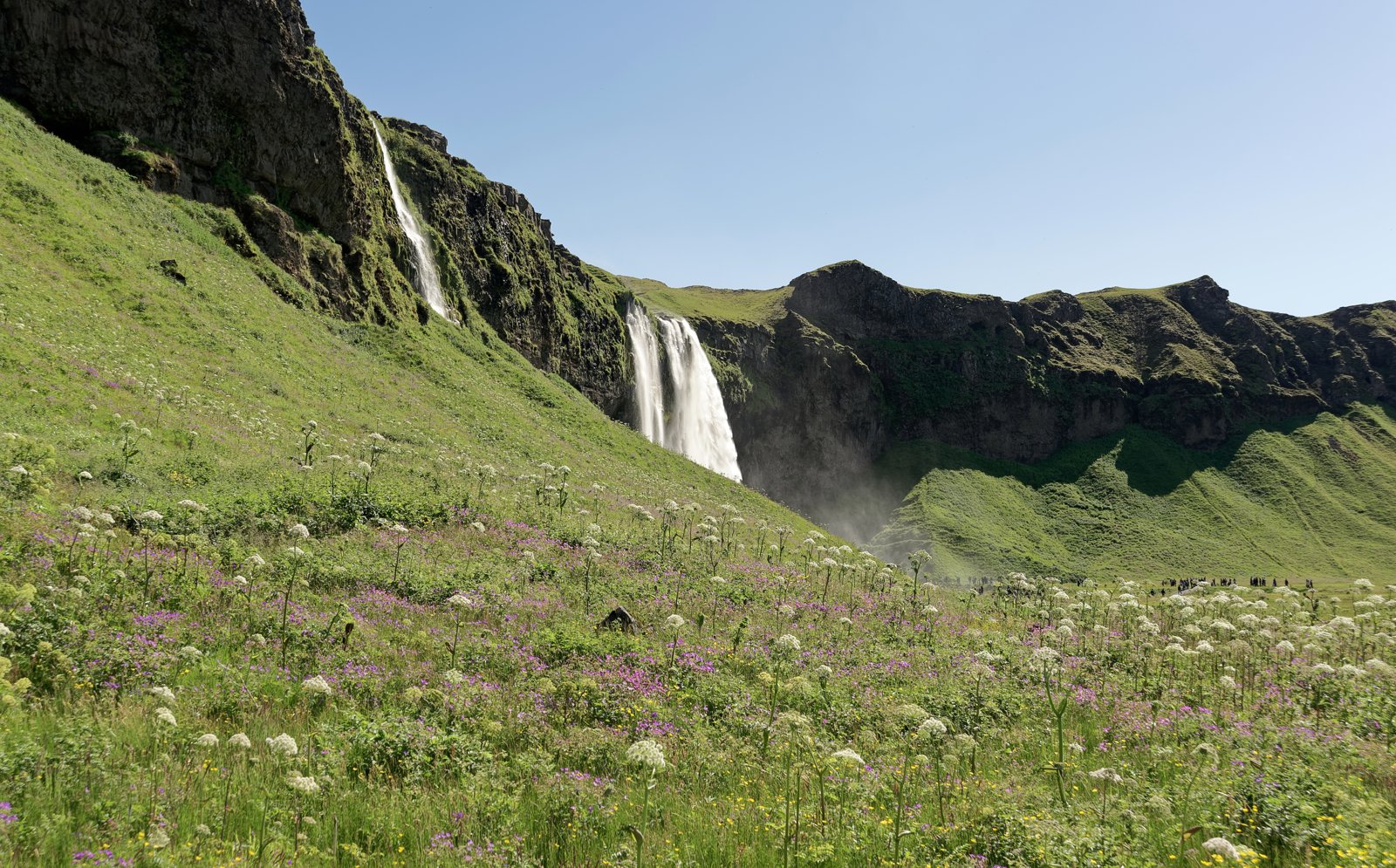
Seljalandsfoss is the waterfall you can walk behind. There’s a path that goes around the entire falls and through a cave behind the curtain of water. Wear waterproof gear because you will get wet. The approach path is muddy and slippery. Go early in the morning or late in the evening to avoid the crowds.
Skogafoss is about 30 kilometers further east and it’s bigger and more dramatic. There are 527 steps up the side of the cliff to a viewing platform at the top, and from there you can hike the Fimmvorduhals trail further into the highlands. The waterfall itself is accessible right from the parking lot. On a sunny day the spray creates a constant rainbow. This is the waterfall most people name as the highlight of the south coast, and it’s easy to see why.
Reynisfjara black sand beach near Vik doesn’t look like anywhere else on a standard itinerary. The sand is genuinely black, the basalt column formations on the cliff face are striking, and the sea stacks offshore are dramatic. The waves here are genuinely dangerous — sneaker waves come in fast and people have died. There are signs everywhere. Stay back from the water’s edge further than feels necessary. The beach itself is beautiful and worth an hour. The village of Vik is small and has a few restaurants and a well-stocked grocery store if you’re camping and need to restock.
Jokulsarlon Glacier Lagoon and Diamond Beach
Jokulsarlon is about four hours east of Vik. The lagoon sits at the edge of Vatnajokull, Europe’s largest glacier. Icebergs calve off the glacier and float through the lagoon out to sea. Some of them are the size of houses. The color variation — blue, white, grey, streaked with black volcanic ash — makes it look like a set piece that’s been engineered to be photographed. It hasn’t been. That’s just what it looks like.
Boat tours run through the lagoon and get you close to the icebergs. The amphibious duck boats are the classic option and run about $50 per person. Worth it if conditions are good.
Diamond Beach is directly across the road. Icebergs that make it through the lagoon wash up on a black sand beach here, so you get clear ice chunks sitting on black sand next to the ocean. It’s as photogenic as it sounds. Go at sunrise or sunset if you can manage the timing, though photographers who’ve shot it in late afternoon light say it holds up fine outside the golden hours.
Myvatn and the North
Myvatn is a geothermal lake region in the north, about an hour east of Akureyri. The landscape around it is completely different from the south — lava fields, craters, mud pools, fumaroles. Hverfjall is a tephra crater you can walk around the rim of in about an hour. The Dimmuborgir lava formations nearby are bizarre rock shapes worth walking through. The Myvatn Nature Baths are a less crowded, less expensive version of the Blue Lagoon experience — geothermally heated outdoor pools with views of the lake.
Akureyri is Iceland’s second largest city, which means it has about 20,000 people. It’s a functional overnight stop with decent restaurants and a nice botanical garden that’s free to enter. Rub of the Rhubarb on the main street does good fish. The red traffic lights in the city center are shaped like hearts, which is either charming or annoying depending on your disposition.
Ring Road Logistics: Campervan vs. Hotels
Ten days in a campervan is enough to drive the entire Ring Road at an easy pace. The road (Route 1) is fully paved and in good condition for a standard vehicle. You do not need a 4×4 for the Ring Road itself. You need a 4×4 only if you’re going into the highlands on F-roads, which are unpaved, rough, and technically illegal to drive in a 2WD rental.
A campervan rental in peak summer (June through August) runs about $150 to $250 per day depending on the size and age of the vehicle. That includes the vehicle but not fuel. Gas is expensive — expect to pay around $2.50 per liter. A campervan with a kitchen saves significantly on food: cooking most dinners and buying groceries at Bonus supermarkets (the yellow pig logo), the cheapest chain in Iceland, keeps costs down.
Camping in Iceland requires staying at designated campsites except in remote wilderness areas. Campsites run about $15 to $25 per person per night and most have showers and bathrooms. Wild camping was restricted in the south in recent years due to overuse, so check current rules before assuming you can park anywhere.
Hotel-based Ring Road trips are absolutely doable. Guesthouses and farm stays are scattered along the route. Budget $150 to $250 per night for a basic double room. Airbnb exists but options thin out significantly outside Reykjavik.
Blue Lagoon vs. Sky Lagoon
The Blue Lagoon is the most famous and the most expensive. Entry starts around $70 and goes up significantly for the premium tiers with free drinks and silica mud masks. It’s crowded, it’s a production, and it’s located next to a geothermal power plant near the airport, which means it’s convenient for arrival or departure days. The milky blue water is genuinely striking and the experience is well-run. It’s worth doing once. Book weeks in advance in summer.
Sky Lagoon is newer, located about 10 minutes from central Reykjavik, and offers a seven-step ritual experience that includes a cold plunge, sauna, steam room, and an outdoor geothermal pool with ocean views. It runs about $65 for the standard pass. The crowd situation is more controlled, the design is sleeker, and it’s the one I’d book if I could only pick one. If you’re staying in Reykjavik and can only do one, Sky Lagoon is the better call unless the Blue Lagoon’s specific aesthetic is what you came for.
What to Skip
The whale watching tours out of Husavik and Reykjavik are popular but heavily weather-dependent and expensive for what you get — one to skip unless whales are the whole point of the trip. The ATV and snowmobile tours on the glacier get mixed reviews; the glacier tours by foot or jeep are more interesting. The lava show in Vik (where they melt lava and show it to you in an indoor theater) is a tourist trap. Skip it and look at actual lava fields instead.
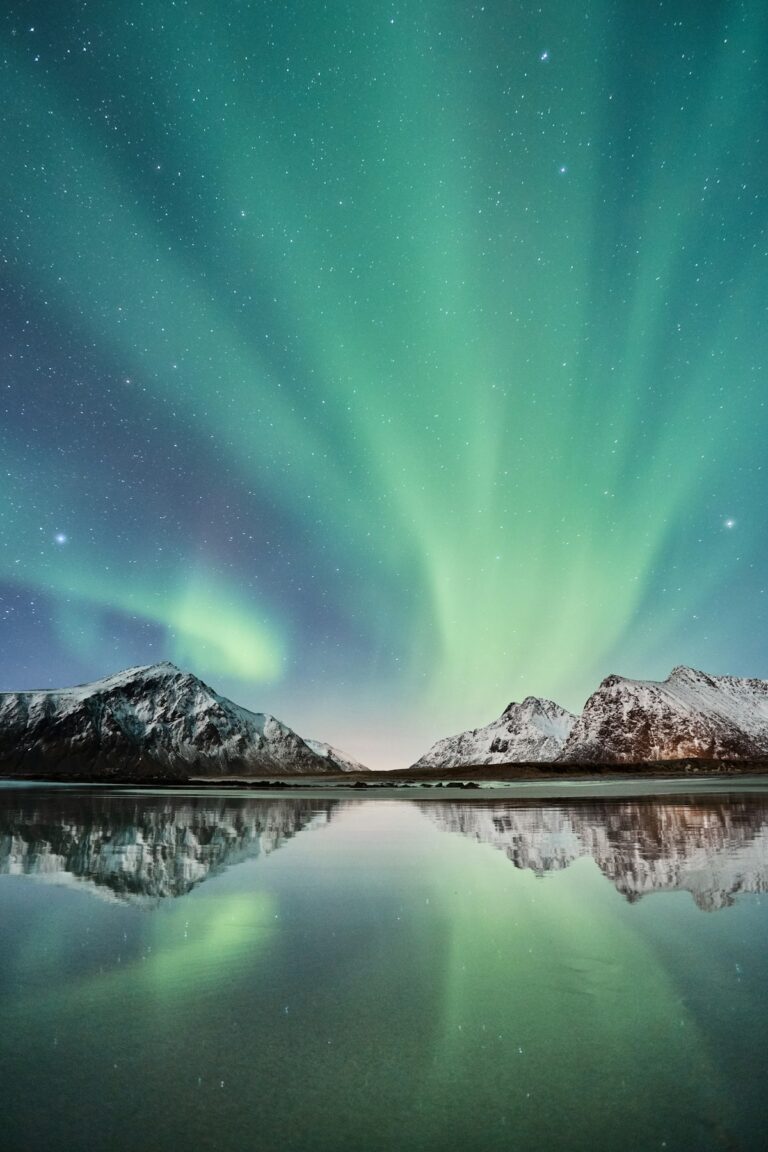
The Northern Lights are real and spectacular when they happen, but they require clear skies and significant solar activity. Apps like Aurora Forecast give you a KP index reading — you want KP3 or higher. Summer visits will not see them because it doesn’t get dark enough. If seeing the lights is the primary goal, visit between September and March.
What Makes This Route Different
- Iceland has no indigenous trees. The entire country was deforested by Viking settlers. There’s an ongoing reforestation effort but the landscape is almost completely treeless, which makes it look unlike anywhere else.
- The road numbers matter. Route 1 is the Ring Road and it’s paved. F-roads (F206, F208, etc.) are highland interior roads that are legally restricted to 4×4 vehicles. Rental insurance is void if you drive a 2WD on an F-road.
- Daylight in summer is extreme. In June, the sun sets around midnight and rises before 4am. Blackout curtains in the campervan are not optional.
- Sheep have right of way. Icelandic sheep roam freely and will walk directly into the road. This is a real driving hazard, especially at night.
- Gas stations are far apart in the east and north. Never let the tank drop below half. Some stations accept credit cards at the pump without an attendant; others require a PIN-capable card. Bring a card that works for unattended pump transactions.
- The wind is not a joke. On coastal sections and near waterfalls, gusts can push you sideways. Ring Road trip reports are full of campervan doors ripped out of hands at gusts like these — hold on to vehicle doors in wind.
Food Costs, Honestly
Iceland is one of the most expensive countries in the world for food. Budget $30 to $50 per person per day if you’re cooking most meals yourself and eating out for one meal. If you’re eating out for every meal, double that. A burger and a beer in a mid-range Reykjavik restaurant is $35 to $45. Fish and chips at a casual spot outside the capital runs $20 to $25. The N1 gas station chain serves surprisingly decent hot food — their soup and bread deal is a legitimate cheap meal on the road.
Skyr (Icelandic cultured dairy product, similar to strained yogurt) is sold everywhere and is cheap for what you get. Lamb is excellent and worth ordering at least once. Arctic char is the local fish and it’s very good. Pylsur (hot dogs) remain the best value fast food in the country.
Gear and Guides Worth Packing
Iceland’s weather changes fast and the wind is constant. Being properly dressed is not a comfort issue — it’s a practical one. Planning a trip like this? Gear worth having along:
- Waterproof jacket — Wind and rain protection is non-negotiable at Skogafoss and Reynisfjara, where a proper shell means staying out while others retreat to their cars.
- Thermal base layers — Even in July, early mornings and evenings require insulating layers under your outer shell. Merino or synthetic, not cotton.
- Lonely Planet Iceland — The physical guide is useful for the Ring Road because cell signal drops out in parts of the east and north. Offline maps on your phone plus a physical backup cover you when there’s no signal to fall back on.
Related Reading
- Central Europe: Budapest and Beyond
- European Christmas Markets Worth the Trip
- How We Plan Long Trips Without Losing Our Minds
- Using Credit Card Points to Travel for Less
“`
Book Tours and Activities
Find Flights to Reykjavik
Cheapest Flights to Reykjavik
| Departure at | Return at | Stops | Airline | Find tickets |
|---|---|---|---|---|
| Flexible | Flexible | Direct |  |
Check current fares |
Book Tours: GetYourGuide Golden Circle and Northern Lights tours from Reykjavik | GetYourGuide glacier hiking and ice cave tours in Iceland
Frequently Asked Questions
How many days do you need for Iceland’s Ring Road?
Minimum 7 days to drive the full Ring Road without rushing. 10 days is ideal to include detours to the Westfjords or Snaefellsnes Peninsula.
Is a campervan a good choice in Iceland?
Yes, if visiting in summer (June-August). You save $150-200/night on hotels and gain flexibility. In winter, hotels are safer due to weather and limited daylight.
How expensive is food in Iceland?
Very. Budget $50-80 per person per day. A basic restaurant meal costs $25-35. Grocery stores (Bonus, Kronan) cut costs significantly if you cook.
Book activities: Browse activities on Klook
Get Travel Tips That Actually Help
One email per month. Real itineraries, honest costs, and what I’d skip next time. No spam.
Travel insurance: SafetyWing covers 180+ countries from $42/month with no fixed end date.
Stay connected: Airalo eSIM gives you data in 200+ countries without swapping SIM cards.
Book hotels: Booking.com has free cancellation on most properties.
Rent a car: RentCars compares agencies to find the best price.
Get Travel Tips That Actually Help
Real costs, honest reviews, and what I’d do differently — no fluff.
Plan your own trip: guides I actually use
Related guides:
Written by Jenna Fattah
I have visited 25+ countries across 6 continents, attended 7 Formula 1 races, and spent 4 years writing about what actually works and what I would do differently. Every recommendation on this site comes from trips I planned and paid for myself. Read more about me