Switzerland by Train: 7 Days from Zurich to Geneva Through the Alps
Compare Europe transport: Search trains, buses, and flights on Omio — one search across operators saves time vs checking each national rail site.
Related: campervan vs hotel road trip costs
Frequently Asked Questions
What is the best way to travel around Switzerland?
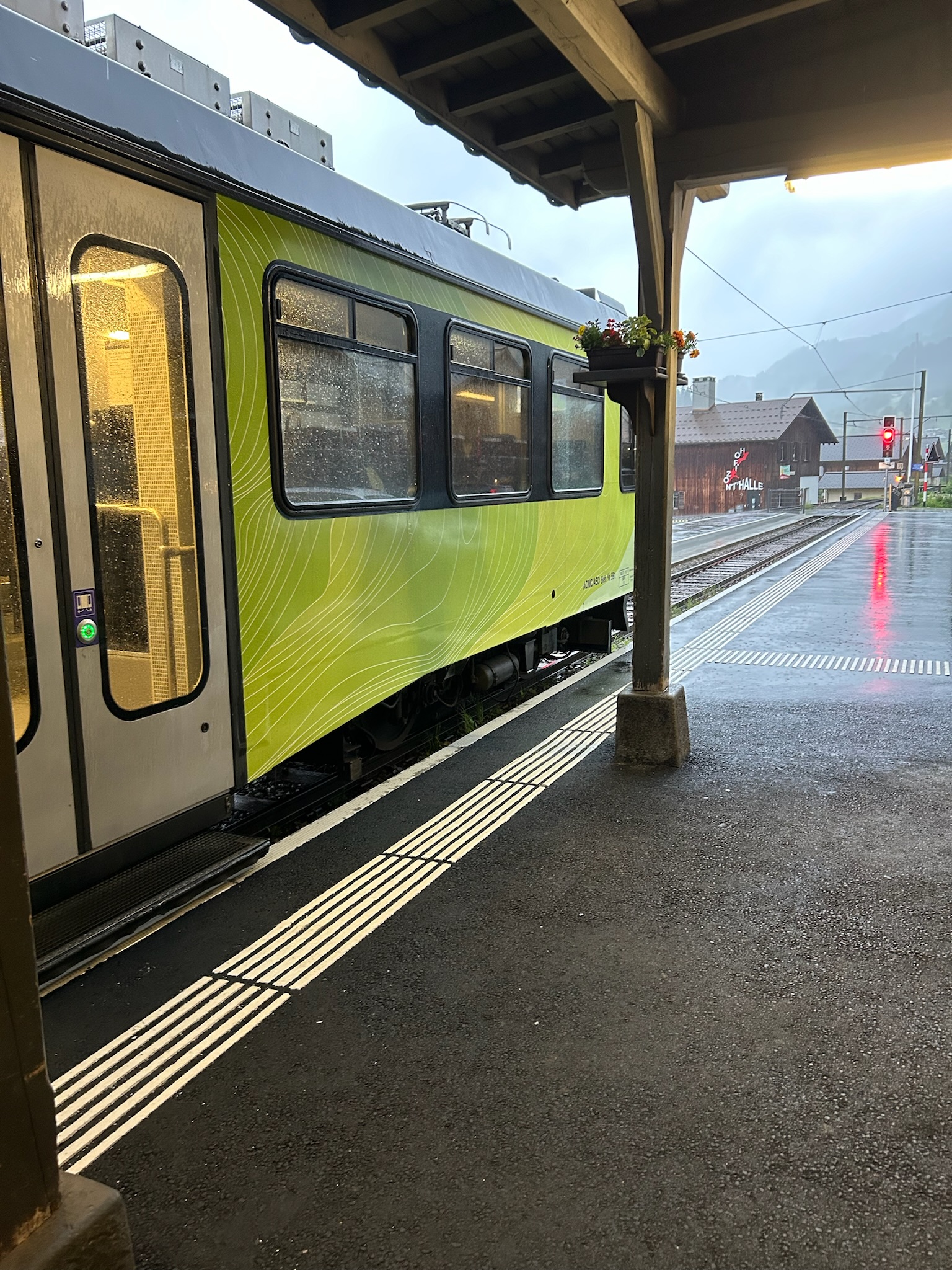
The Swiss rail system is world-class. Buy a Swiss Travel Pass for unlimited trains, buses, and boats plus free museum entry. The scenic routes (Glacier Express, Bernina Express, Golden Pass) are worth booking separately.
Is Switzerland really that expensive?
Yes. Budget $250-350 per day for two people including hotels, meals, and transport. A burger costs $25, a beer costs $8. The Swiss Travel Pass saves money on transport but food and lodging are consistently high.
What are the must-see places in Switzerland?
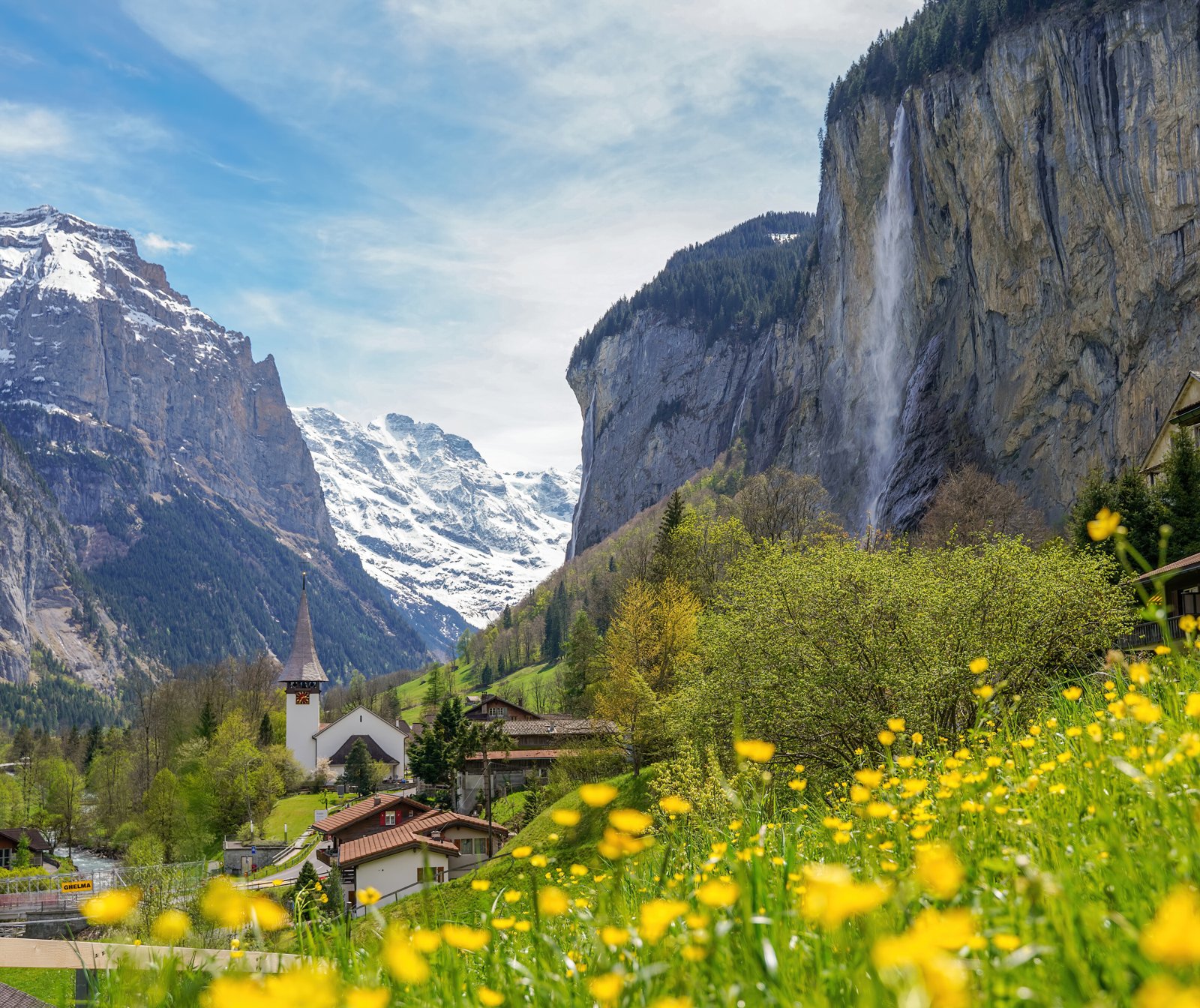
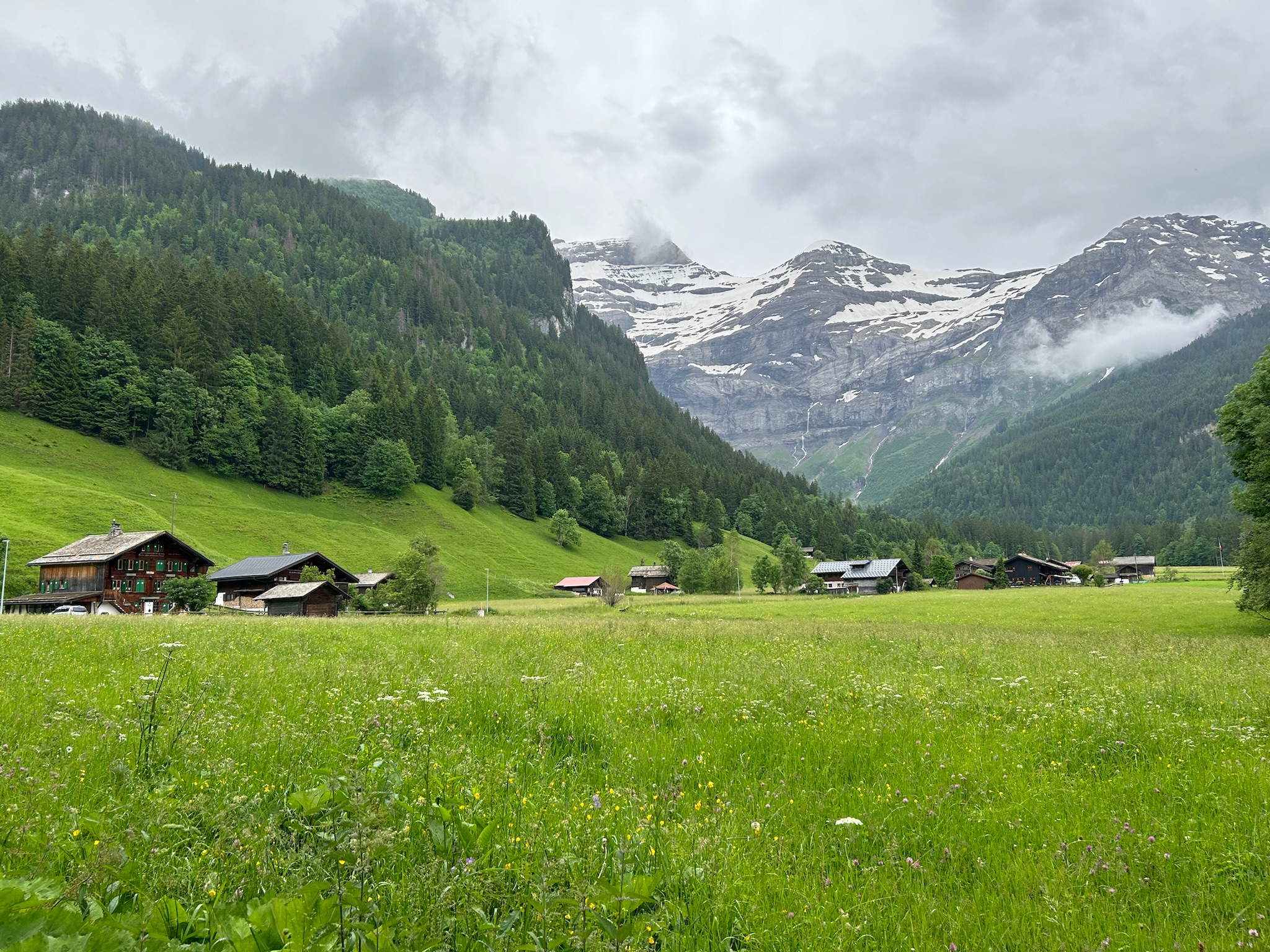
Lucerne for the lake and old town, Interlaken for the Alps and adventure sports, Zermatt for the Matterhorn, and Bern or Zurich for city culture. The Lauterbrunnen valley is the most photogenic spot in the country.
Need a rental car? Compare prices on RentCars for the best deals in Switzerland.
Book activities: Browse activities on Klook
A Week Crossing Switzerland From East to West
Switzerland has the best train system in the world, and a trip from Zurich to Geneva by rail is one of the most scenic journeys you can take anywhere. The route passes through Lucerne, the Bernese Alps, Lausanne, and the shores of Lake Geneva — each stop more photogenic than the last. June is ideal: the mountain passes are open, the wildflowers are blooming, and the long days give you maximum daylight for the Alpine views.
In This Post
- A Week Crossing Switzerland From East to West
- Zurich: The Starting Point
- Lucerne: Lakes and Mountains
- Interlaken and the Jungfrau Region
- Lausanne: The Olympic City
- Montreux and the Lavaux Vineyards
- Geneva: The International City
- The Swiss Travel Pass
- Budget Estimate
- Tips for Switzerland by Train
- Book Tours and Activities
- Find Flights to Zurich
- Frequently Asked Questions
Zurich: The Starting Point
Most transatlantic flights land in Zurich, making it the natural starting point. Zurich is compact and walkable — the old town (Altstadt) along the Limmat River has medieval guild houses, narrow streets, and churches. The Bahnhofstrasse is one of the most famous shopping streets in Europe, though window shopping is more budget-friendly than actually buying anything.
The Swiss National Museum near the train station covers the full sweep of Swiss history and culture. For views, take the train up to Uetliberg (20 minutes from the city center) for panoramic views of the city, lake, and Alps. Zurich’s food scene is strong but expensive — a cafe lunch runs 25-35 CHF per person easily. The Viadukt market hall under the railway arches has more casual, affordable options.
One day in Zurich is sufficient before heading to Lucerne.
Lucerne: Lakes and Mountains
The train from Zurich to Lucerne takes about 45 minutes and drops you into one of Switzerland’s most beautiful cities. Lucerne sits on Lake Lucerne with snow-capped mountains visible in every direction. The Chapel Bridge (Kapellbrucke), a 14th-century covered wooden bridge, is the most photographed landmark in Switzerland.
Take a boat across the lake — the ferry system connects several lakeside towns and the views from the water are spectacular. The Lion Monument, carved into a rock face to commemorate Swiss Guards who died during the French Revolution, is surprisingly moving despite its small size.
For the mountains, the excursion options from Lucerne are outstanding:
- Cable car and cogwheel railway (the steepest in the world) with views over 73 Alpine peaks on a clear day
- Known as the “Queen of the Mountains,” accessible by cogwheel railway with panoramic lake and mountain views
- The highest viewpoint in central Switzerland, with a revolving cable car and a glacier park at the summit
We would spend two nights in Lucerne — one for the city and lake, one for a mountain excursion.
Interlaken and the Jungfrau Region
A day trip from Lucerne (or a stop en route to Lausanne) takes you to the Bernese Oberland — the postcard image of Switzerland. Interlaken sits between two lakes with the Eiger, Monch, and Jungfrau peaks towering above.
The train to Jungfraujoch (“Top of Europe”) climbs to 3,454 meters through tunnels carved inside the mountain. The views from the top — a sea of glaciers and peaks stretching to the horizon — justify the steep ticket price (about 200 CHF round trip from Interlaken, less with a Swiss Travel Pass). Grindelwald, the village at the base of the Eiger, is worth an afternoon of wandering and cable car rides.
Lausanne: The Olympic City
The train from Lucerne to Lausanne takes about two hours, skirting lakes and passing through rolling green countryside. Lausanne is built on steep hills overlooking Lake Geneva with the French Alps visible across the water.
The Olympic Museum is the standout attraction — Switzerland is home to the International Olympic Committee, and the museum covers the full history of the Games with interactive exhibits. The old town climbs steeply from the lakefront to the cathedral, and the whole city has a university-town energy that feels younger and more dynamic than Geneva.
Montreux and the Lavaux Vineyards
A 20-minute train ride east from Lausanne brings you to Montreux, famous for its jazz festival (held in July) and its lakefront promenade lined with flowers and sculptures. The Chateau de Chillon, a medieval castle sitting on a rock in Lake Geneva, is one of the most visited historic buildings in Switzerland — the setting alone, with water on three sides and mountains behind, is extraordinary.
Between Lausanne and Montreux, the Lavaux vineyards cascade down terraced hillsides to the lake. This UNESCO World Heritage site produces excellent white wines, and walking through the terraces with lake views is one of the most scenic short hikes in Switzerland. Stop at a local cave (wine cellar) for tastings — the Chasselas grape is the regional specialty.
Geneva: The International City
Geneva sits at the southwestern tip of Lake Geneva where the Rhone River exits the lake. The Jet d’Eau (the massive fountain in the lake) is visible from everywhere and has become the city’s symbol. The old town is compact with the St. Pierre Cathedral offering tower views across the city and lake.
The international character of Geneva — home to the UN, Red Cross, and hundreds of international organizations — gives it a cosmopolitan feel. The Patek Philippe Museum is a lesser-known stop for anyone interested in watchmaking history. The lakefront parks are perfect for a final afternoon stroll before heading to the airport.
The Swiss Travel Pass
For a trip like this, the Swiss Travel Pass is essential. It covers:
- Unlimited travel on the Swiss rail, bus, and boat network
- Free admission to 500+ museums
- 50% discount on most mountain excursions (Jungfraujoch, Pilatus, etc.)
- 8-day pass costs about 440 CHF (roughly 490 USD)
Given the cost of individual Swiss train tickets (Zurich-Geneva alone is 88 CHF), the pass pays for itself within the first few days.
Budget Estimate
Switzerland is expensive — there is no way around it. But smart planning helps:
- Round trip to Zurich (return from Geneva) — 50,000-65,000 miles or 500-800 USD
- Swiss Travel Pass (8 days): ~440 CHF (490 USD)
- 150-250 CHF per night. Book early for Lucerne and Interlaken in June
- 60-90 CHF per day for two. Supermarket lunches (Coop and Migros) save significantly
- 60-120 CHF per person with Swiss Travel Pass discount
Tips for Switzerland by Train
- The Swiss Travel Pass is worth it for trips of 4+ days. Buy it online before departure
- Trains run on time. Swiss punctuality is not a stereotype — plan connections with confidence
- Sit on the right side of the train from Zurich to Lucerne for lake views
- June weather ranges from 15-25 degrees Celsius in the valleys, significantly colder at altitude. Layer up for mountain excursions
- Tap water is excellent and free everywhere. Skip bottled water
- Supermarket lunches from Coop or Migros are the budget traveler’s best friend in Switzerland
Related Reading
- Italy by Train: Rome to Milan via Naples and Florence
- Central Europe by Train: Berlin, Prague, Vienna, Munich
- Portugal by Train: Porto, Lisbon, and the Algarve Coast
- Austria and Germany
- Iceland Ring Road Trip
Gear and Guides We Recommend
Planning a similar trip? Here are some items we found useful:
- Switzerland travel guide
- Rick Steves’ Europe Through the Back Door
- packing cubes
- universal travel adapter
- RFID-blocking neck wallet
These are affiliate links. If you purchase through them, we may earn a small commission at no extra cost to you, which helps support this site.
Book Tours and Activities
Find Flights to Zurich
Cheapest Flights to Zurich
| Departure at | Return at | Stops | Airline | Find tickets |
|---|---|---|---|---|
| Flexible | Flexible | Direct |  |
Check current fares |
Book Activities in Switzerland:
Compare flights on Skyscanner — and grab an Airalo eSIM before you land so you have data the moment you arrive.
Tours: Switzerland tours on Viator
Travel Insurance: We use SafetyWing for travel insurance on every international trip. It covers medical emergencies, trip interruptions, and lost luggage starting at $45/month with no fixed end date — perfect for multi-country itineraries.
Book hotels: Search Booking.com hotels
Get Travel Tips That Actually Help
Real costs, honest reviews, and what I’d do differently — delivered to your inbox.
No spam. Unsubscribe anytime.
Plan your own trip: guides I actually use
Related guides:
- Trainline vs Omio vs Rail Europe: Which Should You Book European Trains With in 2026?
- What I’d Do Differently: Switzerland Edition
Written by Jenna Fattah
I have visited 25+ countries across 6 continents, attended 7 Formula 1 races, and spent 4 years writing about what actually works and what I would do differently. Every recommendation on this site comes from trips I planned and paid for myself. Read more about me