Best Portable Chargers for Travel in 2026: Which Size You Actually Need
Updated April 2026 | 3 min read
I have killed my phone on more trips than I want to admit. Dead at an F1 race with no way to pull up my mobile ticket. Dead in Tokyo trying to navigate the subway. Dead in the Balkans with no way to call a taxi back to the hotel. Every time, the same lesson: carry a power bank.
But which size? A 5,000mAh that fits in your pocket or a 24,000mAh brick that powers a laptop? After testing five different power banks across 15 trips, the answer depends entirely on what you are doing that day.
The Quick Answer
10,000mAh is enough. Your phone uses 20-40% per day with moderate GPS and photo use.
20,000mAh minimum. Heavy GPS, video, and photo use drains 80-100% in a day. Stadiums rarely have accessible outlets.
24,000mAh+. These also charge laptops via USB-C PD if needed.
The 4 Chargers I Have Tested
1. Anker 737 (24,000mAh, 140W) — Best Overall
This is the one in my travel tech kit. It charges my iPhone 5 times, handles USB-C PD for laptop emergency charging, and has a display showing remaining capacity. At 1.3 lbs it is not light, but for event days and long travel days, it is the only power bank that has never left me stranded.
Yes, under the 100Wh carry-on limit at 86.4Wh.
Anker 737 on Amazon — around $90-110
2. Anker Nano (10,000mAh, 30W) — Best for Daily Carry
Half the size, half the weight, and enough for 2 full phone charges. This is what I throw in my pocket for city days when I know I will pass through a hotel or cafe in the afternoon. The built-in USB-C cable is genius — one less thing to forget.
Yes, well under limits at 36Wh.
Anker Nano 10K on Amazon — around $25-30
3. Baseus Blade (20,000mAh, 100W) — Best for Laptops
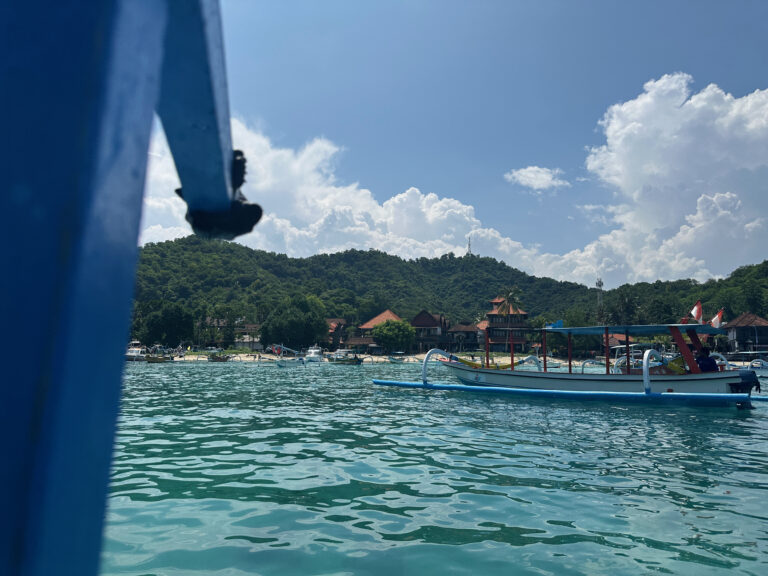
If you need to charge a laptop in an airport without fighting for outlets, this is the one. Thin profile (about the size of a phone but thicker), 100W output, and really fast laptop charging. I used this in Bali when the Airbnb had unreliable power — saved my workday.
Yes, at 74Wh. The 100W version is more common now.
Baseus Blade 20K on Amazon — around $60-70
4. Nitecore NB10000 Gen3 — Lightest Option
At 150g, this is the lightest 10,000mAh power bank I have found that does not feel cheap. Carbon fiber body, USB-C PD, and a tiny footprint. Perfect for hikers and ultralight packers. It will not charge a laptop, but for phones and earbuds on a day hike, it is all you need.
Nitecore NB10000 on Amazon — around $40-50
Airline Rules: What You Can Carry On
Most airlines allow power banks up to 100Wh (about 27,000mAh at 3.7V) in carry-on luggage. Power banks are never allowed in checked bags. Some airlines require batteries over 100Wh to be declared. All four chargers I recommend are airline-safe.
Check your specific airline’s rules before flying — some budget carriers in Asia have stricter limits (32,000mAh max or requiring original packaging).
What Not to Buy
The solar panel on a portable charger generates enough power to charge your phone in about 3 days of direct sunlight. It is a marketing gimmick.
Cheap, high-capacity power banks sometimes overstate their capacity by 30-50%. Stick with Anker, Baseus, or Nitecore — they publish independently tested specs.
If it only has USB-A, it is charging your phone at half the speed of USB-C Power Delivery. Everything you buy in 2026 should be USB-C PD at minimum.
My Setup
I carry the Anker 737 in my daypack for event days and long travel days, and the Anker Nano in my pocket for city walks. Between the two, I have never run out of power on a trip. Total weight: under 500g. Total cost: about $120.
Keep Reading
- My Full Travel Tech Setup
- Best Travel Backpacks 2026
- Best Headphones for Travel
- Our Actual Travel Gear
Affiliate disclosure: This post contains affiliate links at no extra cost to you. SafetyWing, Skyscanner, Airalo, Booking.com, Viator.
Real costs, honest reviews, and what I’d do differently — straight to your inbox.
Written by Jenna Fattah
I have visited 25+ countries across 6 continents, attended 7 Formula 1 races, and spent 4 years writing about what actually works and what I would do differently. Every recommendation on this site comes from trips I planned and paid for myself. Read more about me