Frequently Asked Questions
How many days do you need in Jordan?
Five to seven days covers the essentials. Spend 2 days in Petra, 1-2 in Wadi Rum, and 1-2 in Amman. Add a day for the Dead Sea. The Jordan Pass (starting at 70 JOD) covers Petra entry and your visa fee.
Is Jordan safe for tourists?
Yes. Jordan is one of the safest countries in the Middle East for tourism. Amman and Petra are well-traveled and tourist-friendly. The locals are genuinely welcoming. Standard travel precautions apply.
Can you combine Jordan and Istanbul in one trip?
Yes, and it makes a great 10-day itinerary. Fly into Amman, do Jordan for 5-6 days, then fly to Istanbul for 3-4 days. Royal Jordanian and Turkish Airlines both run direct flights between the two.
Nine Days From the Rose City to the Bosphorus
This trip combines two bucket-list destinations into a single week-and-a-half itinerary: Petra and Amman in Jordan, followed by Istanbul in Turkey. The two countries are connected by a short and cheap flight (under three hours), and the combination works perfectly — ancient ruins and desert landscapes in Jordan, then the layered history and lively street life of Istanbul.
In This Post
Amman: Arrival and the Roman City
We would fly JFK to Amman on a Saturday, arriving Sunday afternoon. Amman is often treated as just a layover city, but it deserves at least a full day. The Citadel sits on the highest hill in the city with Roman ruins, a Byzantine church, and panoramic views across the sprawling cityscape of white buildings. Just below is the Roman Theatre, a remarkably well-preserved 6,000-seat amphitheater from the 2nd century.
Downtown Amman is walkable and chaotic in the best way — spice shops, juice stands, and street food stalls everywhere. Rainbow Street in the Jabal Amman neighborhood is the more modern, cafe-lined area with good restaurants and rooftop views. Jordanian food is excellent: mansaf (lamb in yogurt sauce over rice), falafel, hummus, and fresh flatbread are staples.
Petra: The Treasury and Beyond
The drive from Amman to Petra takes about three hours along the King’s Highway, which passes through stunning desert and canyon scenery. We would budget two full days for Petra — one day is not enough to see it properly.
Day one would focus on the main trail: walking through the Siq (the narrow canyon entrance), the first glimpse of the Treasury (jaw-dropping, even when you have seen it in photos a thousand times), the Street of Facades, the Royal Tombs, and the main basin. This is a solid 6-8 hour day with a lot of walking.
Day two would tackle the longer hikes: the climb to the Monastery (Ad-Deir), which is 800 steps up but rewards you with a structure even larger than the Treasury with far fewer tourists. The High Place of Sacrifice trail offers sweeping views over the entire site.
Petra tips:
- Start early — the gates open at 6 AM and the morning light on the Treasury is magical
- Bring at least 2-3 liters of water per person. The site is in a desert canyon and shade is limited
- Wear proper hiking shoes. The trails to the Monastery and High Place are rocky and steep
- The Jordan Pass (about 70-75 JOD) covers your visa fee and Petra entrance — it is the best deal in the country
- Petra by Night (Monday, Wednesday, Thursday) lights the Siq and Treasury with candles. It is touristy but atmospheric
- Budget 15-25 JOD per person for lunch inside the site at the basin restaurants
- Dubai and Abu Dhabi
Amman to Istanbul
From Petra we would drive back to Amman and fly to Istanbul the next morning — Royal Jordanian and Turkish Airlines both run the route, about 2 hours 40 minutes. The flight is usually under 200 USD if booked in advance.
Istanbul: Where Europe Meets Asia
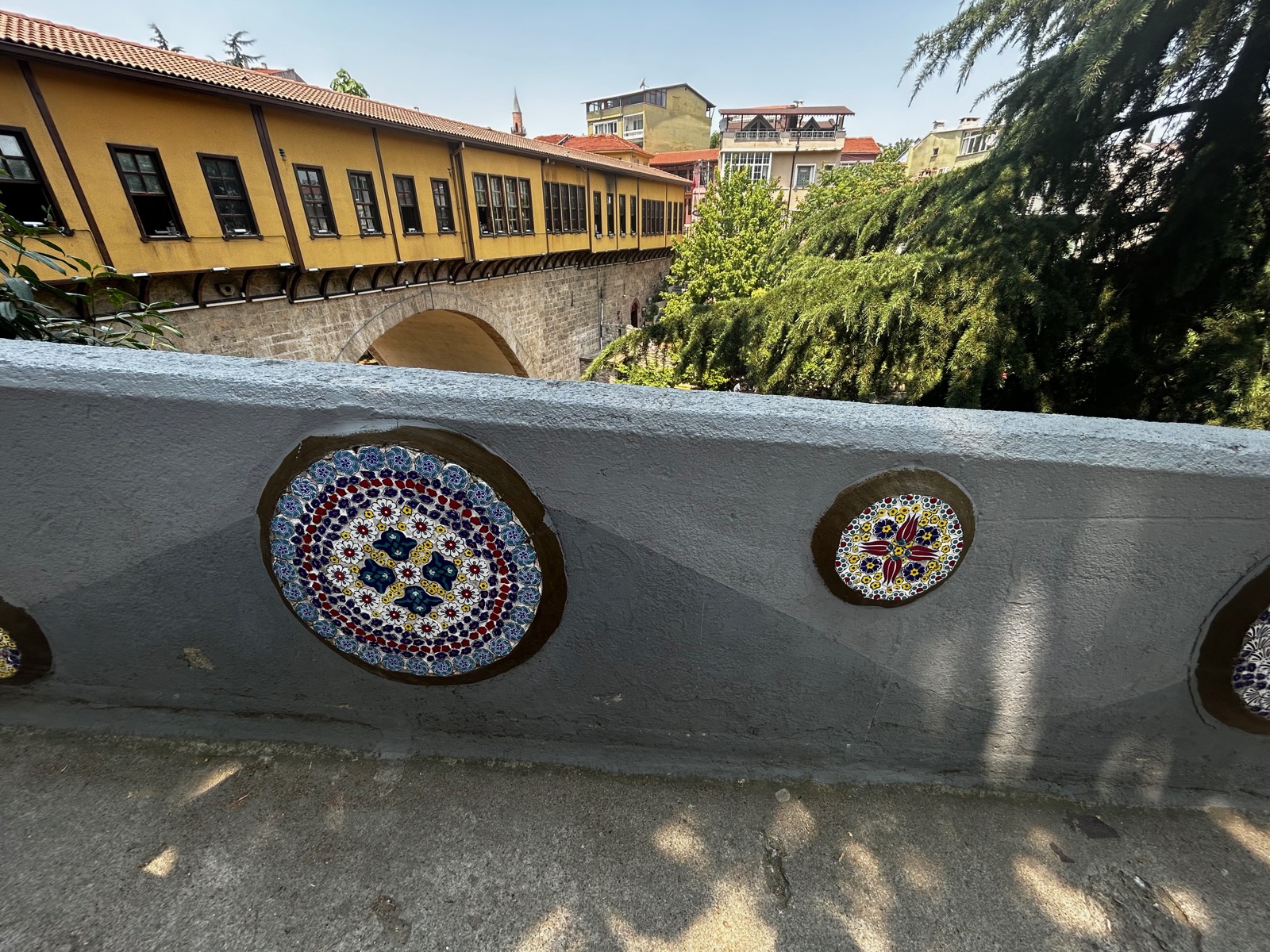
Istanbul gets four full days in this itinerary, and it needs every one of them. This is a city with 2,500 years of history layered on top of itself — Roman, Byzantine, Ottoman, and modern Turkish culture all coexisting.
The Historic Peninsula (Sultanahmet)
The Hagia Sophia is the must-see, full stop. Built as a cathedral in 537 AD, converted to a mosque in 1453, turned into a museum in 1934, and reconverted to a mosque in 2020 — it is one of the most significant buildings in human history, and the interior is staggering in scale. The Blue Mosque across the square is beautiful but often crowded; visit during off-peak prayer times.
The Basilica Cistern (recently renovated) is an underground wonder — a vast Byzantine water storage chamber with 336 columns reflected in the water. Topkapi Palace was the Ottoman sultans’ residence for 400 years and houses an incredible collection of jewelry, manuscripts, and relics.
The Grand Bazaar is overwhelming in the best way — over 4,000 shops in a covered labyrinth. Go with no plan and get lost. The Spice Bazaar nearby is smaller and more manageable, with excellent Turkish delight and spices to take home.
The Bosphorus
A ferry ride up the Bosphorus strait is essential. You can take the public ferry (cheap, runs daily) which stops at several neighborhoods on both the European and Asian sides. Ortakoy on the European side has a photogenic mosque right on the waterfront. Kadikoy on the Asian side has the best food market in the city.
Beyoglu and Karakoy
Cross the Galata Bridge to the northern bank for a different side of Istanbul. Istiklal Avenue is the main pedestrian street — busy, loud, and lined with shops and restaurants. The Galata Tower offers 360-degree views of the city. Karakoy, the waterfront neighborhood below, has become Istanbul’s trendiest area with specialty coffee shops, galleries, and modern restaurants.
What to Eat
Turkish food alone justifies the trip:
- A traditional Turkish breakfast spread (menemen, cheeses, olives, honey, fresh bread) is a meal event
- Not all kebabs are equal. Seek out proper Southeastern Turkish kebab restaurants
- Grilled fish sandwich from the boats near the Galata Bridge — cheap, fresh, iconic
- Thin, crispy Turkish flatbread with spiced meat — the best street food in Istanbul
- Hot cheese pastry soaked in syrup, served at dessert shops across the city
Budget Estimate
- JFK to Amman round trip (or open jaw via Istanbul) — 50,000-70,000 AA miles or 700-1,000 USD cash
- Amman-Istanbul flight: 150-250 USD
- 60-120 USD per night for good mid-range options
- 80-150 USD per night in Sultanahmet or Beyoglu
- 70-75 JOD (covers visa + Petra + other sites)
- 20-35 USD per day for two
- 30-50 USD per day for two, eating very well
Book on GetYourGuide:
Related Reading
Gear and Guides We Recommend
Planning a similar trip? Here are some items we found useful:
- Jordan and Turkey travel guide
- carry-on luggage
- packing cubes
- portable charger
- hanging toiletry bag
- noise-cancelling headphones
These are affiliate links. If you purchase through them, we may earn a small commission at no extra cost to you, which helps support this site.
Book Tours and Activities
Find Flights to Amman
Cheapest Flights to Amman
| Departure at | Return at | Stops | Airline | Find tickets |
|---|---|---|---|---|
| 6 August 2026 | 25 August 2026 | Direct |  |
Tickets from 915 |
Compare flights on Skyscanner — and grab an Airalo eSIM before you land so you have data the moment you arrive.
Tours: Abu Dhabi tours on Viator
Activities: India on Klook
Travel Insurance: We use SafetyWing for travel insurance on every international trip. It covers medical emergencies, trip interruptions, and lost luggage starting at $45/month with no fixed end date — perfect for multi-country itineraries.
Book hotels: Search Booking.com hotels
Get Travel Tips That Actually Help
Real costs, honest reviews, and what I’d do differently — delivered to your inbox.
No spam. Unsubscribe anytime.
Written by Jenna Fattah
I have visited 25+ countries across 6 continents, attended 7 Formula 1 races, and spent 4 years writing about what actually works and what I would do differently. Every recommendation on this site comes from trips I planned and paid for myself. Read more about me