
EXCELLENT ANYTIME
| Destination | Notes |
| Malapascua, Philippines | Thresher sharks year-round |
| Silfra Fissure, Iceland | Diving conditions stable |
| Fluorescent Night Dive, Bonaire | Consistent tropical conditions |
| Ewens Ponds, Australia | Stable freshwater diving |
| Kimbe Bay, Papua New Guinea | Best May-November |
| Marovo Lagoon, Solomon Islands | Stable tropical conditions |
Booking & Planning Timeline
ADVANCE BOOKING REQUIRED
- African Safari (peak season): 12-18 months
- Japan Cherry Blossoms: 5+ months
- Tubbataha Reefs: Book years in advance
- Galapagos: 6-12 months
- Northern Lights Tours: 6+ months
- European Summer: 3-6 months
SEASONAL CONFLICTS TO CONSIDER
- Komodo: Best weather (dry season) vs. best manta rays (wet season)
- Maldives: Best weather vs. best marine life encounters
- Caribbean: Hurricane season (June-November) requires flexibility
- Great Migration: Different experiences year-round – choose based on preference
BUDGET OPTIMIZATION
- Shoulder Seasons: April-May, September-October offer best value
- Off-Season: Significant savings but weather limitations
- Peak Season: Premium pricing but optimal conditions October: Autumn Colors and Cultural Celebrations
Prime Destinations
Some destinations work year-round — Japan, Portugal, and New Zealand have no bad months, just different reasons to visit.
In This Post
Japan’s autumn foliage season rivals cherry blossoms for spectacular natural beauty. China’s Zhangjiajie offers clear skies and mild temperatures ideal for photography.
Myanmar returns to optimal conditions after monsoon season, while Bhutan provides clear mountain views and pleasant temperatures.
Excellent Diving Conditions
Maldives transitions to peak manta ray and whale shark season, while various destinations offer excellent visibility.
Wildlife Highlights
African herds begin return migrations south, while Northern Lights season intensifies in Arctic regions.
Cultural Events
Various African festivals celebrate seasonal transitions, while European destinations host harvest celebrations.
Shoulder Season Excellence
Many destinations offer optimal weather-crowd balance with comfortable temperatures and reasonable prices.
Seasonal Conflicts and Optimal Strategies
Wildlife vs. Weather Trade-offs
Komodo National Park presents a classic dilemma: optimal diving conditions occur during dry season (April-November), but peak manta ray encounters happen during wet season (December-February). Consider splitting visits or choosing based on priorities.
Africa’s Great Migration offers different experiences year-round: calving season (January-March) provides predator action, while river crossings (July-October) deliver dramatic spectacles. Both require different timing strategies.
Diving Season Overlaps
Maldives demonstrates monsoon complexity: dry season (November-April) offers better weather and visibility, while wet season (May-October) provides peak encounters with whale sharks and manta rays due to plankton blooms.
Cultural Event Timing
Japan’s cherry blossoms represent perfect timing alignment of weather and cultural significance, while many African festivals occur during optimal wildlife viewing seasons, allowing combined experiences.
Strategic Planning Recommendations
Weather Monitoring
- Hurricane season: Maintain flexible bookings June-November
- Monsoon patterns: Monitor forecasts for Asian destinations
- Wildlife migrations: Climate change affects traditional patterns
Budget Optimization
- Shoulder seasons: April-May, September-October offer best value
- Off-season: November-March provide savings but limited options
- Peak season: June-August require premium pricing
Regional Expertise
- Dive operators: Consult locally for current conditions
- Safari guides: Local knowledge crucial for wildlife movements
- Cultural events: Verify dates annually as festivals may shift
Gear and Guides We Recommend
Planning a trip based on these recommendations? Here are some items we find essential:
- comprehensive travel guide
- travel first aid kit
- carry-on spinner luggage
- packing cube set
- universal travel adapter
These are affiliate links. If you purchase through them, we may earn a small commission at no extra cost to you, which helps support this site.
Find Your Next Flight
Plan Your Trip
- Flights: Search flights on Aviasales
- Hotels: Compare hotels on Hotellook
- eSIM: Airalo eSIM — skip the SIM card hunt at the airport
- Tours: Browse tours on GetYourGuide
Tours: Thailand tours on Viator
Activities: Thailand on Klook
Get Travel Tips That Actually Help
Real costs, honest reviews, and what I’d do differently — delivered to your inbox.
No spam. Unsubscribe anytime.
Written by Jenna Fattah
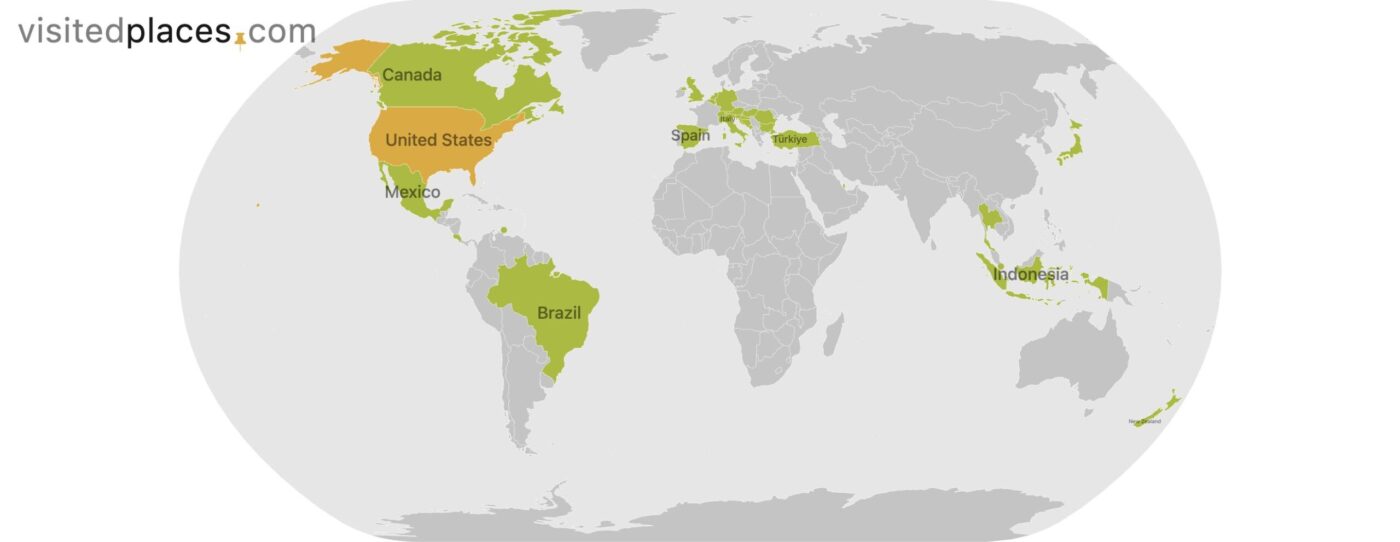
I have visited 25+ countries across 6 continents, attended 7 Formula 1 races, and spent 4 years writing about what actually works and what I would do differently. Every recommendation on this site comes from trips I planned and paid for myself. Read more about me