Solo in Bali: April 2024
Keep Reading
- Bali Beyond the Instagram Hype: Where to Actually Go
- India Golden Triangle Itinerary: Delhi, Agra, Jaipur, and Beyond
This is post 1 of 12 in the series “Where I've Been”
- Solo in Bali: April 2024
- Paris in December: Christmas Markets, Museums, and Why Winter is the Best Time to Visit
- Seattle to LA by Train and Plane: A 10-Day West Coast Trip Using Marriott Points
- Italy by Train: Two Weeks from Rome to Milan with Stops in Naples, the Amalfi Coast, and Florence
- Barcelona, the Costa Brava, and the F1 Spanish Grand Prix: A Week in Catalonia
- Amsterdam, Brussels, and the Dutch Grand Prix: Two Weeks by Train Through Europe
- Savannah and Hilton Head: A Long Weekend in the Lowcountry
- New Zealand in Spring: Wellington, Auckland, and the Northern Explorer Train
- Swimming Pigs, Flamingos, and Baha Mar: A Long Weekend in Nassau, Bahamas
- Bonaire and the Brazilian Grand Prix: Diving, Beaches, and F1 at Interlagos
- From Venice to Rome via Monza: Two Weeks in Italy for the F1 Grand Prix
- A Road Trip Across Provence During Lavender Season, Then Paris
- Frequently Asked Questions
Eight Days in Bali: What I’d Actually Change
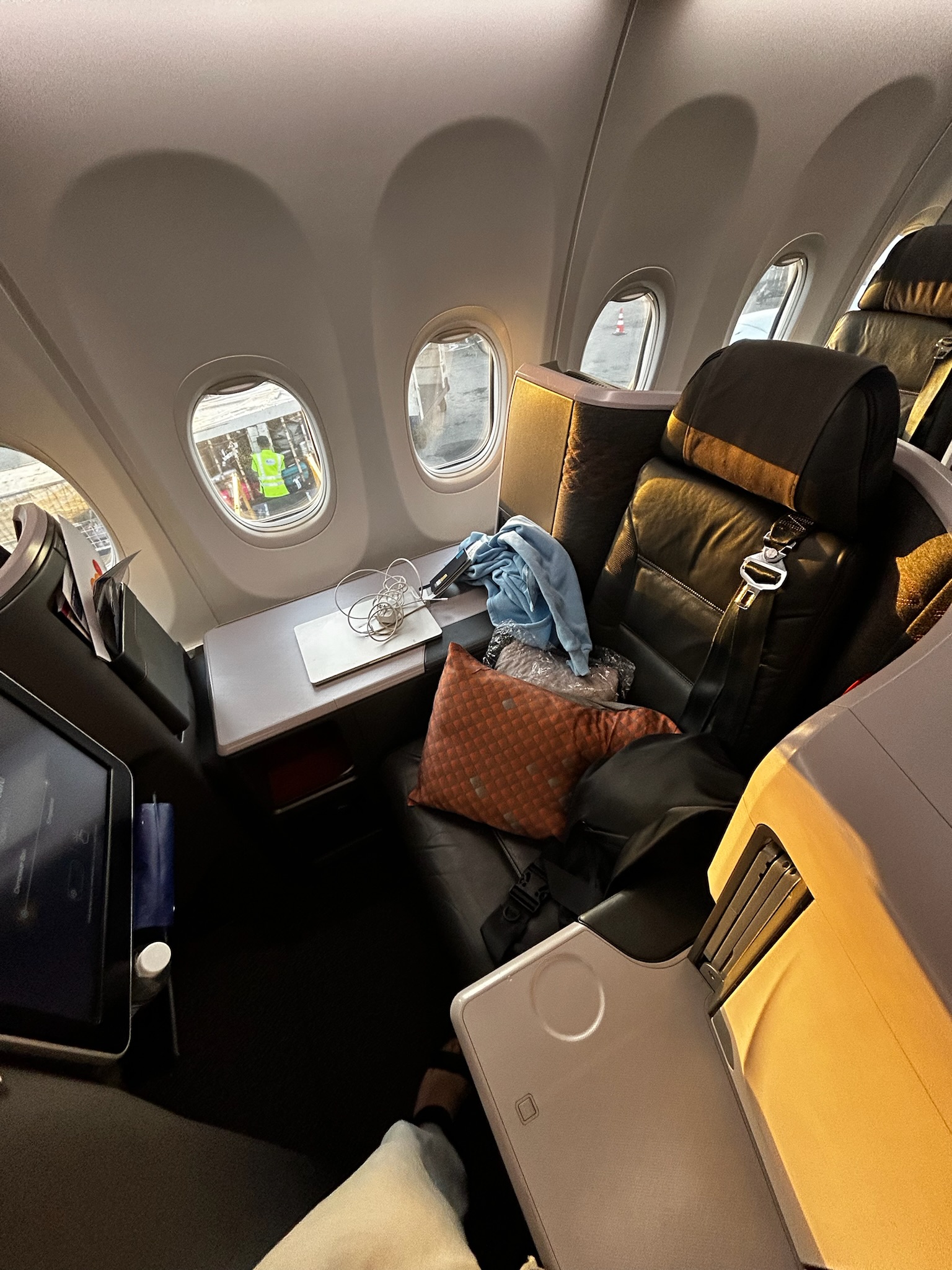
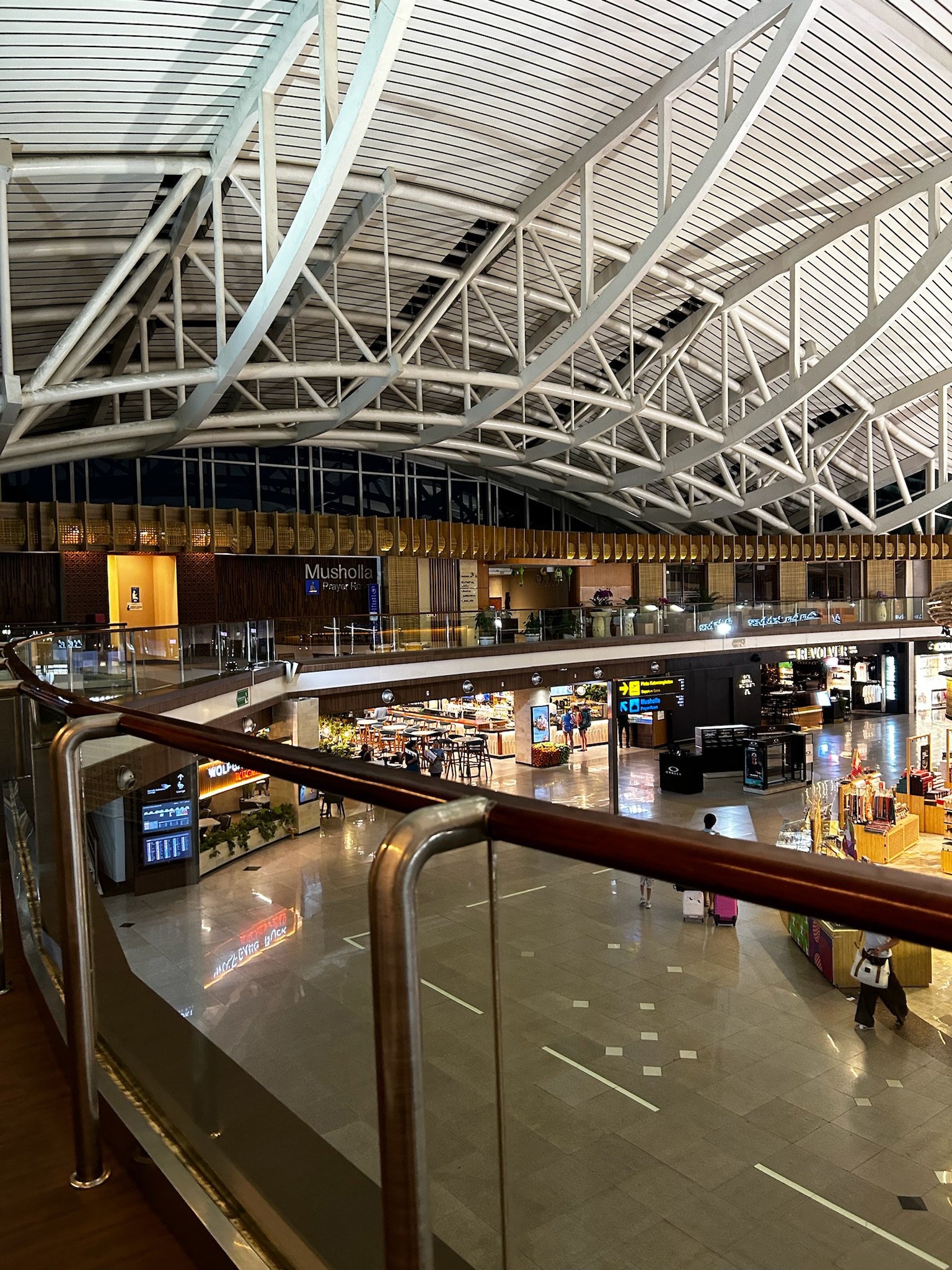
I booked this trip six weeks out. Singapore Airlines JFK to DPS with a stopover in Singapore, landed in Denpasar at 11am on April 7th, and had eight days to do something with. I’d been wanting to do a scuba certification for two years. I’d been telling myself I’d hike a volcano. I’d seen the rice terrace photos, the monkey forest, the temple gates. Bali checks a lot of boxes fast. See the 2-week Southeast Asia March route.
But a solo Bali itinerary with back-to-back diving, a sunrise hike, Ubud, and Nusa Penida crammed into eight days is not a rest trip. I came home more tired than when I left. Some of that is unavoidable. Some of it I caused. Here’s what I’d do differently.
Quick Reference: Solo Bali Trip — April 2024
- Dates: April 7-14, 2024 (7 nights)
- Hotel: Westin Resort Nusa Dua — $150-190/night
- Flights: Singapore Airlines JFK-SIN-DPS (and return)
- Scuba course: PADI Open Water, 3 days — $350-450 all-inclusive
- Private driver (Ubud day): $40-50
- Total trip cost: $2,900-3,590 per person including flights
- Best time to go: April-October (dry season)
Day 1: Nusa Dua, Zahra Spa, and the Only Smart Decision I Made Early
The Westin Nusa Dua is a resort property in the southern peninsula, separated from Seminyak’s bar crawl noise by about 45 minutes of traffic. That distance is a feature, not a bug. I was paying $150-190 a night depending on the night — not cheap, but with three consecutive days of scuba diving starting on day three, I needed somewhere I could actually sleep.
The beach at Nusa Dua is calm, clean, and groomed. You can rent a sun lounger, swim without current issues, and be left alone. On arrival day I did exactly that for two hours, then at 3:30pm I had a two-hour warm stone and foot massage at Zahra Spa. Thirty-five dollars. In New York that’s one mediocre hour at a franchise. Here it’s two hours of actual craft with people who have been doing this for decades. I booked Zahra again on day four for the same reason.
What I’d Do Differently
Book Zahra for day two as well. I skipped it to avoid feeling lazy. By day five I was running a borderline fever from consecutive dives in cold water. A massage between dive days would have been recovery time, not laziness.
Dinner that first night was Hamabe’s Shabu Shabu counter. Japanese hot pot in Bali sounds odd until you realize the Westin has been catering to Japanese travelers for decades and the execution is genuinely good. It was also quiet. After 26 hours of travel I needed quiet more than I needed adventurous.
Day 2: The Ubud Day Trip — What Works and What to Skip
I hired a private driver for the Ubud tour at $40-50 for the full day. This is the right call. The distance from Nusa Dua to Ubud is about 90 minutes each way, traffic-dependent, and you’ll be stopping at five or six different sites. A driver who knows the order to hit them — and when to arrive at each to beat the tour buses — is worth every dollar. Book the night before through your hotel or directly with a local operator.
The standard Ubud circuit hits these in roughly this order:
Tegalalang Rice Terrace
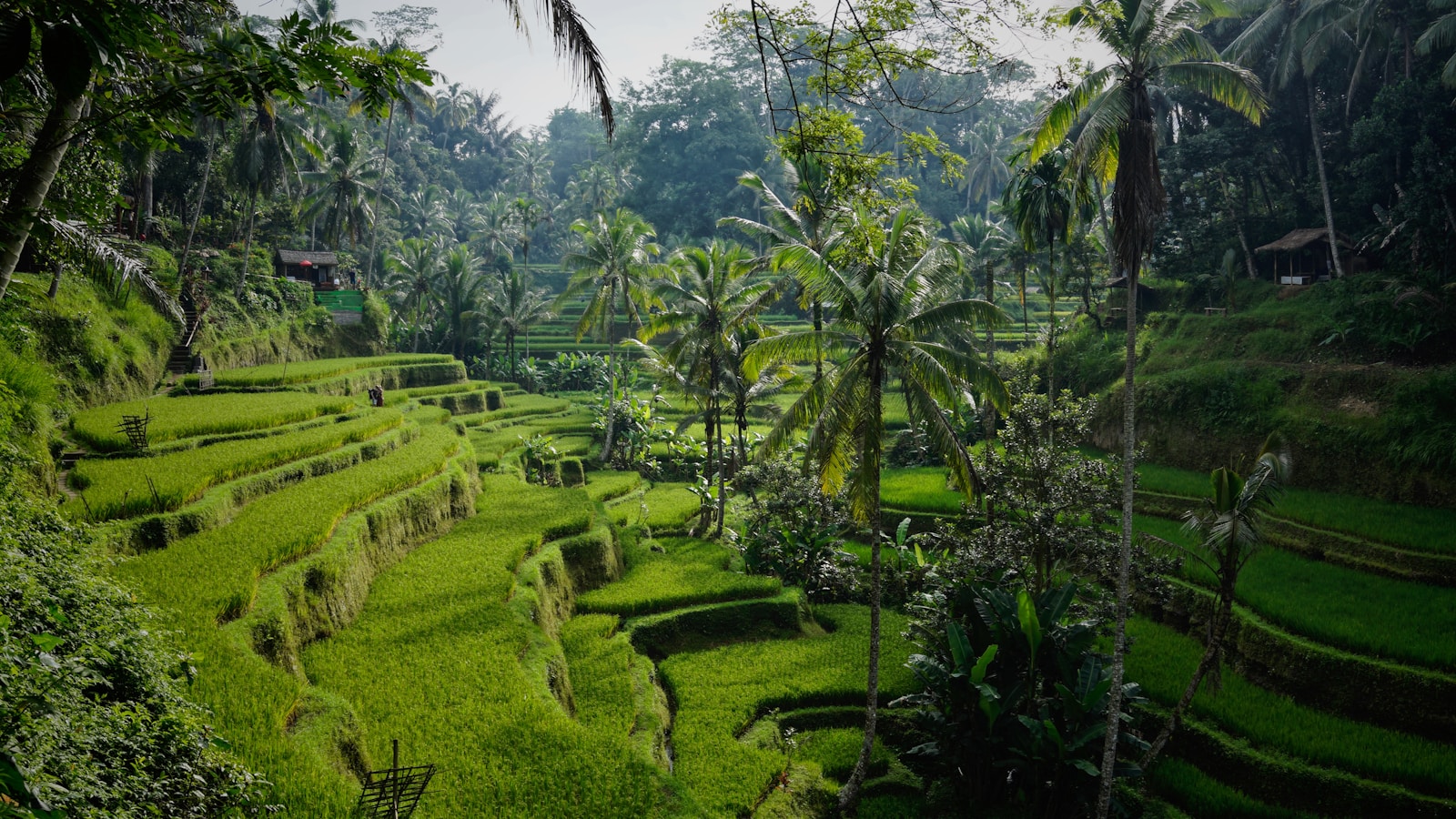
Two dollars entry. Go before 9am if possible. By 10am the selfie stick situation at the main overlooks becomes a logistical problem. The terraces are legitimately beautiful — the irrigation system (subak) has been UNESCO-listed since 2012, and the scale of the carved hillside doesn’t fully register in photos. Walk down into the terraces rather than staying on the upper path. The lower trails are quieter and the light hits differently when you’re inside the green rather than above it.
Tegenungan Waterfall
Two dollars entry, and yes you can swim at the base. The stairs down are steep and the rock is slippery — wear shoes you don’t mind getting soaked, not sandals. I went in. The water is cold, the current around the falls is strong, stay to the edges. This one earns its reputation.
Sacred Monkey Forest Sanctuary
The monkey forest in Ubud is a legitimate temple complex — three Hindu temples inside old-growth forest, macaques everywhere. The monkeys are not tame. They are opportunistic, fast, and have no interest in your boundaries. Keep bags zipped. Don’t hold food visibly. Sunglasses on your head are a target. I watched a monkey pull earbuds directly out of someone’s ears and sprint into the canopy before the person had time to react. Still worth it. The forest itself is ancient and the temple architecture is stunning, but go in knowing the monkeys are the ones running this.
Ubud Art Market
The ground floor has tourist-facing fixed-price stalls. The upper floors and the stalls that wrap around the back have the same goods at negotiable prices. Start at 30% of the opening ask and be prepared to walk. The batik work, the carved wooden figures, the silver jewelry — most of it is mass-produced, but there are individual craftspeople mixed in. If a vendor pulls out a piece and says “I made this,” ask to see their workspace. Some will take you next door or upstairs. Those are the pieces worth buying.
Puri Saren Royal Palace
Free entry. The palace is still a functioning residence for the royal family; parts of it are open to visitors during the day. The architecture is intricate, the courtyards are shaded, and it’s one of the few places on the Ubud circuit that doesn’t feel like it exists primarily for tourism.
Tirta Empul Temple
The purification pool. You wade through a series of fountainheads in a stone pool fed by a natural spring considered holy since 962 AD. Sarong required — rentals available at the gate if you don’t bring one. The ritual involves submerging under each spout in sequence, except the two at the end which are for purifying the dead and are not for the living to use. A temple attendant will guide you if you’re unfamiliar. Go with genuine respect or don’t go; this is not a swimming attraction.
What I’d Do Differently
On a Bali itinerary with three dive days to follow, I’d do Ubud on day one instead of day two. You’re already tired from travel on day one regardless; do the touring then, and use day two as a pure recovery and briefing day before diving starts. I arrived at the Ubud circuit already carrying one day of fatigue.
Dinner that evening was the 6:30 Ramadan dinner at Ikan, one of the Westin’s restaurants. April in Bali falls during Ramadan, and the hotel put together an iftar-style spread. The food was exceptional — I’d book it again purely on the quality of the meal.
Days 3-5: Getting PADI Open Water Certified in Bali
This was the centerpiece of the trip and the thing I’m most glad I did. A PADI Open Water certification in Bali runs $350-450 all-inclusive: gear, divemaster, boat fees, and tanks. In the US you’re looking at $500-700 minimum for the same certification, often at a cold-water quarry with zero visibility. In Bali you certify in warm, clear, Indo-Pacific water with actual marine life on your first dives. It’s not a close comparison.
Day 3: Pool Training and Knowledge Development
The first day is confined water — pool skills and the knowledge development modules. Mask clearing, buoyancy control, regulator recovery, controlled emergency swimming ascent. None of it is technically hard but it requires genuine focus. You’re building muscle memory for situations where panic is the enemy.
What I’d Do Differently
Complete the PADI eLearning modules at home before you arrive. The online coursework takes five to seven hours. I did mine the night before in the hotel room, which meant I was reading about nitrogen narcosis at midnight when I should have been sleeping. Do it at home. It also lets you front-load the knowledge so the pool session is all practice, no cramming.
Day 4: Open Water Dives 1 and 2 — Padang Bai Blue Lagoon
The drive to Padang Bai on the east coast is about 90 minutes from Nusa Dua. Early start. The Blue Lagoon is a protected bay with visibility often exceeding 15 meters. Dive one and two for certification are shallow — staying mostly in the 5-12 meter range — which is fine because there’s plenty to see at those depths. Coral formations, reef fish, the occasional turtle moving through. The water temperature was around 28-29C with a thin 3mm wetsuit enough for comfort.
I went back to Zahra Spa that evening. The second time was intentional — my ears were pressurized and my shoulders were shot from the buoyancy vest. The massage was $35 again and worth double that after a full water day.
Dinner was 7pm at Robatayaki. Japanese grilled skewers. I ordered too much and don’t regret it.
Day 5: Open Water Dives 3 and 4 — USAT Liberty Wreck at Tulamben
Tulamben is 2.5 hours north on the coast road. The USAT Liberty is a World War II US Army cargo ship torpedoed by a Japanese submarine in 1942. It was beached at Tulamben and then pushed into the water by the 1963 eruption of Mount Agung. It now rests between 5 and 30 meters of depth, parallel to the shore, and has been colonizing coral for over sixty years.
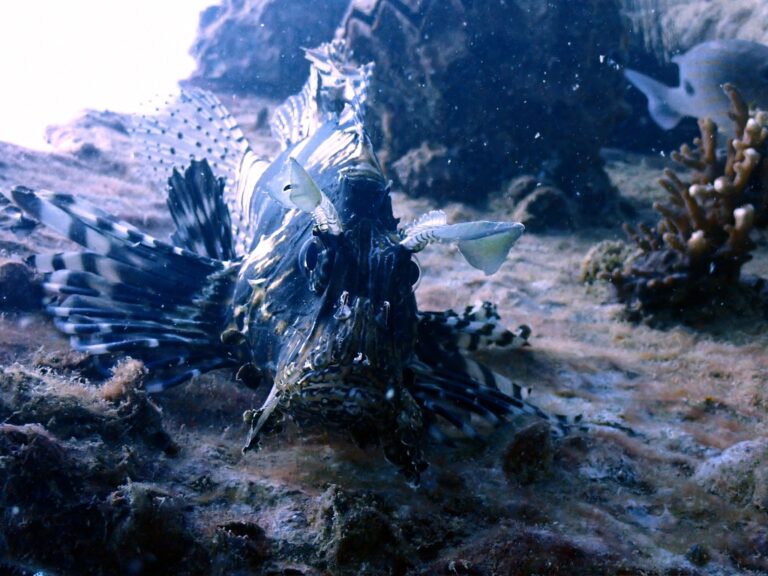
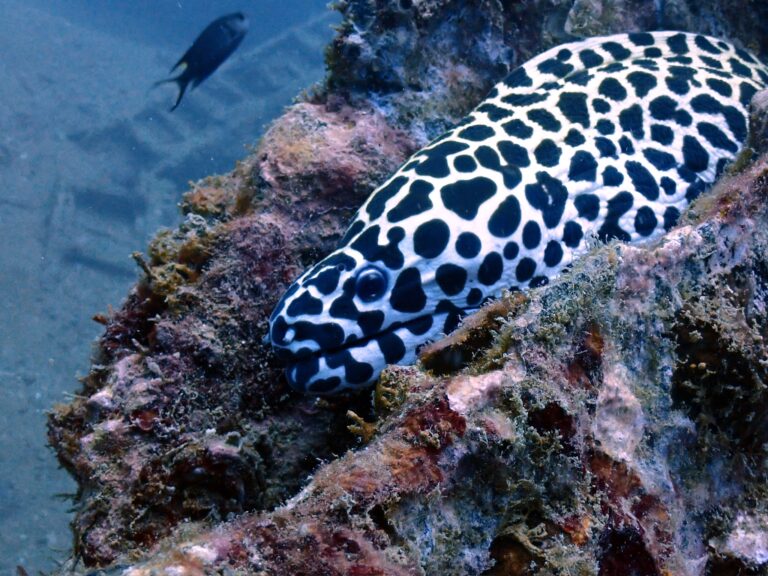
This is the dive. The wreck is massive — 120 meters long — and because it’s so accessible from shore, it’s been documented obsessively. You can identify hundreds of species on a single dive: bumphead parrotfish, giant moray eels, barracuda, lionfish in the crevices. The hull at depth is thick with hard coral and soft coral and sea fans. Visibility was around 20 meters when I was there.
Dive four completed the certification. My divemaster handed me a temporary certification card in the water, hovering at around 8 meters, which is a detail I will not forget.
What I’d Do Differently
Three consecutive dive days with long drives on days four and five is hard on your body. I had budgeted zero recovery time between the last dive day and the Mt. Batur sunrise hike. Three days of diving leaves you dehydrated, slightly hypoxic, and with compressed sinuses. Adding a 4am wake-up for a two-hour volcanic hike the next morning was not a serious plan. Build a rest day between the last dive and any physical activity. I didn’t, and day six forced the rest day on me.
Day 6: Mt. Batur Was Booked — and Then the Body Voted
I had a Mt. Batur sunrise hike booked. 4am pickup, two-hour hike to the caldera rim, breakfast at the summit while watching sunrise over Lake Batur. This is a real highlight on any Bali itinerary — Batur is an active volcano at 1,717 meters and the views on a clear morning are the kind of thing that justifies getting on a plane.
I did not do it.
I woke up at 3:15am with a sinus headache, ear pressure from the diving, and a stomach that had decided overnight to register its objections to three straight days of saltwater ingestion. I cancelled the hike. This was the right call and also entirely preventable.
What I’d Do Differently
Never schedule a strenuous morning activity the day after completing a multi-day dive course. PADI recommends a 12-18 hour surface interval before flying; the same logic applies to hiking at altitude. Schedule Mt. Batur either before the dive course starts or with at least one full rest day between. I’d put the Ubud day or the zoo day between the last dive and the hike.
Instead of the hike, I went to Nusa Penida by ferry. This was an improvised decision and it was partially a mistake, not because Nusa Penida isn’t worth visiting — it absolutely is — but because April puts you squarely in Indonesian school holiday season. The ferry port at Sanur was operating at a level of crowding that I was not prepared for. Queues for the fast boat were unmanaged, departure times were suggestions, and by the time I reached Nusa Penida I had about three hours before needing to catch the last reliable return ferry.
Kelingking Beach viewpoint — the T-Rex cliff that’s on every Bali mood board — is genuinely dramatic in person. The trail down to the beach is steep and loose and takes about 45 minutes each way if you’re moving carefully. I got to the viewpoint, looked at the trail, looked at my watch, and didn’t go down. If you’re going to Nusa Penida, it deserves a full day or an overnight stay, not a half-day improvisation during peak holiday season. I’ve since written up the full day-trip-vs-overnight comparison.
Dinner that night was the Sushi Counter at Hamabe, 6:30pm. This was my third time eating at Hamabe across the trip and the sushi counter was the best version — smaller menu, better focus, the kind of omakase-adjacent experience that the broader restaurant can’t quite achieve with a full dining room running.
Day 7: Bali Zoo — Orangutans at Breakfast, Elephants After
The Bali Zoo’s breakfast with orangutans is one of those experiences that sounds gimmicky until you’re sitting at a table with a juvenile orangutan three feet away watching you eat. The animals are residents, not performers — rescues and those born in the program. Breakfast is a buffet at tables inside an open-air enclosure; the orangutans move freely through the space and will approach if they’re curious. You are not allowed to initiate contact, and the staff enforce this actively.
Book two weeks ahead minimum. This fills up. The breakfast session runs at a fixed morning time and capacity is limited. I booked at the three-week mark and had options; I’ve heard from people who tried to book five days out and found nothing.
The elephant mud bath program runs later in the morning. Wear clothes you’re prepared to discard, or at minimum clothes you’re prepared to launder twice. The mud is thorough. A waterproof phone case is not optional if you want photos. The elephants at the Bali Zoo are not working animals; they’re in a conservation program. The mud bath is enrichment activity, not performance.
What I’d Do Differently
Do the zoo on day two, not day seven. It’s a morning activity that ends by noon, leaving the afternoon free. On day seven I was already in departure-mode mentally, counting hours until the 4am pickup, and didn’t enjoy it as much as I would have earlier in the trip. The zoo is also physically gentle — no diving, no hiking — which makes it the ideal buffer day between travel-tired day one and the start of the Ubud and diving days.
Day 8: The 4am Departure
Pickup at 4am. DPS departure at 7am. Singapore at noon. JFK at 6:50pm the same calendar day, which is one of the things that makes the westbound transpacific route easier than the eastbound. You arrive roughly when you feel like you should — tired but not disoriented about what day it is.
The Honest Budget Breakdown
Bali Trip Cost Breakdown — April 2024 (per person)
| Flights (JFK-SIN-DPS return) | $900-1,100 |
| Hotel (7 nights, Westin Nusa Dua) | $1,050-1,330 |
| PADI Open Water course (3 days) | $350-450 |
| Ubud private driver (full day) | $40-50 |
| Zahra Spa (2 sessions x $35) | $70 |
| Bali Zoo (breakfast + elephant) | ~$80 |
| Entry fees (Rice Terrace, Waterfall, Temple) | ~$10 |
| Food and incidentals (8 days) | $400-500 |
| Total | $2,900-3,590 |
Note: Mt. Batur hike (~$35-50 with guide) not included — I cancelled it. Nusa Penida ferry adds ~$25-30 round trip. Budget travelers staying in Ubud-area guesthouses instead of Nusa Dua can cut the hotel line by 50-60%.
The Reordered Itinerary I’d Actually Book
If I were doing this trip again from scratch, here is how I’d sequence it. The total activities are roughly the same; the order prevents the day-six collapse.
Revised 8-Day Solo Bali Itinerary
- Day 1: Arrive, beach, Zahra Spa, Hamabe Shabu Shabu
- Day 2: Bali Zoo (orangutan breakfast, elephant mud bath) — light day, hotel pool afternoon
- Day 3: Ubud full day (private driver) — Tegalalang, Tegenungan, Monkey Forest, Art Market, Tirta Empul
- Day 4: Mt. Batur sunrise hike (4am pickup) — nap afternoon, Zahra Spa evening
- Day 5: Scuba Day 1 — pool training. Robatayaki dinner.
- Day 6: Scuba Day 2 — Padang Bai Blue Lagoon. Zahra Spa evening.
- Day 7: Scuba Day 3 — Tulamben USAT Liberty wreck. Certification.
- Day 8: Morning Nusa Penida day trip or beach day. Depart following morning.
This order keeps the most physically demanding days separated by buffer, puts Mt. Batur early enough that an illness doesn’t cascade into a scheduling disaster, and gives Nusa Penida a proper standalone day rather than a panic-substitute.
Practical Details Worth Knowing
Book hotels: Search Bali hotels on Booking.com
Transportation
Grab (the Southeast Asian ride-share) works well in the south. For anything outside the Nusa Dua-Seminyak-Canggu triangle, a private driver booked for the day is almost always the right call. The price difference between Grab and a private driver flattens out past 30 minutes, and the driver will wait for you at each stop while Grab requires rebooking. For Ubud: private driver, full stop. For Tulamben and Padang Bai: your dive operator will arrange transport as part of the course fee — confirm this when you book.
Money
Indonesian rupiah. ATMs are everywhere in the south; the rate at bank ATMs is reasonable. Avoid the exchange kiosks near tourist areas that advertise extremely favorable rates — the “commission” materializes at the moment of counting. Most restaurants and larger shops accept cards; smaller warungs and market stalls are cash only. Keep small bills for entry fees, offerings, and tips.
The Ubud Art Market Bargaining Rule
Start at 30% of the opening ask. Expect to settle around 45-55%. If the vendor starts at 300,000 rupiah, offer 90,000 and expect to close at 130,000-160,000. Walk away slowly if they don’t move — they will follow if there’s room.
Scuba Certification Logistics
Multiple reputable operators work out of Nusa Dua and Sanur. Ask specifically about where the open water dives take place — you want Padang Bai and Tulamben on the itinerary, not generic pool-adjacent shallow dives. Confirm the course price is all-inclusive: gear rental, boat fees, PADI registration, and certification card processing. Reputable operators include everything.
Bali as a Solo Trip
I get asked whether Bali works as a solo destination. It works extremely well. The infrastructure for solo travelers is mature — private drivers calibrate naturally to one person, tour operators run small groups that you slot into easily, and the resort area of Nusa Dua has enough dining options that eating alone at a table doesn’t require a plan. The culture is warm and oriented toward hospitality in a way that isn’t performative.
The solo certification dive is worth addressing directly: doing your open water cert alone is better, not worse. You get more divemaster attention, the instruction is calibrated to your pace, and you’re not waiting on a group to complete skills before moving on.
As I packed my bag at midnight for the 4am pickup, what I was sorting through was mostly gratitude that I’d come at all, and a specific frustration with my own scheduling that I’ve now turned into this post. Bali is generous with second chances — I’m already looking at what a return trip looks like with the revised order, a rest day before the volcano, and Nusa Penida getting the full day it deserves.
Related Reading
- Two Weeks in Thailand: The Krabi to Koh Lipe Route
- Southeast Asia in March: Singapore, Vietnam, Islands
- South Korea Cherry Blossom Season: Seoul, Busan, Jeju
Gear and Guides We Recommend
Planning a similar trip? Here are some items we found useful:
- Bali travel guide
- reef-safe sunscreen
- waterproof dry bag
- compact snorkel set
- travel insect repellent
These are affiliate links. If you purchase through them, we may earn a small commission at no extra cost to you, which helps support this site.
Book Tours and Activities
Book on Klook:
Find Flights to Bali
Cheapest Flights to Bali
| Departure at | Return at | Stops | Airline | Find tickets |
|---|---|---|---|---|
| Flexible | Flexible | Direct |  |
Check current fares |
Book Activities in Bali:
Compare flights on Skyscanner — and grab an Airalo eSIM before you land so you have data the moment you arrive.
Tours: NZ tours on Viator
Travel Insurance: We use SafetyWing for travel insurance on every international trip. It covers medical emergencies, trip interruptions, and lost luggage starting at $45/month with no fixed end date — perfect for multi-country itineraries.
Related: Southeast Asia Tours Worth Booking
Frequently Asked Questions
Is Bali good for solo travelers?
Bali is one of the best solo travel destinations in Asia. Ubud and Canggu have strong solo traveler communities, affordable coworking spaces, and easy access to tours. Safety is generally good with standard precautions.
How much does a solo trip to Bali cost?
Budget travelers can manage on $40-60 per day including accommodation, food, and transport. Mid-range solo travelers spend $80-120 per day. The biggest costs are activities like diving ($80-100 per day) and multi-day tours.
What is the best area in Bali for solo travelers?
Ubud for culture, rice terraces, and yoga. Canggu for surfing, cafes, and digital nomad vibes. Seminyak for nightlife and beach clubs. Most solo travelers split time between Ubud and Canggu.
Need a rental car? Compare car rental prices for your trip.
Free Bali Quick Guide (PDF)
Get my 5-page Bali cheat sheet with scuba tips, temple etiquette, daily budgets, and what I’d skip. Subscribe to download it free.
No spam. Unsubscribe anytime. Guide sent immediately after signup.
Plan Your Bali Trip
Full Notion planner with 23 activities, budget tracker, packing list, and Indonesian phrases. Plus Google Maps with 20+ color-coded pins.
Related Reading
Plan your own trip: guides I actually use
More from this region:
- What a Couple Should Budget for 10 Days in Bali
- Bali vs Thailand Diving: USAT Liberty vs Richelieu Rock
- Breakfast with Orangutans at the Bali Zoo: What It Actually Is
- What I’d Do Differently: Bali Edition
- Bali for Remote Workers Beyond Canggu — Ubud, Sanur, and Uluwatu Compared
- Getting PADI Certified in Bali: Three Days From Pool to Shipwreck
- Bali Warung Guide — Where to Eat Like a Local for Under $3
- Mount Batur Sunrise Hike: What I Learned Booking It (and Cancelling at 9pm)
- Best Cities for Working Remotely Abroad — Ranked by WiFi, Cost, and Visa
Cards, lounges & insurance:
- Best Airport Lounges I Have Actually Used — From Changi to Istanbul
- Is Priority Pass Worth It in 2026 — My Honest Review After 15 Airports
- Best Travel Credit Cards for 2026: The Cards I Actually Use and Why
- Best Travel Insurance for 2026: What I Actually Recommend After 15 International Trips
Finding cheap flights:
- When to Book Flights by Region — The Booking Windows That Actually Save Money
- How to Find Error Fares and Flight Deals — The Services I Actually Use
- Google Flights vs Skyscanner vs Momondo — Which Actually Finds the Cheapest Flights
Travel gear I actually use:
- Best Portable Chargers for Travel in 2026: Which Size You Actually Need
- My Exact Travel Tech Setup After 15 International Trips
- Best Noise-Canceling Headphones for Travel in 2026: Tested on 40+ Flights
- Best Travel Backpacks for 2026: The 5 I Have Actually Used
Staying connected abroad:
- Best VPN for Travel 2026 — NordVPN vs Surfshark and Why You Need One
- Best eSIM for Travel 2026 — Holafly vs Airalo vs Nomad
Written by Jenna Fattah
I have visited 25+ countries across 6 continents, attended 7 Formula 1 races, and spent 4 years writing about what actually works and what I would do differently. Every recommendation on this site comes from trips I planned and paid for myself. Read more about me