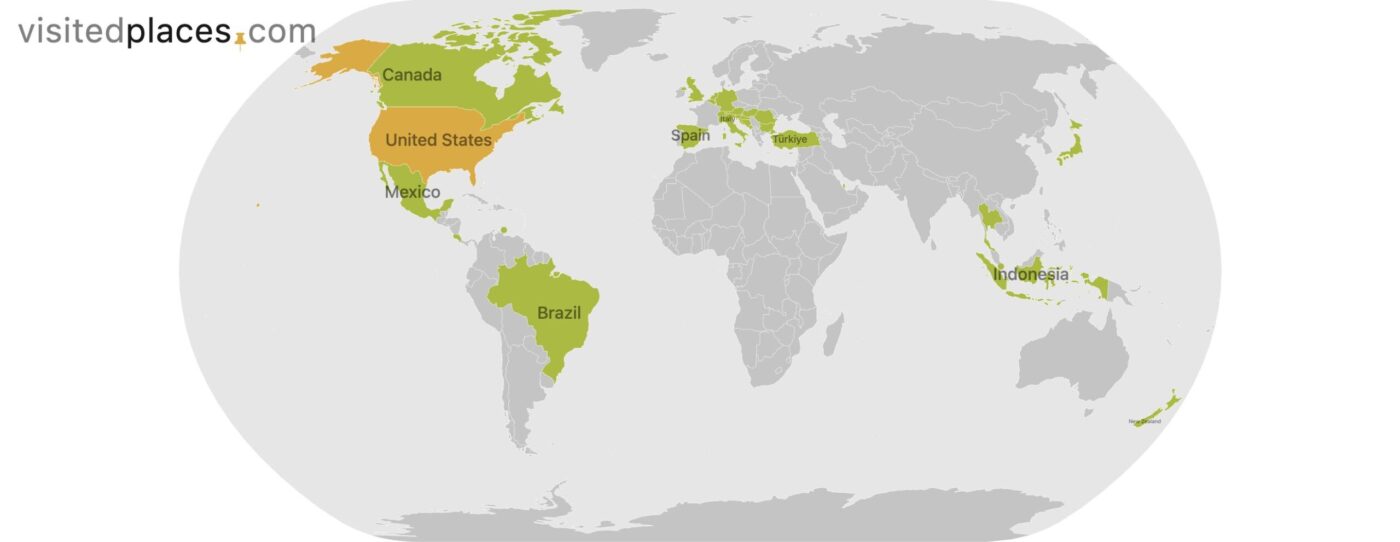
Everyone has an opinion about Bali. Half the people who go come back talking about how spiritual it was, how they found themselves, how the rice terraces changed their life. The other half say it’s overrun with tourists and overpriced smoothie bowls. Both groups are right, depending entirely on where you go and how you spend your time. I went in April 2024 — end of rainy season, Ramadan in full swing, shoulder season crowds — and came back genuinely impressed. But only because I avoided the obvious mistakes and spent most of the trip doing things that weren’t on anyone’s Instagram.
Here is what actually worked, what didn’t, and where to go if you want to see the island without spending your entire trip fighting traffic and crowds.
Where We Stayed
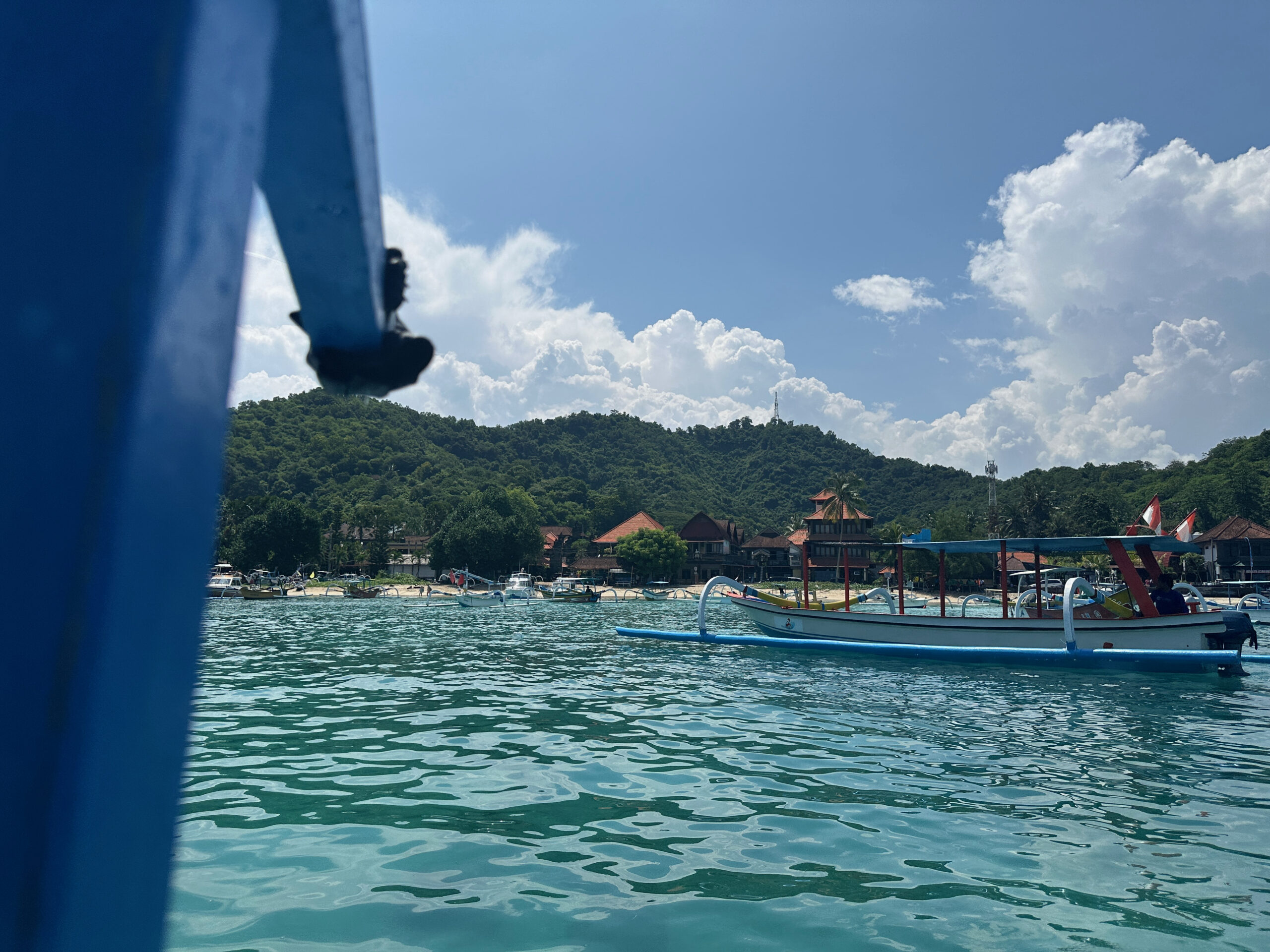
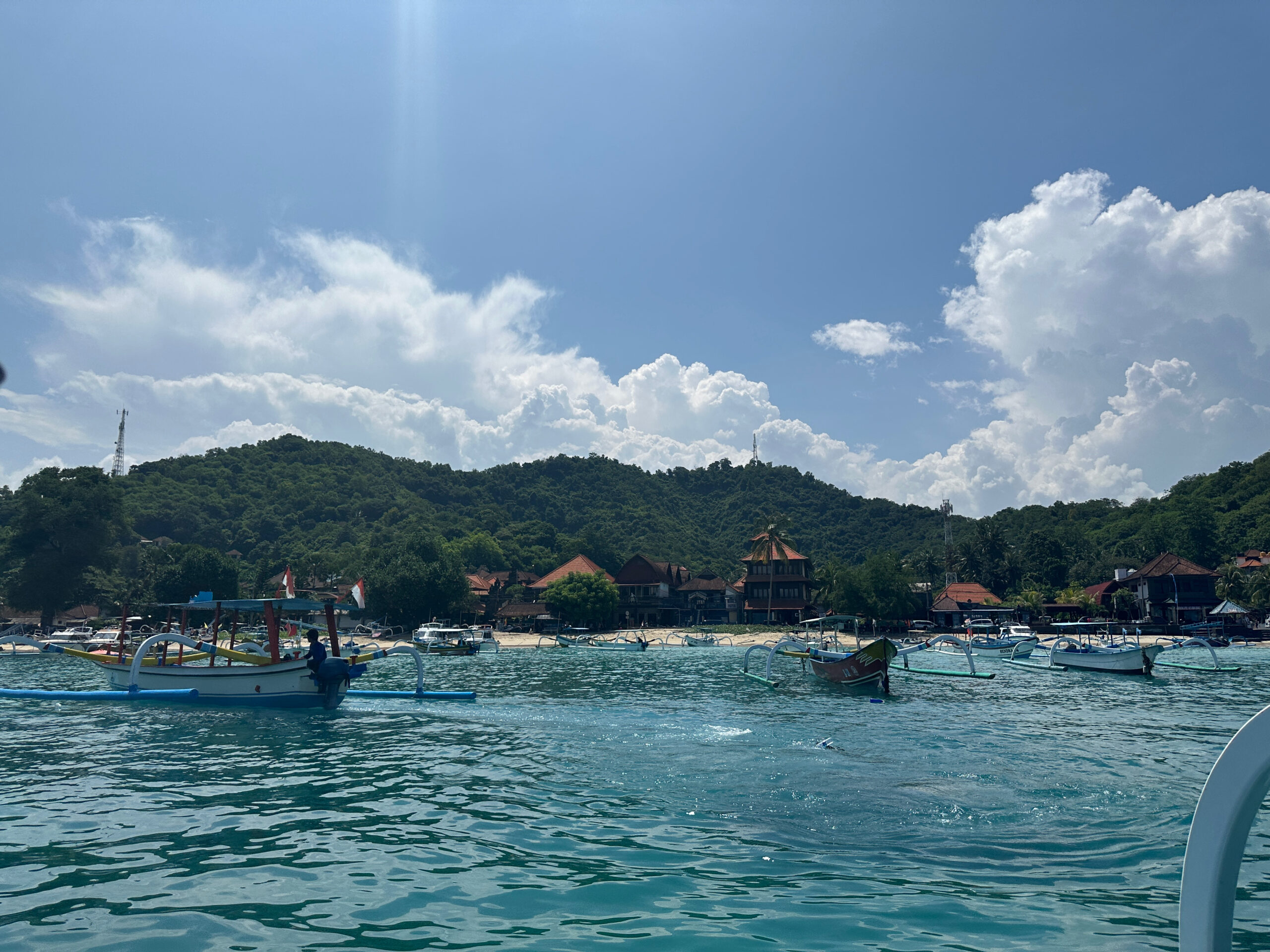
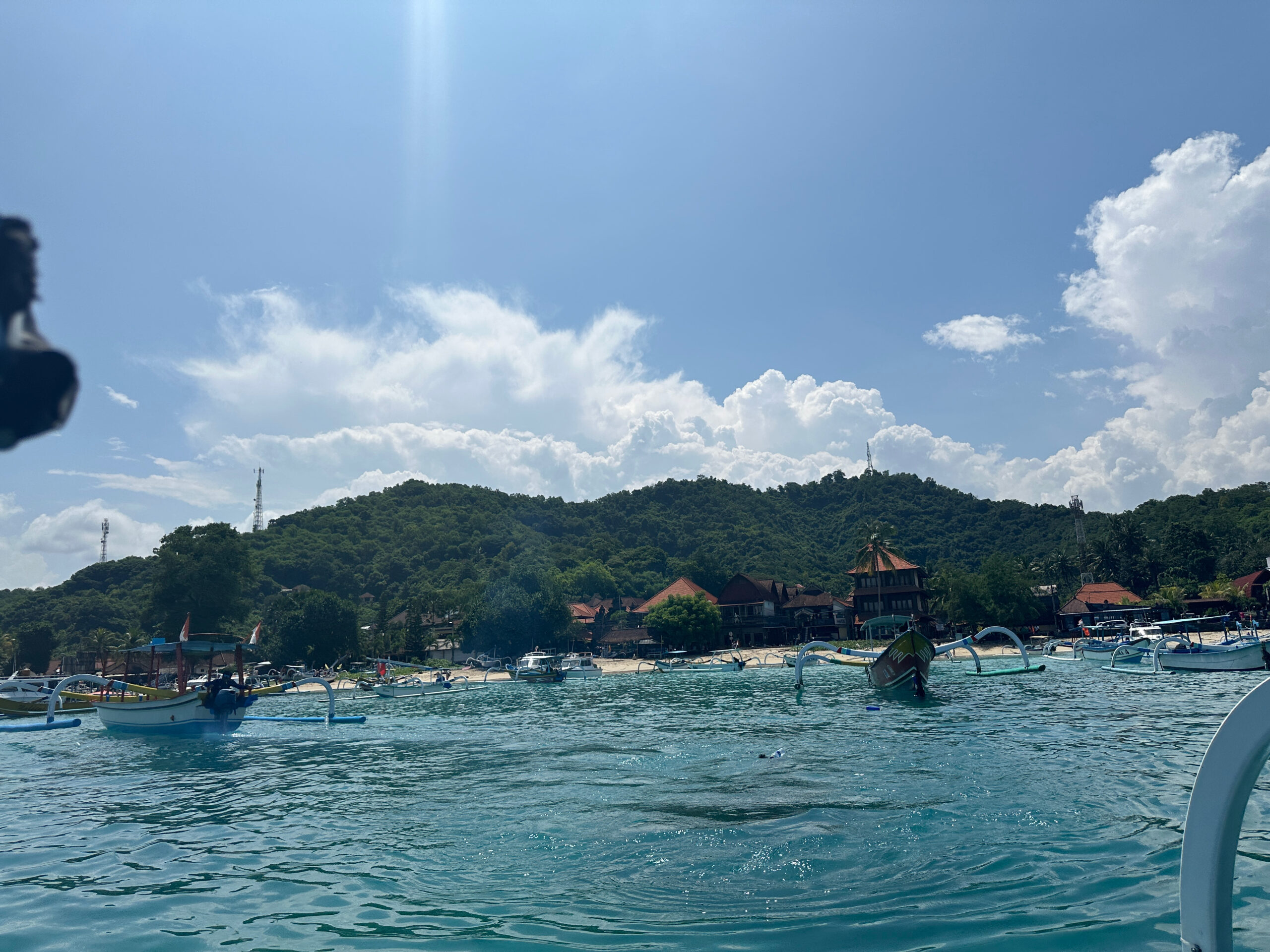
We based ourselves at the Westin Bali Resort in Kuta Selatan (Benoa area, south Bali). Good call. It’s far enough from the chaos of Kuta proper that you can actually decompress, but close enough to everything that day trips don’t require a full morning of logistics. The beach is solid and the pool situation is excellent. For spa days, Zahra Spa — a short trip from the resort — does a two-hour warmstone massage and foot massage combination that is worth every rupiah. Book in advance; it fills up.
Note on timing: if you go during Ramadan (which shifts by year — check the calendar), you’ll find that some local warungs close during daylight hours and evening dining spots fill up fast. It’s not a problem, just something to plan around. We had a Ramadan dinner at Ikan that was one of the better meals of the trip.
Ubud: The Part That Actually Lives Up to the Hype
Ubud is the cultural center of Bali and the only part of the island where I felt like I was somewhere genuinely distinct from anywhere else in Southeast Asia. The town itself is loud and touristy, but step ten minutes outside of it and you’re in rice fields with no one around.
Tegallalang Rice Terraces
Yes, you’ve seen the photos. Yes, it will be crowded. Go anyway, but go early — before 8am if you can manage it. The terraces are legitimately beautiful, carved into steep hillsides with irrigation channels running through them. The walk through takes about 45 minutes at a normal pace. Ignore the cafes at the top charging 50,000 IDR for a coffee just because they have a view. Walk down, walk through, and leave before the Instagram crowd arrives.
We did the Ubud day as a private Viator tour that picked us up at 8:30am and covered Tegalalang, Tegenungan Waterfall, the Sacred Monkey Forest, an art market, Puri Saren (Ubud Palace), and Tirta Empul Temple — the holy spring temple where you can participate in the purification ritual. Fitting all of that into one day without renting a scooter and figuring out the roads yourself was worth the cost. The driver was excellent and we were back by 5pm.
There are also rice terraces near Jatiluwih that are less visited and arguably more impressive. They’re a UNESCO site and the drive out there is part of the point. Rent a scooter and make it a half-day loop.
Monkey Forest
Ubud’s Sacred Monkey Forest Sanctuary is exactly what it sounds like: a forest full of long-tailed macaques who have absolutely no fear of humans because they’ve been fed and photographed for decades. They will grab your bag, steal your sunglasses, and climb on you if you’re not paying attention. It costs about $4 USD to enter. Hold onto your belongings and don’t make eye contact with the dominant males — they read that as a challenge.
Where to Eat in Ubud
Locavore is the restaurant people talk about and the hype is earned. It’s a tasting menu restaurant focused on local ingredients, and it’s one of the better meals I’ve had anywhere in Asia. Book well in advance. Expect to spend around $60-80 USD per person for the full menu with wine pairings.
For something more casual, Warung Ibu Oka is the spot for babi guling — Bali’s whole-roasted suckling pig. Get there before noon because they sell out. A full plate is under $5.
Clear Cafe on Jalan Hanoman is good for a working lunch: decent wifi, solid smoothies, and a menu covering everything from nasi goreng to grain bowls. The food is actually good and the portions are large.
Seminyak vs. Canggu: Know the Difference Before You Book
Seminyak is polished and expensive. Canggu is where the digital nomads and surfers landed and hasn’t fully figured out what it wants to be yet.
Seminyak
Seminyak has the best restaurants and the most consistent beach clubs. Potato Head Beach Club is worth going to once just for the architecture. It’s a Sunday afternoon kind of place: show up, get a daybed if you’ve pre-booked, and stay until the sun goes down. The shopping on Seminyak’s main strip is decent for resort wear and home goods. Prices are negotiable at the smaller shops but not at the boutiques.
Canggu
Canggu is where you go if you’re staying for more than a week and want to feel like you’re living somewhere rather than visiting. There are good surf breaks at Echo Beach and Batu Bolong, good coffee, and a lot of co-working spaces. The traffic through the main strip is genuinely terrible during the day.
Warung Dandelion is one of the best cheap meals in Canggu — nasi campur for about $3. The Shady Shack is where you go for a vegetarian meal you’ll actually enjoy. For coffee, Common Grounds has consistently good espresso.
For Japanese food — which sounds like a strange recommendation for Bali but stay with me — Hamabe does both shabu shabu and a sushi counter, and it’s excellent. We went twice. The shabu shabu on arrival night after a long travel day was exactly right, and the sushi counter dinner on our last night was better than most sushi I’ve had outside Japan. Robatayaki is another strong dinner option if you want Japanese-style grilled skewers in a proper sit-down setting.
Between the two: Seminyak for a short trip, Canggu for a longer stay.
Uluwatu: Cliffs, Temples, and Sunset Bars
Uluwatu is at the southern tip of the Bukit Peninsula. The cliffs drop straight into the ocean, there are world-class surf breaks at the base, and the light in the late afternoon is extraordinary.
Uluwatu Temple
Pura Luhur Uluwatu sits on a cliff edge about 70 meters above the ocean. Go for the Kecak fire dance at sunset — it starts around 6pm and costs about $15 USD. The performance is an hour long and takes place in an open-air amphitheater on the cliff with the ocean behind it. The monkeys here will also steal your things.
The Cliff Bars
Single Fin is the famous one — a bar and restaurant built into the cliff above a surf break. It’s packed on Sunday afternoons with a DJ, but on a weekday evening it’s manageable. The cocktails are about $12 USD and what you’re paying for is the view. Arrive an hour before sunset to get a spot on the terrace.
Nusa Penida: Do the Day Trip
Nusa Penida is about 45 minutes by fast boat from Sanur. The main reason to go is Kelingking Beach — the cliff formation that looks like a T-Rex head. The climb down takes about 45 minutes each way and is steep. Wear actual shoes, not sandals.
Angel’s Billabong is a natural infinity pool in the rocks at the western tip — go at low tide. Broken Beach is a ten-minute walk away and worth seeing.
A day trip runs about $35-50 USD per person through Sanur boat operators, usually including the boat, a driver, and the main sites. Book through your hotel or a reputable operator. The crossing can be rough; take seasickness medication if you’re prone to it.
Diving in Bali: Three Days, One Wreck Worth the Trip
I did a three-day PADI Open Water certification course while in Bali and it was the best decision of the trip. Day one is confined water skills — pool training at your dive shop, paperwork, gear orientation. Day two takes you into open water at Padang Bai and the Blue Lagoon, which is a sheltered bay with good visibility and calm conditions for new divers. Day three is the payoff: Tulamben, where the USAT Liberty sits.
The USAT Liberty is a WWII American cargo ship torpedoed in 1942 and pushed onto the beach by a volcanic eruption in 1963. It’s now one of the top wreck dives in Asia, sitting at 5-30 meters with visibility typically 15-25 meters in April. Soft corals have completely colonized the hull. You swim through the structure, past schools of bumphead parrotfish and garden eels, and it doesn’t feel like a dive site — it feels like a discovery. Going as a newly certified diver with an instructor felt safer and more immersive than I expected.
For the certification course and USAT Liberty dive, book through a reputable dive operator — Viator has vetted dive operators in Bali if you want to compare options before booking direct.
Mount Batur: The 3:30am Wake-Up Is Worth It
The alarm goes off at 3am. The pickup is at 3:30. You drive up to the base of an active volcano in the dark, strap on a headlamp, and start walking. The hike takes about two hours and the trail is steep in sections but completely manageable — no technical climbing, just sustained uphill. At the summit you get the sunrise over Lake Batur and the rim of the caldera, with clouds below you if you’re lucky. Guides cook eggs in volcanic steam vents. You eat them at the top of a volcano.
We were back at the hotel by 9am, which left the entire day for the beach. The rest of the day is legitimately easier after the physical hit of the hike — something about earning the afternoon by 7am.
One honest warning: the summit can be cold. Bali is tropical but at 1,717 meters at dawn, you will want a layer. The vendors at the base rent jackets but they’re not great. Bring a packable one.
Breakfast With Orangutans and the Elephant Mud Bath
On our last full day we did breakfast with orangutans (at the Mason Elephant Lodge and adjacent wildlife area) followed by the elephant mud bath experience. Both are polarizing in the travel community. My take: the orangutan breakfast was genuinely lovely — they roam freely and interact on their terms, which felt different from zoo-style experiences. The elephant mud bath was chaotic and joyful. I knew going in that wildlife tourism in Bali exists on a spectrum and I felt comfortable with the specific operators we used.
Both are worth doing once if you’re curious. Neither is required. Book in advance — they fill up, especially on weekends.
Scooter Rentals: How It Actually Works
Renting a scooter is the right way to get around Bali outside the main tourist areas. Rates run about $5-8 USD per day for a basic automatic. You don’t need a motorcycle license to rent one, but you do need one to be legal. Police occasionally set up checkpoints targeting tourists and will ask for a “fine” that goes directly into their pocket. The going rate is about $10-20 USD. Annoying but infrequent.
Apps: Gojek is the local ride-hailing app and it’s cheaper than Grab. Use it for longer distances or when you don’t want to deal with parking.
What to Skip: Kuta
Skip Kuta. The beach is dirty, the main strip is loud and chaotic, and the restaurants are calibrated entirely for package tourists. There is nothing in Kuta you can’t do better somewhere else on the island. If you land at Ngurah Rai Airport (which you will — it’s the only major airport), just get in a car and go directly to wherever you’re actually staying.
Book on Klook:
- Nusa Penida Full-Day Trip with Snorkeling
- Ubud Day Tour: Tegalalang, Monkey Forest, and Tirta Empul
- Mount Batur Sunrise Trekking with Breakfast
What Made This Trip Different
- Bali has about 20,000 temples. Most are active and you’ll see offerings placed daily — small palm-leaf trays with flowers, incense, and food. You will step on them by accident. It happens.
- The island is Hindu in a country that is 87% Muslim. The culture feels distinct from the rest of Indonesia, and that distinctness is real and goes deeper than the aesthetics.
- The tap water is not drinkable anywhere in Bali. Use a filtered water bottle or buy large refillable jugs for about $0.50 USD.
- Currency: the Rupiah runs at about 15,000-16,000 IDR to the USD. Everything sounds expensive until you do the math. A good meal at a local warung is 30,000-50,000 IDR, which is $2-3 USD.
- If you happen to be there during Nyepi (the Balinese Day of Silence), the entire island shuts down for 24 hours — no lights, no traffic, no noise. It’s extraordinary and disorienting.
Book Tours and Activities
- Private Ubud Day Tour — the exact tour we did: Tegalalang, Tegenungan Waterfall, Monkey Forest, Tirta Empul Temple
- All Bali day tours on Viator — Nusa Penida snorkeling and Mount Batur sunrise hike are both worth booking in advance
- Bali diving and PADI courses — includes USAT Liberty wreck dives at Tulamben
- Top-rated Bali activities on TripAdvisor
Gear and Guides We Recommend
- Dry Bag: You will get wet on the Nusa Penida boat crossing, at waterfalls, and on scooters in the rain. This one holds up well and compresses when not in use.
- Reef-Safe Sunscreen: The beaches and snorkel sites are in bad enough shape already. This one doesn’t leave a white cast and actually stays on in water.
- Lonely Planet Bali and Lombok: The app is fine but the physical book is better for planning. The current edition covers Nusa Penida well.
Related Reading
- Japan: What We Wish We’d Known Before We Went
- Thailand Beaches: Krabi, Koh Lanta, and the Islands Worth Visiting
- South Korea: Seoul, Busan, and Everything In Between
- How We Plan Long-Haul Trips Without Losing Our Minds
- Credit Card Points and How We Actually Use Them for Travel
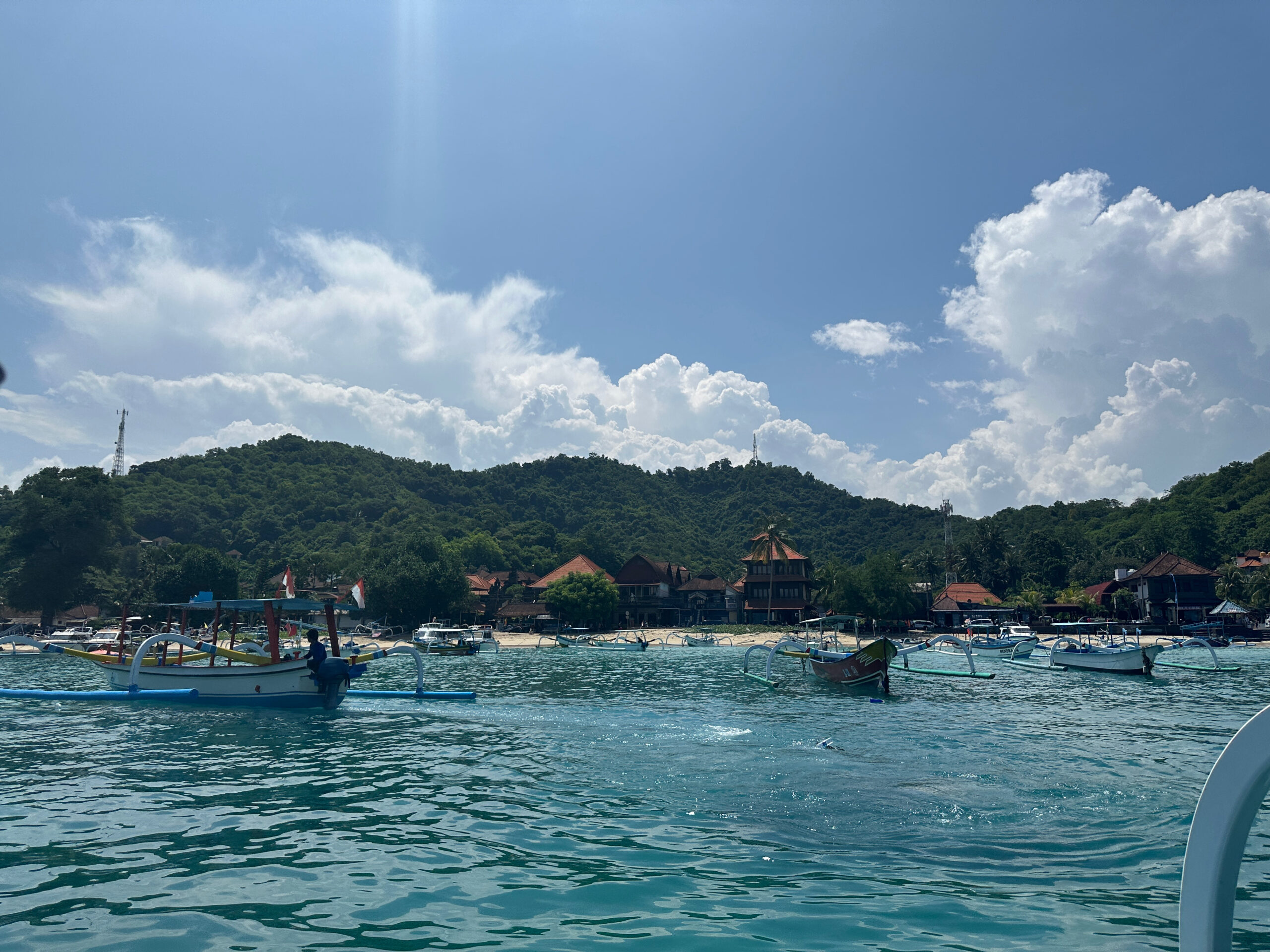
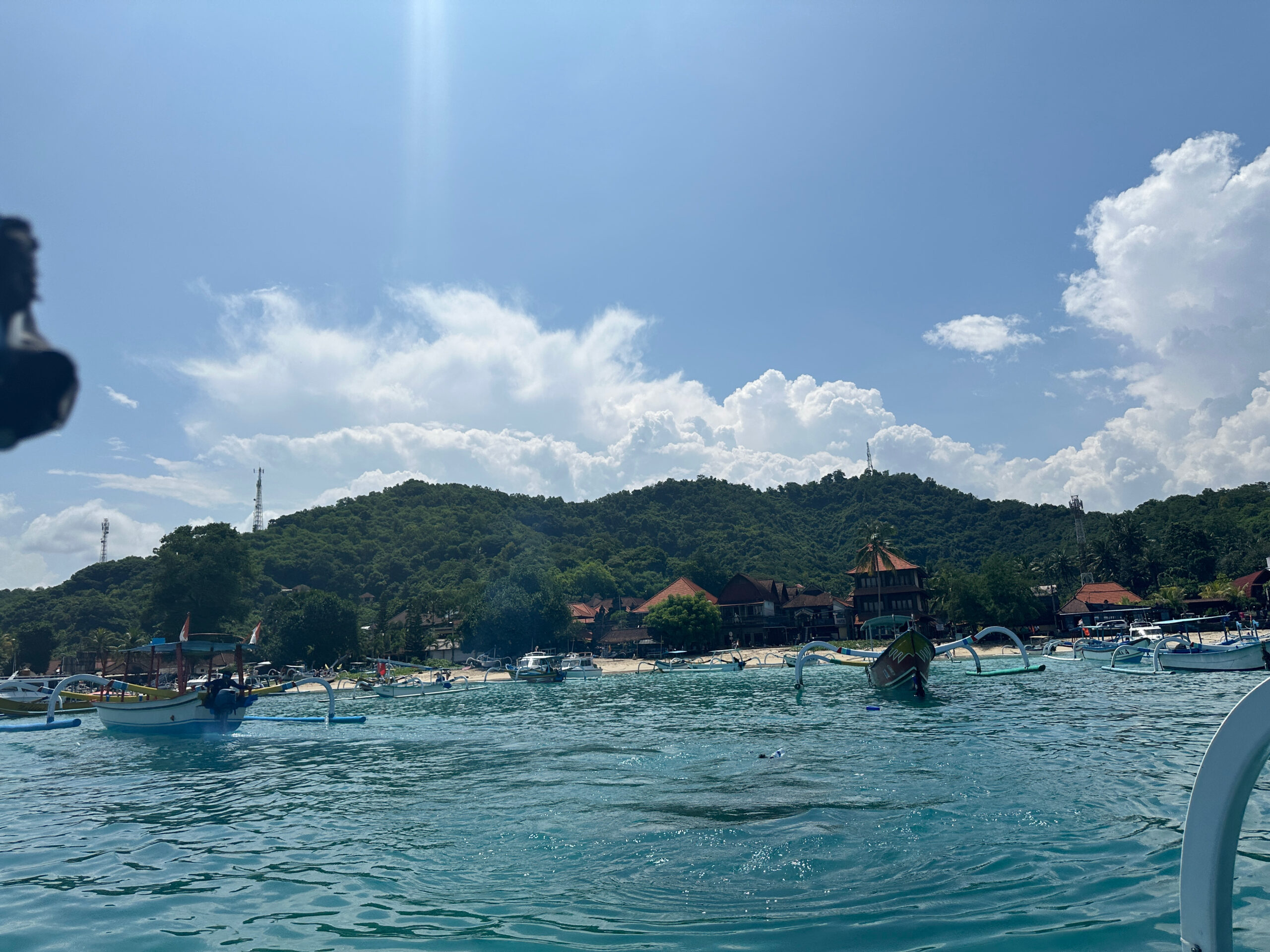
Photos from Bali

Book Tours and Activities
Find Flights to Bali
Cheapest Flights to Bali
| Departure at | Return at | Stops | Airline | Find tickets |
|---|---|---|---|---|
| 25 September 2026 | 5 October 2026 | Direct |  |
Tickets from 995 |