Bali for Remote Workers Beyond Canggu — Ubud, Sanur, and Uluwatu Compared
Updated April 2026 | 4 min read
TL;DR — Quick Picks
- Do: Ubud for deep focus and nature — coworking at Outpost Ubud is $155/month with 50-80 Mbps
- Do: Sanur for calm infrastructure without the Canggu chaos — paved beachfront path, wide sidewalks, family restaurants
- Skip: Uluwatu for remote work unless you surf. Cliffs are beautiful but infrastructure and WiFi are thin compared to the alternatives
In This Post
Canggu is the default Bali neighborhood for digital nomads and it has been for years. The coworking spaces are good, the cafes are everywhere, and the community is established. But Canggu in 2026 is not Canggu in 2019. Traffic is gridlocked, construction is constant, rents have tripled, and the ratio of Instagram influencers to actual workers has shifted.
If you are coming to Bali to work, not just to post photos of your laptop next to a smoothie bowl, here are three alternatives.
Ubud — For Focus and Depth
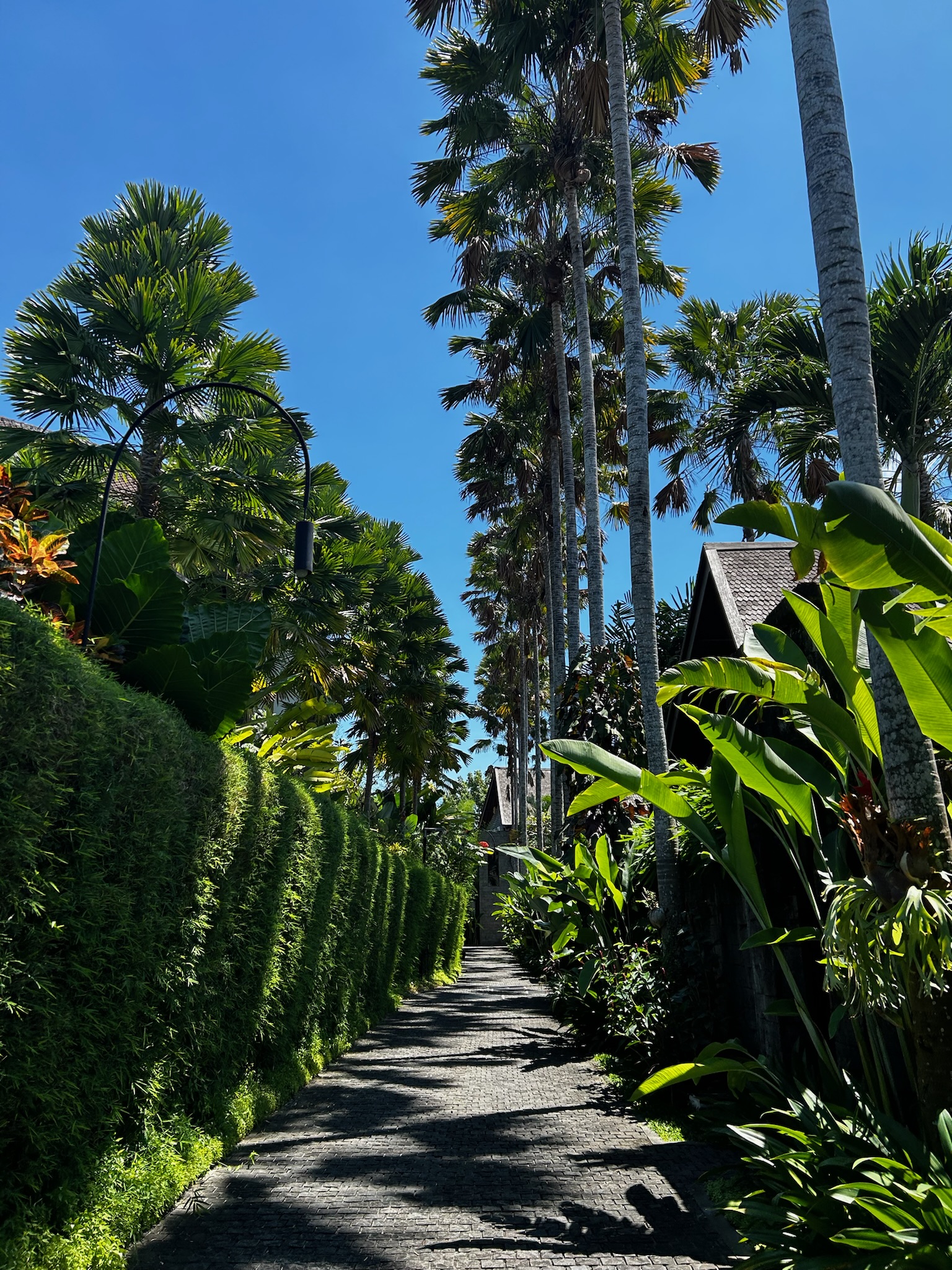
The vibe: Ubud is the cultural and spiritual center of Bali. Rice terraces, temples, monkey forest, yoga studios, and art galleries. The pace is slower than Canggu and the crowd skews older and more intentional — writers, designers, yoga teachers, and people who actually came to work.
WiFi and coworking:
- Outpost Ubud — the best coworking space in Ubud. 50-80 Mbps, air-conditioned, proper desks, meeting rooms. Monthly: IDR 2,500,000 ($155).
- Hubud — the original Ubud coworking space (now reopened after COVID). Community-focused with regular events. Monthly: IDR 2,200,000 ($137).
- Cafe WiFi in Ubud averages 20-40 Mbps — usable for most work but not reliable for video calls. Use coworking for calls.
Monthly cost:
- Apartment/villa: IDR 5,000,000-10,000,000 ($310-620) — significantly cheaper than Canggu
- Food (mix of warungs and cafes): IDR 3,000,000-5,000,000 ($186-310)
- Scooter rental: IDR 800,000-1,200,000 ($50-75)
- Coworking: IDR 2,200,000-2,500,000 ($137-155)
- Total: $683-1,160/month
Drawbacks: No beach (1 hour to the coast). Ubud’s central area is congested and the one-way traffic system is confusing. Nightlife is minimal — this is an early-to-bed town. If you want surf and sunset bars, Ubud is not it.
Best for: Writers, creatives, and focused deep-work types who want culture over nightlife.
Sanur — For Calm and Infrastructure
The vibe: Sanur is the quiet, mature alternative to Canggu. Wide sidewalks, a paved beachfront path, family restaurants, and none of the construction chaos. It was Bali’s first tourist area in the 1970s and has a settled, lived-in feel. The crowd is older couples, families, and long-stay residents.
WiFi and coworking:
- Sanur has fewer dedicated coworking spaces. Genius Cafe and a few cafe-coworking hybrids offer 30-50 Mbps.
- Many long-stay nomads in Sanur work from their villa or apartment — internet in Sanur villas averages 30-60 Mbps via IndiHome fiber.
- If you need proper coworking, Dojo Bali (Canggu) is 40 minutes by scooter — close enough for occasional use.
Monthly cost:
- Apartment/villa: IDR 4,000,000-8,000,000 ($250-500)
- Food: IDR 2,500,000-4,000,000 ($155-250)
- Scooter: IDR 800,000-1,000,000 ($50-62)
- Total: $455-812/month
Sanur is the cheapest option on this list because it has not been overrun by nomad-targeted businesses that inflate prices.
Drawbacks: Quiet to the point of boring for some people. The beach is calm (reef-protected, no waves) — great for swimming, terrible for surfing. Social scene is limited compared to Canggu or Ubud.
Best for: Couples, families, or anyone who wants a calm home base with good infrastructure and low costs.
Uluwatu — For Surf and Scenery
The vibe: The Bukit Peninsula (Uluwatu area) is Bali’s dramatic southern tip — cliff-top temples, world-class surf breaks, and fewer tourists than the central-Bali corridor. It feels remote despite being only 30 minutes from the airport.
WiFi and coworking:
- Drifter Surf Cafe and Single Fin have decent WiFi (20-30 Mbps) but are designed for hanging out, not working.
- Proper coworking is limited. Most nomads in Uluwatu work from their villa. Fiber internet availability depends on the exact location — check before booking.
- The area is developing quickly and coworking options are improving, but it lags behind Canggu and Ubud.
Monthly cost:
- Villa: IDR 6,000,000-15,000,000 ($375-935) — higher variance because cliff-top villas command a premium
- Food: IDR 3,000,000-5,000,000 ($186-310)
- Scooter: IDR 800,000-1,200,000 ($50-75) — essential, everything is spread out
- Total: $611-1,320/month
Drawbacks: Everything requires a scooter. The cliffs mean steep, winding roads. Very few services within walking distance. If your internet goes down, there is no coworking backup nearby. Food options are more limited and more expensive than other areas.
Best for: Surfers who work. If your schedule allows morning surf sessions and afternoon work, Uluwatu is paradise. If you need reliable infrastructure, pick Ubud or Sanur.
Canggu — The Default (For Good Reason)
To be fair to Canggu: the infrastructure for nomads is unmatched. Dojo Bali (100+ Mbps), dozens of work-friendly cafes, fast food delivery, gyms, surf, nightlife — everything is within a 5-minute scooter ride. The community events, coworking social nights, and networking opportunities are real.
The downsides are traffic (the main road is permanently gridlocked between 8am-8pm), rising prices (villas that cost IDR 5M/month in 2020 now cost IDR 12-15M), and overcrowding. If you have never been to Bali, start in Canggu for the first month to meet people and learn the island, then move to one of the alternatives.
Bali Nomad Essentials
- Get an Airalo eSIM for Indonesia as WiFi backup — when your villa internet drops (it will), 4G data keeps you connected for calls.
- Sony WH-1000XM5 headphones — essential for blocking out cafe noise, construction noise, and the 50 roosters that live in every Bali neighborhood.
- Waterproof phone pouch — you will be on a scooter in sudden tropical rain. Your phone needs protection. $10.
- The Bali warung guide will save you $15/day on food compared to eating at tourist cafes.
Frequently Asked Questions
Where should digital nomads stay in Bali besides Canggu?
Ubud for creative focus — Outpost Ubud coworking is $155/month with 50-80 Mbps. Sanur for calm beaches and reliable infrastructure. Uluwatu for surf and cliffs. We stayed in the Benoa area and wished we had been in Seminyak or Canggu for the walkability.
How much does it cost to live in Bali as a remote worker?
Budget $1,200-1,800/month. Ubud is cheapest: $310-620 rent, $186-310 food, $50-75 scooter, $137-155 coworking = $683-1,160 total. Canggu runs 30-50% more. Add travel insurance — SafetyWing is popular with nomads.
What visa do remote workers need for Bali?
The B211A visa gives 60 days, extendable to 180. Indonesia also launched a Digital Nomad Visa in late 2024 for stays up to 12 months with proof of income. For a short trip like ours (8 days), the visa-on-arrival was sufficient.
Travel Tools We Use
- Compare flights on Skyscanner
- Find hotels in Bali on Booking.com
- Get travel insurance with SafetyWing
- Get an eSIM with Airalo
- Book activities on Klook
These are affiliate links — we earn a small commission at no extra cost to you.
Get Travel Tips That Actually Help
Real costs, honest reviews, and what I would do differently — delivered to your inbox.
Plan your own Bali trip
Get the exact Notion planner + Google Maps pin list I used
Duplicatable Notion template (Ubud + Uluwatu + Canggu itinerary, live budget tracker in IDR + USD, warungs + beach clubs database, packing checklist, pre-trip countdown) plus a 20-pin color-coded KML for Google My Maps + offline phone use.
Get the Bali bundle — $1
Notion $1 · Maps $1 · Bundle $1
Plan your own trip: guides I actually use
Related guides:
- Getting PADI Certified in Bali: Three Days From Pool to Shipwreck
- Best Cities for Working Remotely Abroad — Ranked by WiFi, Cost, and Visa
- Mount Batur Sunrise Hike: What I Learned Booking It (and Cancelling at 9pm)
Written by Jenna Fattah
I have visited 25+ countries across 6 continents, attended 7 Formula 1 races, and spent 4 years writing about what actually works and what I would do differently. Every recommendation on this site comes from trips I planned and paid for myself. Read more about me