Tokyo vs Kyoto vs Osaka: How to Split Your Days in Japan (2026)
We spent a week in Japan in March 2023 and split the trip across all three cities: three nights in Tokyo, two in Kyoto, two in Osaka, plus day trips to Mt. Fuji and Nara. This is the honest comparison, with the real numbers we paid, and the one change we would make to the split next time.
Tokyo vs Kyoto vs Osaka: the comparison at a glance
| Tokyo | Kyoto | Osaka | |
|---|---|---|---|
| What it is | The megacity: modern Japan at full scale | The old capital: temples, shrines, geisha districts | The food city: street food, neon, fewer tourists |
| Nights it deserves | 4 | 3 (we booked 2 and regretted it) | 2, or a day trip from Kyoto |
| Best for | First-timers, neighborhoods, Tsukiji Outer Market, day trip to Mt. Fuji | Fushimi Inari, Arashiyama, Nishiki Market, day trip to Nara | Dotonbori at night, eating until you hurt |
| Where we stayed | AC Hotel Ginza + Prince Sakura Tokyo Tower, ~$309/night cash rate in 2023 | Moxy Nijo, ~$220/night cash rate in 2023 | Fairfield Namba, ~$200/night cash rate in 2023 |
| Signature moment | A $6 midnight ramen counter near Shinjuku Station | Torii gates at Fushimi Inari | Watching the Dotonbori crowds from a food stall |
| Crowds | Dense but absorbs them | Mobbed at headline sites from 9am | Lightest of the three |
The bottom line: how should you split your days?
Give Tokyo 4 nights. It is the right first stop, the easiest landing (about $4 from Haneda to the city center by monorail and the Yamanote Line), and four nights lets you see distinct neighborhoods instead of a blur.
Give Kyoto 3 nights, not 2. This is the single thing we would change. Two nights forced us to rush Fushimi Inari at 9:30am with the crowds instead of going at 6am, and Arashiyama, Nishiki Market, and Gion all fought for the same day and a half.
Give Osaka 2 nights if you love food, or make it a day trip from Kyoto if your schedule is tight. The two cities are about 15 minutes apart by Shinkansen, and TripAdvisor’s Japan forum regulars converge on the same advice we would give: a hotel move between Kyoto and Osaka wastes half a day, so base in one and ride over for an evening in Dotonbori.
Skip the four-city sprint. The standard advice of Tokyo, Kyoto, Osaka, and Hiroshima in 10 days is exhausting in practice. We dropped Hiroshima and still felt rushed. Three cities, properly, beats four at a jog.
What is the real difference between the three cities?
Tokyo is scale. Trains run to the second, a thousand-year-old shrine sits between skyscrapers, and the konbini around the corner sells a better breakfast than most cafes at home. We based in Ginza, which put Tsukiji Outer Market a 10-minute walk away and everything else a few Yamanote stops out. The best thing we ate in the city was a bowl of tonkotsu ramen at a tiny eight-seat counter near Shinjuku Station, for about six dollars.
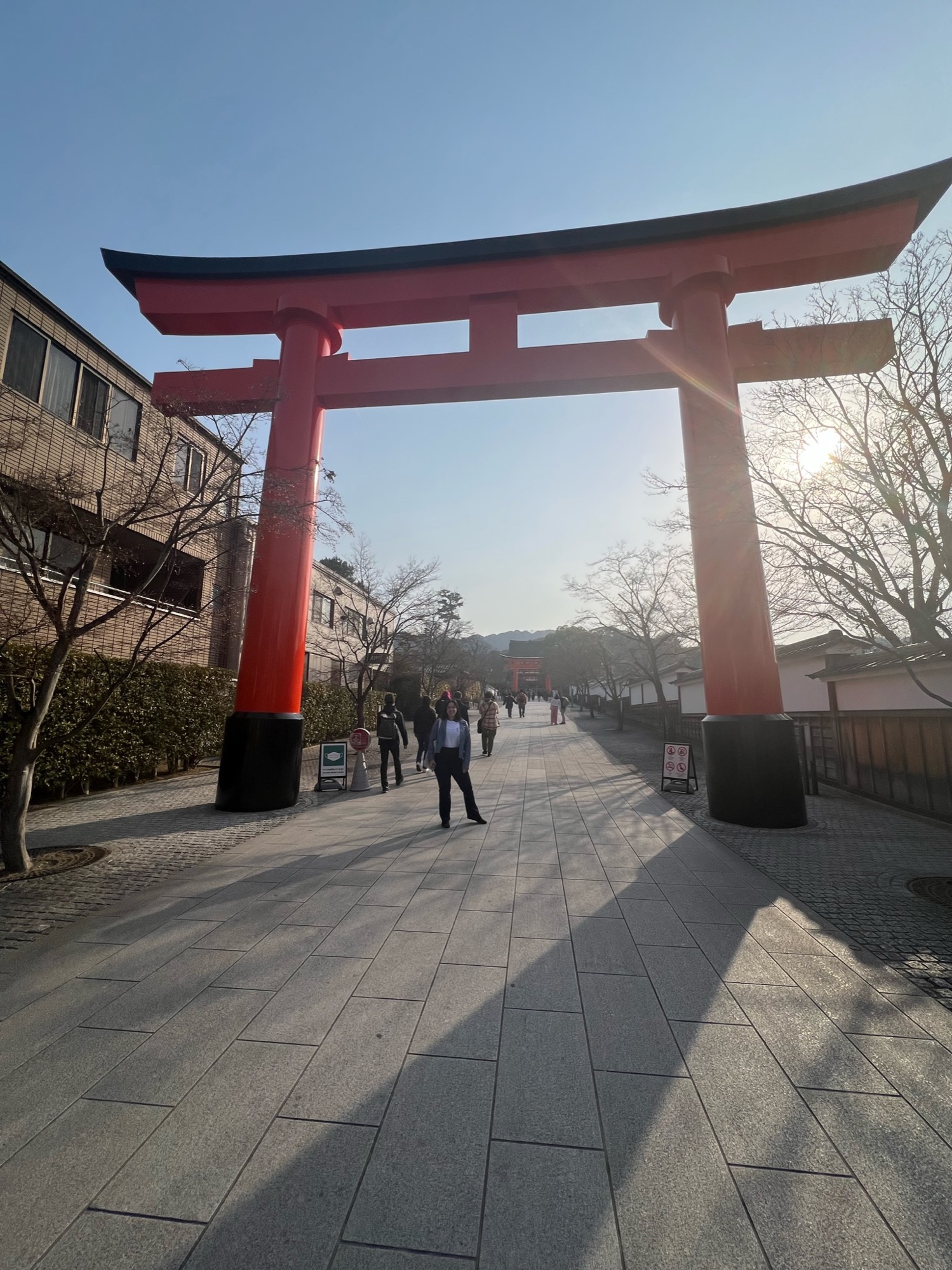
Kyoto is texture. It is the old capital, and the density of temples, gardens, and preserved streets has no equivalent in Tokyo or Osaka. It is also the city where timing matters most: Fushimi Inari and the Arashiyama bamboo grove are genuinely mobbed from 9am onward. We went to Fushimi Inari at 9:30am and it was manageable; friends who went at 6am had the empty-gates experience people travel for. That is the argument for the third night, so the early mornings do not have to compete.
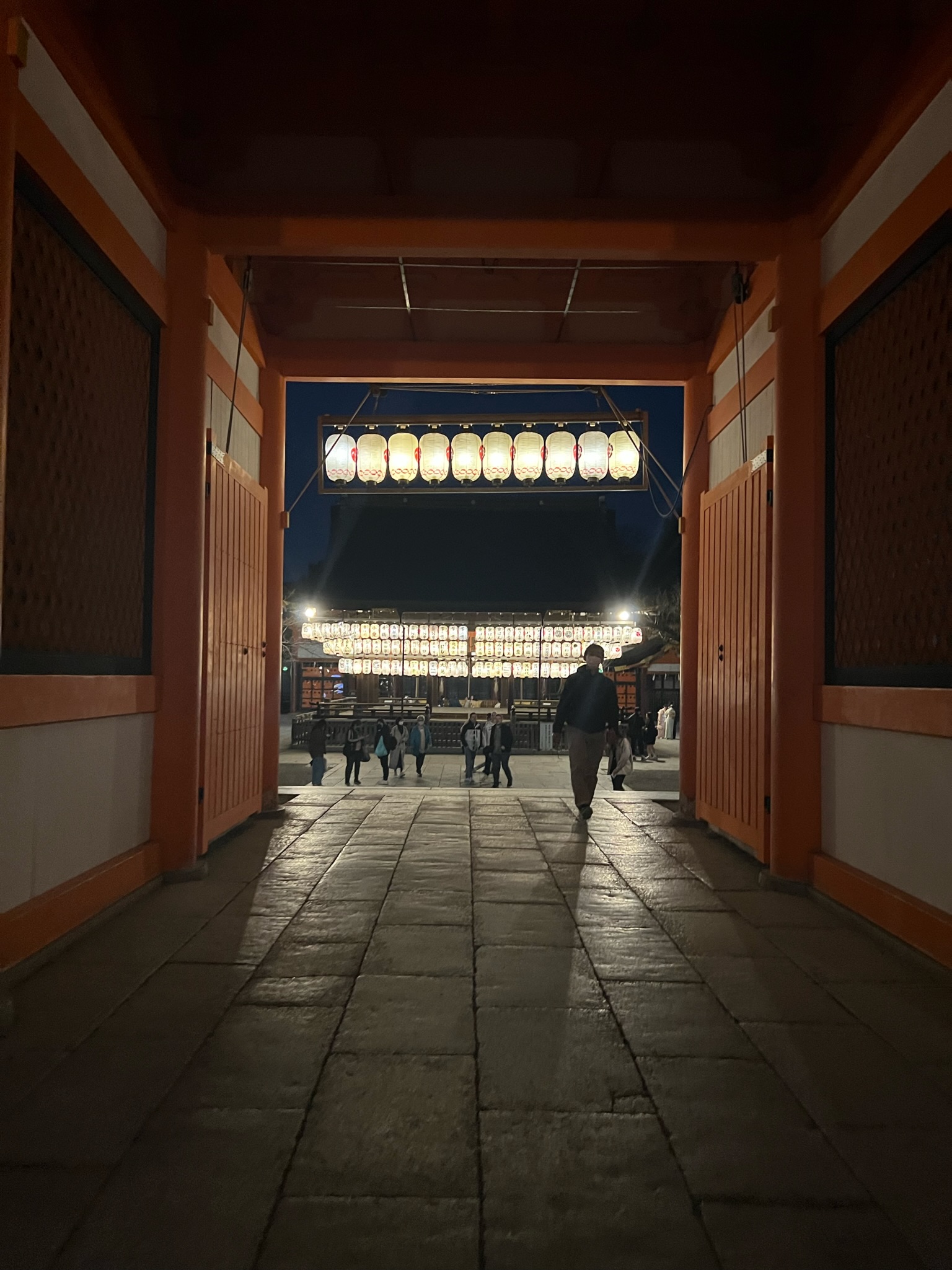
Osaka is appetite. It has fewer sights than the other two, and that is fine, because you are there to eat. Takoyaki and okonomiyaki stalls line Dotonbori, the covered arcades around Namba go on for blocks, and dinner costs less than it does in Tokyo. Gyoza at Osaka Ohsho ran two dollars a plate, okonomiyaki came off a counter griddle in front of us, and Uncle Rikuro’s jiggly cheesecake cost three dollars and beat versions I have paid ten times as much for.
How do you get between Tokyo, Kyoto, and Osaka?
The Shinkansen, and the math changed in late 2023. We paid $236 each for a 7-day JR Pass in March 2023 and it covered every leg. That deal is gone: the 7-day nationwide pass now costs 50,000 yen (about $330), and it rises again to 53,000 yen through overseas sales channels on October 1, 2026. Meanwhile a one-way reserved seat on the Nozomi from Tokyo to Kyoto is 14,170 yen, and Kyoto to Osaka is a 15-minute Shinkansen hop or a roughly 30-minute local JR train for under $5.
So run your actual route before buying anything. A one-direction Tokyo to Kyoto to Osaka trip, flying home from Osaka (Kansai Airport), is far cheaper on individual tickets. The pass only earns its price when you loop back to Tokyo and stack extra long-distance legs on top. The Nozomi is down to two non-reserved cars since the March 2025 timetable change, so book a reserved seat rather than gambling on the shrinking unreserved section.
Two logistics notes travelers keep flagging on the Japan forums. Booking through the Smart EX app skips the ticket-office line entirely, and a 21-day advance fare drops Tokyo to Kyoto to 11,820 yen. And on the Tokaido line, any bag over 160cm in total dimensions needs a seat with an oversized-baggage space reserved, or you pay a 1,000 yen fee on board; we dragged full-size bags through Tokyo Station at rush hour, which was avoidable: shipping bags ahead by takuhaibin (around $10 to $15 per bag) is the smoother move.
Whatever you decide about the pass, add a digital Suica card to your phone wallet before you land. It covers every subway, local train, bus, and konbini purchase in all three cities.
Which day trips should you plan around?
The day trips are half the reason the split matters, because each city unlocks different ones.
From Tokyo: Mt. Fuji. We paid $80 each for a bus tour from Shinagawa, watched clouds hide the mountain for three hours, and then got the full snow-capped reveal at Oishi Park on Lake Kawaguchiko. It eats a full day, which is one more argument for four Tokyo nights. The full story is in the Mt. Fuji day trip guide.
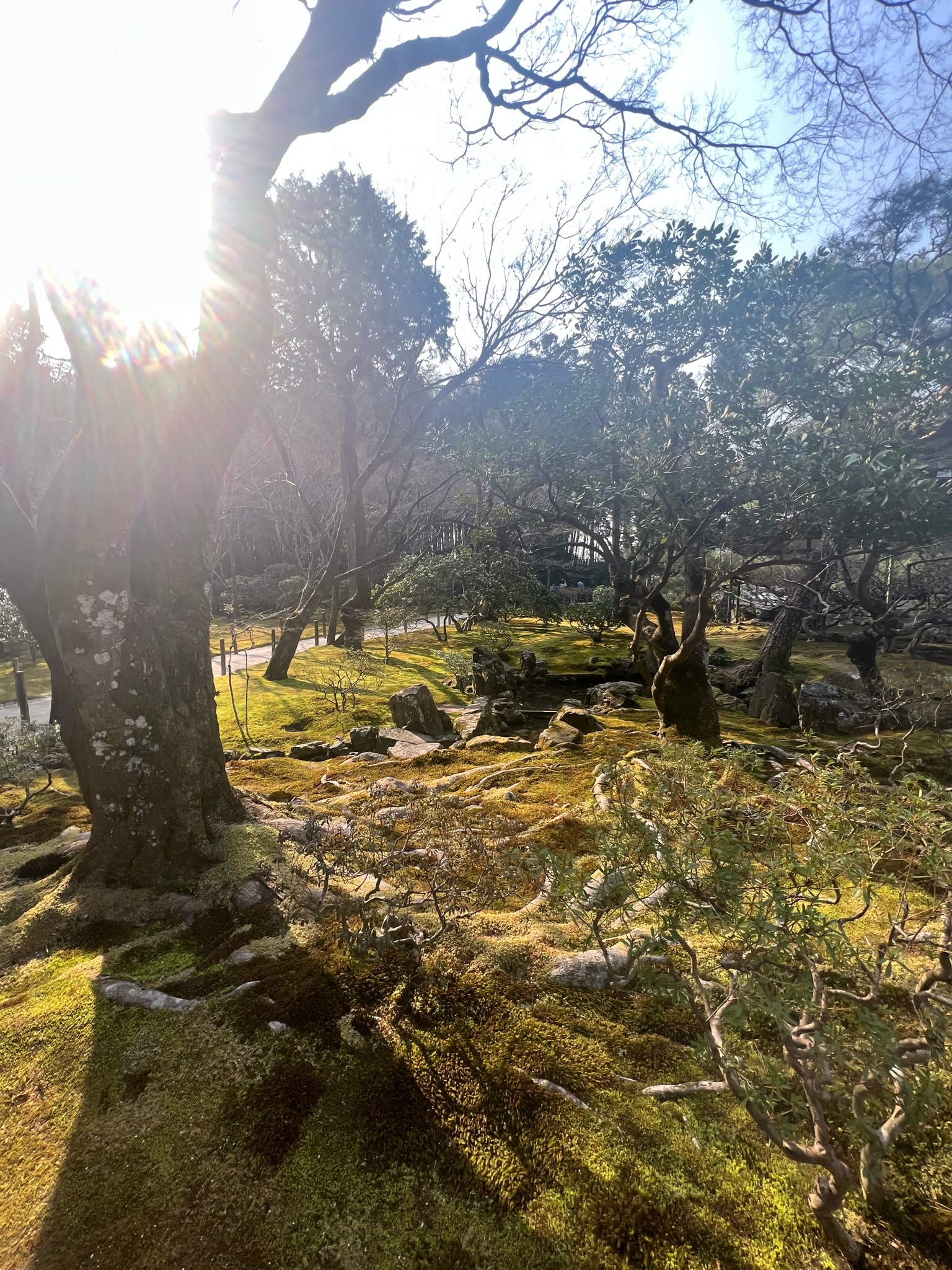
From Kyoto: Nara. Forty-five minutes on the JR Nara Line. Four hours is enough for the bowing deer (crackers are 200 yen from licensed vendors) and Todai-ji, whose 15-meter bronze Buddha costs 600 yen to visit and out-scales every other temple we saw in Japan. We did it as a half-day on the way from Kyoto to Osaka, which is the efficient routing.
From Osaka: honestly, nothing. Osaka is the day trip. Base there for its food and its own neighborhoods, or visit it from Kyoto in an evening.
Which city wins on cost?
Osaka, then Kyoto, then Tokyo, but the gap is smaller than you would guess because food in Japan is cheap everywhere if you eat like a local. Breakfast was konbini onigiri and coffee more mornings than not, for pocket change. Ramen and udon lunches were $8 to $12 a person in all three cities. Hotels are where Tokyo pulls ahead: our Ginza hotel’s cash rate was around $300 a night in 2023, versus about $220 at the Moxy in Kyoto and $200 at the Fairfield in Namba. The full hotel bill came to $887 per person for the week; the room-by-room breakdown is in what our Japan hotels actually cost.
Temple admissions in Kyoto run 300 to 600 yen, and several of the best things in all three cities cost nothing: Fushimi Inari itself, the bamboo grove, Dotonbori at night. The only real big ticket we paid for was the $80 Mt. Fuji bus tour.
When should you go?
We went in early March, about two weeks before peak cherry blossom, and it was a quiet, cheap window: plum blossoms out and none of the sakura-season crowds or hotel prices. Late March to early April is the famous window and the most expensive one. If you want the blossoms without the peak, aim for the shoulder on either side, and if you are choosing between cities for it, Kyoto is where the season matters most.
Frequently Asked Questions
Should I spend more time in Tokyo or Kyoto?
Tokyo needs more days on paper, but Kyoto is where people most often under-book. We gave Tokyo 3 nights and Kyoto 2, and Kyoto is the one we would change: Fushimi Inari properly (before 7am), Arashiyama, Nishiki Market, and Gion do not fit in two nights. A 4-3 split between Tokyo and Kyoto is the schedule we would run next time.
Is Osaka worth adding to a Tokyo and Kyoto trip?
Yes, if you care about food. Osaka is the best eating city of the three, Dotonbori at night is a real spectacle, and Namba makes an easy base. If your trip is under 8 days, you can skip staying overnight and visit Osaka as a day trip instead, since it is only about 15 minutes from Kyoto by Shinkansen or roughly 30 minutes on a local JR train.
How many days do you need for Tokyo, Kyoto, and Osaka?
Nine nights covers the circuit without rushing: four in Tokyo, three in Kyoto, two in Osaka. We did it in seven nights (3-2-2) and the missing Kyoto night was the mistake. Add a tenth night if you want a Mt. Fuji day trip from Tokyo, which takes a full day on its own.
Do you need the JR Pass for a Tokyo, Kyoto, and Osaka trip?
Usually not anymore. Since the late-2023 price increase, the 7-day nationwide pass costs 50,000 yen (about $330), while the one-way Nozomi fare from Tokyo to Kyoto is 14,170 yen. A simple Tokyo to Kyoto to Osaka one-direction route with a flight home from Osaka costs far less as individual tickets. The pass only pays off when you loop back to Tokyo and add extra Shinkansen legs.
Can you do Osaka as a day trip from Kyoto?
Easily. Kyoto and Osaka are about 15 minutes apart on the Shinkansen and roughly 30 minutes on the JR Kyoto Line special rapid, which costs under $5. Go in the mid-afternoon, do Dotonbori and the Namba food streets in the evening when they are at their best, and take a late train back to Kyoto.
Plan your own trip: guides I actually use
More from this region:
- What I’d Do Differently: Balkans Edition
- The Adriatic Coast: Zadar, Split, Dubrovnik, and a Day Trip to Kotor
- Every Road Trip We Have Taken, Ranked — From the Balkans to the Amalfi Coast
- Every Country on My Balkans Road Trip, Ranked: Croatia vs Slovenia vs Bosnia vs Serbia vs Romania vs Hungary vs Bulgaria
- What 2 Weeks in Japan Actually Costs: The Full Mid-Range Budget Breakdown
Cards, lounges & insurance:
- Best Airport Lounges I Have Actually Used — From Changi to Istanbul
- Is Priority Pass Worth It in 2026 — My Honest Review After 15 Airports
- Best Travel Credit Cards for 2026: The Cards I Actually Use and Why
- The 6 Best Travel Insurance Companies for 2026, Compared After 15 International Trips
Finding cheap flights:
- Going vs Dollar Flight Club vs Thrifty Traveler: Which Flight Deal Service Is Worth It in 2026?
- When to Book Flights by Region — The Booking Windows That Actually Save Money
- How to Find Error Fares and Flight Deals — The Services I Actually Use
- Google Flights vs Skyscanner vs Momondo — Which Actually Finds the Cheapest Flights
Travel gear I actually use:
Written by Jenna Fattah
I have visited 25+ countries across 6 continents, attended 7 Formula 1 races, and spent 4 years writing about what actually works and what I would do differently. Every recommendation on this site comes from trips I planned and paid for myself. Read more about me