
Is Priority Pass Worth It in 2026 — My Honest Review After 15 Airports
Updated April 2026 | 4 min read
I got my Priority Pass membership through my Chase Sapphire Reserve, which means I never actually paid the standalone $469 annual fee. That detail matters because it completely changes the math on whether this program is worth it. After using it across 15 airports over three years of steady travel, here is where I land.
What Priority Pass Actually Gets You
Priority Pass is an airport lounge network with 1,500+ locations in 148 countries. Instead of being locked into one airline’s lounge program, you get access to independent lounges regardless of which airline you flew or what class you booked.
There are three standalone tiers: Standard ($99/year plus $35 per visit), Standard Plus ($329/year with 10 free visits), and Prestige ($469/year with unlimited visits). But most travelers get it bundled with a credit card, which is the smarter play by a wide margin.
Cards That Include Priority Pass
The Chase Sapphire Reserve ($550/year) is what I carry. It includes Priority Pass Select with unlimited visits for you and two guests. The Capital One Venture X ($395/year) also includes it, though as of February 2026, authorized users no longer get automatic access and guests cost $35 per visit. The primary cardholder still gets in free, and the $300 travel credit offsets most of the annual fee. The Amex Platinum ($695/year) gives you Priority Pass plus Centurion Lounges, which are in a different league entirely.
If you are picking a card primarily for lounge access, Venture X wins on cost. If you want the best overall travel rewards ecosystem, the CSR is hard to beat. I compared all of these in detail in my travel credit card guide.
The Lounges That Made It Worth It
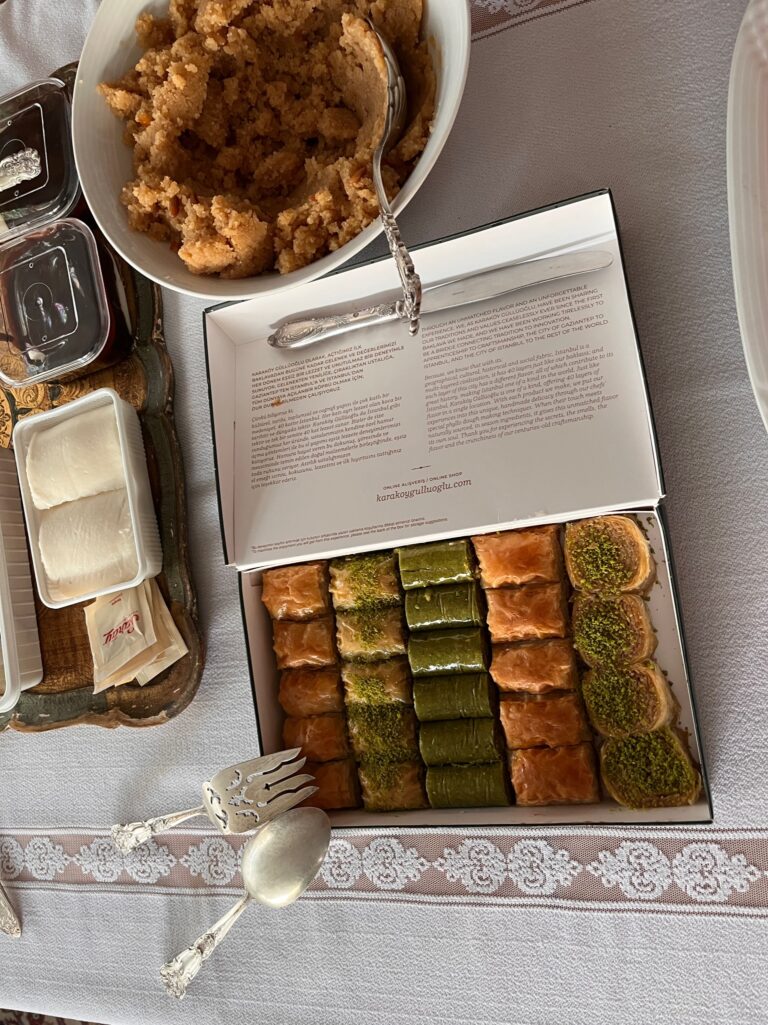
Not all Priority Pass lounges are equal, and the gap between the best and worst is enormous. The IGA Lounge at Istanbul Airport is the gold standard — massive space, hot Turkish food, showers, sleeping pods, and enough seating that I have never seen it at capacity. During a six-hour connection on my way to Turkey, that lounge turned a painful wait into something almost enjoyable.
The Aspire Lounge at Amsterdam Schiphol saved me during a five-hour connection between flights. It is in the non-Schengen area, which is exactly where you need it on transatlantic routes. Hot food, decent bar, reliable wifi. Nothing luxurious, but functional in the way that matters when you are running on four hours of sleep.
At Narita, the IASS Lounge is small and simple. After 14 hours from LAX, all I wanted was a chair, a beer, and wifi that worked. It delivered on all three. Bangkok Suvarnabhumi has multiple Miracle Lounges — the one near Gate D is better than the others. At Changi in Singapore, the airport itself is so good that you barely need a lounge, but the SATS Premier Lounge in Terminal 1 is solid if you want a quieter space with food.
The Problems That Are Getting Worse
Since every premium credit card now bundles Priority Pass, the lounges are noticeably more crowded than they were two years ago. I have been turned away once at a smaller European lounge that hit capacity during morning rush. That never used to happen.
The restaurant credit swap is the other frustration. Some airports now offer $28-$36 credits at partnered restaurants instead of actual lounges. In practice you end up at a mediocre airport chain using a clunky digital voucher system. The restaurants are almost never worth it compared to a real lounge with a buffet, drinks, and comfortable seating. Always check the Priority Pass app to see whether your airport has a real lounge or just restaurant credits.
Most lounges now enforce a three-hour rule — you need a boarding pass for a flight departing within three hours to get in. Guest policies have also tightened. Some lounges now charge $35 per guest even if your card theoretically includes them. Check the app before walking up with your travel partner expecting free entry.
What I Bring to Every Lounge
Even in a lounge, I bring my own comfort kit. Noise-canceling headphones block out the lounge chatter. A portable charger keeps everything running since lounge outlets are always occupied. And a packable neck pillow means I can actually sleep in those recliners when my connection runs long.
The Verdict
Paying $469 standalone is hard to justify unless you fly more than 15 times a year. The restaurant credits dilute the value and overcrowding is real. But getting it free through a credit card you already use for travel rewards? That is a straightforward yes. Even at its worst, Priority Pass turns a miserable three-hour layover into a tolerable one. Free food, free drinks, free wifi, a place to charge your phone — those things add up across a year of travel.
My usage averages about 8-10 lounge visits a year. At $35 per standalone visit, that is $280-$350 in value. Since the CSR’s $300 travel credit already offsets most of the annual fee, the lounge access is effectively a bonus.
Get it through a card, not standalone. Use it when convenient. Do not plan your airport routing around it. And for everything else you need to stay connected and comfortable on the road, check my eSIM comparison and VPN guide.
Affiliate disclosure: This post contains affiliate links at no extra cost to you. SafetyWing, Skyscanner, Airalo, Booking.com, Viator.
Real costs, honest reviews, and what I’d do differently — straight to your inbox.
Written by Jenna Fattah
I have visited 25+ countries across 6 continents, attended 7 Formula 1 races, and spent 4 years writing about what actually works and what I would do differently. Every recommendation on this site comes from trips I planned and paid for myself. Read more about me