
New Zealand Campervan Road Trip: What It Costs and What to Know
Updated April 2026 | 4 min read
In This Post
New Zealand is one of those places where the drive between destinations is as good as the destinations themselves. We did a week on the North Island on our 2023 trip, but the South Island road trip is the one everyone asks about. After extensive research and talking to people who have done it, here is what the campervan option actually costs and whether it makes sense.
Campervan vs Rental Car: The Math
A basic 2-berth campervan (think Jucy or Mighty, the budget brands) runs NZD $100-180 per night in shoulder season (March-April or October-November). Peak summer (December-February) jumps to NZD $200-350 per night. The premium brands like Wilderness or Maui run NZD $250-500+ per night for larger, better-equipped vehicles.
Compare that to a rental car at NZD $50-80 per day plus accommodation. If you are staying in hostels ($30-50/night) or budget motels ($80-120/night), a car plus lodging often costs less than a campervan. The campervan wins on convenience — you park, you sleep, no check-in. It loses on comfort and total cost unless you freedom camp extensively.
Freedom Camping: What Changed in 2025
New Zealand’s freedom camping rules changed significantly. The Freedom Camping Act 2023 introduced mandatory self-containment certification for all vehicles used for freedom camping on public land. As of June 2024, you need a vehicle with a fixed toilet, waste water storage, and fresh water supply. The old portable toilet loophole is gone.
This means budget campervans without built-in toilets (like the basic Jucy Crib) cannot legally freedom camp. You either need a self-contained vehicle (more expensive to rent) or you stay at paid campgrounds ($15-40/night for powered sites) and DOC campsites ($6-15/night, basic facilities). Fines for illegal freedom camping run up to NZD $1,000.
Reddit travelers in 2025 note that enforcement varies by region — Queenstown and popular spots check regularly, while remote areas are less monitored. But the trend is toward stricter enforcement with council-funded patrols.
This post contains affiliate links. If you book through these links, I earn a small commission at no extra cost to you.
SafetyWing — Travel medical insurance from $42/month
Skyscanner — Compare flight prices across airlines
Airalo — eSIM data for 200+ countries
Booking.com — Compare hotel prices
Viator — Book tours and experiences
GetYourGuide — Skip-the-line tickets and guided tours
Klook — Book tours and activities across Asia
12Go — Book trains, buses, and ferries in SE Asia
RentCars — Compare rental car prices
Fuel and Driving Costs
Diesel prices in New Zealand as of early 2026 sit around NZD $1.85-2.10 per liter. A 2-berth campervan averages 10-12 liters per 100km. For a two-week South Island loop of roughly 2,500-3,000km (Christchurch, Queenstown, Milford Sound, Wanaka, Franz Josef, back to Christchurch), expect NZD $500-650 in fuel.
Other costs: road tolls are minimal in NZ (only a few around Auckland and Tauranga), but you will need to pay for the Milford Sound access road parking if you do not have a tour booking. The road to Milford Sound itself is free but closes in winter and after heavy rain.
Driving Tips from Reddit and TripAdvisor
New Zealand drives on the left side of the road. If you are American, this takes about 2-3 days to feel natural. Roundabouts are everywhere and you enter them giving way to the right.
The biggest mistakes first-time NZ drivers make, according to consistent forum advice:
- Underestimating drive times: Google Maps shows the distance, not the reality. A 200km drive on NZ roads can take 3-4 hours because of winding mountain passes and single-lane bridges. Do not plan more than 3-4 hours of driving per day.
- One-lane bridges: Common on the South Island. The approaching side with the arrow pointing toward you has right of way. If the arrow points away, you wait. People get this wrong constantly.
- Gravel roads: Many scenic routes go gravel without warning. Rental and campervan insurance often excludes gravel road damage. Check your policy.
- Pulling over: New Zealanders are patient but there is a legal requirement to pull over and let faster traffic pass if you are holding up traffic. Use the pullover bays.
Queenstown to Milford Sound: What to Stop For
This is the most famous day drive in New Zealand. It is roughly 300km round trip from Queenstown and takes a full day. Key stops going north:
- Te Anau: Last town before Milford. Fill up on fuel here. The Te Anau Glowworm Caves are worth the 2-hour detour if you have time.
- Mirror Lakes: A 5-minute walk from the road. On calm mornings, the mountain reflections are perfectly mirrored. Best before 10am.
- The Chasm: A short walk through ancient beech forest to see carved rock formations. Takes 20 minutes.
- Homer Tunnel: A single-lane tunnel through solid rock. Traffic alternates directions. The approach through the valley is dramatic.
At Milford Sound itself, a cruise is the standard activity. Book through Viator ahead of time — they sell out in summer. A kayak tour is the quieter alternative. Either way, leave Queenstown by 7am if you want time for stops.
Our North Island Experience
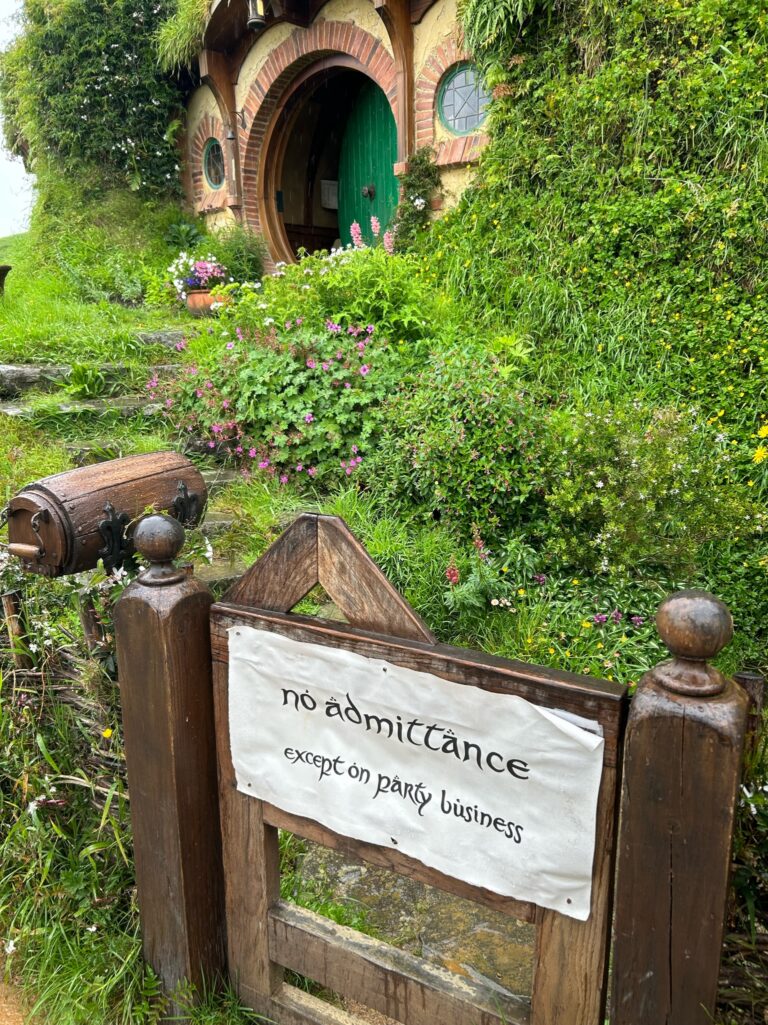
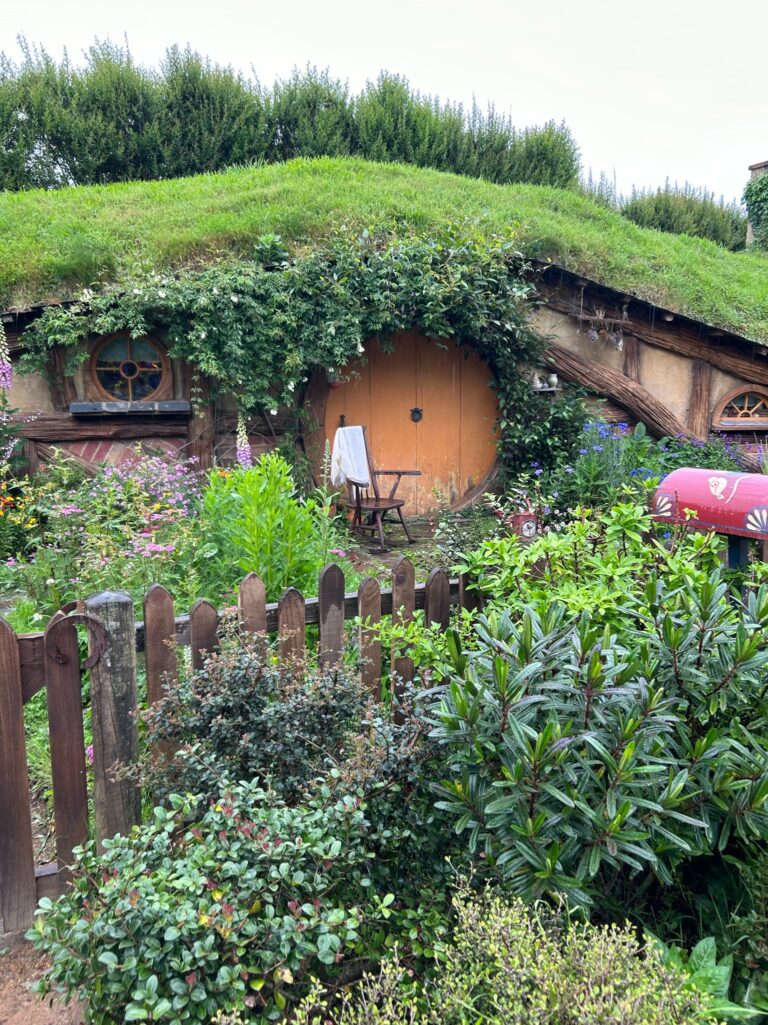
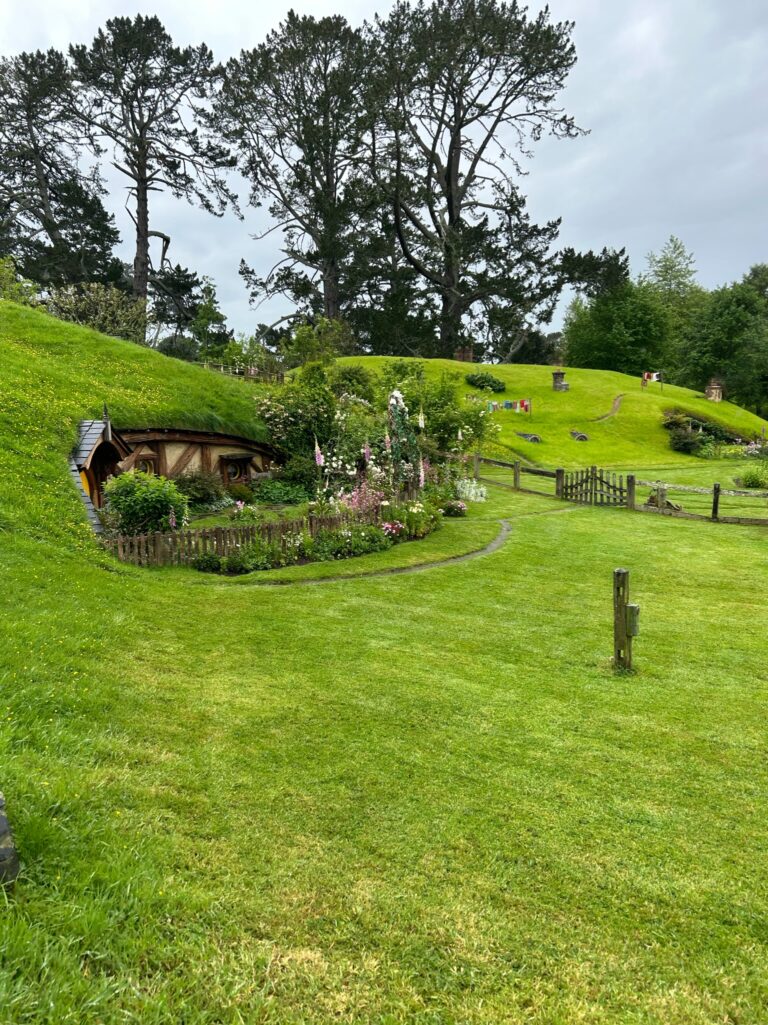
We did Wellington and Auckland on foot, by train, and on guided day tours, with no rental car and no campervan. Wellington was walkable, the Northern Explorer train to Auckland was an experience in itself (12 hours, incredible scenery), and Auckland was a base for day trips to Hobbiton, Piha Beach, and Waiheke Island. A campervan would have been overkill for the North Island itinerary we chose.
The South Island is different. Distances are longer, accommodations are sparser, and the freedom to park at a DOC campsite next to a glacier-fed lake is the whole point. That is where the campervan makes sense.
What We Would Budget for Two Weeks (Two People)
- Flights from NYC: ~$1,100-1,400/person round trip
- Self-contained campervan (14 nights, shoulder season): NZD $2,100-2,800 ($1,300-1,750 USD)
- Fuel: NZD $550-650 ($340-400 USD)
- Campground fees (mix of DOC and holiday parks): NZD $300-500 ($190-310 USD)
- Activities (Milford cruise, Glowworm caves, etc.): NZD $400-600 ($250-370 USD)
- Food and groceries: NZD $700-1,000 ($430-620 USD)
Total for two: roughly $4,500-5,500 USD including flights. New Zealand is not cheap, but the scenery per dollar is among the best we have found.
Compare New Zealand flights on Skyscanner. A good NZ/Australia power adapter is one of those things you will forget until you need it.
Book on Klook:
Get Travel Tips That Actually Help
Real costs, honest reviews, and what I would do differently — no fluff.
Plan your own trip: guides I actually use
More from this region:
- New Zealand: What We Actually Did and What It Cost
- Every Road Trip We Have Taken, Ranked — From the Balkans to the Amalfi Coast
- What I’d Do Differently: New Zealand Edition
- How to Survive an 18-Hour Flight — What I Learned Flying to New Zealand
- Auckland Day Trips: Hobbiton, Waitomo, and the North Shore Beaches Worth the Drive
Cards, lounges & insurance:
- Best Airport Lounges I Have Actually Used — From Changi to Istanbul
- Is Priority Pass Worth It in 2026 — My Honest Review After 15 Airports
- Best Travel Credit Cards for 2026: The Cards I Actually Use and Why
- The 6 Best Travel Insurance Companies for 2026, Compared After 15 International Trips
Finding cheap flights:
- Going vs Dollar Flight Club vs Thrifty Traveler: Which Flight Deal Service Is Worth It in 2026?
- When to Book Flights by Region — The Booking Windows That Actually Save Money
- How to Find Error Fares and Flight Deals — The Services I Actually Use
- Google Flights vs Skyscanner vs Momondo — Which Actually Finds the Cheapest Flights
Travel gear I actually use:
Written by Jenna Fattah
I have visited 25+ countries across 6 continents, attended 7 Formula 1 races, and spent 4 years writing about what actually works and what I would do differently. Every recommendation on this site comes from trips I planned and paid for myself. Read more about me