How to Plan an F1 Grand Prix Trip: Tickets, Timing, and Everything We Learned the Hard Way
Updated April 2026 | 5 min read
In This Post
The Race Weekend Is Three Days. Plan for Five.
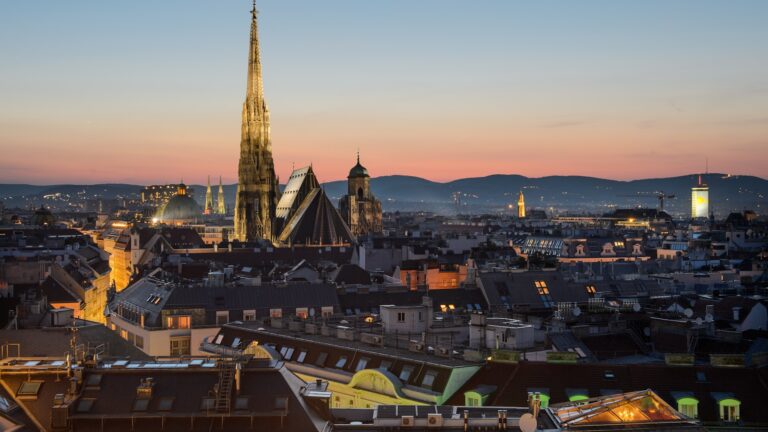
The standard F1 weekend runs Friday through Sunday: practice, qualifying, race. But the actual trip needs at least two extra days — one to arrive and get settled, one to decompress and explore the city. We learned this in Austria when we tried to drive from Vienna to Spielberg on qualifying morning and spent half the day in traffic instead of watching cars.
For our Austrian GP trip, we arrived in Vienna on Thursday, drove to the circuit area Saturday morning, and used Monday to head to Graz. That pacing worked. For Interlagos in Brazil, we combined the race with a week in Bonaire beforehand, so race day felt like the finale rather than the main event.
Friday is your scouting day. Learn the gate locations, find the shortest walk to your grandstand, locate water stations and bathrooms, and figure out where you want to watch from on Sunday. Friday crowds are the lightest, queues are the shortest, and you can move around freely.
Tickets: Buy Early, and Know What GA Actually Means
Ticket prices vary wildly across the calendar. General admission at Monza runs about 100 euros for the three-day pass, while Mexico City sells out within days at several hundred dollars — and there is barely any GA space to begin with. The Austrian GP sells a green zone GA ticket between turns three and four, but it also sells out months in advance.
A few things we did not know before our first race:
- GA is not created equal. At some circuits (Monza, Spa, Silverstone), GA gives you access to huge grass areas with decent sightlines. At others (Baku, Mexico City), it is almost nonexistent.
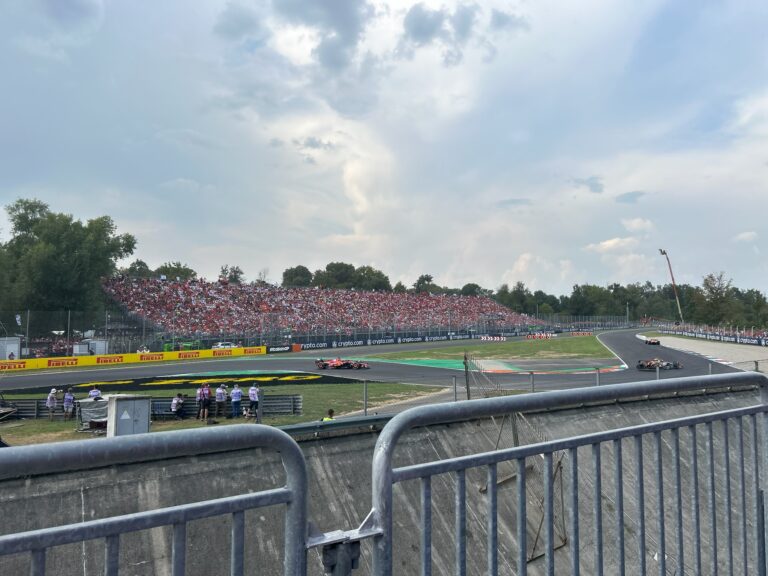
- Grandstand tickets often come in tiers. Bronze, silver, gold — or named by the corner. The main straight grandstand is the most expensive and faces the podium, but corner grandstands (like the Prima Variante at Monza or Eau Rouge at Spa) usually have better racing action.
- Prices rose about 6-7% from 2025 to 2026 across most circuits. GA prices went up even faster at some venues.
Buy as early as you can. Tickets typically go on sale 6-9 months before the race, and early-bird pricing can save 30% or more. If you are flexible on which race to attend, see our track-by-track guide for help deciding.
This post contains affiliate links. If you book through these links, I earn a small commission at no extra cost to you.
SafetyWing — Travel medical insurance from $42/month
Skyscanner — Compare flight prices across airlines
Airalo — eSIM data for 200+ countries
Booking.com — Compare hotel prices
RentCars — Compare rental car prices
Hotels: Book Six Months Out With Free Cancellation
Nearly a third of hotels in F1 host cities sell out more than two months before the season starts. Teams, media, and corporate hospitality lock up inventory first, and what remains gets priced at two to five times the normal rate.
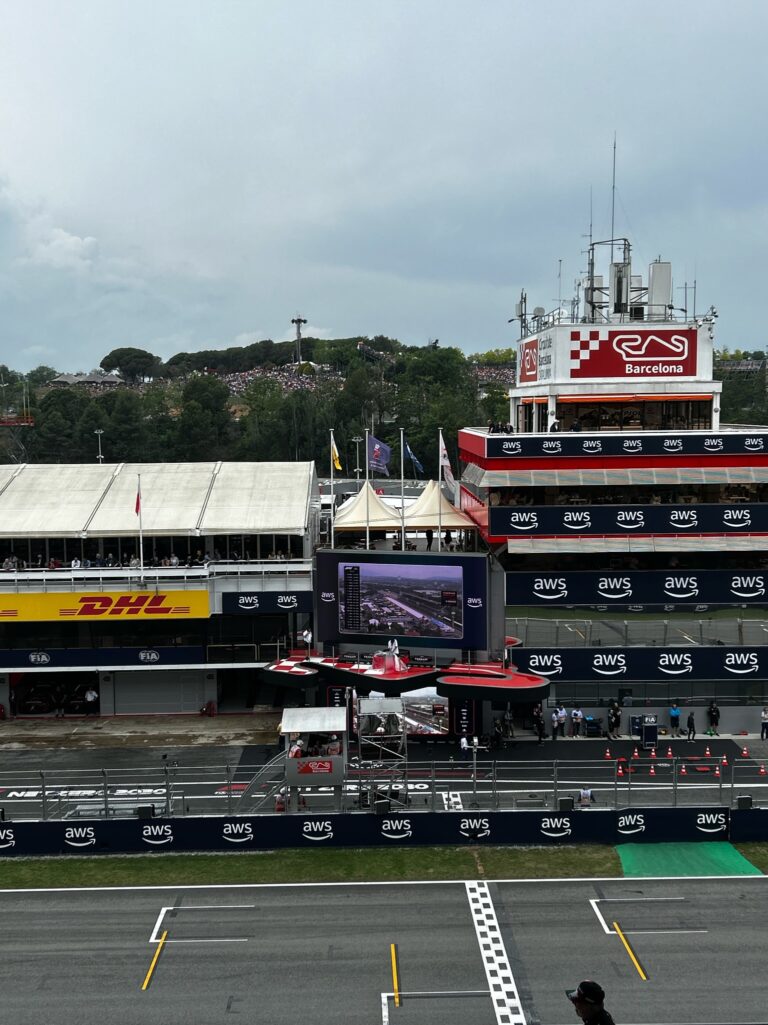
Our approach: book a refundable hotel the moment we buy race tickets, even if we have not finalized the rest of the trip. For the Austrian GP, we booked a Marriott in Vienna on points six months ahead and a hotel in Graz for the night after the race. For Barcelona, we stayed in the city center and took the train to Circuit de Catalunya, which was far more enjoyable than staying near the track.
The general rule: stay in the nearest city, not at the circuit. The city gives you restaurants, nightlife, and a real vacation experience between sessions. At Spa, that means staying in Stavelot or driving from Liege. At Monza, it means Milan. At Interlagos, central Sao Paulo.
What to Pack for a Race Day
The essentials we now bring to every GP:
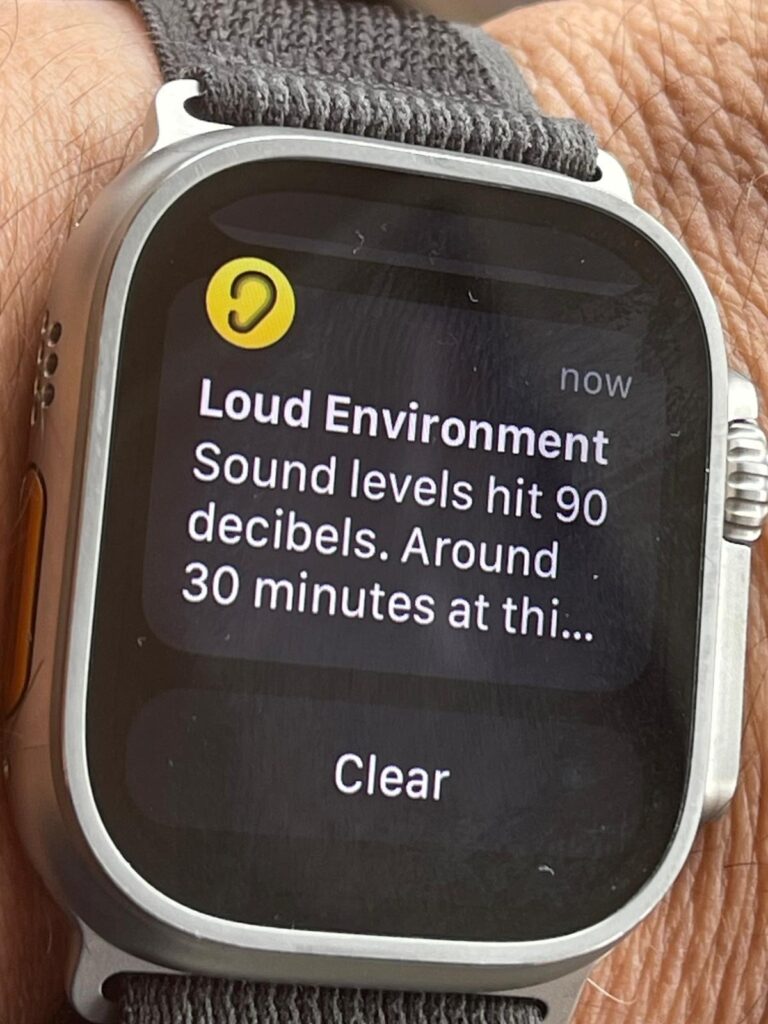
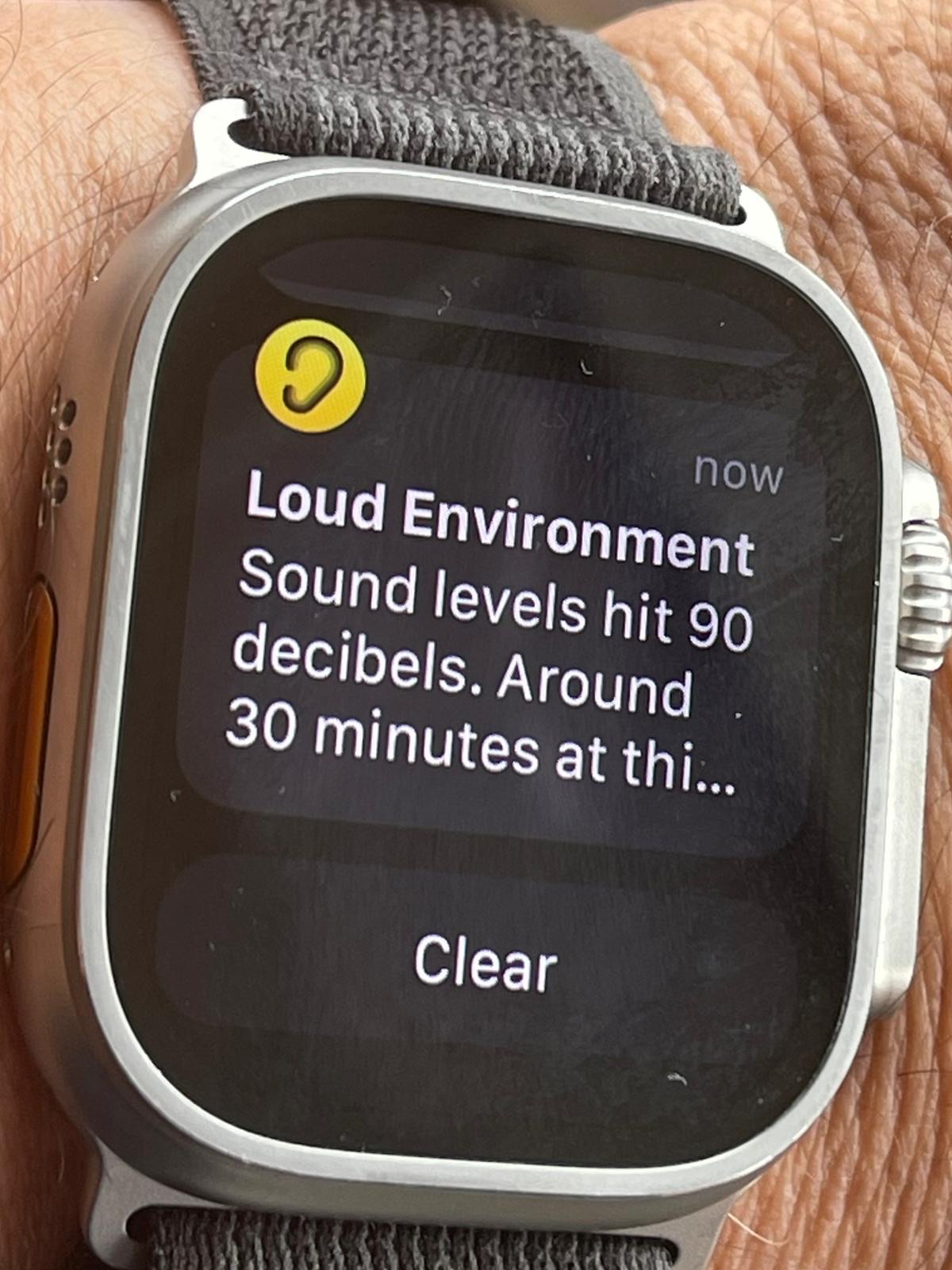
- Ear protection. This is not optional. The cars are deafeningly loud. Foam earplugs are the minimum — over-ear defenders are better. At Monza, we saw people leaving practice sessions early because they had nothing and the volume was painful.
- Sunscreen and a hat. You will be outdoors for 6-8 hours. Even overcast European races can burn you.
- A portable phone charger. You will drain your battery using the F1 app for live timing, taking photos, and navigating — a good portable charger is essential.
- Comfortable walking shoes. Circuits are enormous. The walk from Monza’s entrance to some grandstands is 30 minutes. Leave the fashion shoes at the hotel.
- A light rain jacket. Weather at Spa and other European circuits changes without warning. A packable rain jacket takes no space and saves the day.
- The F1 app on your phone. In person, you see a tiny fraction of the action — cars flash past your section in seconds. The app gives you live timing, team radio, and real-time commentary so you can follow the strategy while watching the live spectacle.
Check each circuit’s food and drink policy before you go. Some (Austria, Hungary) let you bring food and up to a liter of liquid. Others (Singapore, Miami) restrict everything and charge accordingly inside.
Getting to the Circuit
This is the part nobody talks about enough. Getting TO the race is usually fine. Getting home afterward is consistently terrible unless you plan for it.
What works:
- Official shuttles at most circuits. They run from city centers and major train stations. Book in advance.
- Public transport where available. Monza has a direct train from Milan that takes 15 minutes. Zandvoort is accessible by train from Amsterdam.
- Renting a car for rural circuits like Spa, the Red Bull Ring, or Interlagos. Just park early and leave late.
What does not work: Uber and Lyft. Surge pricing around circuits is extreme, drivers cannot reach pickup areas, and cell service often collapses when 100,000 people try to use their phones at once.
Exit strategy: Either leave 5-10 minutes before the checkered flag (you will hear the crowd reaction and know who won), or stay 60+ minutes after and let the initial rush clear. Trying to leave the moment the race ends means joining the worst queue of the weekend.
Make It a Trip, Not Just a Race
The best F1 weekends we have had were the ones where the race was part of a bigger trip. Austria became a road trip through Vienna, Salzburg, and Munich. Monza was the halfway point of two weeks in Italy. The Belgian GP turned into a drive through Germany — Cologne, Berlin, Dresden.
When you are spending $500-2,000 on flights to another country, adding a few days before or after the race costs relatively little and transforms the experience. The race becomes the anchor, not the entire agenda.
A Viator F1 experience package can include track transfers, pit lane walks, and guided circuit tours — we used one at Monza and it handled all the logistics. A lightweight binocular is also worth packing — you will use it more than you think watching cars approach from a distance.
For European GPs, Skyscanner is our go-to for finding the cheapest flights in. And if you are crossing borders, an Airalo eSIM keeps you connected without roaming charges — we used one across seven countries on our last European trip.
Our Race-by-Race Guides
We have written detailed trip reports for every Grand Prix we have attended. Each one covers the logistics, where we stayed, what we ate, and what we would do differently:
- Italian Grand Prix at Monza
- Venice to Rome via Monza
- Belgian Grand Prix at Spa
- Austrian Grand Prix
- Dutch Grand Prix at Zandvoort
- Spanish Grand Prix in Barcelona
- Brazilian Grand Prix at Interlagos
- Best F1 Circuits: A Track-by-Track Guide
Book on GetYourGuide:
Get Travel Tips That Actually Help
Real costs, honest reviews, and what I would do differently — no fluff.
Written by Jenna Fattah
I have visited 25+ countries across 6 continents, attended 7 Formula 1 races, and spent 4 years writing about what actually works and what I would do differently. Every recommendation on this site comes from trips I planned and paid for myself. Read more about me