Frequently Asked Questions
What is the best train route through Italy?
Rome to Florence to Venice is the classic route and works perfectly by train. Add Naples for Pompeii and the Amalfi Coast access. Trenitalia Frecce high-speed trains connect all major cities in 1.5-3 hours.
How do you book cheap train tickets in Italy?
Book Trenitalia Frecce tickets 2-3 months ahead on the Trenitalia app. Prices start at 9.90 euros for early bookings versus 50-80 euros at the station. The Italo train is a private alternative with similar pricing.
How many days do you need for an Italy train trip?
Ten days minimum for a Rome-Florence-Venice route. Add two days for Naples and Pompeii. Two weeks is ideal to include Milan or the Amalfi Coast without feeling rushed.
Why Italy by Train is the Only Way to Do It
Two weeks in Italy by train cost us $2,800 total for two people — flights, hotels, food, and museum tickets included.
In This Post
- Why Italy by Train is the Only Way to Do It
- Rome: The First Four Days
- Naples: Controlled Chaos
- The Amalfi Coast from Sorrento
- Florence: A Quick Stop
- Milan: The Grand Finale
- Trieste: The Bonus Stop
- Train Travel Tips for Italy
- Italian Food and Culture Tips
- What We Spent
- Would We Go Back?
- Book Tours and Activities
- Find Flights to Rome
- Frequently Asked Questions
We spent two weeks in Italy in May 2022, starting in Rome, heading south to Naples and the Amalfi Coast, then training our way back up through Florence to Milan. The whole trip was connected by Italy’s rail network — Trenitalia and Italo — and honestly, after this trip, we can’t imagine doing Italy any other way.
Trains in Italy are fast, cheap, and drop you right in the city center. No rental car stress, no highway tolls, no trying to park in medieval streets built for donkeys. Here’s everything we did and learned.
Rome: The First Four Days
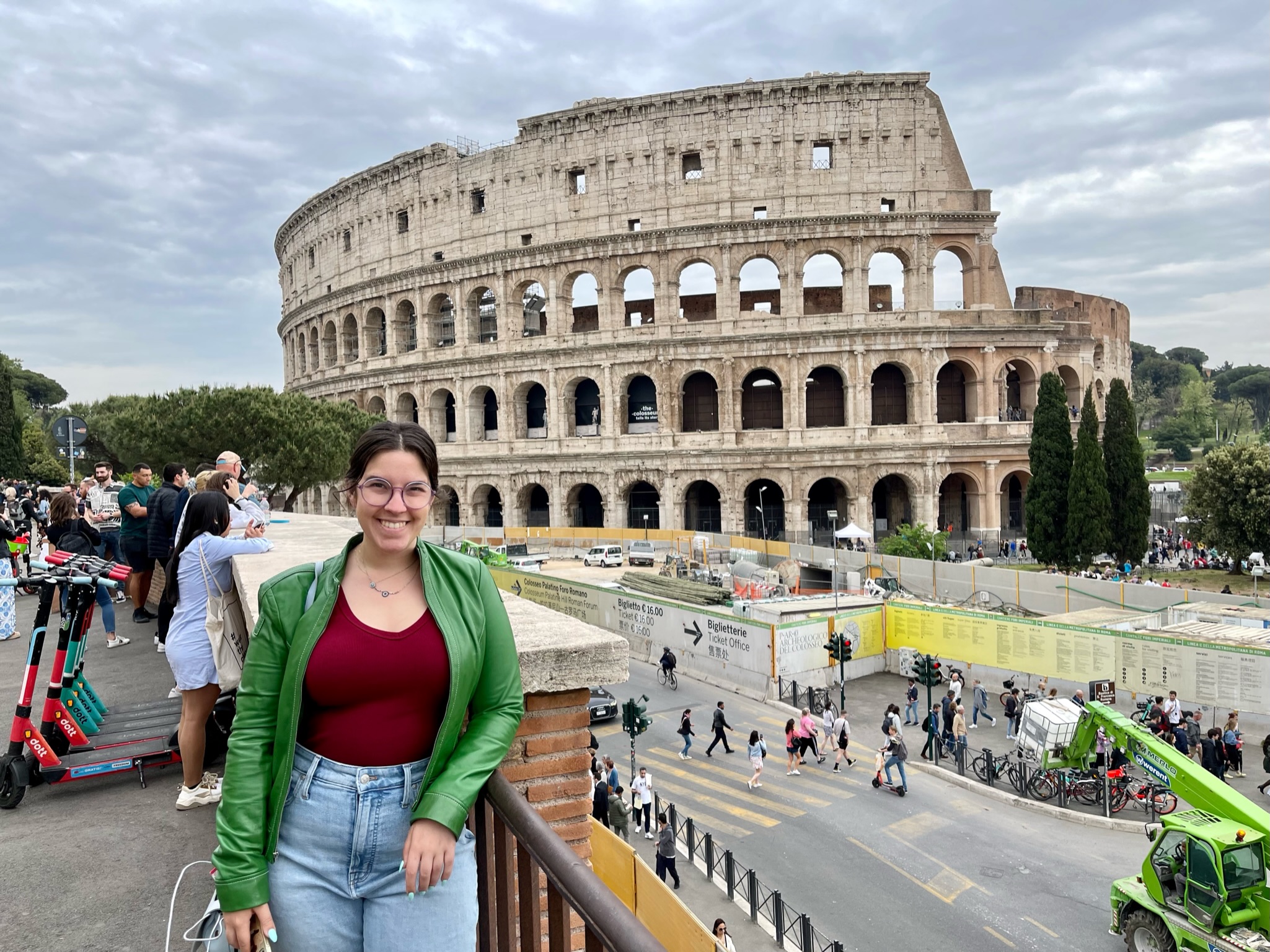
We flew into Fiumicino (FCO) and took the Leonardo Express train straight to Roma Termini — 32 minutes, no transfers, about 14 euros. From there it was a short walk to our hotel near Piazza della Repubblica.
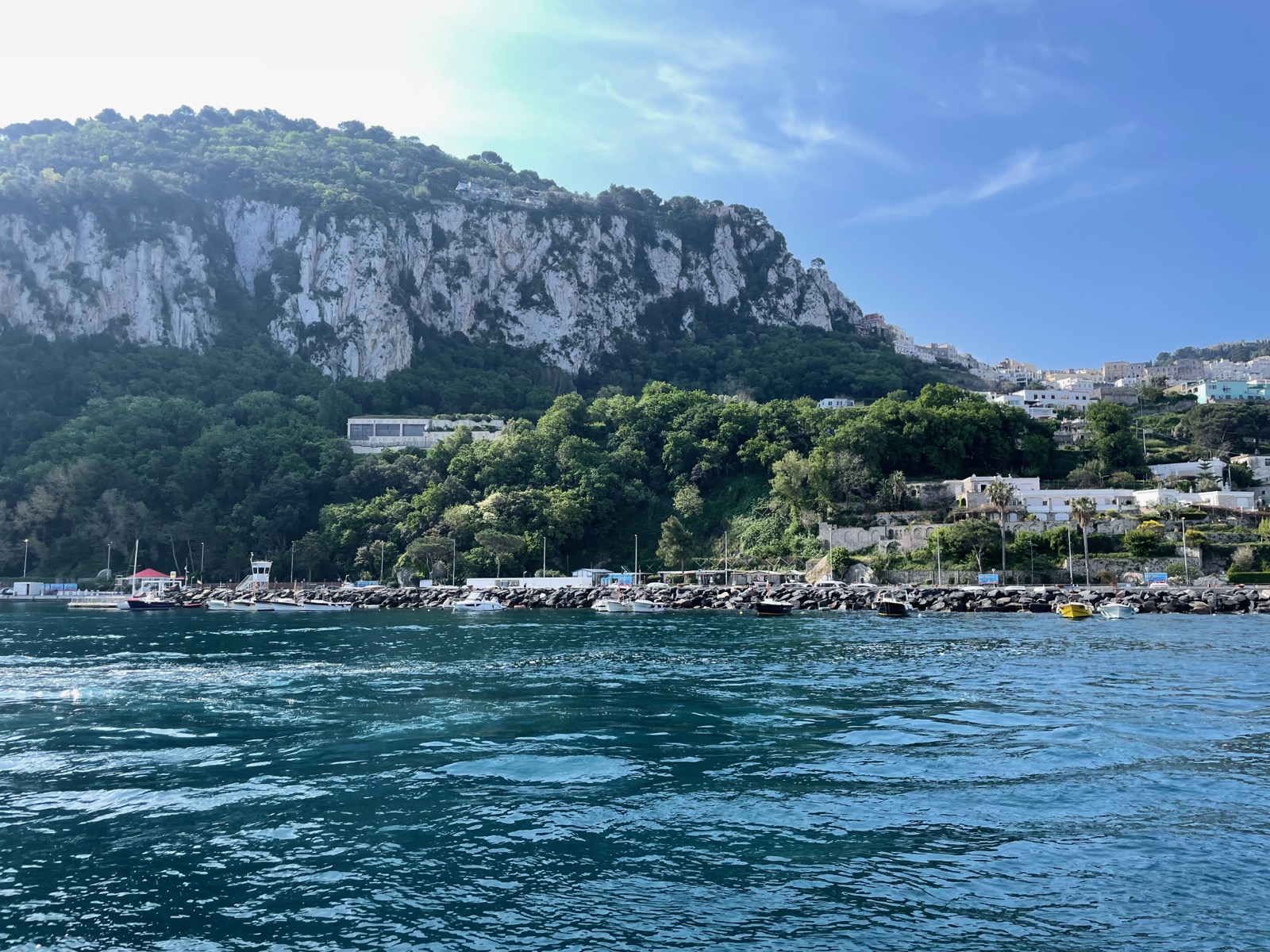
The Colosseum, Forum, and Palatine Hill
Get a combo ticket that covers all three — you’ll need a full morning. We booked a timed entry for the Colosseum at 9am and were inside before the big tour groups arrived. The Roman Forum is right next door and is massive. Most people rush through it, but if you slow down and read the plaques, it’s one of the most powerful places in the city. Palatine Hill has the best views and the fewest crowds.
2026 tip: Book Colosseum tickets well in advance on the official site. Third-party resellers mark up prices significantly. The underground and arena floor tours sell out weeks ahead — worth it if you can get them.
Trastevere for Dinner
Trastevere became our default evening neighborhood. Cobblestone streets, ivy-covered buildings, and restaurants where you’re eating next to locals, not tour buses. One rule we followed the whole trip: avoid any restaurant with a menu in four languages displayed outside, photos of the food, or someone standing at the door trying to wave you in. Those are tourist traps. The best meals we had were at small trattorias on side streets with handwritten daily specials.
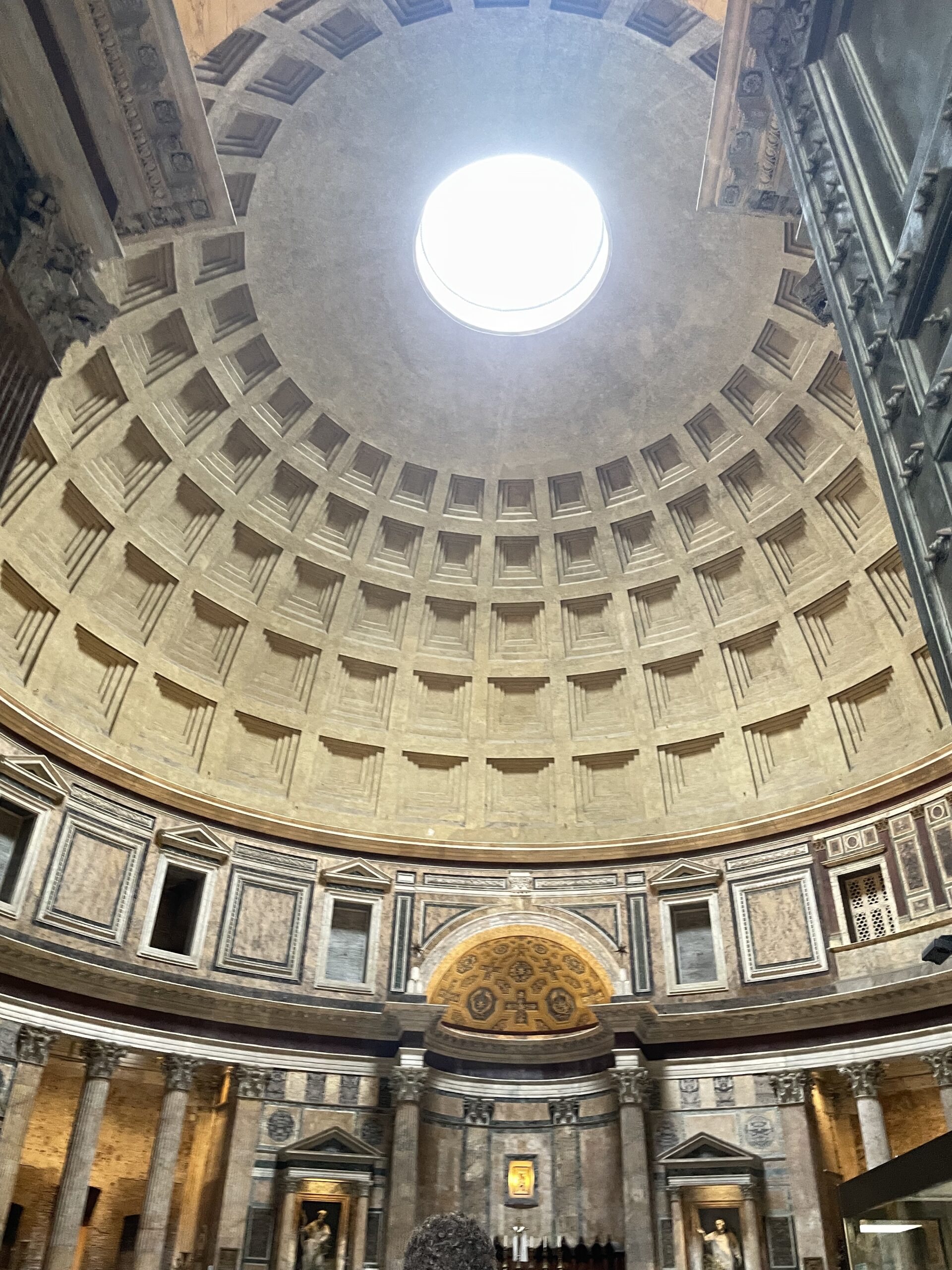
Vatican and St. Peter’s
We dedicated a full day to Vatican City. The Vatican Museums are overwhelming in the best way — plan for three to four hours minimum. The Sistine Chapel is at the very end, so pace yourself. St. Peter’s Basilica is free to enter and jaw-dropping inside, but the line for the dome climb can be long. We went right at opening and it was manageable.
Testaccio and the Appian Way
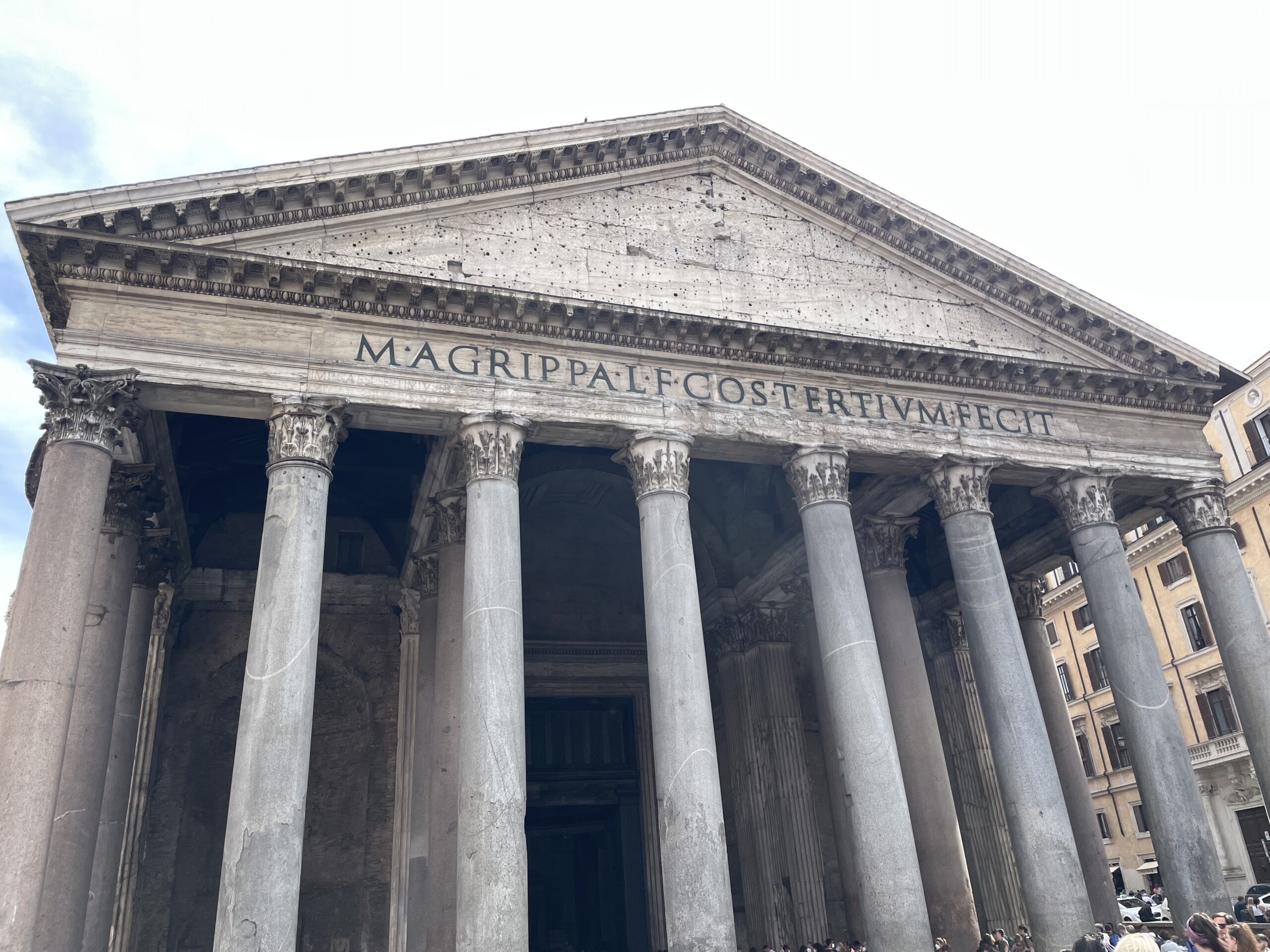
Two underrated spots. Testaccio is Rome’s old meatpacking district, now one of the best food neighborhoods in the city. The Mercato Testaccio is fantastic for lunch. The Appian Way is a ancient Roman road you can walk or bike along, passing ruins and catacombs. It’s peaceful and completely different from the tourist center.
Naples: Controlled Chaos
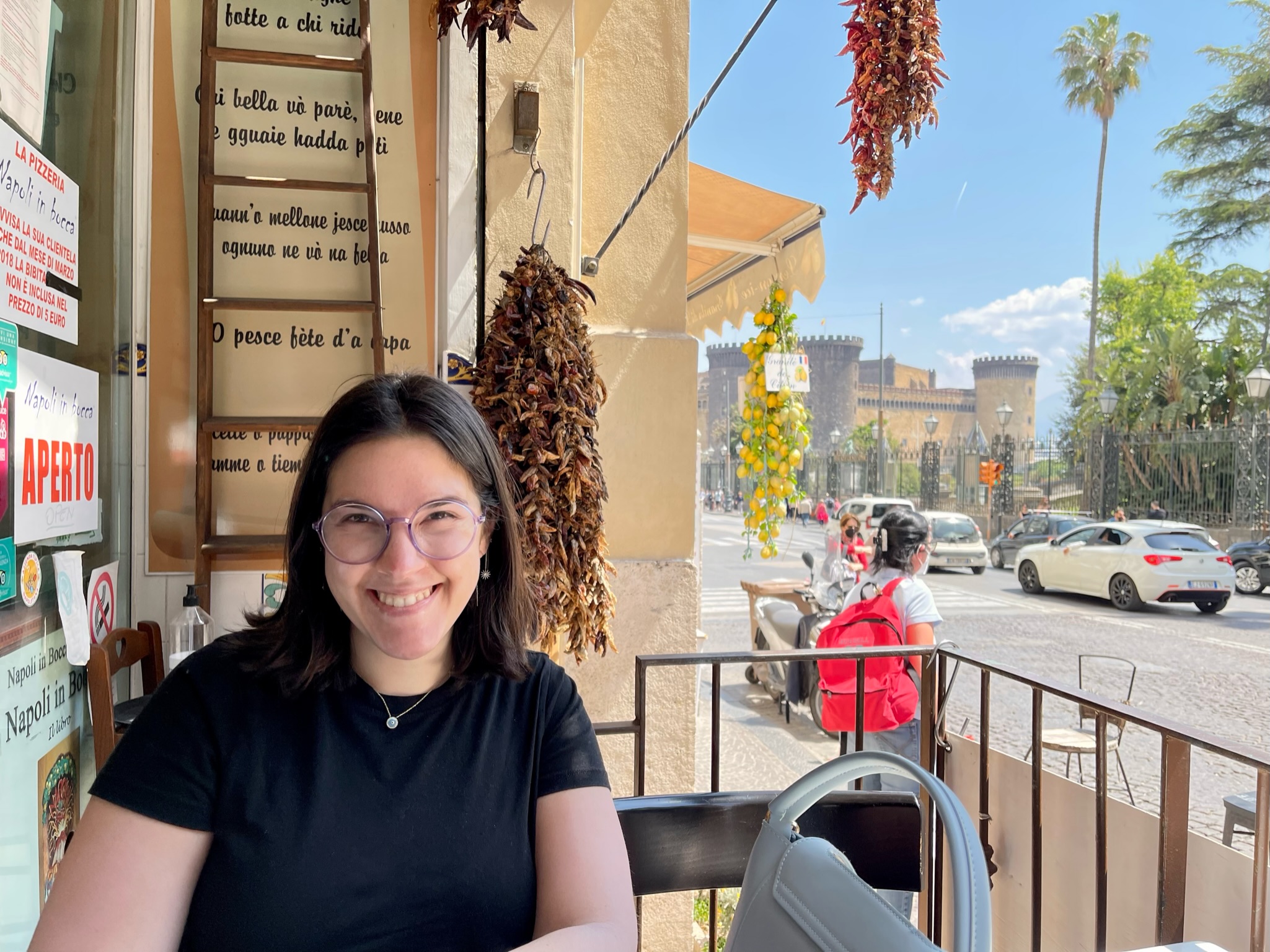
We took the Frecciarossa high-speed train from Rome to Naples — just over an hour, tickets were about 20 euros booked in advance. Naples hit us like a wall of noise, scooters, and the best pizza we’ve ever eaten.
The Pizza
Naples is the birthplace of pizza and it takes that title seriously. We ate pizza every single day we were there and never got tired of it. The dough is different — softer, chewier, slightly charred from wood-fired ovens that run at insane temperatures. A full margherita pizza costs between 4 and 7 euros. We went to places in the Spaccanapoli area and near Via dei Tribunali, and every single one delivered.
Naples Archaeological Museum
If you’re going to Pompeii (and you should), visit this museum first. It houses most of the artifacts and mosaics recovered from Pompeii and Herculaneum. Seeing the objects here first makes walking through the ruins much more meaningful.
Pompeii Day Trip
The Circumvesuviana train runs from Naples to Pompeii Scavi in about 35 minutes. It’s not the most comfortable train — crowded, warm, no AC — but it gets you there cheaply. Pompeii itself needs at least three to four hours. Bring water, sunscreen, and comfortable shoes. There’s almost no shade. The preservation is remarkable — you can walk through houses, bakeries, and even a brothel that’s 2,000 years old.
2026 tip: Pompeii now has timed entry and a revamped visitor center. The new excavation areas opened in recent years have revealed stunning frescoes and mosaics. Book morning slots to beat the heat.
The Amalfi Coast from Sorrento
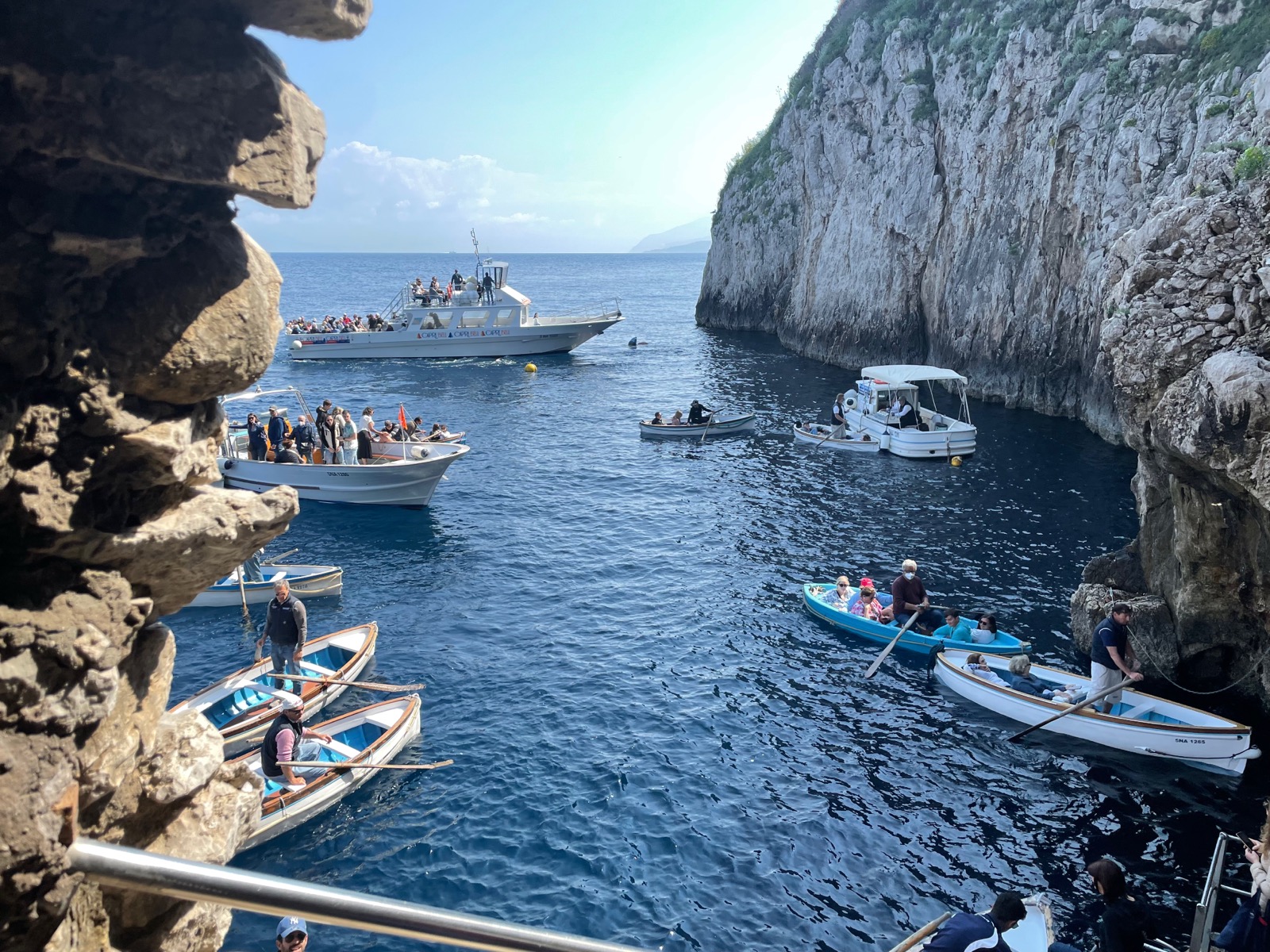
We based ourselves in Sorrento for three nights, which is a smart move if you don’t want to deal with driving the Amalfi Coast road (you don’t). From Sorrento, SITA buses and ferries connect you to Positano, Amalfi, and Ravello.
Positano
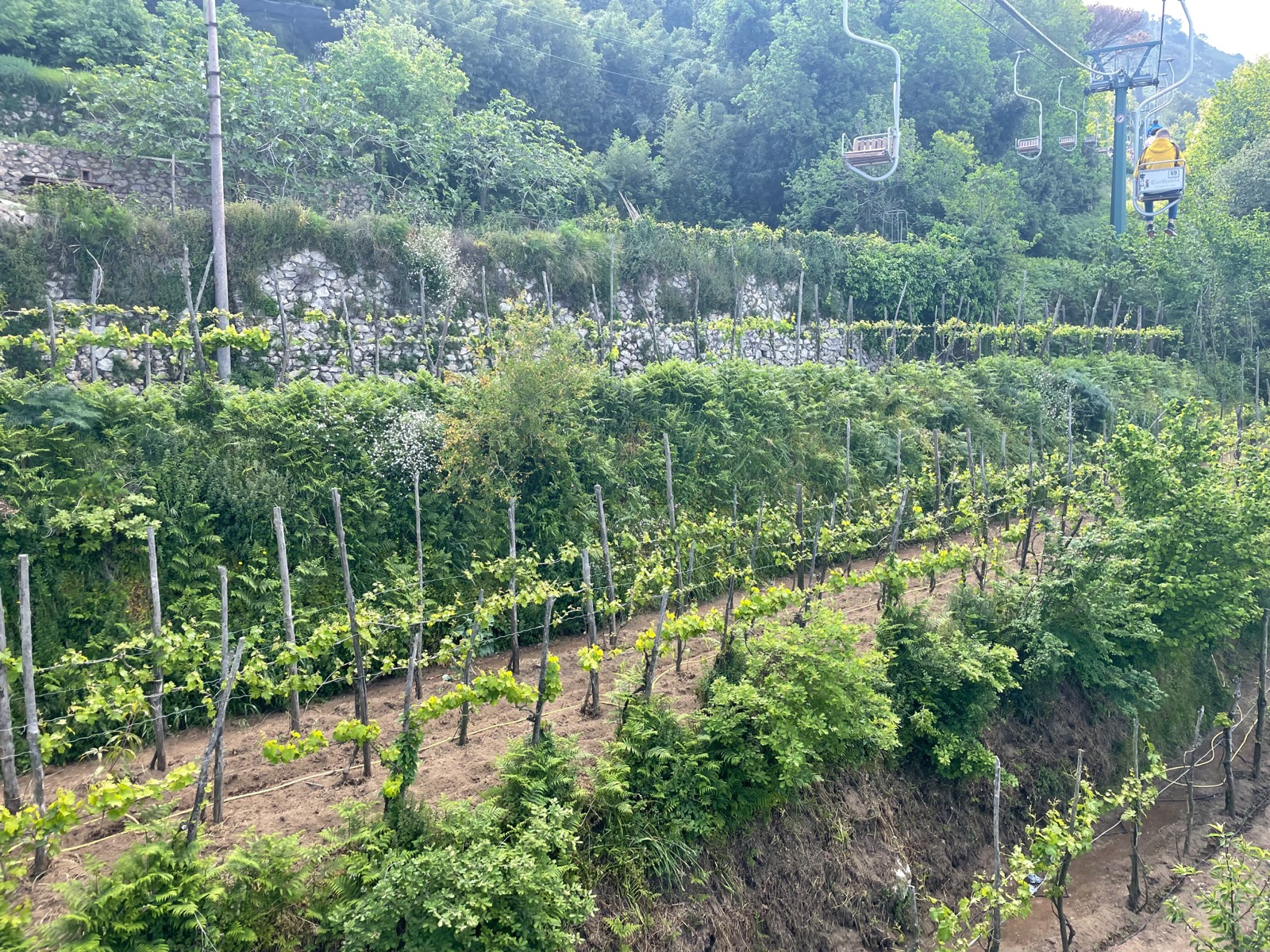
Positano is the pastel-colored cliffside town you’ve seen in every Italy Instagram post. It’s as beautiful in person as it looks online. The beach is small and pebbly but the water is crystal clear. Getting there by ferry from Sorrento takes about 25 minutes and the views from the water are worth the ticket alone.
Ravello
Ravello sits high above the coast and has a completely different energy — quieter, more refined, with gardens that overlook the entire coastline. Villa Rufolo and Villa Cimbrone are both worth visiting for the views alone. We had lunch at a small place near the main piazza and it was one of the most peaceful meals of the trip.
Sorrento Itself
Don’t sleep on Sorrento as a destination in its own right. The old town has great shopping and gelato, the clifftop views at sunset are stunning, and it’s the lemon capital of the world. Limoncello tastings are everywhere and most are free.
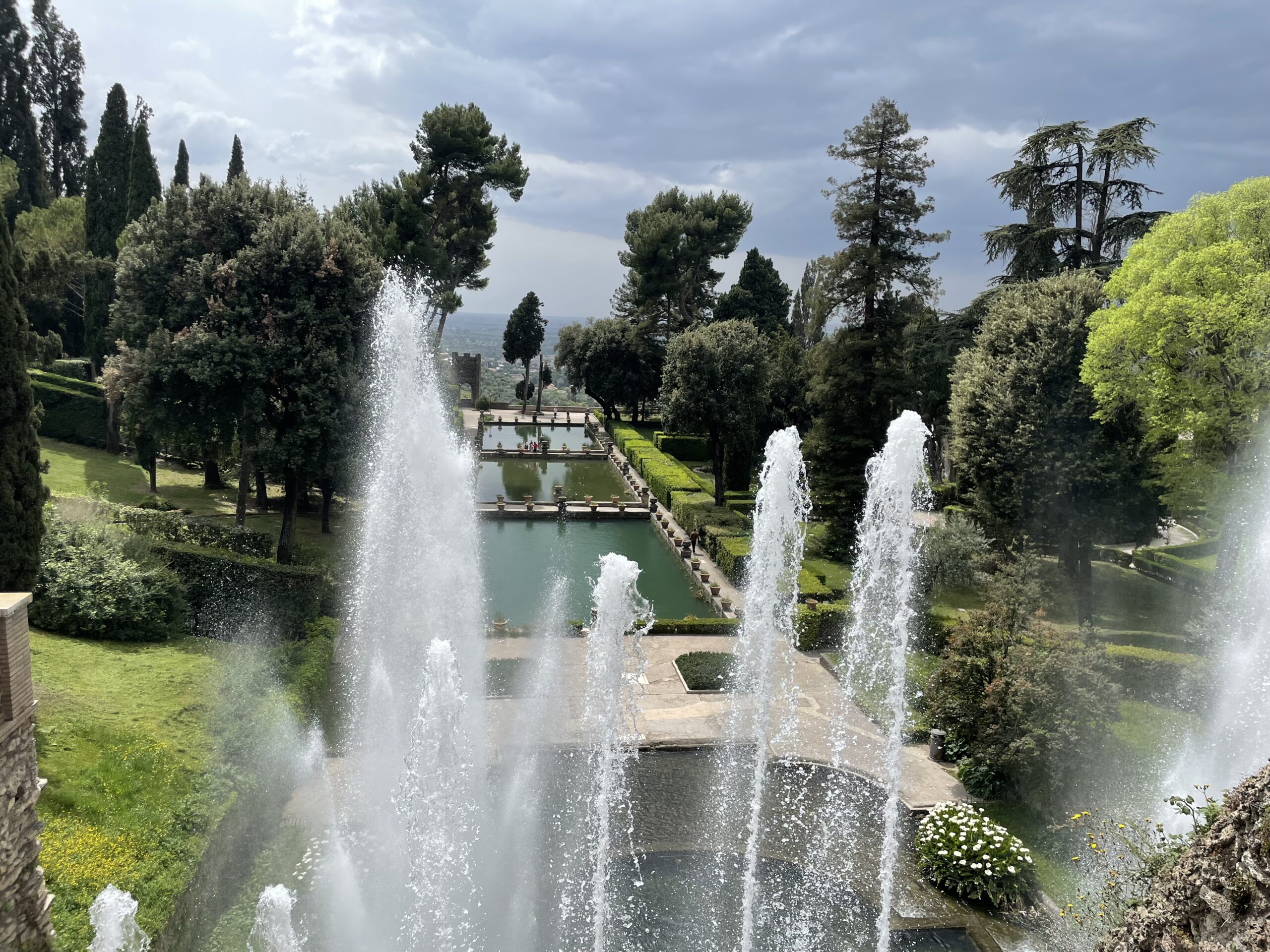
Florence: A Quick Stop
We trained from Naples to Florence on the Italo high-speed line — about three hours, comfortable seats, wifi that actually worked. Florence got two nights, which felt tight but doable.
The Uffizi Gallery needs at least half a day. We also walked up to Piazzale Michelangelo for the famous panoramic view of the city at sunset — free and absolutely worth the uphill walk. The leather markets near San Lorenzo are fun for shopping, but haggle (politely). Dinner in the Oltrarno neighborhood on the south side of the Arno felt more authentic and less touristy than the areas near the Duomo.
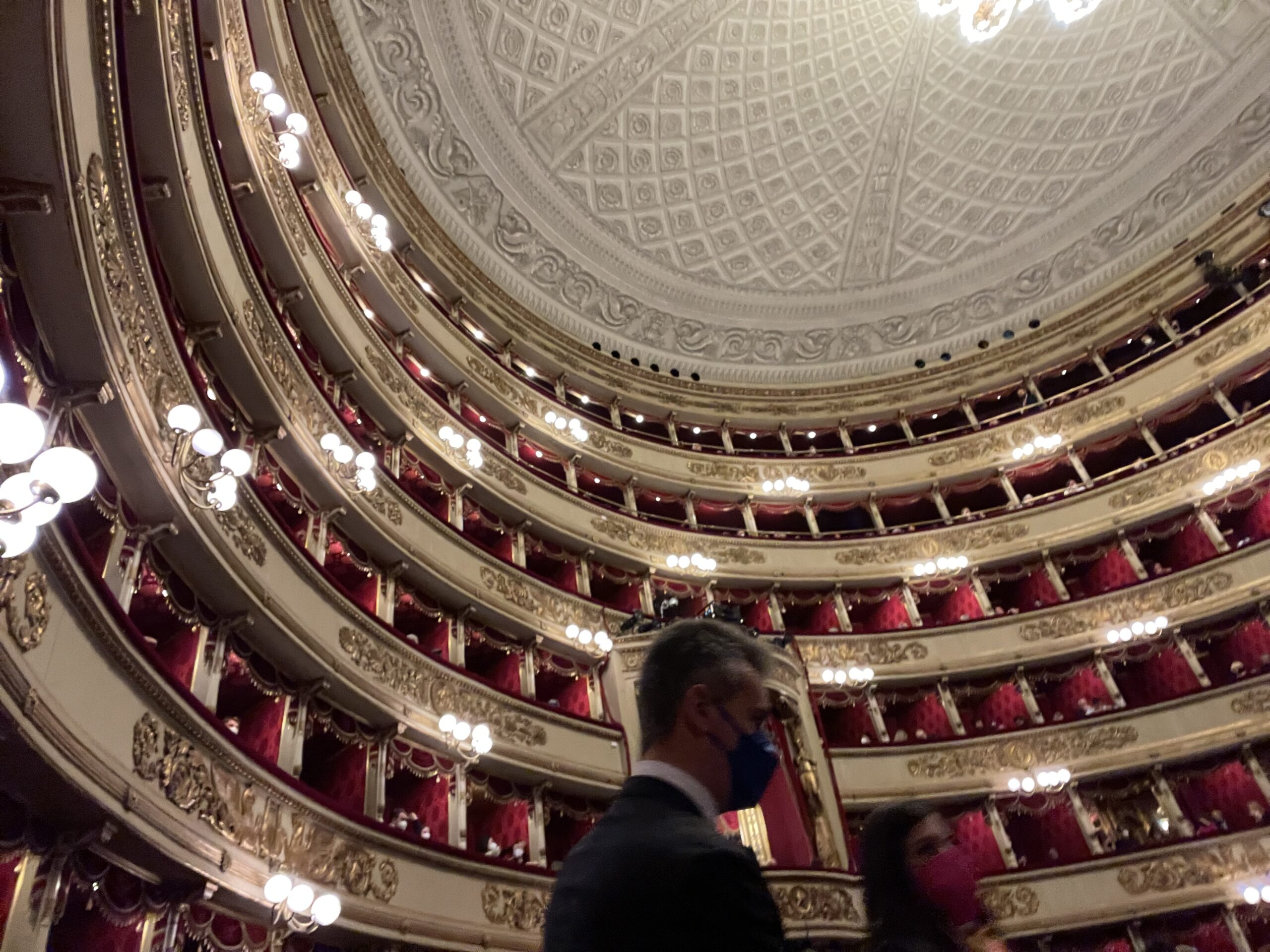
Milan: The Grand Finale
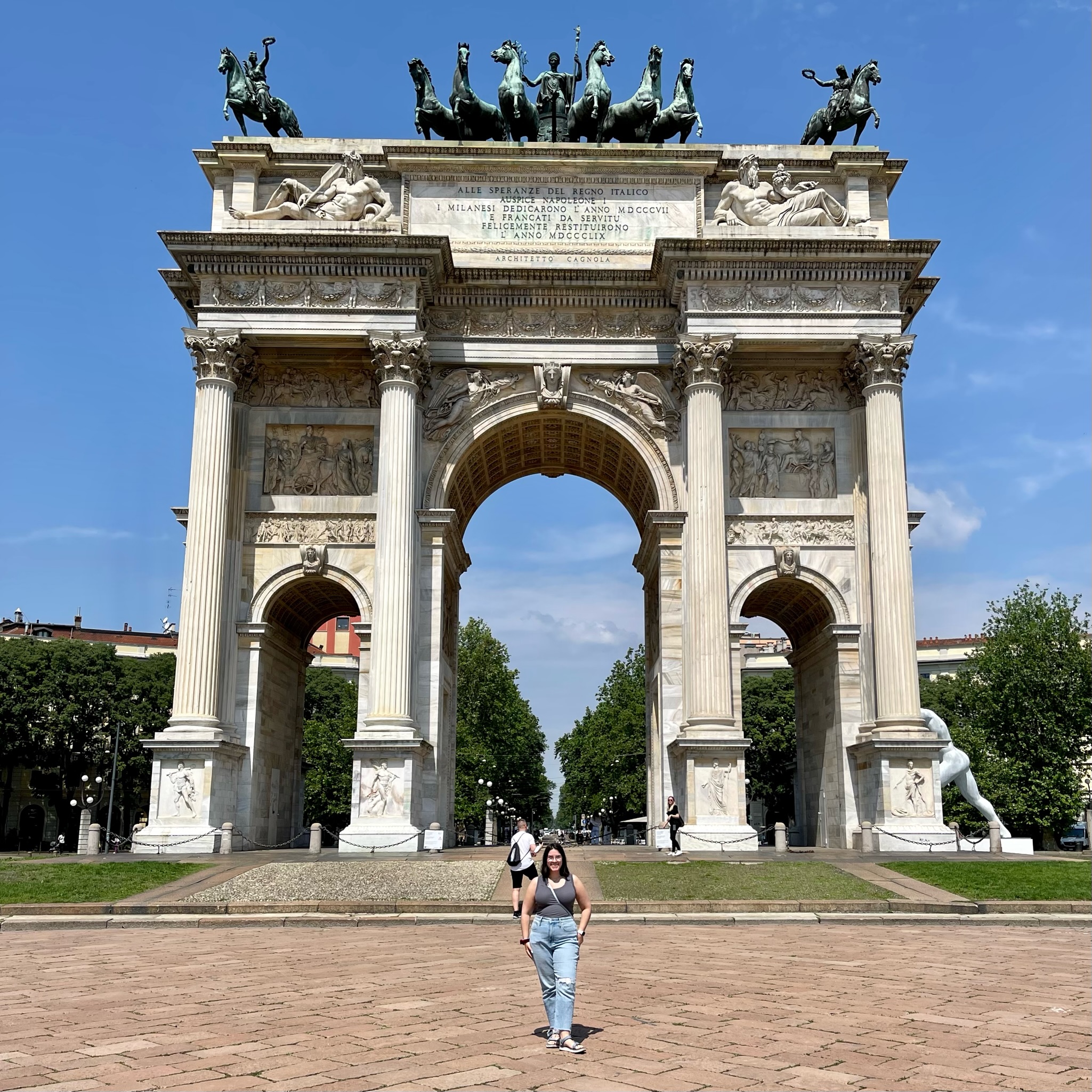
The last stop. Florence to Milan by Frecciarossa took about an hour and forty minutes. Milan surprised us — it’s sleek, modern, and has incredible food that’s very different from southern Italian cooking.
The Duomo is absolutely massive and the rooftop terrace is a must. We spent an afternoon in the Brera district, which has great galleries, bookshops, and aperitivo bars. Milan’s aperitivo culture is legendary — you order a drink for 8 to 12 euros and get access to a full buffet of food. It’s basically a free dinner.
2026 tip: Milan is hosting major infrastructure upgrades ahead of the 2026 Winter Olympics (Cortina). Some areas may have construction, but new transit options and venues are being added.
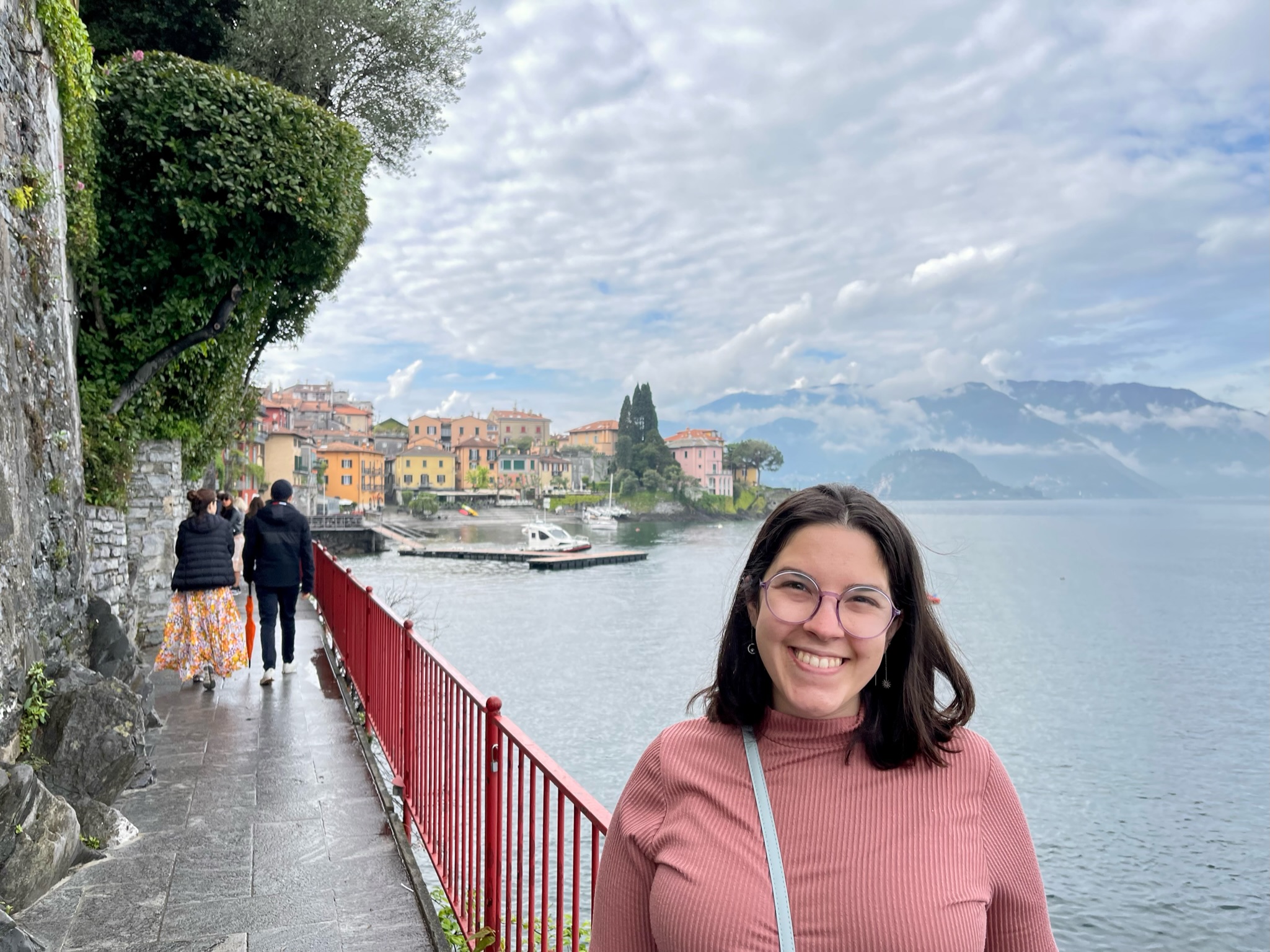
Trieste: The Bonus Stop
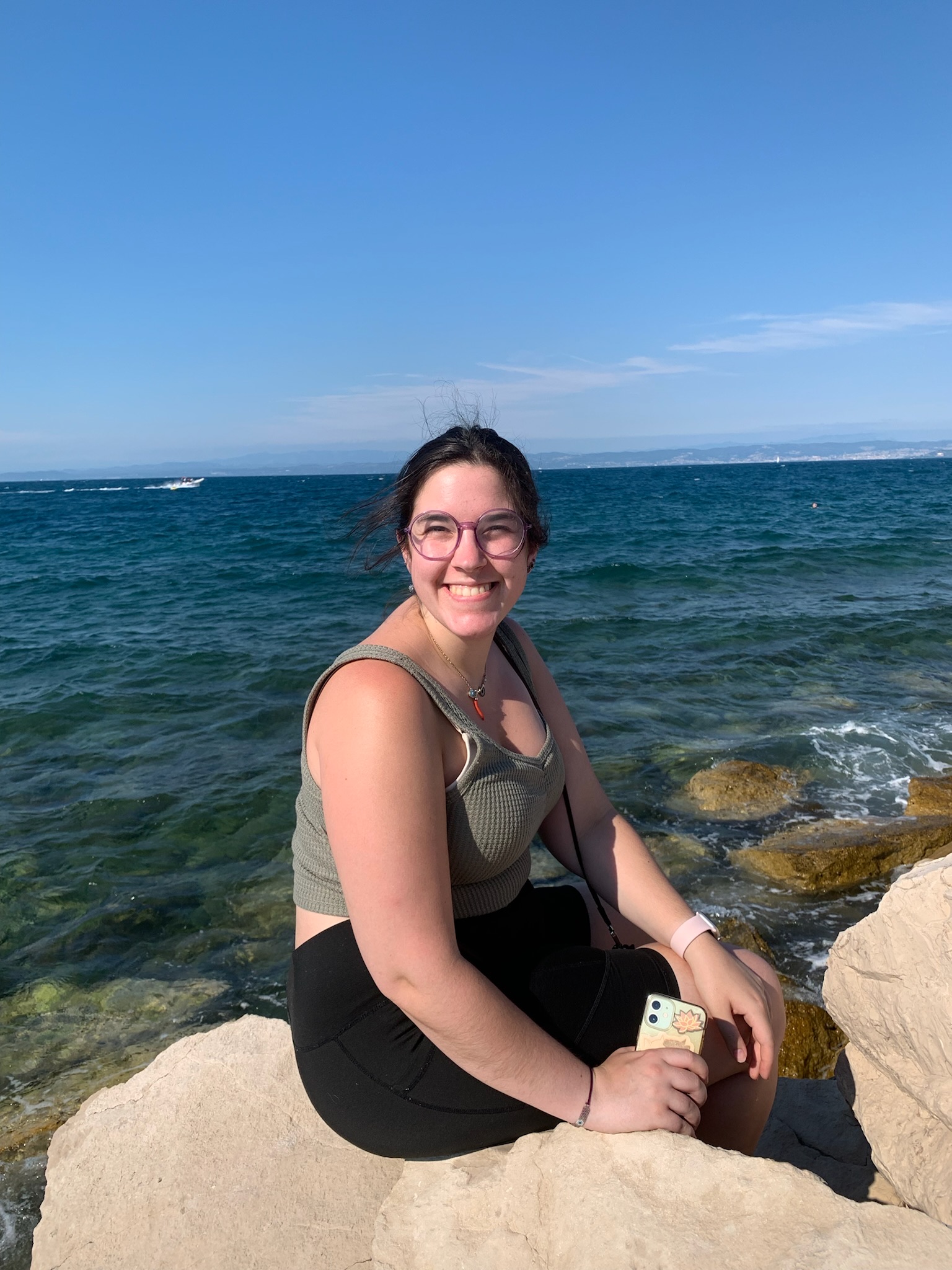
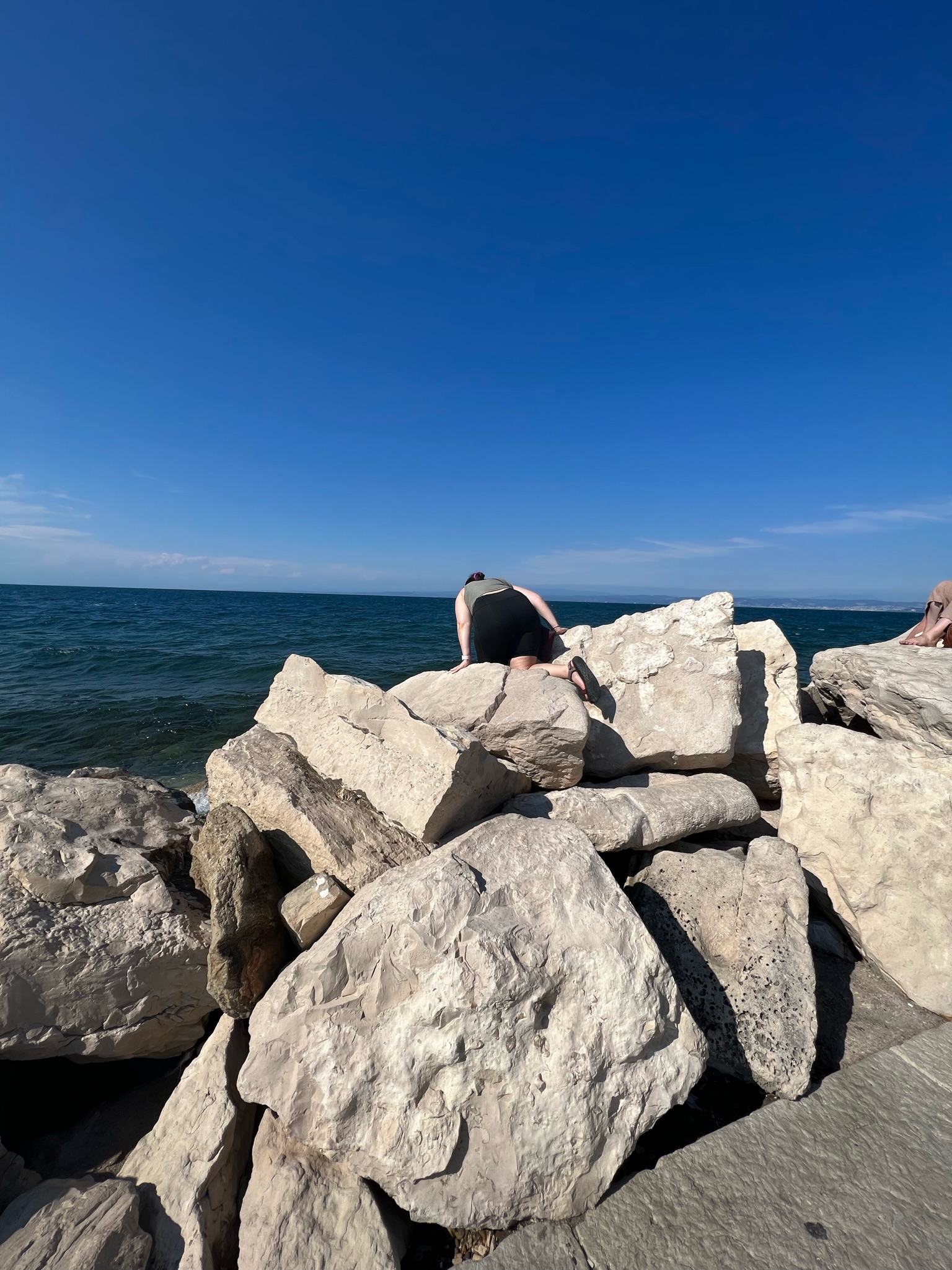
Trieste does not appear on most Italy itineraries, which is exactly why it should be on yours. The city sits at the northeastern tip of Italy, where it borders Slovenia, and spent centuries as the main port of the Habsburg Empire. The architecture is Austrian, the coffee culture is Viennese, and the coastline is Adriatic. It is one of the most underrated cities in the country.
The famous coffee here is served differently than anywhere else in Italy. What you call an espresso in Rome they call a nero in Trieste. Order a capo if you want espresso with a splash of milk. The terminology is its own local dialect and getting it right earns you a nod of approval from the barista.
Train Travel Tips for Italy
After two weeks of nothing but trains, here’s what we learned:
- Book early for high-speed routes. Frecciarossa and Italo tickets can be as low as 9 euros if you book a month ahead. Day-of prices can be 50+ euros for the same seat.
- Sit in your assigned seat. Italians take this seriously. Don’t be the tourist sitting in someone else’s spot.
- Validate regional tickets. High-speed trains don’t need validation, but regional trains do — look for the green machines on the platform.
- Roma Termini is hectic. Keep your bags close and be aware of pickpockets. Same goes for Naples Centrale.
- Download the Trenitalia app. It has real-time schedules, platform assignments, and mobile tickets.
Italian Food and Culture Tips
- Lunch is the big meal. Many restaurants close between 3pm and 7pm. Plan accordingly.
- Dinner starts at 8pm. Showing up at 6pm for dinner will get you confused looks and an empty restaurant.
- Tipping is 10% max. Service charge (coperto) is usually included. Over-tipping can actually seem odd.
- Never put parmesan on seafood pasta. Just trust us on this one.
- Coffee culture is sacred. Cappuccino is a morning drink only. After lunch, it’s espresso. Standing at the bar is cheaper than sitting at a table.
- Learn a few phrases. “Buongiorno” until 1pm, “Buonasera” after. “Grazie” and “Per favore” go a long way. Italians appreciate the effort even if your pronunciation is terrible.
What We Spent
For two people over two weeks:
- ~$800 per person round trip (JFK)
- ~$250 total for all routes
- ~$2,800 total (mix of Marriott points and cash bookings)
- Food: ~$1,200 total
- Activities and entrance fees: ~$300 total
- Total for two: ~$6,200
Would We Go Back?
We already have. Italy is one of those places that gets better each time because there’s always a new region, a new train route, a new neighborhood trattoria to discover. If you’re planning your first trip, the Rome-Naples-Florence-Milan route by train is as classic as it gets, and May is one of the best months to do it — warm but not sweltering, fewer crowds than summer, and everything is green and blooming.
Book on GetYourGuide:
- Colosseum and Roman Forum Guided Tour
- Uffizi Gallery Skip-the-Line Ticket
- Pompeii Skip-the-Line Guided Tour
- Last Supper Guided Tour in Milan
Related Reading
- Central Europe by Train: Berlin, Prague, Vienna, Munich
- Switzerland by Train: Zurich, Lucerne, the Alps, and Geneva
- Venice to Rome via Monza: Italy for the F1 Grand Prix
- Portugal by Train: Porto, Lisbon, and the Algarve Coast
Gear and Guides We Recommend
Planning a similar trip? Here are some items we found useful:
- Italy travel guide
- Rick Steves’ Europe Through the Back Door
- packing cubes
- universal travel adapter
- RFID-blocking neck wallet
These are affiliate links. If you purchase through them, we may earn a small commission at no extra cost to you, which helps support this site.
Book Tours and Activities
Find Flights to Rome
Cheapest Flights to Rome
| Departure at | Return at | Stops | Airline | Find tickets |
|---|---|---|---|---|
| 28 April 2026 | 5 May 2026 | Direct |  |
Tickets from 481 |
Compare flights on Skyscanner — and grab an Airalo eSIM before you land so you have data the moment you arrive.
Tours: NZ tours on Viator
Activities: NZ on Klook
Travel Insurance: We use SafetyWing for travel insurance on every international trip. It covers medical emergencies, trip interruptions, and lost luggage starting at $45/month with no fixed end date — perfect for multi-country itineraries.
Book hotels: Search Booking.com hotels
Get Travel Tips That Actually Help
Real costs, honest reviews, and what I’d do differently — delivered to your inbox.
No spam. Unsubscribe anytime.
Written by Jenna Fattah
I have visited 25+ countries across 6 continents, attended 7 Formula 1 races, and spent 4 years writing about what actually works and what I would do differently. Every recommendation on this site comes from trips I planned and paid for myself. Read more about me