Frequently Asked Questions
When is cherry blossom season in South Korea?
Late March through mid-April, peaking in early April in Seoul and Busan. Jeju blooms about a week earlier. The exact dates shift each year so follow the Korea Meteorological Administration forecast.
How many days do you need in South Korea?
Seven to ten days for Seoul, Busan, and Jeju. Seoul needs 3-4 days, Busan 2-3 days, and Jeju 2-3 days. The KTX bullet train connects Seoul and Busan in 2.5 hours.
Is South Korea expensive?
Moderate. It is cheaper than Japan but pricier than Southeast Asia. Budget $100-150 per day for two people including hotels, street food, and transit. Seoul subway is excellent and cheap. Korean BBQ meals run $15-25 per person.
Ten Days During Korea’s Most Beautiful Season
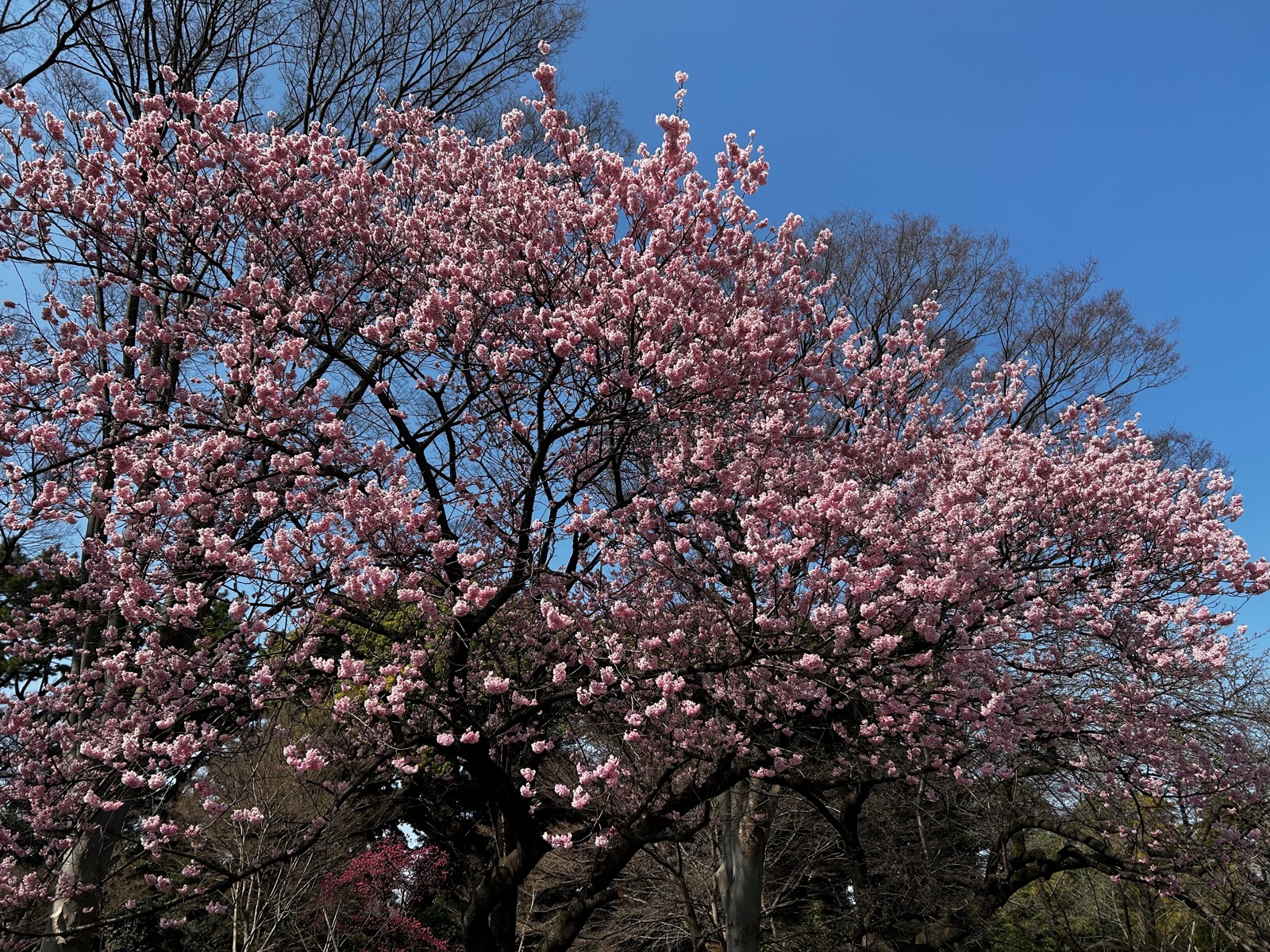
Cherry blossom season transforms South Korea — the blooms move from south to north over three weeks, and timing your visit to Gyeongju or Jinhae can mean the difference between pink perfection and bare branches.
In This Post
Cherry blossom season in South Korea (late March through mid-April) transforms the entire country into a pink and white wonderland. The blooms move from south to north as temperatures warm, and timing a trip to catch them adds an memorable layer to an already incredible destination. We are planning ten days covering Seoul, Busan, and Jeju Island — Korea’s three essential stops.
Seoul: Ancient Palaces and Neon Streets
Seoul is a city of extremes. 600-year-old palaces sit next to glass skyscrapers, traditional hanok houses share blocks with K-pop stores, and the food scene ranges from Michelin-starred restaurants to street stalls serving 1,000-won tteokbokki.
The largest of Seoul’s five grand palaces. The changing of the guard ceremony happens multiple times daily and is worth catching. Rent a hanbok (traditional Korean dress) from one of the shops near the palace — you get free palace entry, and walking through the courtyards in traditional dress is part of the experience.
A neighborhood of traditional Korean houses on the hillside between two palaces. The narrow alleys, tiled roofs, and city views make it one of the most photogenic spots in Seoul. Visit early morning before the crowds arrive.
Myeongdong is the shopping and skincare capital — Korean beauty products at a fraction of what they cost abroad. Hongdae (near Hongik University) is the nightlife and street performance hub, with live music, buskers, and bars packed every evening.
The iconic Seoul landmark, accessible by cable car or a steep but rewarding hike through Namsan Park. Cherry blossom season turns the park into a pink canopy.
The Demilitarized Zone between North and South Korea is one of the most surreal places on earth. Guided tours from Seoul (book through the USO or private operators) take you to the Joint Security Area at Panmunjom, where you can literally step into North Korea inside the blue conference buildings.
Busan: Beaches, Temples, and Seafood
The KTX high-speed train from Seoul to Busan takes about 2.5 hours and costs 50,000-60,000 KRW (about 40-45 USD). Busan is Korea’s second city and has a completely different energy from Seoul — more relaxed, more coastal, more colorful.
A hillside neighborhood of brightly painted houses, murals, and art installations. Often called the “Machu Picchu of Busan” — a stretch, but it is beautiful and fun to explore.
A Buddhist temple perched on the ocean cliffs northeast of the city. Unlike most Korean temples (which are in the mountains), this one sits right on the water, and the combination of ancient architecture and crashing waves is spectacular.
The largest seafood market in Korea. The ground floor is a wet market where you choose your fish alive, and the upper floors have restaurants that prepare it immediately. Fresh sashimi, grilled eel, and sea urchin at prices far below any restaurant.
Korea’s most famous beach. In cherry blossom season, the trees along the beachfront promenade create a stunning contrast of pink blossoms and blue ocean.
Jeju Island: Korea’s Hawaii
A short flight from Busan or Seoul (about an hour, very cheap on domestic carriers) brings you to Jeju, a volcanic island off the southern coast. Jeju has its own distinct culture, cuisine, and landscape.
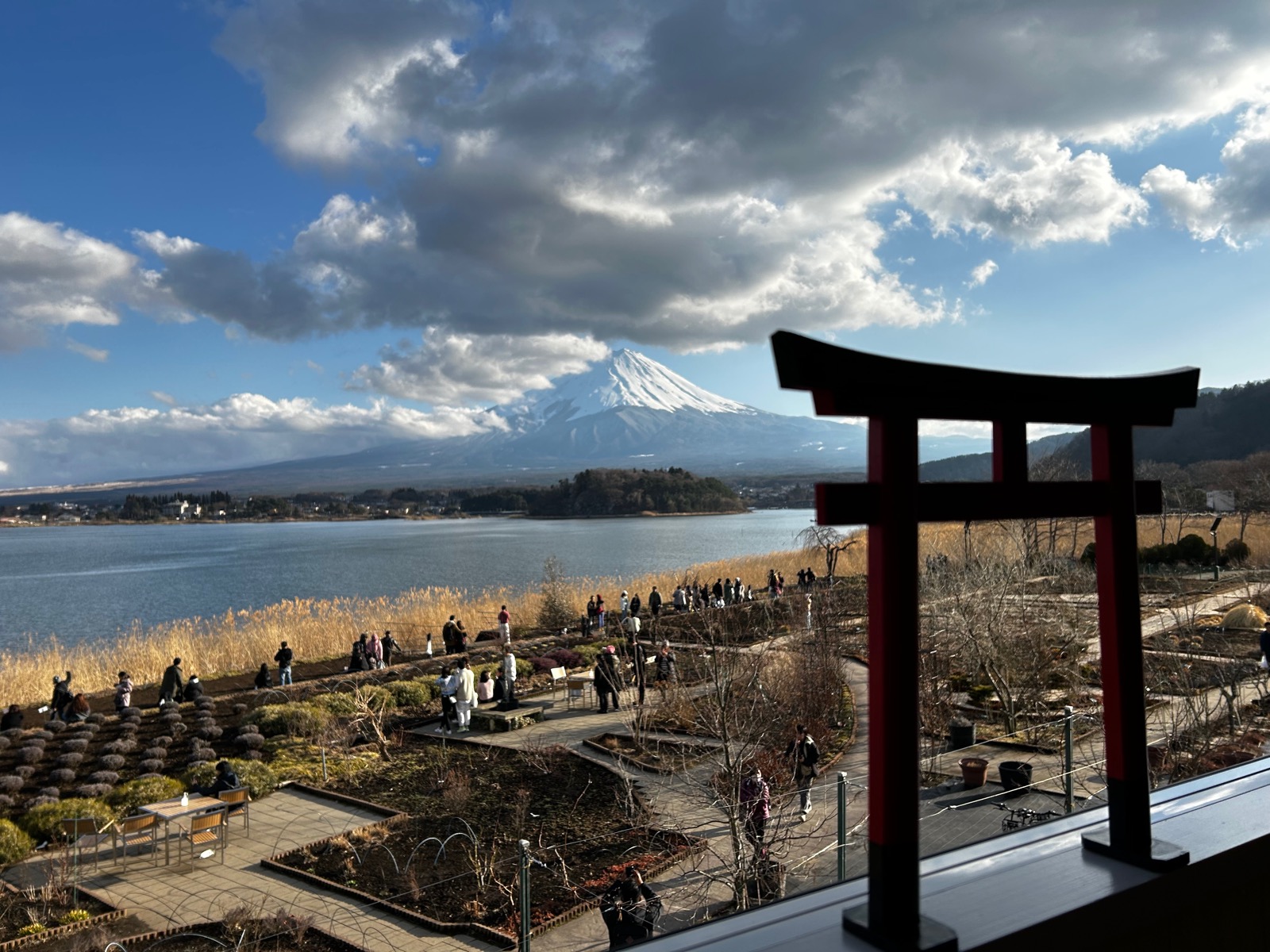
The dormant volcano at the center of the island is South Korea’s highest peak. The hike to the crater lake at the summit takes about 4-5 hours one way on the most popular trail. Spring adds cherry blossoms and canola flowers to the already dramatic volcanic landscape.
One of the longest lava tubes in the world — a massive underground tunnel formed by volcanic eruptions thousands of years ago. Walking through it is eerie and impressive.
A volcanic crater on the eastern tip of the island. The sunrise hike (about 30 minutes to the rim) is one of the most popular activities on Jeju. The views from the top across the ocean and to Hallasan are worth the early alarm.
Jeju’s food specialties include black pork (heuk dwaeji), abalone porridge, and fresh seafood from the haenyeo — the famous female free-divers who have been harvesting the ocean for centuries.
Korean Food: A Highlight of the Trip
Korean food alone justifies the visit:
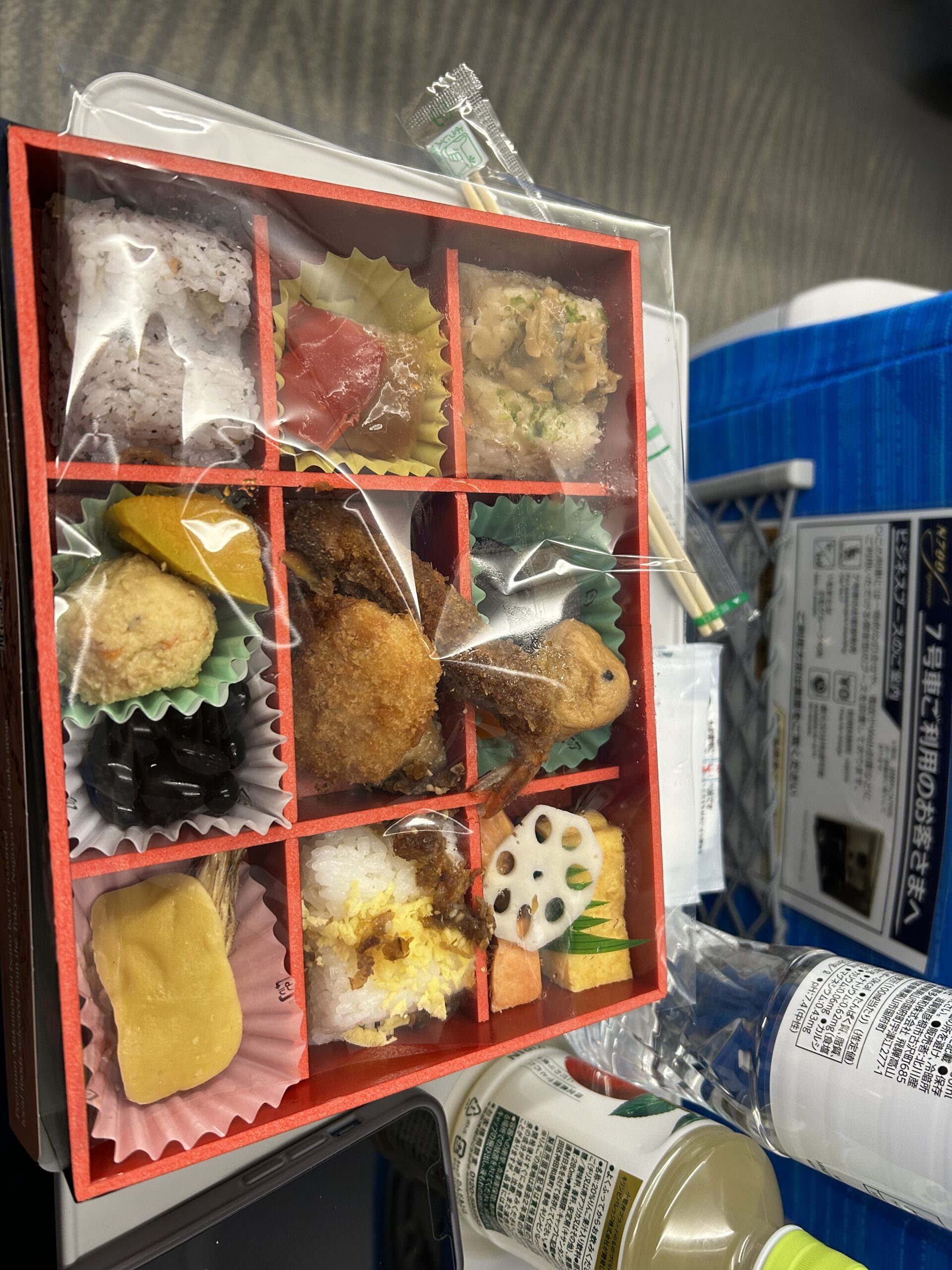
- Grilling meat at your table is a social event. Samgyeopsal (pork belly) with all the banchan (side dishes) is the essential experience
- Rice topped with vegetables, meat, egg, and gochujang (chili paste). Simple, satisfying, available everywhere
- Spicy rice cakes — the king of Korean street food. Found at every market stall for about 3,000-4,000 KRW
- Korean fried chicken is life-changing. Crispy, double-fried, with sweet-spicy sauce. Paired with beer, it is a cultural institution
- Not food, but essential. Korean bathhouses with hot pools, saunas, and communal sleeping rooms. The ultimate recovery after a day of walking
Budget Estimate
- JFK to Seoul round trip — 60,000-80,000 miles or 700-1,000 USD
- About 40-45 USD each way
- 30-60 USD each way on budget carriers
- 60-120 USD per night for mid-range options. Hanok guesthouses in Seoul from 50-90 USD
- 20-40 USD per day for two eating very well. Street food is incredibly cheap
- Most temples and parks are free or under 5 USD. DMZ tour about 80-100 USD
Tips
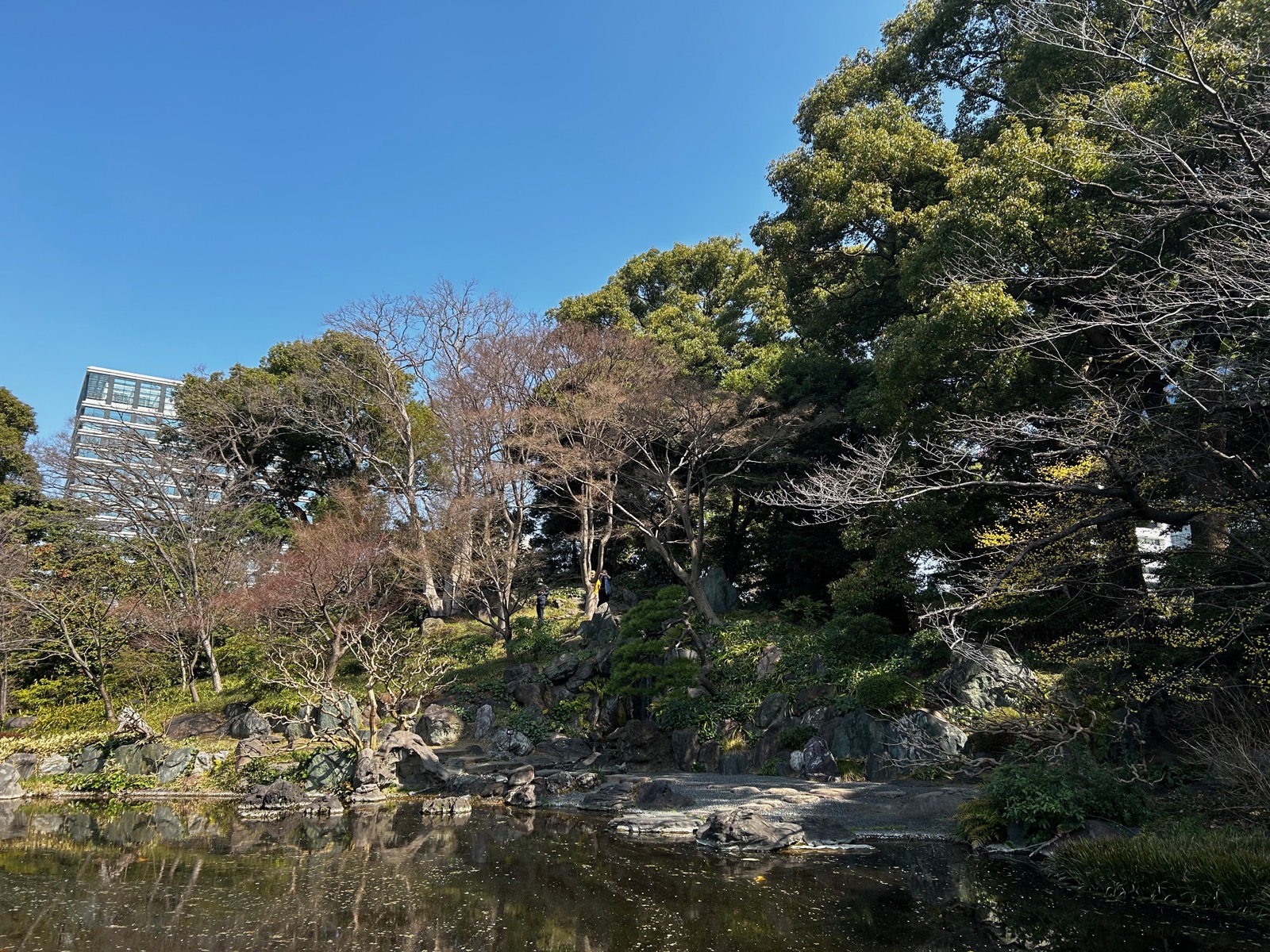
- Cherry blossom timing varies yearly. Follow Korean weather forecasts starting in March for bloom predictions
- Get a T-money card at the airport for all public transport (subway, bus, even some taxis and convenience stores)
- The Seoul subway is extensive, clean, and cheap. You rarely need taxis
- Download Naver Map or KakaoMap — Google Maps does not work well for navigation in Korea
- Tipping is not customary and can even be confusing to service staff
- Korea is very safe. Walking alone at night in Seoul and Busan is completely normal
Related Reading
- Southeast Asia in March: Singapore, Vietnam, Islands
- Two Weeks in Thailand: Krabi, Koh Lipe, and Bangkok
- Solo in Bali: April 2024
- India: The Golden Triangle, Rajasthan, and Kerala
Gear and Guides We Recommend
Planning a similar trip? Here are some items we found useful:
- South Korea travel guide
- Rick Steves’ Europe Through the Back Door
- packing cubes
- universal travel adapter
- RFID-blocking neck wallet
These are affiliate links. If you purchase through them, we may earn a small commission at no extra cost to you, which helps support this site.
Book Tours and Activities
Find Flights to Seoul
Cheapest Flights to Seoul
| Departure at | Return at | Stops | Airline | Find tickets |
|---|---|---|---|---|
| 6 April 2026 | 9 May 2026 | Direct |  |
Tickets from 711 |
Compare flights on Skyscanner — and grab an Airalo eSIM before you land so you have data the moment you arrive.
Book Activities in South Korea:
Tours: Singapore tours on Viator
Travel Insurance: We use SafetyWing for travel insurance on every international trip. It covers medical emergencies, trip interruptions, and lost luggage starting at $45/month with no fixed end date — perfect for multi-country itineraries.
Book hotels: Search Booking.com hotels
Get Travel Tips That Actually Help
Real costs, honest reviews, and what I’d do differently — delivered to your inbox.
No spam. Unsubscribe anytime.
Written by Jenna Fattah
I have visited 25+ countries across 6 continents, attended 7 Formula 1 races, and spent 4 years writing about what actually works and what I would do differently. Every recommendation on this site comes from trips I planned and paid for myself. Read more about me