What I’d Do Differently: Planning a Multi-City Sports Event Trip
Updated April 2026 | 4 min read
- I Would Book Hotels Before Tickets
- I Would Not Plan a Rigid Itinerary
- I Would Arrive a Day Earlier
- I Would Pick One City, Not Three
- I Would Sort Out Connectivity First
- I Would Budget for the Exit, Not Just the Entry
- I Would Not Skip Travel Insurance
- I Would Pack Lighter
- The Bottom Line
- Plan Your Trip
- Keep Reading
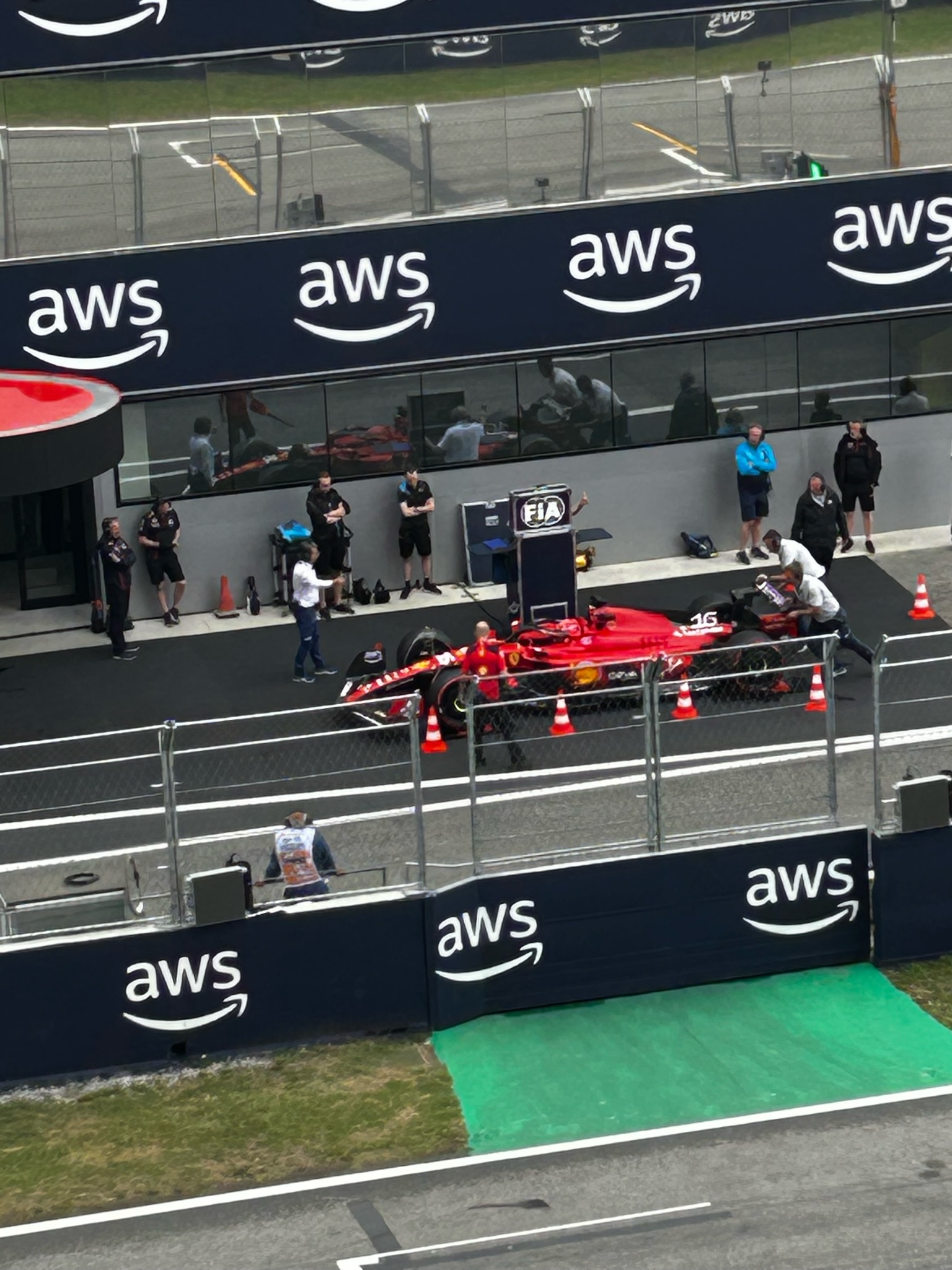
I have attended seven Formula 1 Grand Prix on four continents. Monza, Barcelona, Spa, Austria, Interlagos, Mexico City, Miami. Each one taught me something about traveling for live sports events — usually the hard way.
The 2026 World Cup is a different beast. More cities, more countries, bigger crowds, higher stakes. But the core mistakes are the same ones I made at my first F1 race in 2023. Here is what I would change.
I Would Book Hotels Before Tickets
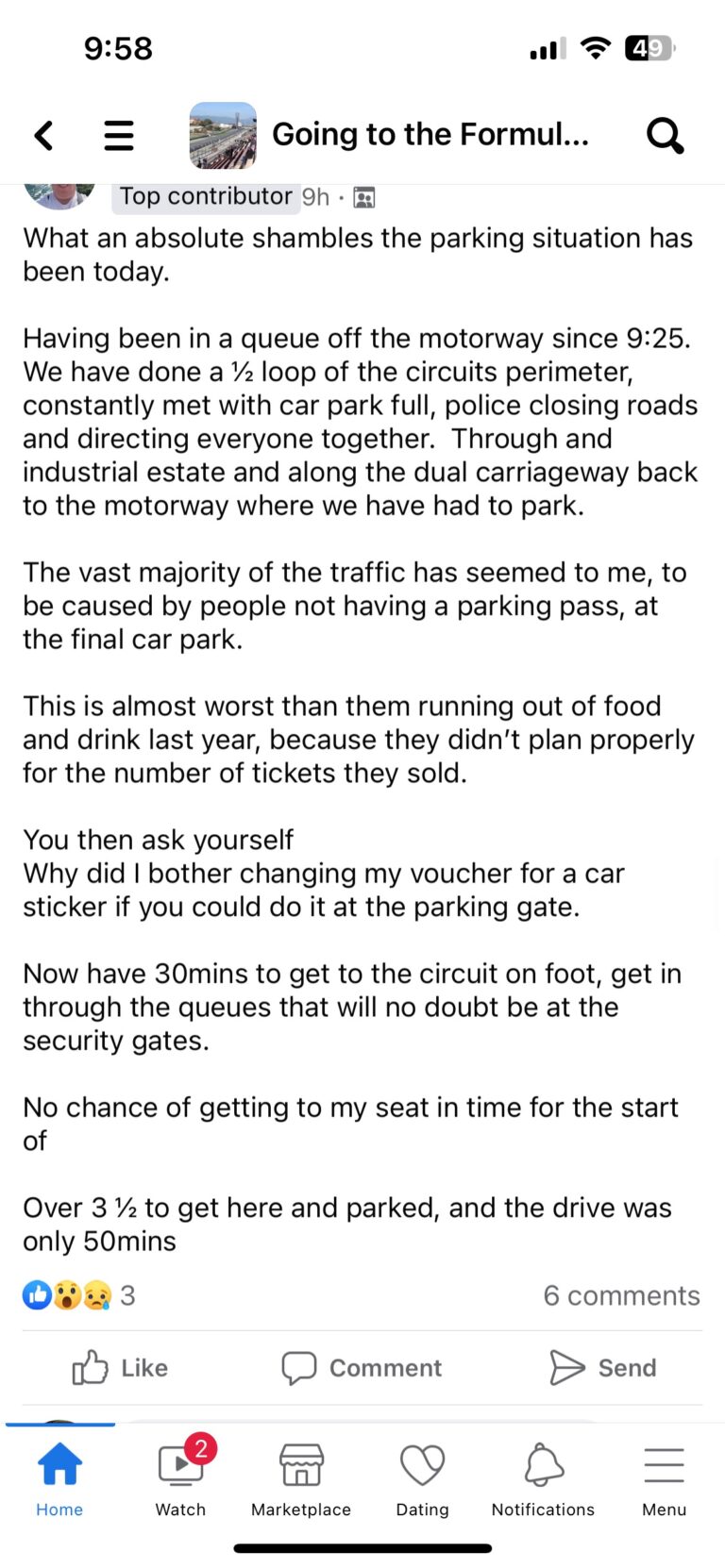
At every F1 race I have attended, hotels were the bigger headache. Tickets have set prices and fixed availability. Hotels do not. By the time I had my Monza tickets confirmed, the decent hotels within 30 minutes of the track were either sold out or triple the normal rate.
For the World Cup, hotel prices in some cities are already 3 to 10 times normal. Mexico City had one Marriott property spike 2,373% on the opening match date. Book refundable rates now, for every city you might visit. Cancel later if plans change. This costs you nothing and saves you hundreds.
I Would Not Plan a Rigid Itinerary
The single biggest lesson from F1 travel: you do not know where the knockout rounds take you. At Interlagos, I met fans who had booked flights to five different cities “just in case” their team advanced. Most of those flights went unused.
For the World Cup, book your group stage travel firmly. Everything after that should be flexible — refundable flights, refundable hotels, no prepaid tours during knockout weeks. My F1 first-timer guide covers this mindset in detail.
I Would Arrive a Day Earlier
Every race I arrived the morning of, something went wrong. Delayed flight in Barcelona. Wrong train to Monza. Traffic in Mexico City that turned a 30-minute ride into 2 hours. Arriving race day means one delay ruins the whole experience.
For a World Cup match, arrive in the city at least 24 hours before kickoff. Use that day to scope out the stadium approach, find the transit connections, and locate food that is not $18 stadium nachos.
I Would Pick One City, Not Three
My best F1 trips were when I stayed in one city and explored it deeply. My worst were when I tried to pack two races into one trip and spent half the time in airports.
For the World Cup, pick one host city for group stage. Make it a full city trip — explore the food, the neighborhoods, the fan zones. If your team advances, book a second city for the knockouts. But trying to see matches in three cities in one week will leave you exhausted, broke, and perpetually in transit.
I Would Sort Out Connectivity First
At Interlagos, my phone plan did not work in Brazil. I spent the first hour at the track trying to find WiFi to download my ticket. At the Mexican GP, I had an eSIM ready and everything was seamless — maps, ride-hailing, ticket app, group chat.
The 2026 World Cup uses a digital-only ticket system through the FIFA app. No data connection means no ticket. Get an eSIM that covers all three countries before you leave. Airalo’s North America plan covers the US, Canada, and Mexico.
I Would Budget for the Exit, Not Just the Entry
Getting to a stadium is easy. Getting out is the real test. After the Monza GP, it took us 3 hours to get back to Milan. After Interlagos, surge pricing made a normal $10 Uber cost $45.
Plan your post-match exit before the match. Know which train or bus runs after the event. Walk 15 to 20 minutes from the stadium before calling a rideshare. Or just stay near the stadium and walk back.
I Would Not Skip Travel Insurance
I skipped insurance for my first two F1 trips. Then a flight cancellation in Barcelona cost me a hotel night and a rebooking fee. Now I buy it for every trip with non-refundable bookings over $500. The World Cup qualifies. Here is my comparison of the best options.
I Would Pack Lighter
At every F1 race, I overpacked. You do not need three pairs of shoes for a stadium. You do need a portable charger, a cooling towel (June in Miami or Dallas is no joke), sunscreen, and a clear bag that meets stadium entry rules. Most US stadiums have strict bag policies — check your venue’s rules before packing.
My F1 packing list covers 90% of what you need for any live sports event.
The Bottom Line
The World Cup is not just a sporting event. It is a travel logistics puzzle spread across three countries and 16 cities. The fans who have the best experience will not be the ones with the best seats — they will be the ones who planned the boring stuff first. Hotels, visas, transit, connectivity, exit strategy. Get those right and the football takes care of itself.
Plan Your Trip
Flights: Search flights on Aviasales
Hotels: Compare hotels on Booking.com
eSIM: Get an Airalo eSIM
Travel Insurance: See my insurance comparison
Gear: Portable charger | Cooling towel | Packable daypack
Keep Reading
- 2026 FIFA World Cup Travel Guide
- Best World Cup Host Cities Ranked
- World Cup Budget Breakdown
- How to Pick Your First F1 Grand Prix
- Every F1 Race I’ve Attended, Ranked
Affiliate disclosure: This post contains affiliate links. I earn a small commission if you book through them, at no extra cost to you. Links: SafetyWing travel insurance (10% off), Skyscanner for flights, Airalo eSIM for data, Booking.com for hotels, Viator for tours.
Real costs, honest reviews, and what I’d do differently — straight to your inbox.
Plan your own trip: guides I actually use
Cards, lounges & insurance:
- Best Airport Lounges I Have Actually Used — From Changi to Istanbul
- Is Priority Pass Worth It in 2026 — My Honest Review After 15 Airports
- Best Travel Credit Cards for 2026: The Cards I Actually Use and Why
- The 6 Best Travel Insurance Companies for 2026, Compared After 15 International Trips
- The Credit Card Points Strategy That Funded $15,000 of Travel
Finding cheap flights:
- Going vs Dollar Flight Club vs Thrifty Traveler: Which Flight Deal Service Is Worth It in 2026?
- When to Book Flights by Region — The Booking Windows That Actually Save Money
- How to Find Error Fares and Flight Deals — The Services I Actually Use
- Google Flights vs Skyscanner vs Momondo — Which Actually Finds the Cheapest Flights
Staying connected abroad:
- Best VPN for Travel 2026 — NordVPN vs Surfshark and Why You Need One
- Best eSIM for Travel 2026 — Holafly vs Airalo vs Nomad
Travel gear I actually use:
- The Best Pet Cameras and Smart Feeders for Travelers
- Best Portable Chargers for Travel in 2026: Which Size You Actually Need
- My Exact Travel Tech Setup After 15 International Trips
- Best Noise-Canceling Headphones for Travel in 2026: Tested on 40+ Flights
- Best Travel Backpacks for 2026: The 5 I Have Actually Used
- Phone Photography Tips for Travel: How to Take Great Photos With Just Your iPhone
Written by Jenna Fattah
I have visited 25+ countries across 6 continents, attended 7 Formula 1 races, and spent 4 years writing about what actually works and what I would do differently. Every recommendation on this site comes from trips I planned and paid for myself. Read more about me