
Airbnb vs Hotels in 2026: The Math Has Changed and Hotels Are Winning
Updated April 2026 | 4 min read
In This Post
Airbnb vs Hotels at a glance
| Airbnb | Hotel | |
|---|---|---|
| Short stay cost (2-4 nights) | Fees add 25-40% on top of nightly rate; often more expensive than hotel once totaled | Competitive or cheaper in most European capitals; no per-booking cleaning penalty |
| Long stay cost (7+ nights) | Cleaning fee spread across more nights; math favors Airbnb | Less advantage; Airbnb pulls ahead for week-long stays |
| Group travel (3+ people) | Fees are per-booking, not per-person; can be 67 EUR/person vs 90-120 EUR for separate hotel rooms | Separate rooms at full per-person rates; usually more expensive for groups |
| Reliability and quality | Variable; photos are curated, Superhost badge reflects response speed not property quality | Predictable baseline from star ratings and branding; failure modes less likely to ruin your trip |
| Convenience | Often further from city center; advance booking required; many hosts have strict cancellation policies | Prime locations, same-day availability, flexible cancellation, daily housekeeping, luggage storage |
| Best for | Groups of 3+, stays over 4 nights, destinations with no hotel equivalent, travelers who will actually cook | Solo travelers, couples, short city breaks, last-minute trips, business districts |
Why I Book Fewer Airbnbs Now Than I Did Three Years Ago
I used to default to Airbnb for every trip over 3 nights. In 2022 and early 2023, the value proposition was clear: more space, a kitchen, local neighborhoods, usually cheaper. By 2025, the economics shifted. Cleaning fees climbed, service fees stayed high, and hotel prices in many markets dropped post-pandemic as new inventory came online.
This is not an anti-Airbnb argument. I still book apartments for specific situations. But the automatic assumption that Airbnb is cheaper or better needs updating with 2026 numbers.
The Fee Problem Is Worse Than You Think
Airbnb’s fee structure now adds 25-40% on top of the nightly rate for short stays. Here is the breakdown for a real listing I priced out in Paris for a 3-night stay in June:
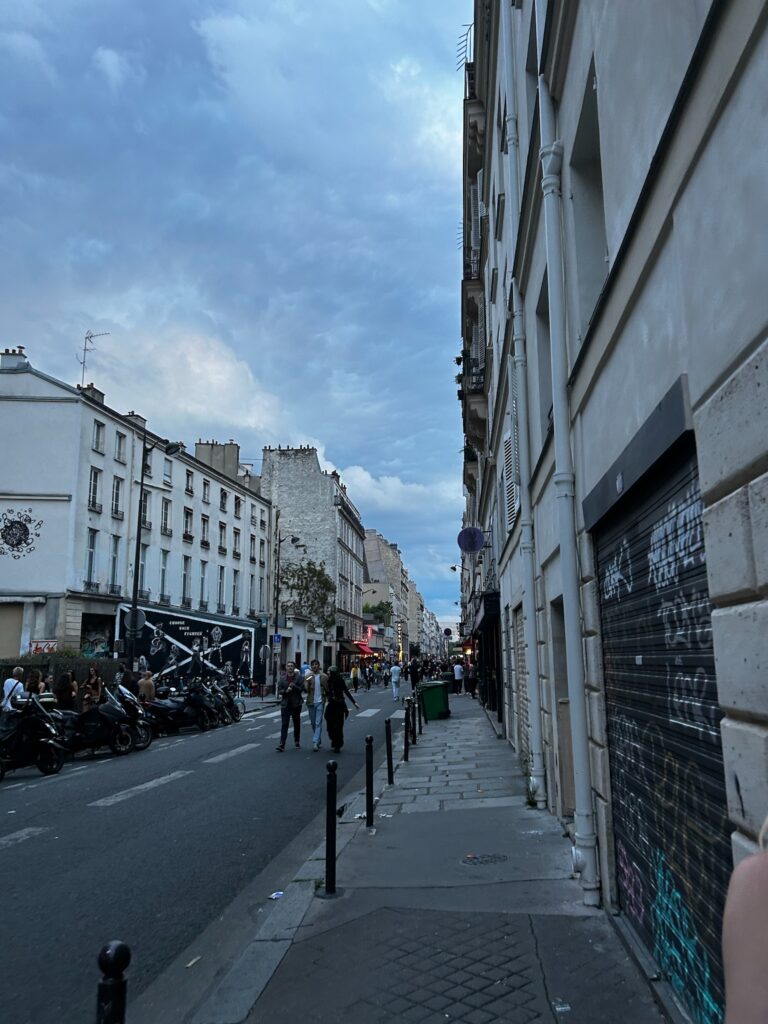
Listed nightly rate: 95 EUR. Three nights: 285 EUR. Cleaning fee: 85 EUR. Airbnb service fee (14.2%): 52 EUR. Total: 422 EUR, or 141 EUR per night. A comparable hotel room near the Marais with breakfast included: 135 EUR per night, totaling 405 EUR. The hotel was cheaper and included breakfast worth roughly 12-15 EUR per morning.
For longer stays (7 or more nights), the math still favors Airbnb because the cleaning fee is spread across more nights. But for the 2-4 night city break that most people book, hotels now win on pure cost in most European capitals.
This post contains affiliate links. If you book through these links, I earn a small commission at no extra cost to you.
SafetyWing — Travel medical insurance from $42/month
Skyscanner — Compare flight prices across airlines
Airalo — eSIM data for 200+ countries
Booking.com — Compare hotel prices
Where Airbnb Still Makes Sense
Group travel is where Airbnb’s advantage remains clear. A 3-bedroom apartment in Barcelona for 200 EUR per night split three ways is 67 EUR per person, while separate hotel rooms would run 90-120 EUR each. The math works because cleaning fees and service fees are per-booking, not per-person.
Week-long stays in one city favor Airbnb, especially if you cook. In Rome, our 3-week Airbnb in 2022 saved us roughly 30-40 EUR per day on meals by having a kitchen. Over 21 nights, that offset the cleaning fee several times over.
Rural and beach destinations with limited hotel inventory are still Airbnb territory. In parts of the Algarve, Greek islands, and Bali, the best properties are private villas that only exist on Airbnb or Booking.com apartments. No hotel equivalent exists in some of these locations.
Where Hotels Have Pulled Ahead
Business districts and city centers. Hotels invest in prime locations that individual Airbnb hosts cannot compete with. A hotel 5 minutes from the train station beats an Airbnb 25 minutes away by metro, especially when you factor in the time cost of commuting and the convenience of dropping bags immediately upon arrival.
Short stays (1-3 nights). The cleaning fee penalty makes Airbnb uncompetitive for quick trips. I have stopped even checking Airbnb for weekend city breaks.
Last-minute booking. Hotels have same-day availability and flexible cancellation. Airbnb requires advance booking and many hosts have strict cancellation policies. I got burned once in Brussels when a host cancelled 48 hours before check-in and the alternatives were 40% more expensive.
Solo travel. Hotels provide daily housekeeping, a front desk for questions and luggage storage, and a social lobby. An Airbnb for one person is just a more expensive, lonelier version of a hotel room.
The Quality Problem
Hotel quality is predictable because of branding and star ratings. A 4-star hotel in Vienna and a 4-star hotel in Bangkok deliver different experiences, but both meet a baseline standard. Airbnb quality is a gamble. Photos are curated, reviews can be gamed, and the “Superhost” badge means the host responds quickly, not that the property is actually good.
I have stayed in Airbnbs with wifi that cut out every 30 minutes, kitchens with one dull knife and no oil, and “self check-in” systems that required 15 minutes of troubleshooting a smart lock at midnight. Hotels are not perfect, but their failure modes are less likely to ruin your evening.
My Decision Framework for 2026
I ask three questions before booking:
Am I staying more than 4 nights in one city? If yes, check Airbnb. If no, book a hotel.
Am I traveling with 3 or more people? If yes, Airbnb almost certainly wins. If traveling solo or as a couple, hotel.
Do I need a kitchen? If yes and I will actually cook (be honest), Airbnb. If I just like the idea of a kitchen but will eat out every meal, hotel.
For everything else: hotel. The convenience premium is worth 10-15% more per night, and often hotels are not even more expensive once Airbnb fees are factored in.
Plan Your Trip
I compare hotel prices on Hotellook before checking Airbnb. For flights, Aviasales searches all airlines at once. Stay connected with Airalo eSIM so you can coordinate check-in details on the go.
Keep Reading
For the full cost comparison across accommodation types, see hostels vs hotels vs apartments. My travel insurance comparison covers what happens when your Airbnb host cancels last-minute. For maximizing hotel loyalty programs, check the credit card points strategy.
Get Travel Tips That Actually Help
Real costs, honest reviews, and what I would do differently — no fluff.
Frequently Asked Questions
Is Airbnb still cheaper than hotels in 2026?
Not always, and not for short stays. For a 3-night city trip, Airbnb’s cleaning fee and service fee (around 14.2%) can add 25-40% on top of the listed nightly rate, pushing the total above a comparable hotel. In Paris, a real example came out to 141 EUR per night on Airbnb versus 135 EUR per night at a hotel that included breakfast. For stays of 7 or more nights, Airbnb can still be cheaper because the cleaning fee is spread across more nights.
When does Airbnb make more sense than a hotel?
Three situations favor Airbnb: traveling with 3 or more people (fees are per-booking, not per-person, so the per-head cost drops sharply), staying more than 4 nights in one city, or visiting rural or beach destinations where hotels don’t exist. A 3-bedroom apartment in Barcelona split three ways can come to around 67 EUR per person per night, compared to 90-120 EUR for separate hotel rooms.
Why do hotels win for solo travel and short city breaks?
For solo travelers, a hotel offers daily housekeeping, a front desk, luggage storage, and a social lobby, making an Airbnb a more expensive and less convenient version of the same thing. For short city breaks of 1-3 nights, the Airbnb cleaning fee penalty makes the total price uncompetitive. Hotels also have better locations near train stations and city centers, same-day availability, and more flexible cancellation policies.
How should I decide between Airbnb and a hotel?
Ask three questions: Are you staying more than 4 nights in one city (if yes, check Airbnb)? Are you traveling with 3 or more people (if yes, Airbnb likely wins)? Do you need a kitchen and will you actually cook (if yes, Airbnb; if not, hotel)? For everything else, the default is a hotel. The convenience premium is around 10-15% more per night, and hotels often are not even more expensive once Airbnb fees are factored in.
Plan your own trip: guides I actually use
Cards, lounges & insurance:
- Booking.com vs Expedia vs Hotels.com vs Agoda: Which Hotel Site Is Actually Cheapest in 2026?
- What I Would Do Differently: My Accommodation Booking Strategy
- Best Airport Lounges I Have Actually Used — From Changi to Istanbul
- Is Priority Pass Worth It in 2026 — My Honest Review After 15 Airports
- Best Travel Credit Cards for 2026: The Cards I Actually Use and Why
- Best Travel Insurance for 2026: What I Actually Recommend After 15 International Trips
- The Credit Card Points Strategy That Funded $15,000 of Travel
Finding cheap flights:
- Going vs Dollar Flight Club vs Thrifty Traveler: Which Flight Deal Service Is Worth It in 2026?
- When to Book Flights by Region — The Booking Windows That Actually Save Money
- How to Find Error Fares and Flight Deals — The Services I Actually Use
- Google Flights vs Skyscanner vs Momondo — Which Actually Finds the Cheapest Flights
Staying connected abroad:
- Best VPN for Travel 2026 — NordVPN vs Surfshark and Why You Need One
- Best eSIM for Travel 2026 — Holafly vs Airalo vs Nomad
Travel gear I actually use:
- Best Portable Chargers for Travel in 2026: Which Size You Actually Need
- My Exact Travel Tech Setup After 15 International Trips
- Best Noise-Canceling Headphones for Travel in 2026: Tested on 40+ Flights
- Best Travel Backpacks for 2026: The 5 I Have Actually Used
- Phone Photography Tips for Travel: How to Take Great Photos With Just Your iPhone

Written by Jenna Fattah
I have visited 25+ countries across 6 continents, attended 7 Formula 1 races, and spent 4 years writing about what actually works and what I would do differently. Every recommendation on this site comes from trips I planned and paid for myself. Read more about me