Why October Might Be the Best Month to Visit Italy
Updated April 2026 | 4 min read
I have been to Italy twice — once in May 2022 and once in September 2024. Both trips were excellent. But if I had to pick one month for a return trip, it would be October. The math, the weather, and the food all line up in a way that makes October the quiet winner for Italy travel.
The Crowd Situation
Summer in Italy is a different country than fall in Italy. The Amalfi Coast in July has bumper-to-bumper bus traffic on the coastal road, two-hour waits for restaurants, and beaches so packed you can hear your neighbor’s podcast. My September 2024 trip was already noticeably calmer than what friends described from their July visits. October takes that further — the cruise ships thin out, the tour buses shrink in number, and reservations that were impossible in summer become walk-in friendly.
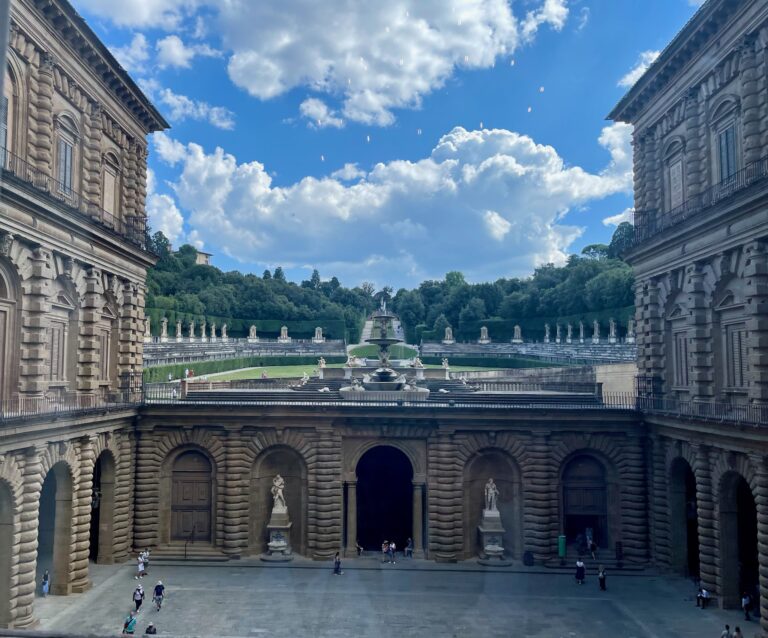
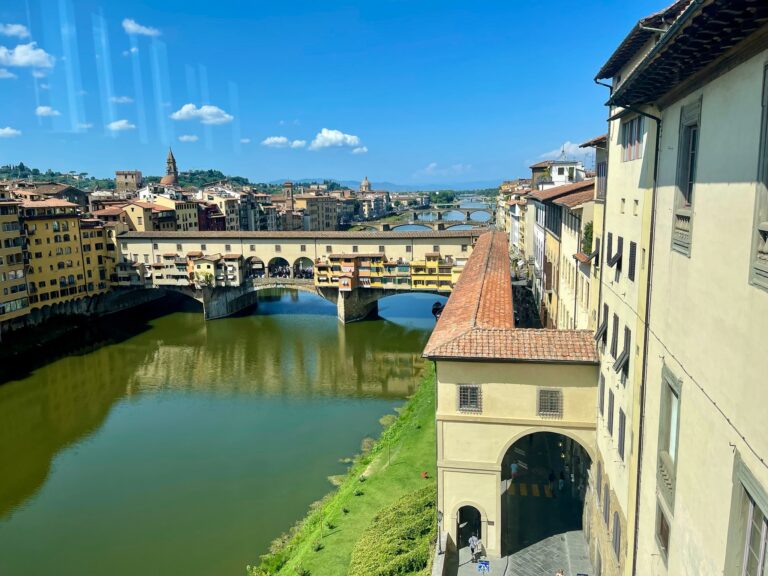
Rome in October means you can actually stand in the Piazza Navona without being pushed. The Colosseum queue drops from 90 minutes to 30. Florence’s Uffizi goes from requiring tickets weeks ahead to having same-day availability. These are not small differences — they change the character of the trip entirely.
The Weather
October in Italy averages 64-72F (18-22C) in the south and 55-64F (13-18C) in the north. That is walking weather — comfortable for 20,000-step days exploring Rome, hiking the Amalfi Coast paths, or cycling through Tuscan vineyards. Summer’s 95F/35C days make all of those activities miserable. October trades beach weather for exploration weather, which is the right trade for a trip focused on food, culture, and scenery.
Rain is more common in October than summer, especially in the north. Pack a packable rain jacket and plan indoor alternatives. But Italian rain in October is usually short afternoon showers, not all-day washouts. The coast stays warmer and drier than the interior.
White Truffle Season
This is the real reason October wins. White truffle season runs from October through December, centered in Alba in Piedmont. The Alba White Truffle Fair (Fiera del Tartufo Bianco) starts in early October and runs through November. White truffles are shaved over fresh pasta, eggs, and risotto at restaurants throughout the region. A plate of tajarin pasta with white truffle in Alba costs 25-40 euros — steep, but nowhere near the 100+ euros you would pay for the same dish in a major city.
Even outside Alba, October means fresh porcini mushrooms, chestnut festivals in Tuscany, new olive oil season starting in late October, and grape harvest celebrations (vendemmia) across Chianti and Barolo wine regions. The food calendar alone justifies the trip timing.
The Price Difference
Round-trip flights from the US to Rome in October average $500-$650 versus $850-$1,200 in July. Hotels in the Amalfi Coast drop 30-40% — a room that costs 300 euros per night in August goes for 180-200 in October. In Florence, three-star hotels near the center run 100-130 euros per night versus 180-250 in peak season.
For two people on a two-week trip hitting Rome, Tuscany, and the Amalfi Coast, October pricing saves roughly $2,000-$3,500 compared to summer. That is enough to upgrade your hotels, eat at better restaurants, or extend the trip by several days. Use Skyscanner to compare flight prices month by month.
What to Watch Out For
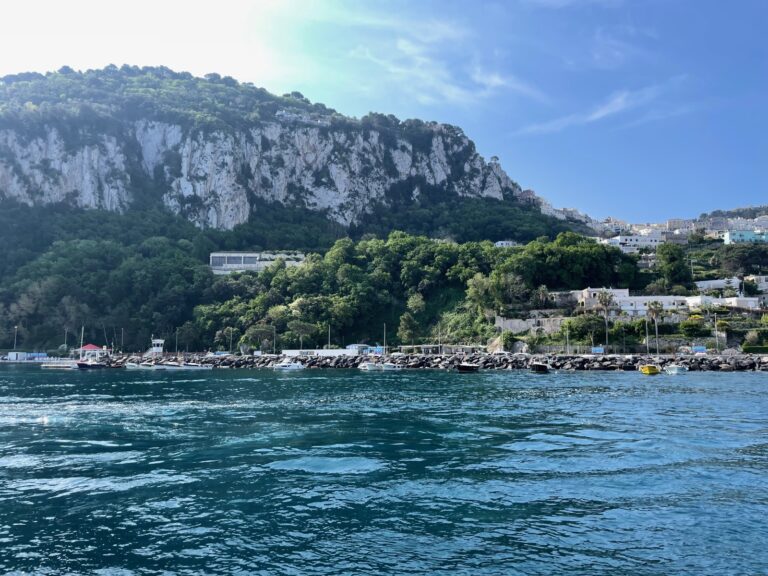
Some coastal businesses close for winter starting mid-to-late October. On the Amalfi Coast, a few restaurants and boat tour operators shut down after October 15. Capri remains open but ferry schedules reduce. Check ahead for any specific activity you are planning. The big cities (Rome, Florence, Venice, Milan) operate year-round with no closures.
Beach swimming is marginal. The Tyrrhenian Sea in October runs about 68-72F (20-22C) in the south — swimmable but not warm. If beach time is your primary goal, stick with September. October is for eating, walking, and sightseeing.
Venice acqua alta (high water) season begins in October. Flooding events are unpredictable but more likely in late October and November. The new MOSE barrier system has reduced major flooding, but minor episodes still happen. Bring waterproof shoes or pack the shoe covers that locals use.
The Itinerary I Would Run
Ten days in October: fly into Milan, train to Alba for two nights of truffle hunting and Barolo wine. Train to Florence for three nights — Uffizi, Tuscan hill towns, bistecca fiorentina. Train to Rome for three nights — Vatican, Trastevere restaurants, Appian Way walk. Optional: add two nights on the Amalfi Coast before flying out of Naples.
Book guided food tours in each city — October means seasonal menus that change from what guides normally show. A truffle hunting experience in Piedmont runs about 80-120 euros and includes a meal with fresh truffles. Worth every cent.
For the full breakdown of what to eat in each Italian region, read my Italy regional food guide. And for getting between cities efficiently, my Italy by train guide covers routes, booking tips, and how to avoid the tourist-trap fast trains.
Affiliate disclosure: This post contains affiliate links at no extra cost to you. SafetyWing, Skyscanner, Airalo, Booking.com, Viator, GetYourGuide.
Real costs, honest reviews, and what I’d do differently — straight to your inbox.
Plan your own trip: guides I actually use
More from this region:
- Best 24-Hour Stopovers Ranked: Istanbul, Singapore, Dubai, Doha, and More
- Every F1 Race I’ve Attended, Ranked by a Fan: 8 Grands Prix From Worst to Best
- Eurail Pass vs Train Tickets vs Budget Flights: Which Actually Saves You Money in Europe
- 12Go vs Rome2Rio vs Bookaway: Booking Southeast Asia Trains, Buses, and Ferries in 2026
- Amalfi Coast vs Capri: Which Should You Visit in 2026?
Cards, lounges & insurance:
- Best Airport Lounges I Have Actually Used — From Changi to Istanbul
- Is Priority Pass Worth It in 2026 — My Honest Review After 15 Airports
- Best Travel Credit Cards for 2026: The Cards I Actually Use and Why
- The 6 Best Travel Insurance Companies for 2026, Compared After 15 International Trips
Finding cheap flights:
- Going vs Dollar Flight Club vs Thrifty Traveler: Which Flight Deal Service Is Worth It in 2026?
- When to Book Flights by Region — The Booking Windows That Actually Save Money
- How to Find Error Fares and Flight Deals — The Services I Actually Use
- Google Flights vs Skyscanner vs Momondo — Which Actually Finds the Cheapest Flights
Travel gear I actually use:

Written by Jenna Fattah
I have visited 25+ countries across 6 continents, attended 7 Formula 1 races, and spent 4 years writing about what actually works and what I would do differently. Every recommendation on this site comes from trips I planned and paid for myself. Read more about me