Balkans Road Trip: Two Weeks from Budapest to Sofia via the Adriatic Coast
The Route Nobody Talks About
We drove two weeks from Budapest to Sofia across seven countries, roughly $1,900 per person before food and daily activities — a fraction of what Western Europe would cost.
In This Post
- The Route Nobody Talks About
- Budapest, Hungary: Thermal Baths and Ruin Bars
- Ljubljana, Slovenia: The Smallest Capital with the Biggest Charm
- Down the Croatian Coast: Zadar, Split, and the Adriatic
- Kotor, Montenegro: The Fjord You Did Not Know Existed
- Dubrovnik, Croatia: Beyond Game of Thrones
- Belgrade and Sofia: The Inland Turn
- What We Spent
- Tips for Planning Your Own Balkans Road Trip
- Related Reading
- What Was Happening When We Were There
- Gear and Guides We Recommend
- Find Flights to Dubrovnik
- Frequently Asked Questions
When people plan a European road trip, they think Amalfi Coast or the autobahn. We picked the Balkans instead and drove two weeks from Budapest to Sofia in August 2022, covering nine cities across seven countries. The route followed the Adriatic coastline south through Croatia and Montenegro, then cut inland through Serbia and Bulgaria. It was the best trip we have ever taken, and almost nobody we talked to back home had done anything like it.
The entire drive cost a fraction of what a Western European road trip would. Gas was cheap, accommodation was half the price of Italy, and the food was some of the best we have eaten anywhere. Here is how we did it, city by city.
Budapest, Hungary: Thermal Baths and Ruin Bars
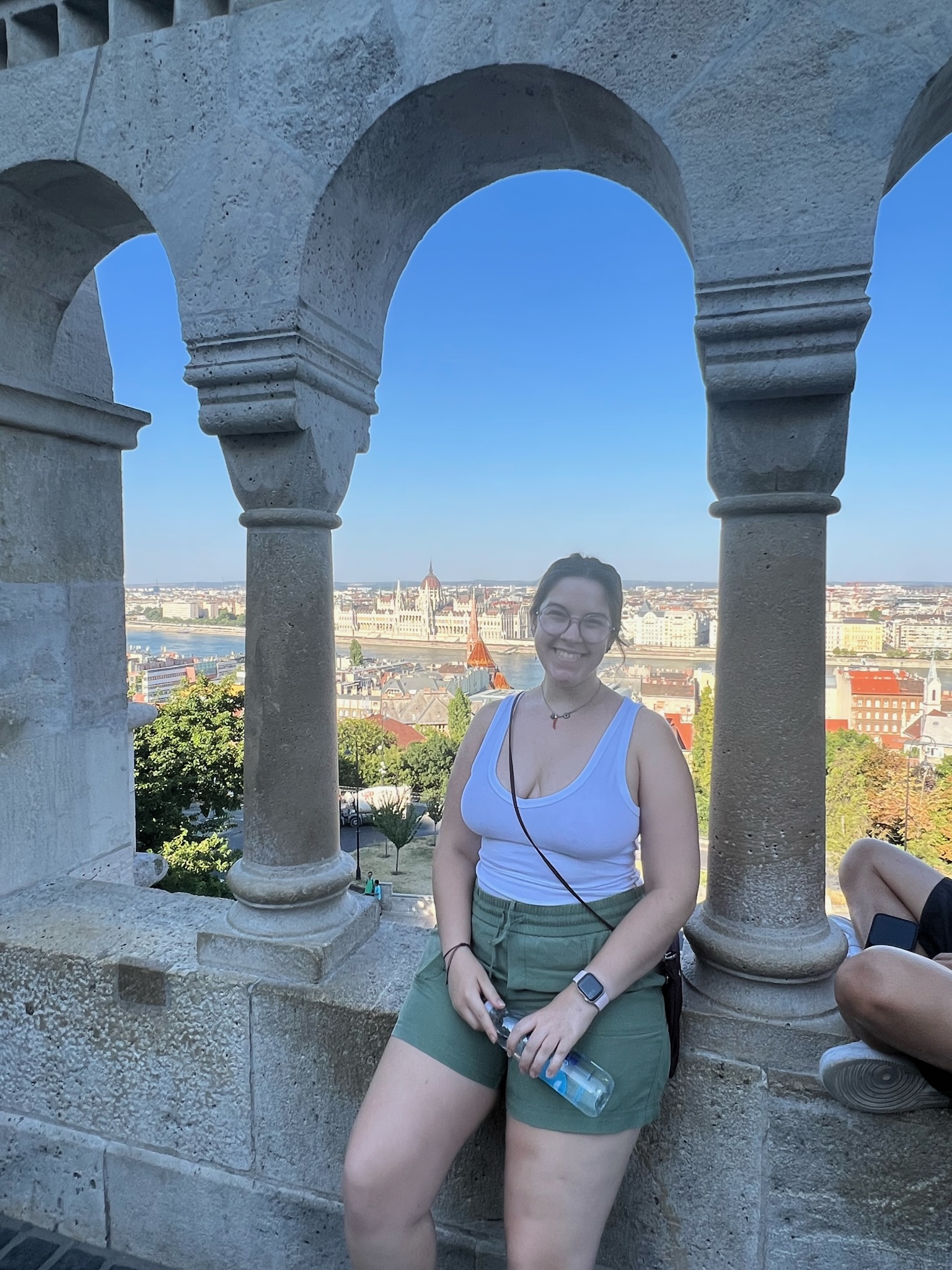
We started in Budapest, which is really two cities divided by the Danube. Buda sits on the hilly west bank with its castle and old fortifications. Pest is flat, loud, and full of energy on the east side. We spent two days here and could have stayed a week.
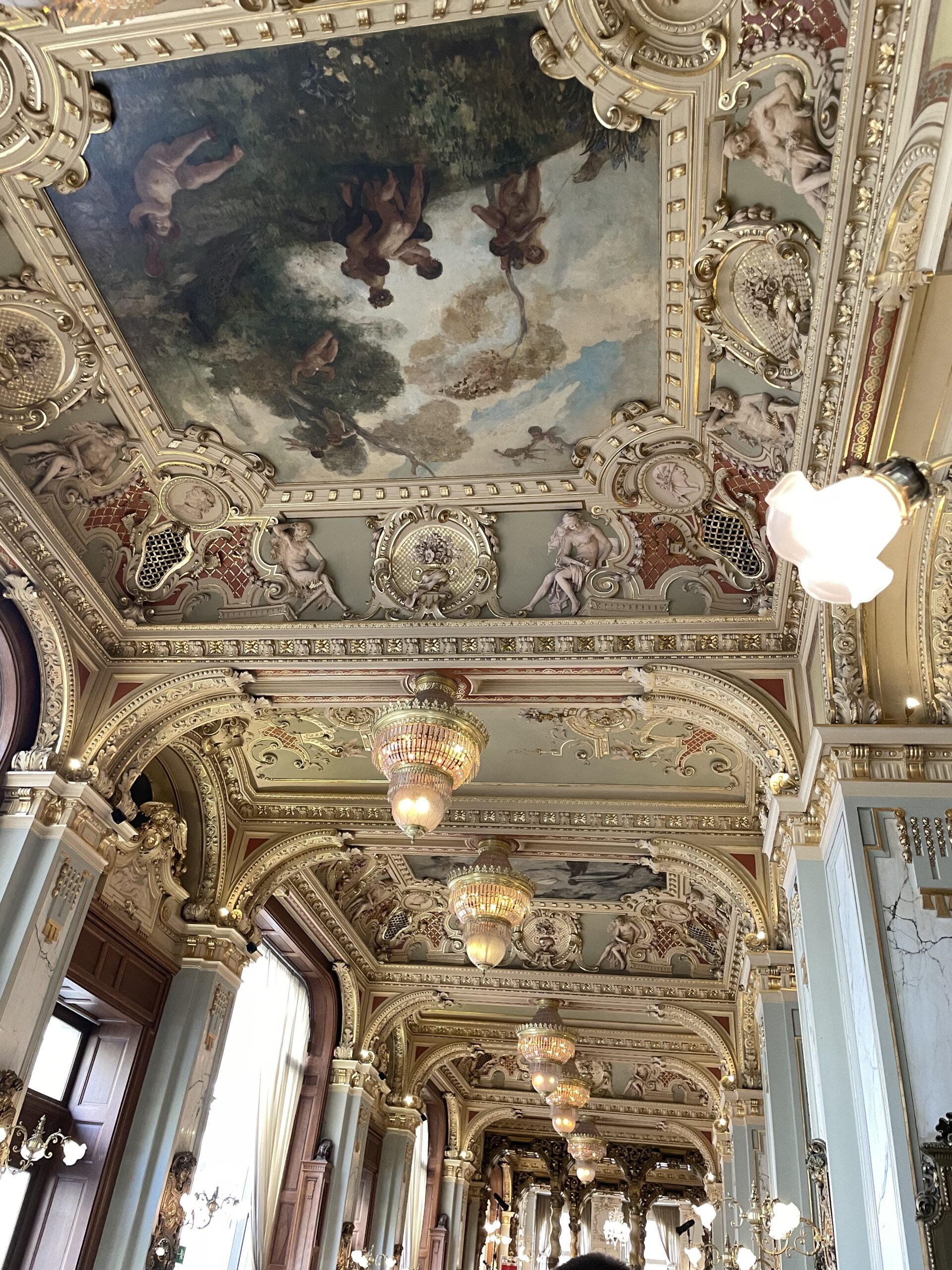
The Szechenyi Thermal Baths are the thing everyone does, and for good reason. The complex dates to 1913 and the outdoor pools stay warm year-round thanks to natural hot springs nearly 1,300 meters underground. Budapest sits on a geological fault line that produces more thermal water than any other capital city in the world. Go early on a weekday and you will have the neo-baroque courtyards almost to yourself.
At night, the ruin bar scene in the old Jewish Quarter is unlike anything else in Europe. These bars are built in abandoned buildings and courtyards, filled with mismatched furniture, neon signs, and art installations. Szimpla Kert is the most famous, but the smaller ones on the side streets are better if you want to actually hear each other talk.
Ljubljana, Slovenia: The Smallest Capital with the Biggest Charm
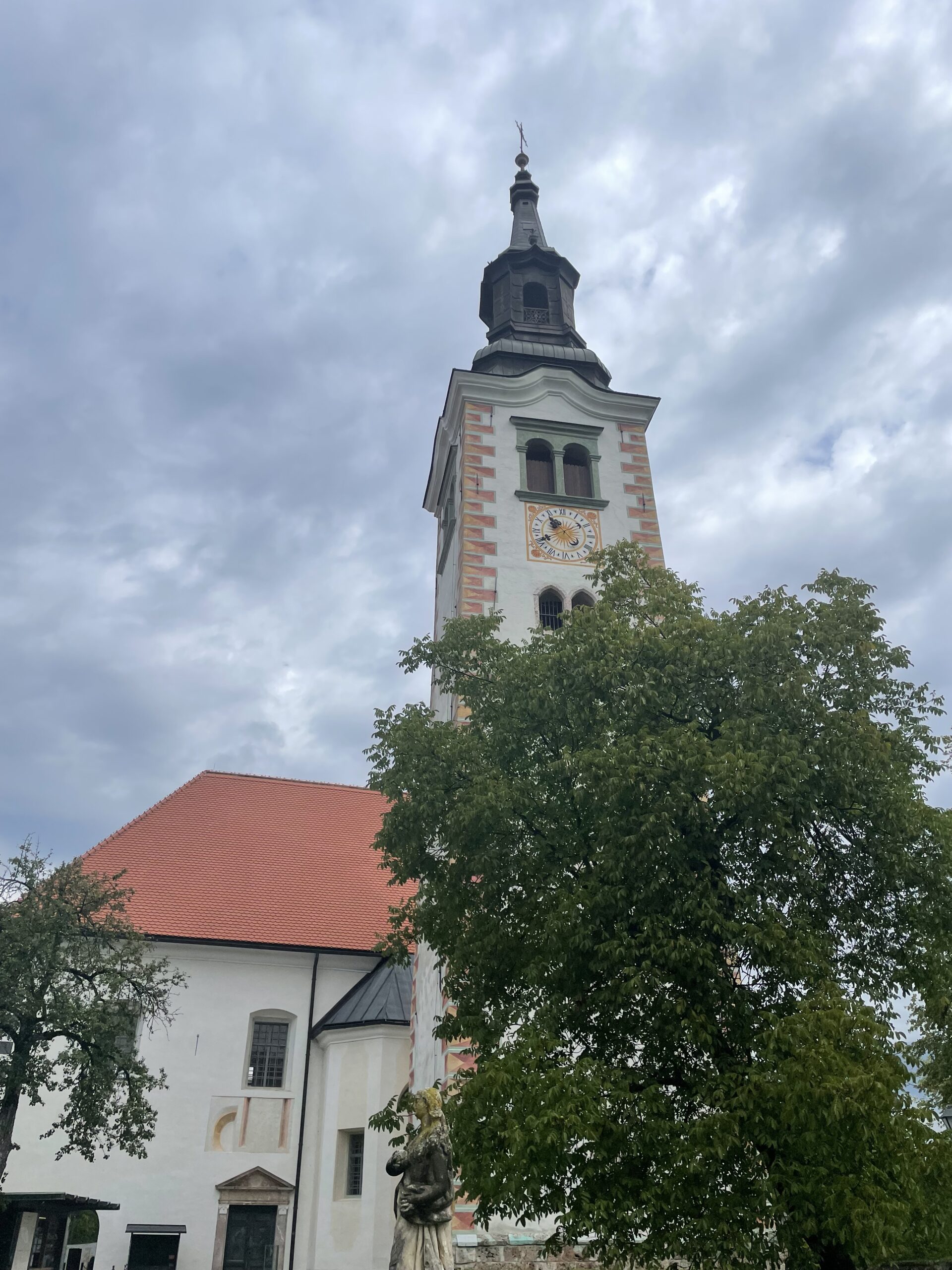
Ljubljana has a population of about 280,000, making it one of the smallest national capitals in Europe. What it lacks in size it makes up for in walkability. The entire city center is pedestrian-only, and the Ljubljana River cuts through the middle with cafes lining both banks.
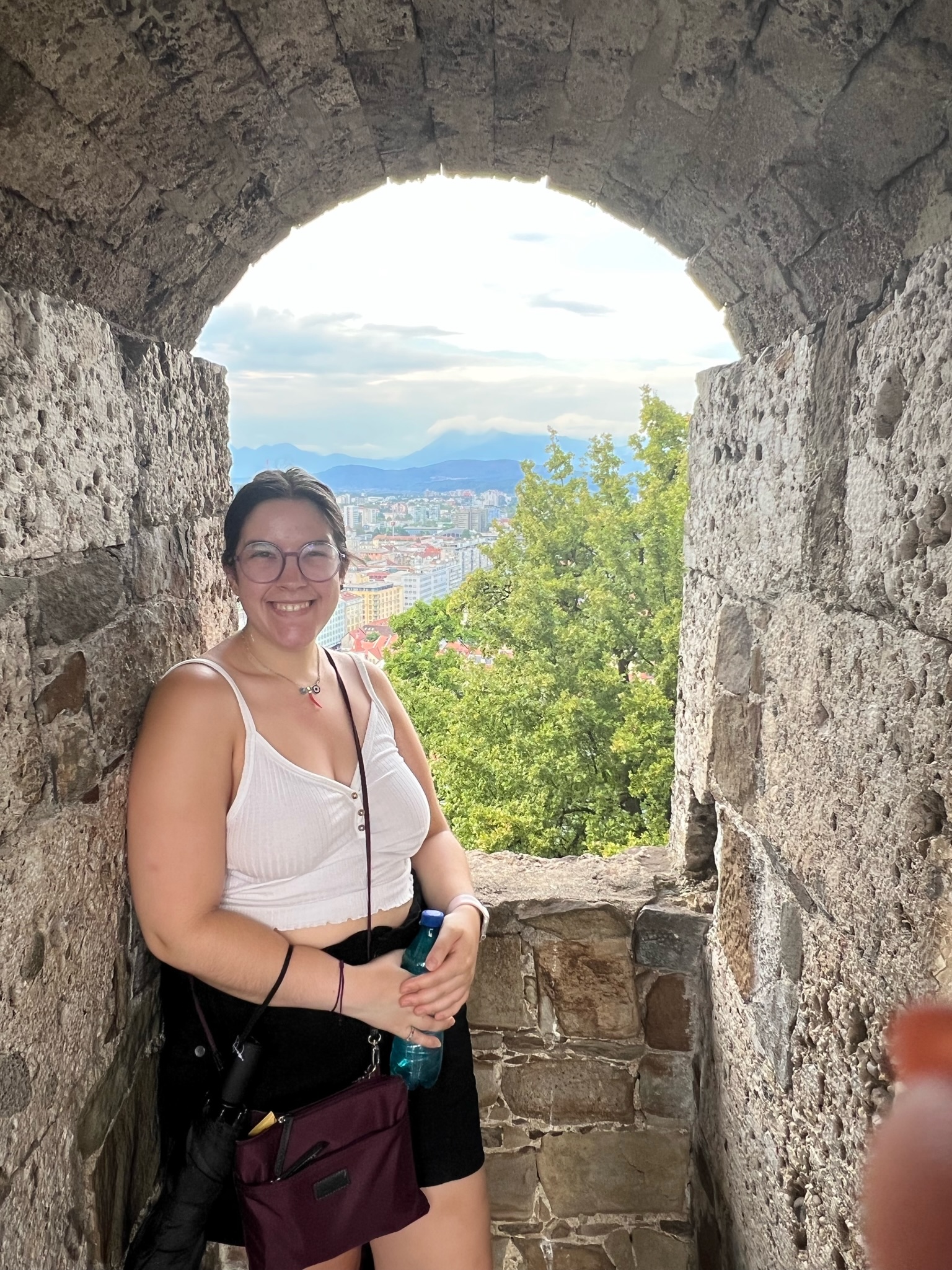
The castle above the old town is connected by a funicular railway, and from the top you can see the Julian Alps in the distance. Slovenia was part of Yugoslavia until 1991, and the ten-day war for independence is still a point of national pride. The country now consistently ranks among the greenest and safest in Europe. Ljubljana was the European Green Capital in 2016, and you can tell. The air feels cleaner, the parks are everywhere, and the recycling infrastructure would make most American cities embarrassed.
Down the Croatian Coast: Zadar, Split, and the Adriatic
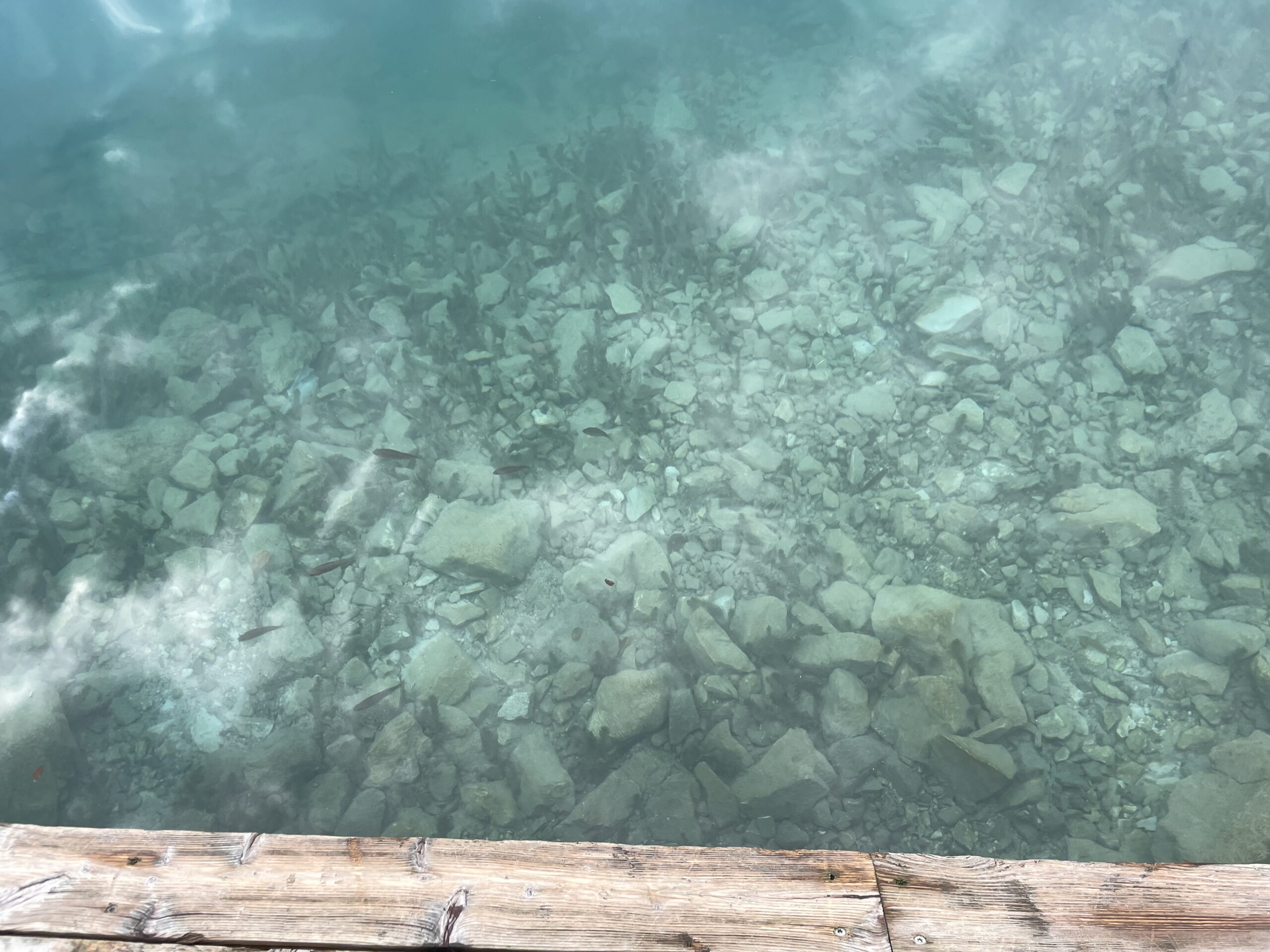
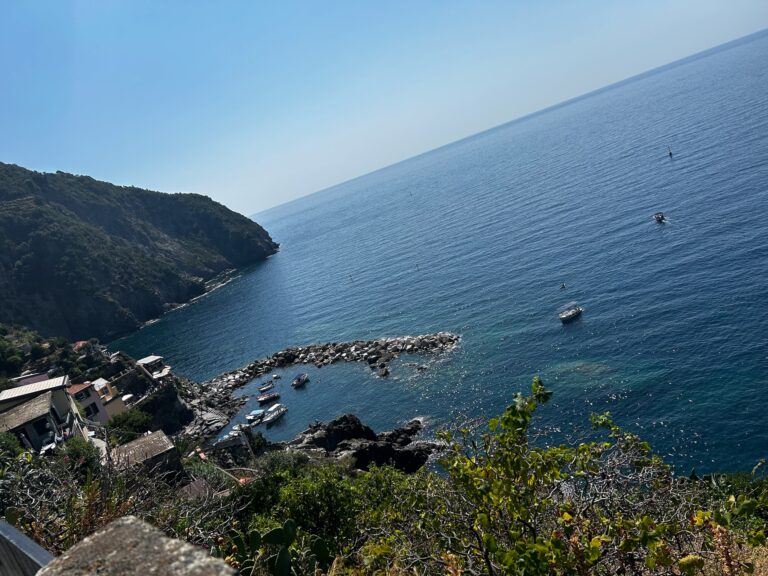
The drive from Slovenia down the Croatian coast is one of the most scenic in Europe. The A1 motorway hugs the mountains and then the road drops down to the coast, and suddenly the Adriatic appears in shades of turquoise that look artificially saturated in photos but are somehow even more vivid in person.
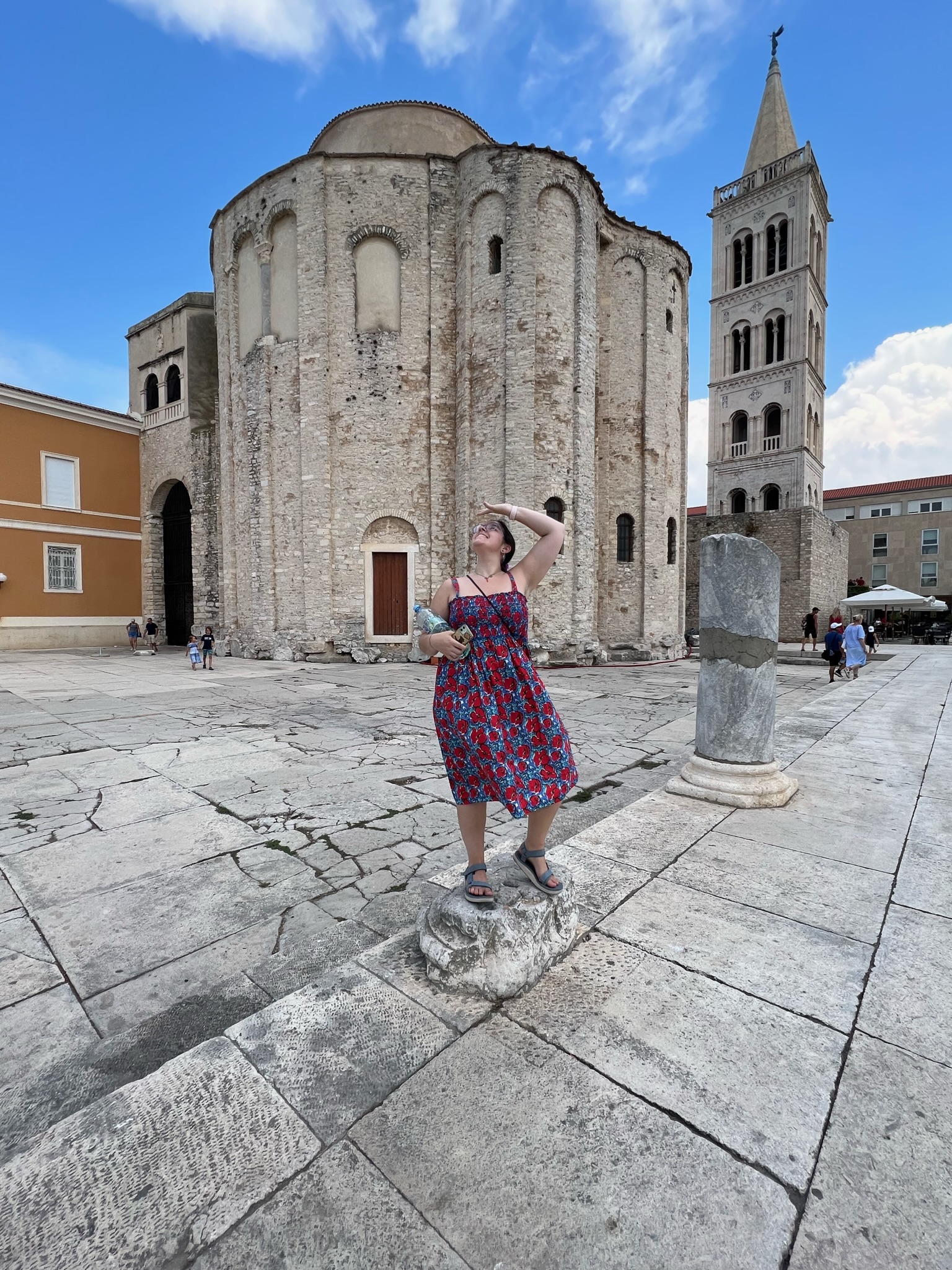
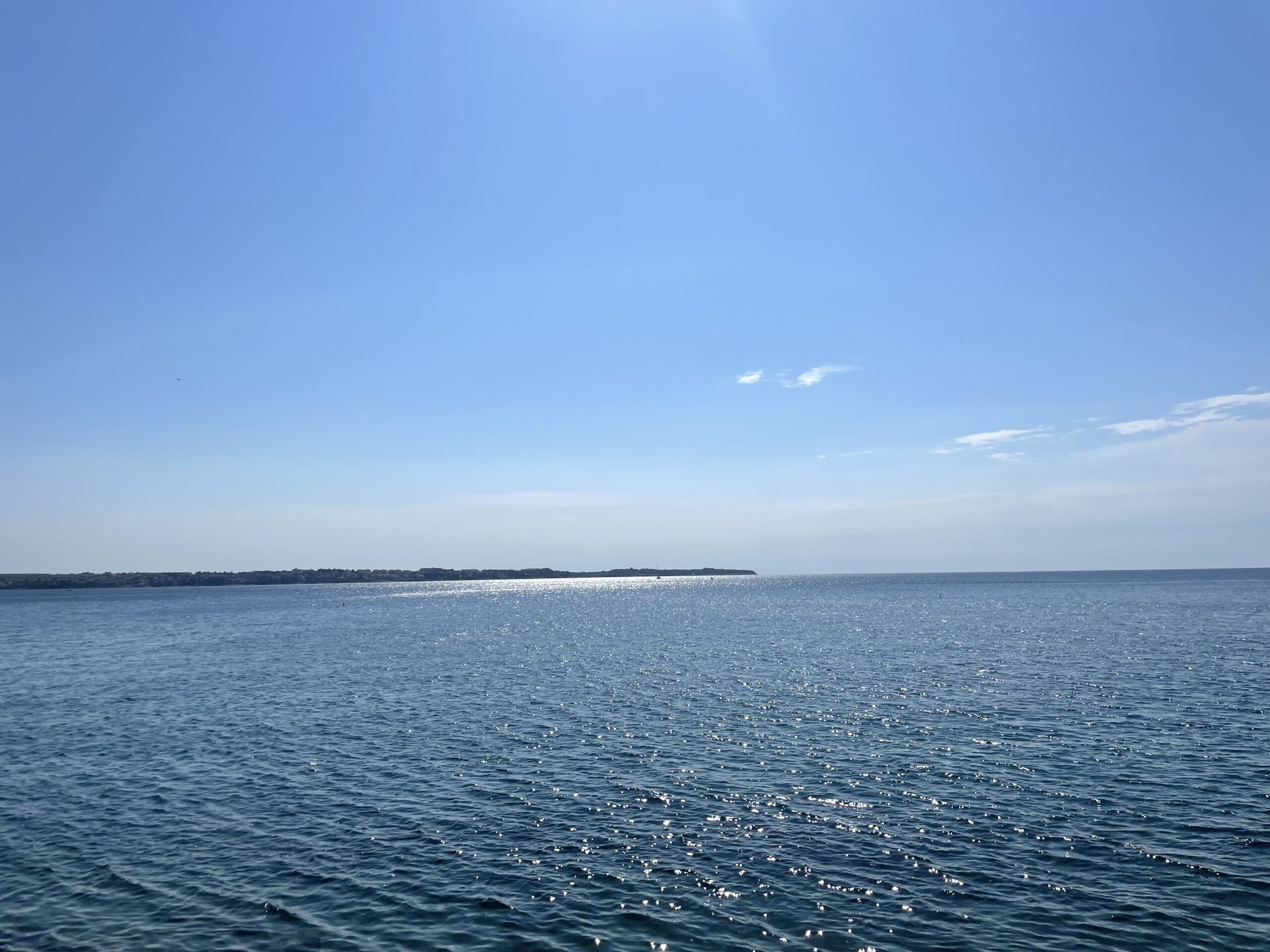
Zadar was our first Croatian stop. It is a small city on a peninsula, and its two most famous attractions are both on the waterfront. The Sea Organ is a set of marble steps with pipes underneath that play music as waves push air through them. The sound is haunting and completely unpredictable. Next to it, the Sun Salutation is a 22-meter circle of solar panels embedded in the ground that light up in patterns after dark, powered entirely by the energy they collected during the day. Both were designed by architect Nikola Basic and both are free.
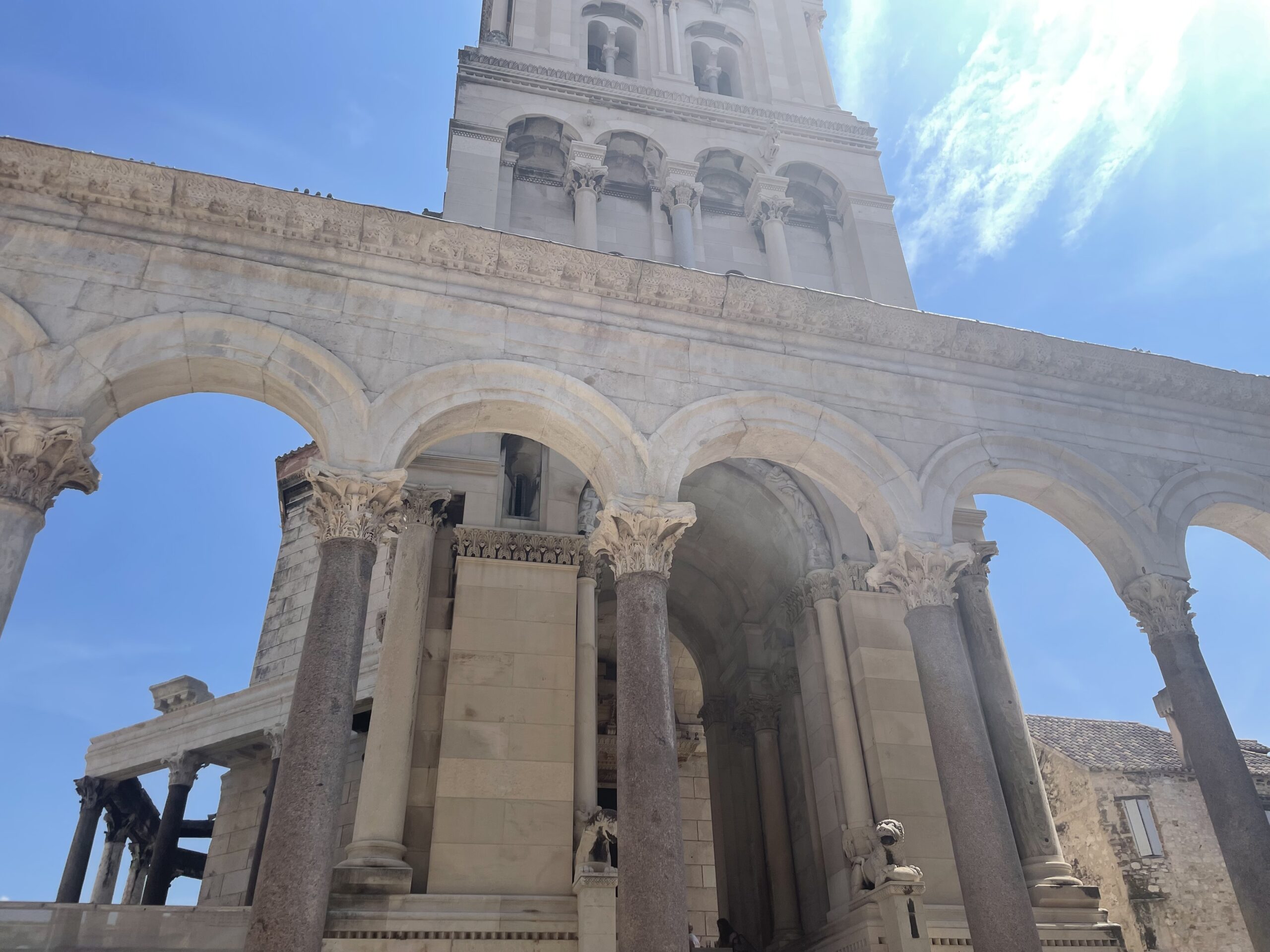
Split is built inside and around the ruins of Diocletian’s Palace, a Roman structure from the fourth century. What makes Split unlike any other ancient site is that it never stopped being used. There are apartments inside the palace walls, restaurants in former Roman chambers, and laundry hanging from windows that are older than most countries. The Cathedral of Saint Domnius was originally Diocletian’s mausoleum. The emperor who persecuted Christians is now buried under a Christian church. History has a sense of humor.
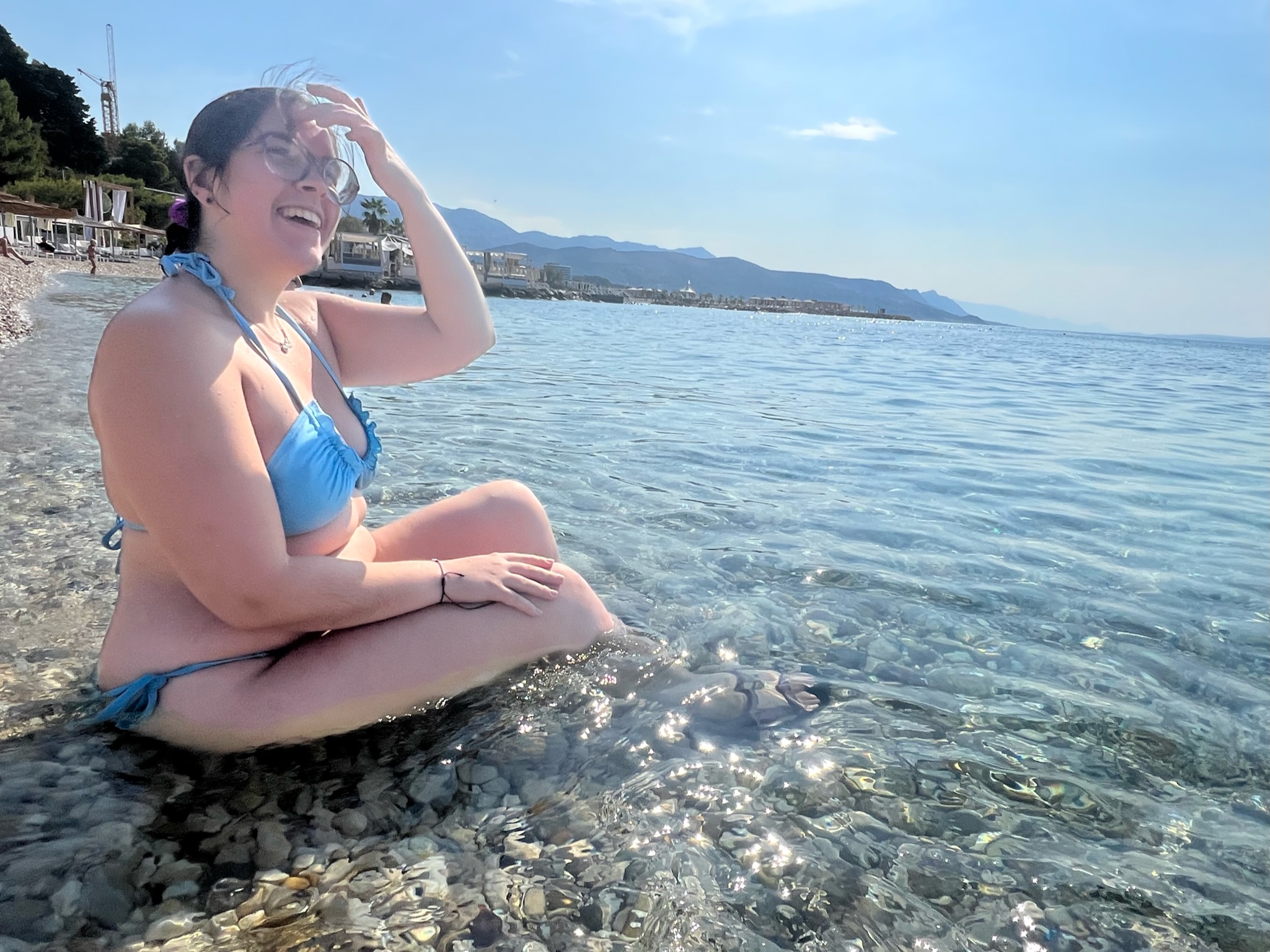
Kotor, Montenegro: The Fjord You Did Not Know Existed
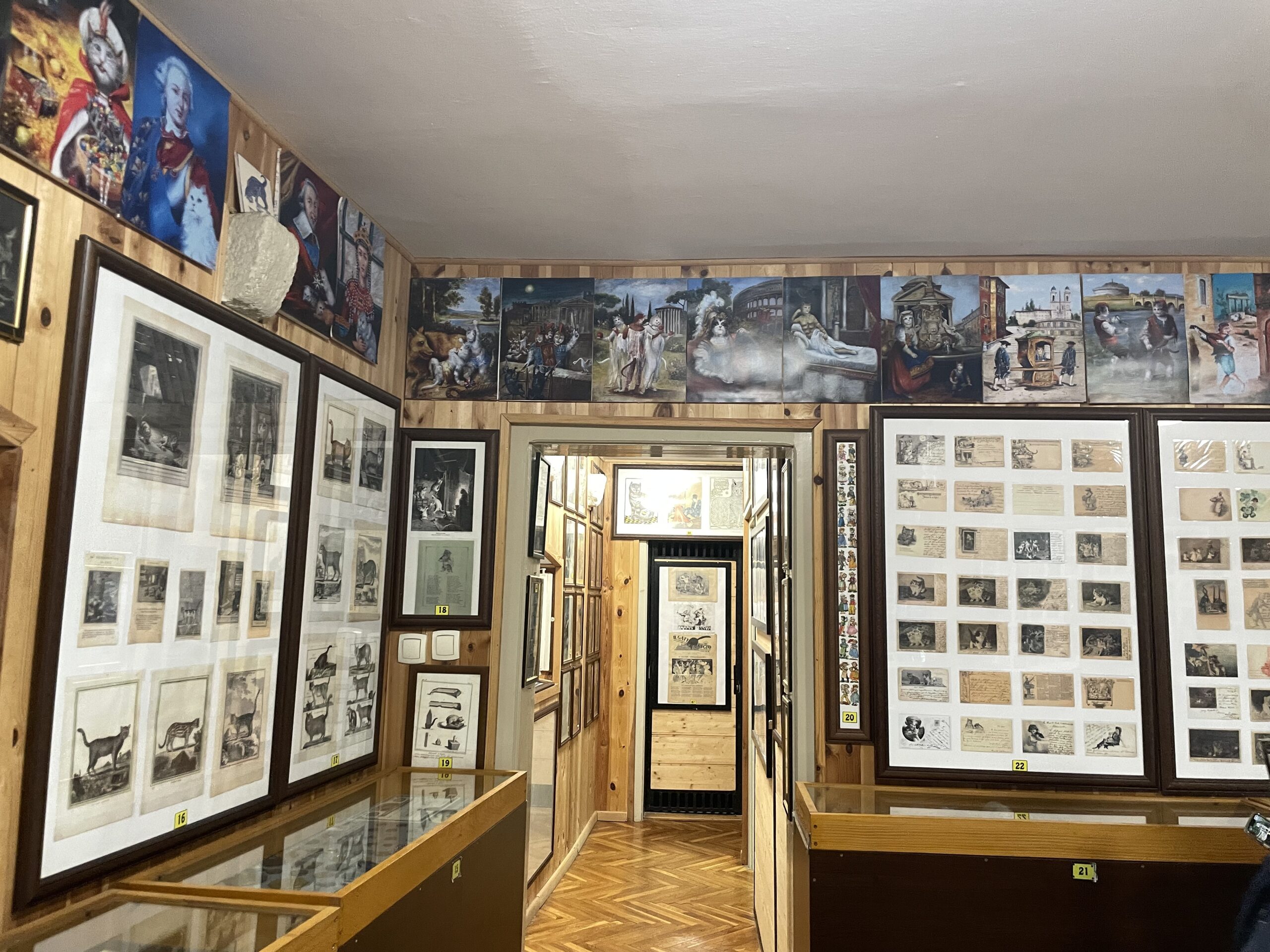
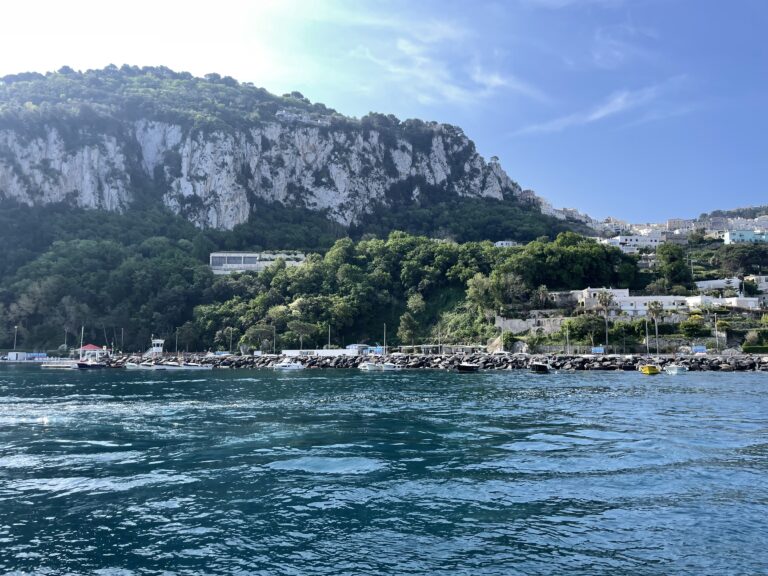
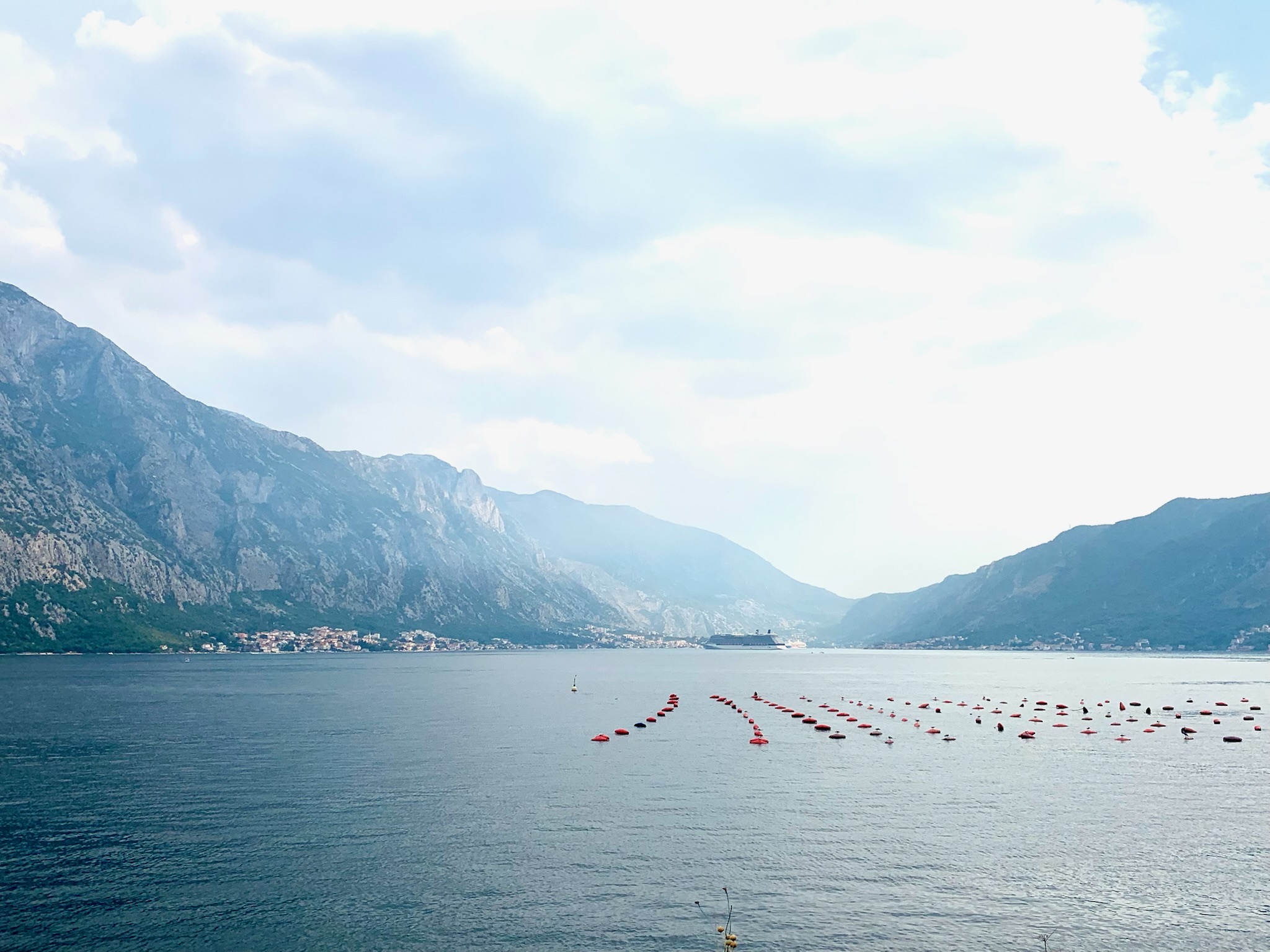
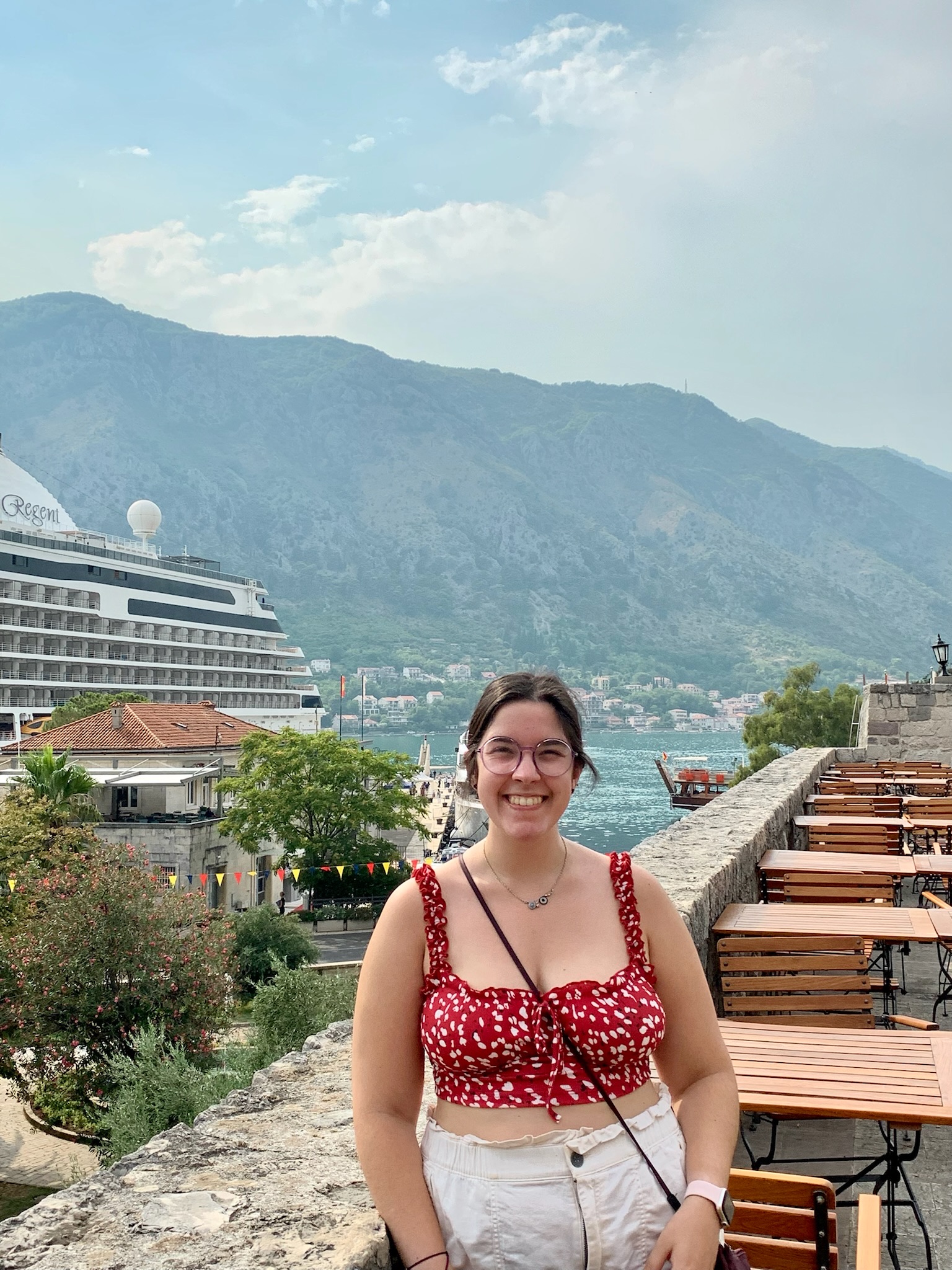
The Bay of Kotor is technically not a fjord but a submerged river canyon, though it looks exactly like the Norwegian fjords. The drive in is dramatic. Mountains rise straight out of the water on both sides, and the road follows the shoreline in tight switchbacks past tiny medieval villages.
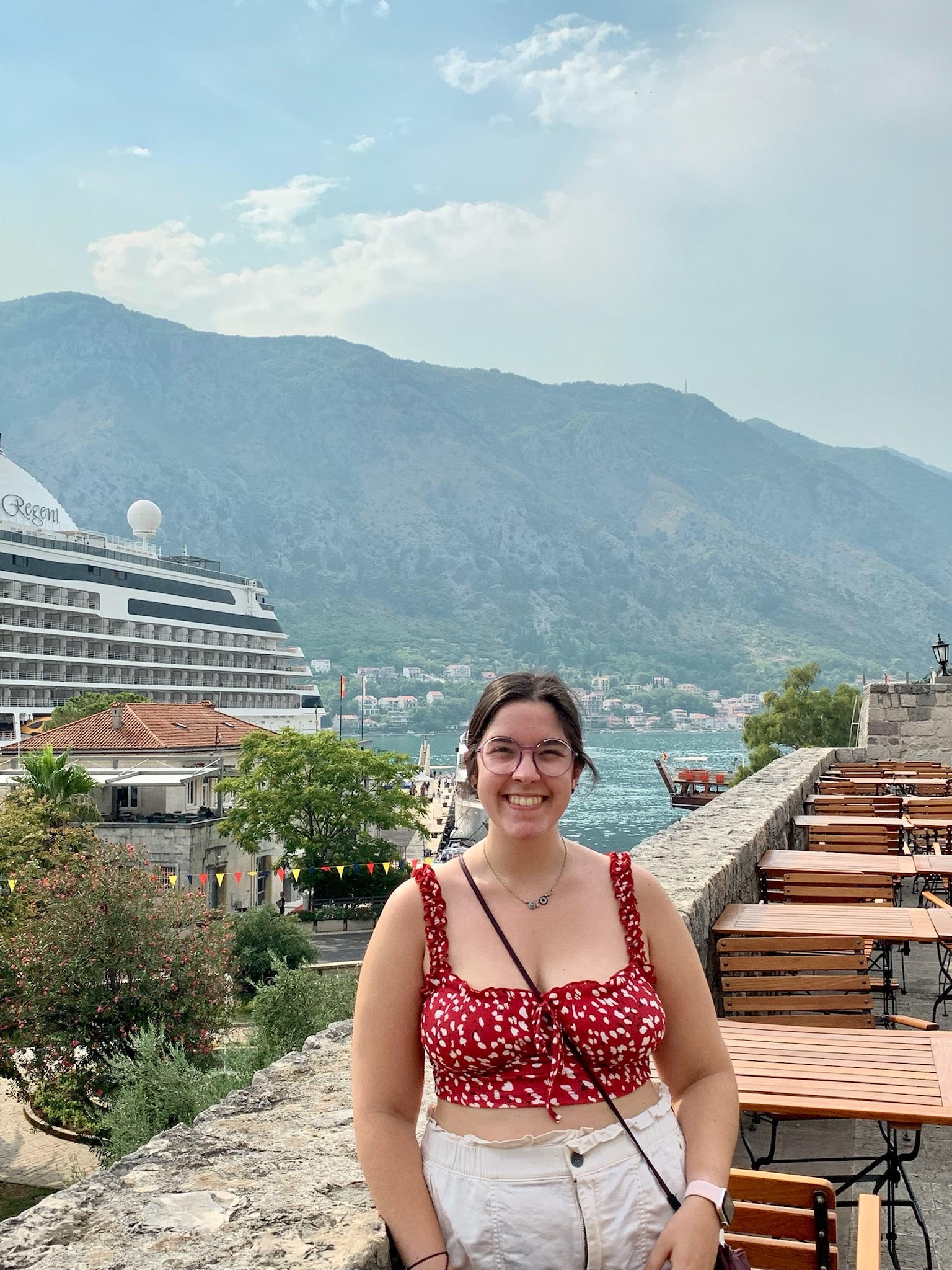
Kotor’s old town is a UNESCO World Heritage site enclosed by fortification walls that climb 1,200 meters up the mountain behind it. The climb to the top takes about 90 minutes and is steep enough that you will question your life choices halfway up, but the view from the fortress at the top is worth every step. Montenegro uses the euro despite not being in the EU, which is one of those quirks that makes the Balkans endlessly interesting.
Dubrovnik, Croatia: Beyond Game of Thrones
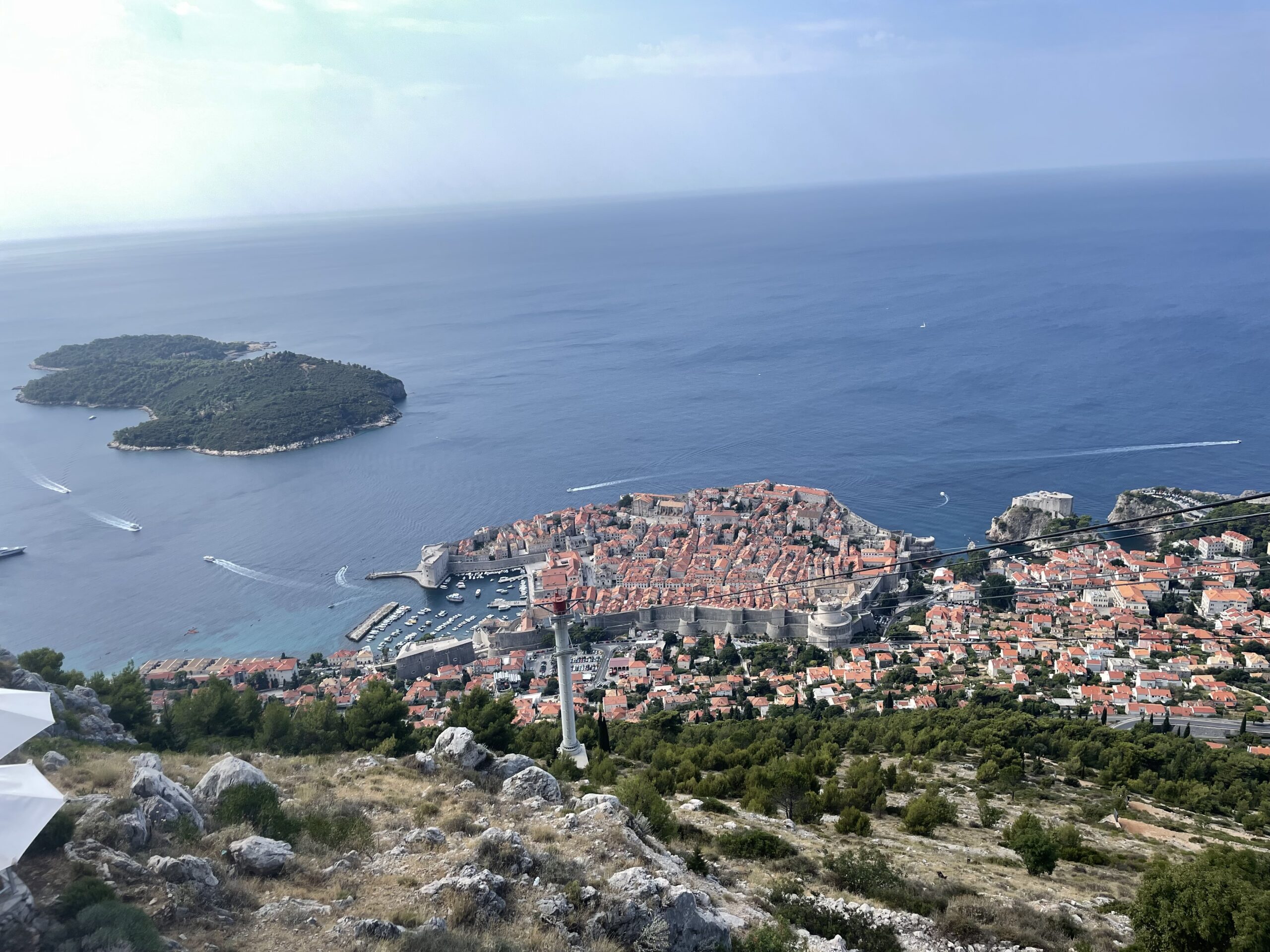
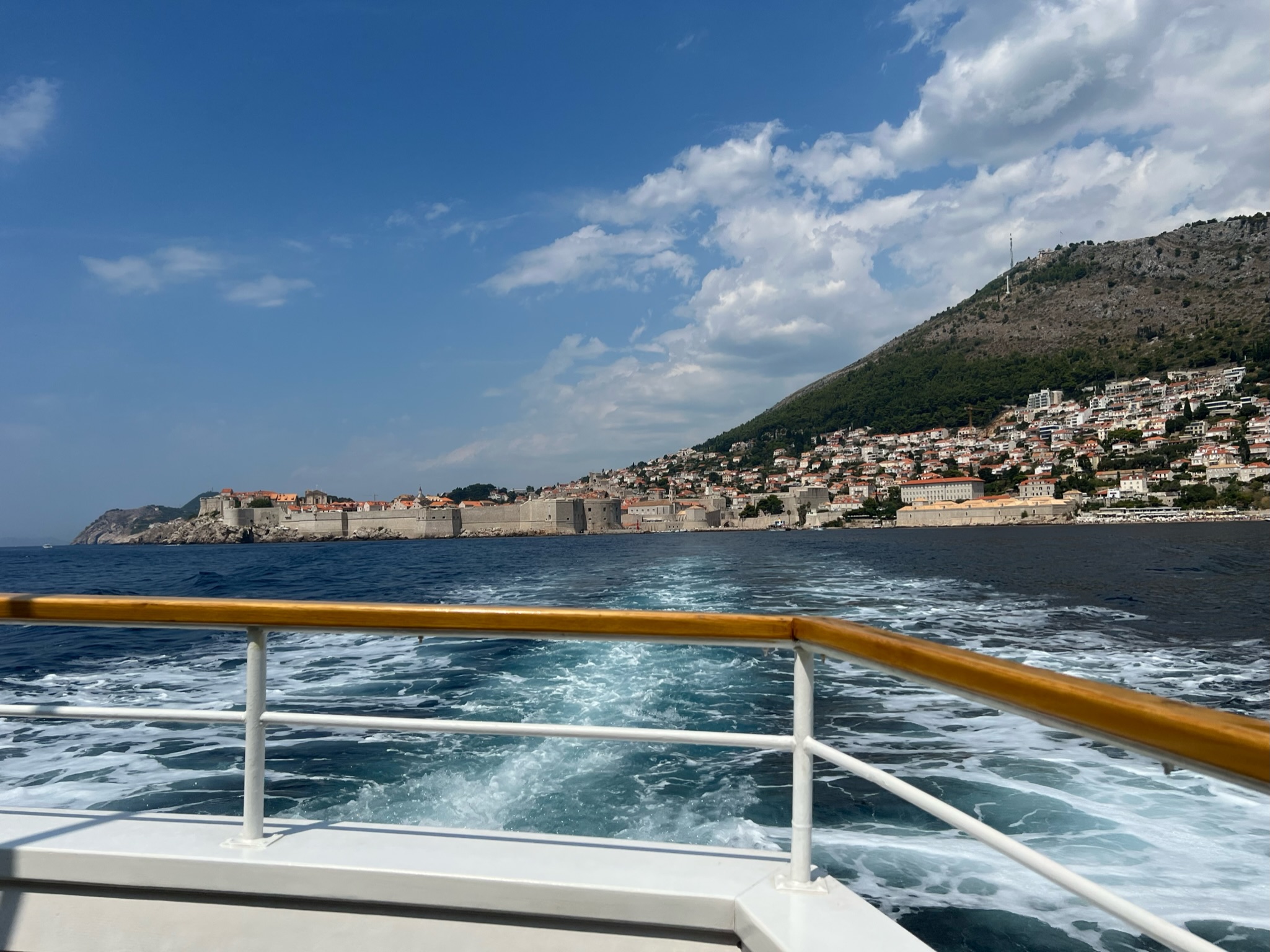
Dubrovnik gets called a Game of Thrones filming location so often that people forget it has been a significant city since the seventh century. The Dubrovnik Republic was an independent maritime state for over 450 years, rivaling Venice in trade and diplomacy. The city walls are nearly two kilometers long and walking the full circuit takes about an hour.
The cable car to Mount Srd gives you the best view of the old town and the coastline. The mountain was a key defensive position during the 1991 siege of Dubrovnik, and there is a small museum at the top documenting the conflict. The Croatian War of Independence is still recent enough that you will meet people who lived through it, and their stories add a depth to the city that no walking tour can match.
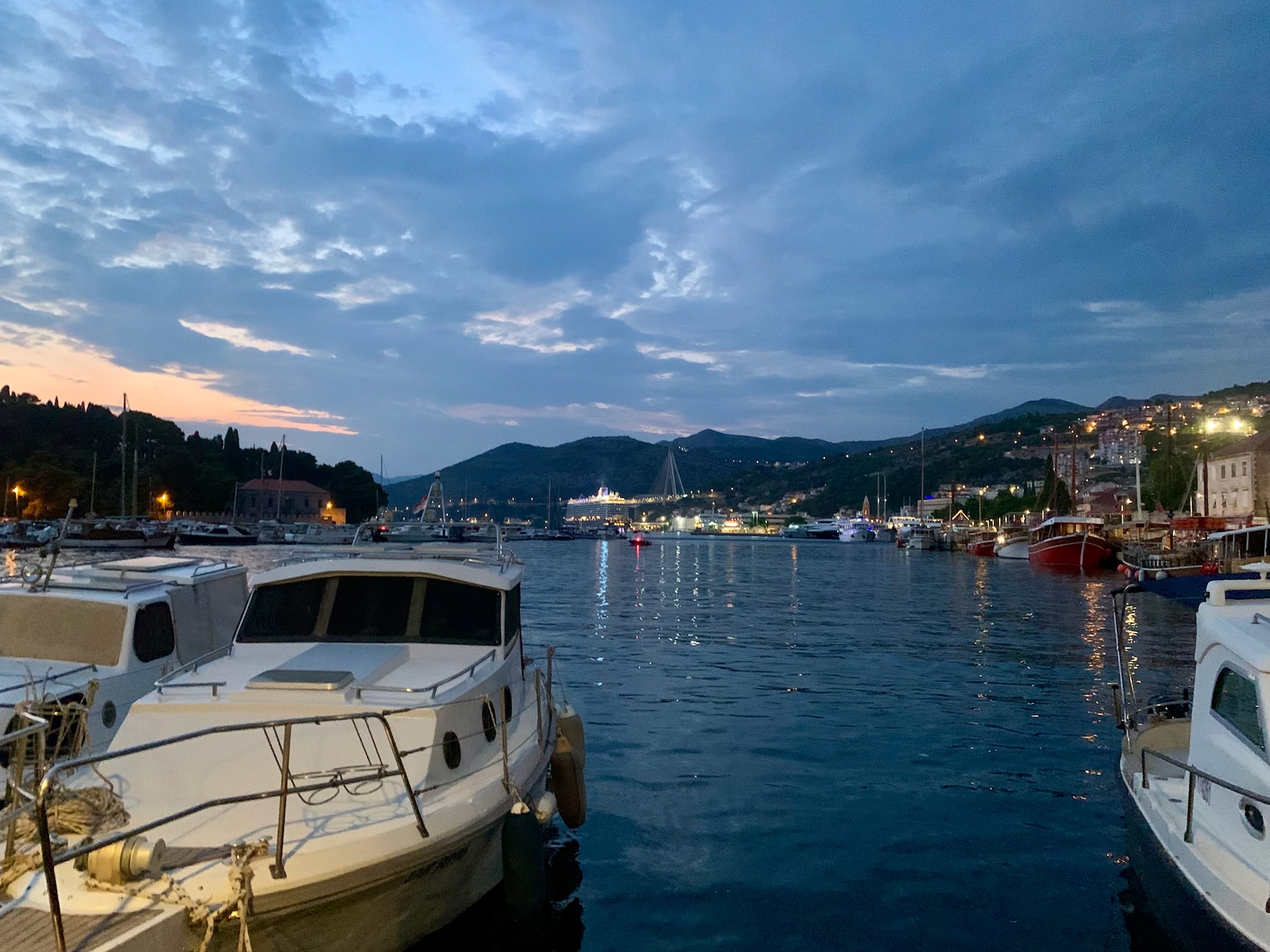
Our biggest tip: stay until sunset. The cruise ships leave by late afternoon, and the old town empties out. The golden hour light on the limestone walls is spectacular, and you can actually walk the Stradun without being in a crowd.


Belgrade and Sofia: The Inland Turn
From Dubrovnik we drove inland through Bosnia briefly and then north to Belgrade, Serbia. The contrast with the polished coastal cities was immediate. Belgrade is raw, loud, and unapologetically itself. The Kalemegdan Fortress sits at the confluence of the Sava and Danube rivers and has been built, destroyed, and rebuilt over 100 times by Romans, Ottomans, Austrians, and Serbs. The nightlife district along the river is built on floating barges called splavovi, and on summer weekends the party runs until sunrise.
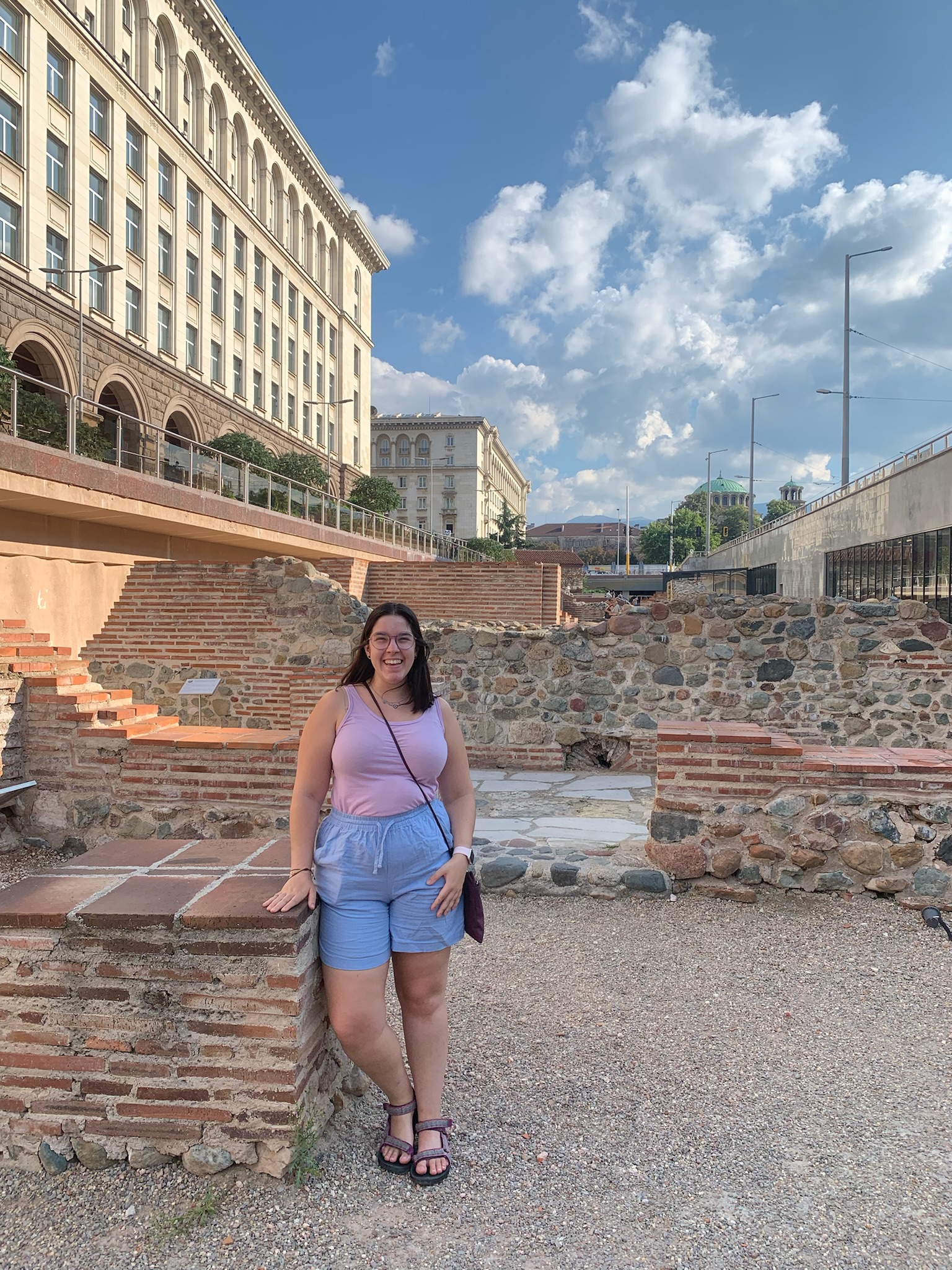
Sofia, Bulgaria, was our final stop. The Alexander Nevsky Cathedral has golden domes that you can see from across the city, and the crypt underneath holds the largest collection of Orthodox icons in southeastern Europe. What surprised us most about Sofia was the food. Bulgarian cuisine borrows from Turkish, Greek, and Slavic traditions, and dishes like shopska salad, banitsa pastry, and slow-roasted lamb are all better and cheaper than their Western European equivalents. A full dinner with wine for two rarely topped 30 euros.
What We Spent
Split three ways, flights ran about $798 per person, lodging worked out to roughly $606 per person across the whole trip, and the rental car added another $472 per person. That is before food and daily activities, which varied a lot by city — call it roughly $1,900 per person for flights, lodging, and the car alone. The biggest savings came from staying in apartments rather than hotels and eating where locals eat rather than in tourist zones. Gas across the Balkans averaged about 30 percent less than Western Europe, and highway tolls were minimal outside of Croatia.
Tips for Planning Your Own Balkans Road Trip
- Vignettes matter. Slovenia requires a highway vignette sticker. Buy one at the border gas station or you will get fined. Croatia and Serbia use traditional toll booths.
- Border crossings take time. Expect 15 to 45 minutes at each border, especially entering the EU from non-EU countries. Have your passport, rental agreement, and green card insurance document ready.
- Book Dubrovnik early. August prices in Dubrovnik are double what they are in May or October. If your dates are flexible, shoulder season is dramatically cheaper and less crowded.
- Cash is king in Serbia and Bulgaria. Many smaller restaurants and shops outside city centers do not accept cards. ATMs are widely available but carry some local currency just in case.
- Drive defensively. Road conditions vary widely. Croatian highways are excellent. Serbian and Bulgarian secondary roads can be rough. Montenegro’s coastal road is beautiful but narrow with blind corners.
- Austria and Germany
Book on GetYourGuide:
Driving and Border Crossings in the Balkans
We rented from Budapest and dropped off in Sofia, which meant a one-way cross-border fee. Budget for this — it adds 100-200 euros depending on the rental company. Green card insurance is mandatory for driving through multiple Balkan countries and your rental agency should provide it, but verify before you leave the lot. We had ours checked at the Montenegro border.
Border crossings ranged from 5 minutes (Hungary to Slovenia) to 45 minutes (Croatia to Montenegro in August). The Croatia-Montenegro crossing at Debeli Brijeg backs up badly in summer — locals told us to cross before 8am or after 8pm. We did not listen and sat in the car for nearly an hour.
Road conditions vary dramatically. Slovenia and Croatia have excellent highways (buy a vignette sticker for Slovenia at the border gas station). Montenegro coastal roads are narrow, winding, and shared with tour buses. Serbia and Bulgaria have stretches of road that would be considered unfinished in Western Europe. Drive defensively and do not plan more than 4-5 hours of driving per day.
Need a rental car? Compare prices on RentCars for the best cross-border deals in Eastern Europe.
Staying Connected Across 7 Countries
An Airalo eSIM with a Europe regional plan is the easiest solution — one eSIM covers all seven countries without swapping SIM cards at each border. Data worked everywhere except a few remote stretches of the Montenegrin coast where even local carriers dropped out.
If you prefer a physical SIM, buy one in the first country and top up as needed — but be aware that some Balkan carriers charge roaming in neighboring countries that are not yet in the EU. Croatia joined the EU in 2013 and uses the euro, but Montenegro, Serbia, and Bulgaria have their own currencies and different mobile networks.
Related Reading
- Every Country on My Balkans Road Trip, Ranked
- Greek Islands Guide: Santorini, Mykonos, and the Underrated Ones
- Istanbul Beyond Kebabs: A Food Guide
- Central Europe by Train: Berlin, Prague, Vienna
What Was Happening When We Were There
We drove through the Balkans in August 2022, and the timing turned out to be more interesting than we planned. Croatia had just adopted the euro on January 1, 2023 — so when we visited, they were still on the kuna. Every restaurant had dual pricing, and locals were stockpiling kunas as collector’s items. If you go now, it is a completely different experience at the cash register.
In Dubrovnik, we walked the walls during peak Game of Thrones tourism — the city had capped the number of cruise ship passengers allowed per day to 4,000 starting that year, down from the 10,000+ that used to flood the old town. The difference was noticeable. Five years earlier, friends told us they could barely move through the Stradun. We had room to breathe.
Montenegro was in the middle of its EU accession negotiations, and you could feel the energy in Kotor — new restaurants opening, construction everywhere, but the old town still felt untouched. The Bay of Kotor had been named one of the most beautiful bays in the world by multiple publications that year, and tour operators were just starting to build it into itineraries. If you go now, expect more crowds.
Belgrade was having a craft beer moment. The Savamala district, which had been a derelict warehouse area until about 2015, was fully transformed by 2022 into the nightlife and art hub of the city. We stumbled into a gallery opening in a former customs warehouse — free wine, local artists, and not a single tourist.
The drive through Serbia to Sofia took us past the Nis fortress, which had just completed a major restoration project. The Roman and Ottoman layers were more visible than they had been in decades. Sofia itself was gearing up for what locals hoped would be Schengen Zone entry (still pending as of 2026 — the politics of European borders move slowly).
Tours Worth Booking
If you’re planning a similar trip, these are tours I’d recommend looking into:
- Dubrovnik Old Town Walking Tour
- Game of Thrones Walking Tour
- Kravice Waterfalls, Mostar & Pocitelj Day Trip
Gear and Guides We Recommend
These are affiliate links. If you buy through them, we earn a small commission at no extra cost to you. It helps keep this site running.
- Lonely Planet Western Balkans – The best overall guidebook for this region.
- Osprey Farpoint 40 Travel Backpack – Fits carry-on and works as a day bag when you unpack.
- Anker Nano Power Bank – Essential for long driving days and photo-heavy sightseeing.
- eSIM International Data – Worked across all seven countries without swapping physical SIM cards.
- Bose QuietComfort Earbuds – Noise-canceling for long drives and overnight buses.
Find Flights to Dubrovnik
Cheapest Flights to Dubrovnik
| Departure at | Return at | Stops | Airline | Find tickets |
|---|---|---|---|---|
| Flexible | Flexible | Direct |  |
Check current fares |
Compare flights on Skyscanner — and grab an Airalo eSIM before you land so you have data the moment you arrive.
Frequently Asked Questions
Is a Balkans road trip safe?
Yes. We drove through Hungary, Slovenia, Croatia, Montenegro, Bosnia, Serbia, and Bulgaria without any safety issues. The roads are well-maintained, gas is cheap, and people are welcoming.
How much does a Balkans road trip cost?
Split three ways, we spent roughly $1,900 per person on flights, lodging, and the rental car alone, before food and daily activities. That is a fraction of what the same trip through Western Europe would cost.
What is the best route for a Balkans road trip?
Budapest to Sofia via the Adriatic coast. Hit Ljubljana, Croatian coast (Zadar, Split, Dubrovnik), Kotor in Montenegro, then cut inland through Sarajevo and Belgrade to Sofia.
Do you need a visa for a Balkans road trip?
US and EU passport holders do not need visas for any of the countries on this route (Hungary, Slovenia, Croatia, Montenegro, Serbia, Bulgaria). Croatia is in the EU and Schengen area. Montenegro and Serbia allow visa-free stays up to 90 days. Just bring your passport — no advance paperwork required.
What currency do they use in the Balkans?
It changes at almost every border. Hungary uses the forint, Slovenia and Croatia use the euro, Montenegro uses the euro (despite not being in the EU), Serbia uses the dinar, and Bulgaria uses the lev. ATMs are everywhere and give better exchange rates than currency exchange booths. Avoid exchanging money at border crossings — the rates are terrible.
How long do you need for a Balkans road trip?
Two weeks is the minimum for the Budapest-to-Sofia route if you want to actually enjoy each stop. We spent 2-3 nights in each major city and it felt slightly rushed. Three weeks would be ideal, especially if you want beach time on the Croatian or Montenegrin coast. Do not try to do it in 10 days — you will spend more time driving than exploring.
Travel Insurance: We use SafetyWing for travel insurance on every international trip. It covers medical emergencies, trip interruptions, and lost luggage starting at $45/month with no fixed end date — perfect for multi-country itineraries.
Rental Cars: Compare rental car prices across all major agencies with RentCars — we use them to find the cheapest rates for road trips.
Need a rental car? Compare prices on RentCars for the best deals in Croatia.
Book activities: Browse activities on Klook
Book hotels: Search Booking.com hotels
Get Travel Tips That Actually Help
Real costs, honest reviews, and what I’d do differently — delivered to your inbox.
No spam. Unsubscribe anytime.
Compare Europe transport: Search trains, buses, and flights on Omio — one search across operators saves time vs checking each national rail site.
Related: Istanbul Beyond Kebabs | Rome in 4 Days | Austria and Germany 2025 | Italy by Train
Plan your own trip: guides I actually use
Related guides:
- Tokyo vs Kyoto vs Osaka: How to Split Your Days in Japan (2026)
- The Adriatic Coast: Zadar, Split, Dubrovnik, and a Day Trip to Kotor
- What I’d Do Differently: Balkans Edition
Written by Jenna Fattah
I have visited 25+ countries across 6 continents, attended 7 Formula 1 races, and spent 4 years writing about what actually works and what I would do differently. Every recommendation on this site comes from trips I planned and paid for myself. Read more about me