
Paris vs London vs Rome vs Tokyo vs Mexico City: The Best City Trip for Your Budget
Tokyo is the best city trip in the world, Rome is the most overrated, and Paris is only worth it if you avoid every tourist trap on the first two pages of Google.
Updated April 2026 | 7 min read
TL;DR — Quick picks
- Best overall city trip: Tokyo — cleanest, most functional, best food value
- Best for first-timers to Europe: London — most walkable, English-speaking, incredible museums
- Best food city: Mexico City — better than Paris at a fraction of the cost
- Most overrated: Rome — incredible history, terrible logistics and tourist traps
In This Post
This isn’t a ranking. All five deserve to be on anyone’s travel list. But they’re not interchangeable, and the differences matter when you’re deciding where to spend limited vacation days and budget.
The Comparison Table
| Category | Paris | London | Rome | Tokyo | Mexico City |
|---|---|---|---|---|---|
| Daily Budget (USD) | $110–$170 | $130–$200 | $100–$150 | $80–$120 | $50–$80 |
| Best Neighborhood to Stay | Le Marais (3rd/4th arr.) | Shoreditch or South Bank | Trastevere or Prati | Shinjuku or Asakusa | Roma or Condesa |
| Must-Eat Dish | Steak tartare at a zinc bar bistro | Proper Sunday roast | Cacio e pepe at a neighborhood trattoria | Ramen at a standing counter in Shinjuku | Tacos al pastor from a street taqueria |
| Top Museum | Musee d’Orsay | British Museum or V&A | Borghese Gallery | Tokyo National Museum | Museo Nacional de Antropologia |
| Walking Score | 5/5 | 4/5 | 5/5 | 4/5 | 3/5 (neighborhood-dependent) |
| Public Transit | 5/5 (Metro, comprehensive) | 5/5 (Tube + buses + Elizabeth line) | 3/5 (Metro limited; best on foot) | 5/5 (best transit system in the world) | 4/5 (Metro cheap and efficient) |
| Safety | 4/5 (pickpockets at Eiffel Tower area) | 5/5 | 4/5 (pickpockets at Colosseum) | 5/5 | 3/5 (stick to tourist neighborhoods) |
| Best Season | Apr–Jun, Sep–Oct | May–Jun, Sep | Apr–Jun, Sep–Oct | Mar–Apr, Oct–Nov | Nov–Apr (dry season) |
Paris: Still the Standard
What It Actually Costs
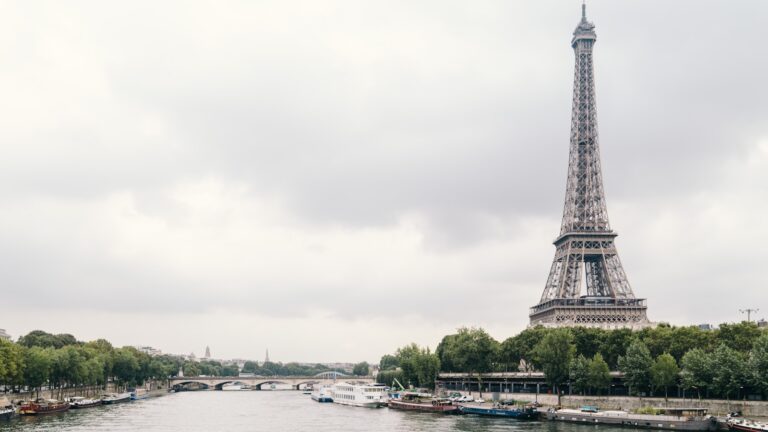
Paris gets mocked for being overrated because it’s the most famous city in the world and people arrive with enormous expectations and then get scammed at a cafe near the Eiffel Tower. None of that has anything to do with whether Paris is a good city to visit. It is, emphatically, one of the best.
Where to Eat
The reason is density: within a walkable radius you have world-class museums, the best bakeries on earth, markets, grand boulevards, neighborhood bistros with zinc bars and chalkboard menus, and architecture that has been obsessively maintained for two centuries. The Louvre is overwhelming and worth pushing through anyway. The Musee d’Orsay is the best single art museum on this list — the Impressionist collection is staggering and the building (a converted Beaux-Arts train station) is worth the visit on its own.
What to Skip
Stay in Le Marais (3rd or 4th arrondissement): central, walkable to both the Right and Left Banks, excellent food options, and less tourist-saturated than Saint-Germain. Eat at places with handwritten menus and no photos on the menu. Lunch at a brasserie is almost always better value than dinner — you can get a three-course prix fixe at a serious restaurant for $20–$25 at midday. Read the Paris guide for neighborhood specifics and where to eat without getting ripped off.
Best for: Art and architecture obsessives, food lovers, first-time Europe visitors who want the iconic experience done properly.
London: More Expensive, More Varied
What It Actually Costs
London is the most expensive city on this list by a meaningful margin, and it’s still worth it. The city has transformed its food scene over the past 15 years — the cliche of bad British food is completely outdated. Borough Market alone justifies a day. The curry houses in Brick Lane, the dim sum in Chinatown, the West African restaurants in Peckham, the Basque pintxos bars in Bermondsey — London now has one of the most diverse, high-quality food scenes in Europe.
Where to Eat
The museums are free. That’s worth repeating: the British Museum, Natural History Museum, V&A, Tate Modern, National Gallery, and Science Museum all have free general admission. That’s a week of world-class cultural content at zero cost, which helps offset the hotel and food prices. The neighborhoods worth staying in — Shoreditch for creative/food culture, South Bank for proximity to museums and river walks — are both outside the hotel-heavy tourist center and 20–30% cheaper for accommodation.
What to Skip
The Elizabeth line (opened 2022) transformed getting around — Heathrow to central London is now 40 minutes and £12.80, faster and cheaper than the Heathrow Express. The Tube is expensive if you’re using it multiple times a day; get an Oyster card and tap in and out to get the daily cap. Full guide at the London post.
Best for: People who want diversity — food, culture, neighborhoods, night life — and don’t mind paying for it. Also good as a base for day trips to the English countryside.
Rome: The City That Doesn’t Care About You
What It Actually Costs
Rome operates on its own schedule and doesn’t make concessions for tourists, which is either frustrating or refreshing depending on your temperament. Museums have limited hours. Restaurants close between lunch and dinner. The Metro is limited to two main lines and most things are better reached on foot. None of this is a problem once you stop expecting Rome to work like a city designed for efficiency and start treating it as a city designed for living.
Where to Eat
The density of history is unreal — you’ll be walking to lunch and pass a section of the Aurelian Wall from 275 AD that’s just sitting there in a piazza with no sign, no admission fee, no tourist infrastructure around it. The Borghese Gallery is the best museum experience on this list — small, reservations required, extraordinary collection of Bernini sculptures in their original palatial setting. Book weeks in advance.
What to Skip
Stay in Trastevere (south of center: cobblestones, wine bars, local feel, 10-minute walk to everything) or Prati (north of the Vatican: quieter, slightly cheaper, excellent food street on Via Cola di Rienzo). Skip the restaurants directly adjacent to the Colosseum and the Trevi Fountain — they know they have a captive audience. The best cacio e pepe you’ll have in Rome will cost €11 and be at a neighborhood trattoria with no English menu. Read the full Rome guide for street-level specifics.
Best for: History lovers, people who want to eat their way through a city, walkers. Not good for people who need a highly organized, efficient trip.
Tokyo: The Most Functional City on Earth
What It Actually Costs
Tokyo is the only city on this list where I have never once been frustrated by the infrastructure. The trains run on time to the second. The convenience stores (7-Eleven, Lawson, FamilyMart) sell food that is better than most sit-down restaurants in other cities. The streets are clean. People queue for everything. It’s disorienting at first and then you realize you’ve adjusted your expectations of what a city can be.
Where to Eat
The food requires a separate essay. Tokyo has more Michelin stars than any other city in the world, but the more relevant fact is that a bowl of ramen at a 10-seat counter in Shinjuku — $12, standing, served in 3 minutes, eaten in 8 — will be among the best meals of your life. Sushi at a conveyor belt restaurant in Tsukiji outer market costs $15–$25 and is better than $80 sushi at a “Japanese restaurant” anywhere in the US. Yakitori under the Yurakucho train tracks at 6pm, sake from a vending machine in a side alley, tempura at a counter in Asakusa — the city is a food delivery system designed to make you happy.
What to Skip
Shinjuku is the right neighborhood base for first-timers: central, every train line connects there, and the eating and drinking in the back alleys (Omoide Yokocho, Kabukicho if you want the chaos) is dense and cheap. The Japan guide covers Tokyo in depth along with day trip logistics to Kyoto and Nikko.
Best for: Anyone who wants their assumptions about how a city works completely reset. Best for people who care about food, efficiency, and detail. One of the best first-time Asia trips available.
Mexico City: The Underrated Best Value
What It Actually Costs
Mexico City doesn’t get the respect it deserves from the US travel market, probably because it’s perceived as unsafe and people conflate “Mexico” as a category without differentiating between tourist beach towns and the actual capital city of 22 million people. CDMX is a sophisticated, culturally deep, food-obsessed city with world-class museums, serious contemporary art scenes, and street food that has been on every serious food list for the past decade.
Where to Eat
The Museo Nacional de Antropologia is one of the great museums in the world — the Aztec Sun Stone alone justifies the trip. The neighborhood of Roma Norte has more interesting restaurants per block than almost anywhere in Europe. Tacos al pastor from a taqueria with a vertical spit of pork, carved to order, cost $1.50 each and will make you reconsider everything you thought you knew about tacos. Mezcal bars in Condesa stay open until 3am. Xochimilco for the floating gardens is genuinely unlike anything else on this list.
What to Skip
Stay in Roma or Condesa — safe, walkable, filled with good restaurants and cafes. Avoid walking in unfamiliar neighborhoods alone at night, use Uber rather than hailing taxis off the street, and keep your phone in your pocket in crowded areas. These are the standard precautions for a major Latin American city. The Mexico City guide has full neighborhood breakdowns and restaurant lists.
Best for: Food and culture seekers who want the most city for their money. One of the best-value destinations accessible from the US, with short flights from almost every major airport.
The Bottom Line
Tightest budget: Mexico City by a significant margin — you can eat extraordinarily well for $10–$15 a day if you eat where locals eat. Best transit: Tokyo without question. Best free museums: London. Most walkable for spontaneous discovery: Rome or Paris. Best food scene if you can only choose one: Tokyo, though Mexico City is a close second and a fraction of the cost. Best first-time Europe city: Paris or Rome, depending on whether you want efficiency (Paris) or beautiful chaos (Rome).
Use your points for Tokyo or London (the most expensive flights) and buy cheap direct flights to Mexico City. That’s the most efficient use of resources across this list.
Related Reading
- Paris: A practical guide to the arrondissements, food, and what to skip
- London: Neighborhoods, free museums, and how to not go broke
- Rome: What to see, where to eat, and how to book the Borghese
- Japan: Tokyo, Kyoto, and the full trip framework
- Mexico City: Neighborhoods, food, and getting around safely
- Points and Miles: Making expensive flights affordable
- Trip Planning Guide
- 4 Best Beach Destinations Ranked: Bali vs Thailand vs Greek Islands vs Amalfi Coast
- Best Places to Travel in December 2026: Holiday and Warm Getaways
- Best Places to Travel in September 2026: Shoulder Season Deals
- Best Places to Travel in August 2026: Summer Adventures and Safari Season
Gear and Guides We Recommend
- Osprey Farpoint 40 Backpack — The right bag for city trips: structured enough to look presentable in restaurants, big enough for a week of clothes without checking a bag.
- Universal Travel Adapter — Plug types differ between Europe, Japan, and Mexico. One adapter covers all five cities on this list.
- Packing Cubes — City trips involve more going out in the evening; staying organized when you’re unpacking and repacking matters.
- Travel eSIM — Works in all five countries on this list. Activate before you land and skip the airport SIM card line.
Find Your Next Flight
Book Activities: Klook for city tours and attraction tickets in Tokyo | Book skip-the-line passes through Klook
Book Tours: GetYourGuide skip-the-line museum passes and walking tours in Paris and Rome | GetYourGuide guided city tours in London and Rome
Frequently Asked Questions
Which city trip is cheapest?
Mexico City at $60-100/day including hotels, food, and activities. Tokyo is next at $80-130/day. London and Paris are most expensive at $150-250/day.
How many days do you need for each city?
Paris: 4 days. London: 3-4 days. Rome: 3 days. Tokyo: 5-7 days (the city is massive). Mexico City: 4-5 days.
Which city has the best public transit?
Tokyo by a wide margin — trains run on time to the second, signage is in English, and a Suica card works everywhere. London is second. Rome is worst.
Book Your Trip
Flights: Compare flights on Skyscanner
Hotels: Book on Booking.com
Tours: GetYourGuide | Viator | Klook
eSIM: Airalo
Travel insurance: SafetyWing — from $45/month
Related Reading
Get Travel Tips That Actually Help
Real costs, honest reviews, and what I’d do differently.
Plan your own trip: guides I actually use
More from this region:
- Tokyo Vintage Shopping: Shimokitazawa, Koenji, and Where to Find the Best Secondhand in Japan
- London Hidden Gems — 8 Places Most Tourists Never Find
- The 6 Best Day Trips From London — What They Cost and Whether They’re Worth It
- London Neighborhoods Guide — Where to Stay and Explore Beyond the Tourist Trail
- Tokyo vs Kyoto vs Osaka: How to Split Your Days in Japan (2026)
- What I’d Do Differently: London Edition
- Mexico City Food: The Restaurants, Markets, and Stalls That Were Worth Finding
- Why October Might Be the Best Month to Visit Italy
- Khao Lak and the Similan Islands: Why We Skipped Phuket’s Beaches
- What I’d Do Differently: Mexico City Edition
- What 2 Weeks in Japan Actually Costs
- What I’d Do Differently: Paris Edition
- 12Go vs Rome2Rio vs Bookaway: Booking Southeast Asia Trains, Buses, and Ferries in 2026
- Where to Stay for F1 in the Americas — Interlagos, Mexico City, and Miami
- Pompeii Day Trip from Naples: What to Know Before You Go
- Amalfi Coast: Day Trip or Stay Overnight? How to Decide
- What I’d Do Differently: Italy Edition
- Florence for First-Timers: AC Hotel Firenze, Medici Chapels, and a Day Trip to Cinque Terre
- Capri Day Trip from Naples: A $348 Boat Tour and the Blue Grotto That Wasn’t
- Brussels and Ghent in 48 Hours: What to See Between Amsterdam and Paris
- Amalfi Coast vs Capri: Which Should You Visit in 2026?
- Mt. Fuji Day Trip from Tokyo: The $80 Bus Tour That Depends Entirely on Weather
Cards, lounges & insurance:
- Best Airport Lounges I Have Actually Used — From Changi to Istanbul
- Is Priority Pass Worth It in 2026 — My Honest Review After 15 Airports
- Best Travel Credit Cards for 2026: The Cards I Actually Use and Why
- Best Travel Insurance for 2026: What I Actually Recommend After 15 International Trips
Finding cheap flights:
- When to Book Flights by Region — The Booking Windows That Actually Save Money
- How to Find Error Fares and Flight Deals — The Services I Actually Use
- Google Flights vs Skyscanner vs Momondo — Which Actually Finds the Cheapest Flights
Travel gear I actually use:
- Best Portable Chargers for Travel in 2026: Which Size You Actually Need
- My Exact Travel Tech Setup After 15 International Trips
- Best Noise-Canceling Headphones for Travel in 2026: Tested on 40+ Flights
- Best Travel Backpacks for 2026: The 5 I Have Actually Used
Staying connected abroad:
- Best VPN for Travel 2026 — NordVPN vs Surfshark and Why You Need One
- Best eSIM for Travel 2026 — Holafly vs Airalo vs Nomad
Written by Jenna Fattah
I have visited 25+ countries across 6 continents, attended 7 Formula 1 races, and spent 4 years writing about what actually works and what I would do differently. Every recommendation on this site comes from trips I planned and paid for myself. Read more about me