What I’d Do Differently: Japan Edition
Updated April 2026 | 5 min read
TL;DR — Quick Picks
- Do: Book Ghibli Museum tickets exactly one month in advance — we missed it because we tried two weeks out and it was sold out
- Do: Stay 3+ nights in Kyoto, not 2 — we had 2 nights and could not fit Fushimi Inari, Arashiyama, and Nishiki Market properly
- Skip: trying to do Tokyo-Kyoto-Osaka-Hiroshima in 10 days. We dropped Hiroshima and still felt rushed
In This Post
- Book Ghibli Museum Tickets Before You Even Book Your Flights
- Stay Longer in Fewer Cities
- Fushimi Inari and Arashiyama: Before 7am or Accept the Crowd
- The JR Pass Decision
- Pack Half of What You Think You Need
- Book Restaurants Before You Land
- What We’d Keep Exactly the Same
- Book Japan Tours in Advance
- Related Reading
- Travel Tools We Actually Use
- Book Tours and Activities
- Gear That Made the Difference
- Find Your Next Flight
- Plan Your Trip to Japan
- Frequently Asked Questions
We went to Japan in March 2023 for eight days — Tokyo, Kyoto, Osaka, a Mt. Fuji day trip, and brief time in Nara. It was the best-organized trip we’ve taken. It was also the trip where I learned the most about what I’d do differently, because Japan is a place where small planning decisions have an outsized effect on the experience. Here’s what I’d change.
Book Ghibli Museum Tickets Before You Even Book Your Flights
The Studio Ghibli Museum in Mitaka releases tickets exactly one month in advance through Lawson convenience store terminals or the JTB travel agency. By the time most people think to book — a week or two before their trip — tickets are gone. We didn’t get in. The Museum of the Future in Tokyo requires advance booking as well, though with less lead time. If either of these are on your list, set a calendar reminder for one month before your intended visit date and book the morning tickets release.
Stay Longer in Fewer Cities
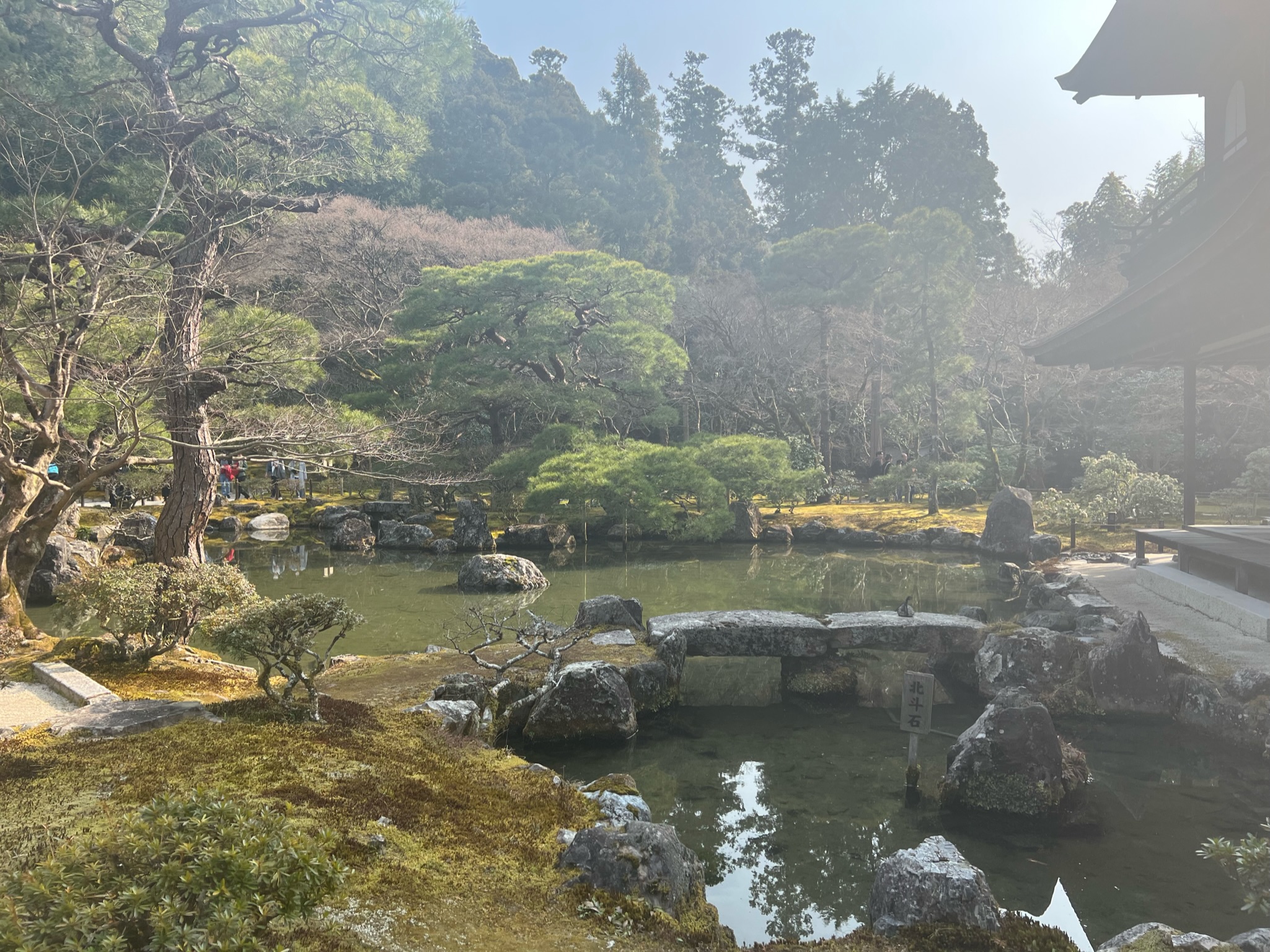
We did Tokyo (3 nights), Kyoto (2 nights), Osaka (2 nights), and fit in Nara as a day trip; Hiroshima was on the list and never made the cut. In retrospect: drop Hiroshima or add two nights. Two nights in Kyoto is not enough to do it properly. Fushimi Inari alone deserves a morning — arriving before 7am, walking the full trail, coming back down before the crowds. That plus Arashiyama Bamboo Grove, Nishiki Market, the geisha district, and at least one temple you found yourself rather than one on the tour circuit — you need three nights minimum in Kyoto. We rushed it and felt it.
The standard advice of Tokyo-Kyoto-Osaka-Hiroshima in 10 days makes sense on paper and is exhausting in practice. Pick three cities and stay long enough to find something that isn’t in any guide.
Fushimi Inari and Arashiyama: Before 7am or Accept the Crowd
Both sites are genuinely beautiful and genuinely mobbed from 9am onward. An analysis of Reddit posts about Japan travel regrets finds these two appearing more than almost anything else — not “don’t go,” but “go earlier than feels reasonable.” We went to Fushimi Inari at 9:30am and it was manageable. We saw photos from friends who went at 6am and it was a different experience entirely. If the atmospheric empty-gates version is what you’re after, that’s a 5:30am train from central Kyoto. Otherwise, go and accept the company.
The JR Pass Decision
We bought the 7-day JR Pass at $236/person and it was worth it for our itinerary (Tokyo-Kyoto-Osaka plus the Shinkansen back). If you’re staying in Tokyo for the whole trip or only doing one bullet train journey, the math probably doesn’t work. Calculate your specific routes: one Tokyo-Kyoto Shinkansen round trip runs about $260 alone — if you’re doing that plus any other JR lines, the pass pays for itself. If you’re not, skip it and buy individual tickets.
The IC card (digital Suica on iPhone) is non-optional regardless of what you decide about the JR Pass. It covers every subway, local train, bus, and konbini in Japan. Add it to your wallet before you land.
Pack Half of What You Think You Need
Japan has excellent luggage forwarding services (takuhaibin) for around $10-15 per bag between cities. You can ship your suitcase from your Tokyo hotel to your Kyoto hotel overnight and travel with just a daypack on the Shinkansen. We did not do this. We dragged full-size bags through Tokyo Station during rush hour and up narrow ryokan stairs. It was avoidable. The Tokaido Shinkansen now requires a reserved baggage seat for oversized luggage — this is enforced. Ship the bag or pack a carry-on only.
Book Restaurants Before You Land
The best ramen shops, the high-end omakase counters, the standing sushi spots worth standing in line for — the good ones in Tokyo and Kyoto book out a week or more in advance through Tableall or directly via phone (usually someone speaks English or there’s an English booking page). We walked up to three restaurants we wanted and were turned away each time. The places that don’t require reservations are either fine or very good but not the ones people write about. Decide your two or three must-eat experiences before you leave home and book them.
What We’d Keep Exactly the Same
The hotel strategy — mid-tier Marriott brands in central, walkable neighborhoods, $887 per person for the week. The JR Pass activation at Haneda on arrival (don’t skip this; activating later is more complicated). Doing Mt. Fuji as a day trip rather than a separate overnight. The decision to spend a full morning at Nishiki Market in Kyoto rather than rushing to the next temple. Japan rewards slowing down. The itinerary that looks thin on paper is usually the right one.
Book Japan Tours in Advance
- Japan tours and experiences on Viator — book teamLab, Fuji, and Kyoto tours weeks before you arrive
- Kyoto day tours — the Fushimi Inari early morning tours are the right call
Book on Klook:
Related Reading
- Japan in One Week: Temples, Ramen, and Perfect Trains
- What I’d Do Differently: All 11 Destinations
- How We Plan Every Trip
Travel Tools We Actually Use
Half the threads on r/JapanTravel mention the same thing: your phone is your lifeline. Google Translate camera mode for menus, Google Maps for train routing, and an IC card for tapping onto everything.
- eSIM Data: Airalo eSIM for Japan — Buy before you land. You need data the moment you step off the plane for train navigation. Airport SIM lines are long and overpriced.
- Travel Insurance: — Japan medical costs without insurance are brutal. Covers trip cancellation, medical emergencies, and lost luggage.
- Money: — Japan is more cash-heavy than you expect. But Wise gives you the best exchange rate for the yen withdrawals you will need. 7-Eleven ATMs accept foreign cards reliably.
- VPN: — Hotel and station wifi is everywhere but unprotected. Keep your banking apps safe.
- Luggage forwarding: Look into Yamato Transport (Kuroneko) — ship your bag between hotels for about $15 instead of wrestling it through train stations with narrow aisles and stairs everywhere.
Book Tours and Activities
- Book a Guided Temple Tour in Kyoto
- Skip-the-Line Teamlab Borderless Tokyo
- Mt Fuji Day Trip from Tokyo
Gear That Made the Difference
- Anker Nano Power Bank – Phone dies fast when navigating all day.
- Airalo eSIM – Works across Asia without swapping SIMs.
- Osprey Farpoint 40 – The only bag you need for 2 weeks.
- Packing Cubes – Essential for humid climates where you change clothes twice a day.
- Quick-Dry Travel Towel – Hostels and beach stops covered.
- Reef-Safe Sunscreen – Required at many dive sites.
- Transport: Book trains, buses, and ferries on 12Go
Find Your Next Flight
Plan Your Trip to Japan
Ready to book? Search flights to Japan to compare prices across airlines. And compare hotel rates in Japan to find the best deals for your dates.
Frequently Asked Questions
How many days do you need in Japan?
Nine or ten days is ideal. We did Tokyo, Kyoto, Osaka, a Fuji day trip, and Nara in eight days — doable, but we wished for an extra night in Kyoto. Under a week, pick one city and go deep rather than trying the Tokyo-Kyoto-Osaka circuit.
Is the JR Pass worth it in 2026?
Only if you are taking three or more long-distance shinkansen rides. Our JR Pass was $236 per person and covered Tokyo-Kyoto, Kyoto-Osaka, and the return to Tokyo plus local JR lines. Since the October 2023 price increase, calculate your actual route first.
What is the biggest mistake tourists make in Japan?
Trying to see too many cities. We had 2 nights in Kyoto and could not fit Fushimi Inari, Arashiyama, Nishiki Market, and the temple circuit properly. Three nights minimum in Kyoto. Drop Hiroshima from a 10-day trip if you have to.
Travel Tools We Use
- Compare flights on Skyscanner
- Find hotels in Tokyo on Booking.com
- Get travel insurance with SafetyWing
- Get an eSIM with Airalo
- Book tours on GetYourGuide
- Book activities on Klook
These are affiliate links — we earn a small commission at no extra cost to you.
Get Travel Tips That Actually Help
Real costs, honest reviews, and what I would do differently — delivered to your inbox.
Plan your own Japan trip
Get the exact Notion planner + Google Maps pin list I used
Duplicatable Notion template (8-day itinerary, live budget tracker, real-experiences database with 50+ rated stops, packing checklist, pre-trip countdown) plus a 47-pin color-coded KML for Google My Maps + offline phone use.
Get the Japan bundle — $1
Notion $1 · Maps $1 · Bundle $1
Plan your own trip: guides I actually use
More from this region:
- Mt. Fuji Day Trip from Tokyo: The $80 Bus Tour That Depends Entirely on Weather
- Tokyo on Points: How We Stayed in Ginza and Paid Almost Nothing
- Paris vs London vs Rome vs Tokyo vs Mexico City: The Best City Trip for Your Budget
- Nara Park Day Trip from Kyoto: Deer, Todai-ji, and a Stolen Map
Cards, lounges & insurance:
- Best Airport Lounges I Have Actually Used — From Changi to Istanbul
- Is Priority Pass Worth It in 2026 — My Honest Review After 15 Airports
- Best Travel Credit Cards for 2026: The Cards I Actually Use and Why
- Best Travel Insurance for 2026: What I Actually Recommend After 15 International Trips
Finding cheap flights:
- When to Book Flights by Region — The Booking Windows That Actually Save Money
- How to Find Error Fares and Flight Deals — The Services I Actually Use
- Google Flights vs Skyscanner vs Momondo — Which Actually Finds the Cheapest Flights
Staying connected abroad:
- Best VPN for Travel 2026 — NordVPN vs Surfshark and Why You Need One
- Best eSIM for Travel 2026 — Holafly vs Airalo vs Nomad
Travel gear I actually use:
- Best Portable Chargers for Travel in 2026: Which Size You Actually Need
- My Exact Travel Tech Setup After 15 International Trips
- Best Noise-Canceling Headphones for Travel in 2026: Tested on 40+ Flights
- Best Travel Backpacks for 2026: The 5 I Have Actually Used
- Phone Photography Tips for Travel: How to Take Great Photos With Just Your iPhone
Written by Jenna Fattah
I have visited 25+ countries across 6 continents, attended 7 Formula 1 races, and spent 4 years writing about what actually works and what I would do differently. Every recommendation on this site comes from trips I planned and paid for myself. Read more about me